NEW YORK-NEW JERSEY – As the footballing world turns its eyes toward the MetLife Stadium for the highly anticipated World Cup final between Spain and Argentina, a quiet but fierce debate continues to simmer in the corridors of FIFA’s technical headquarters. At the heart of the discussion is not a tactical innovation or a refereeing decision, but a three-minute interval that has redefined the rhythm of the modern game: the mandatory hydration break.
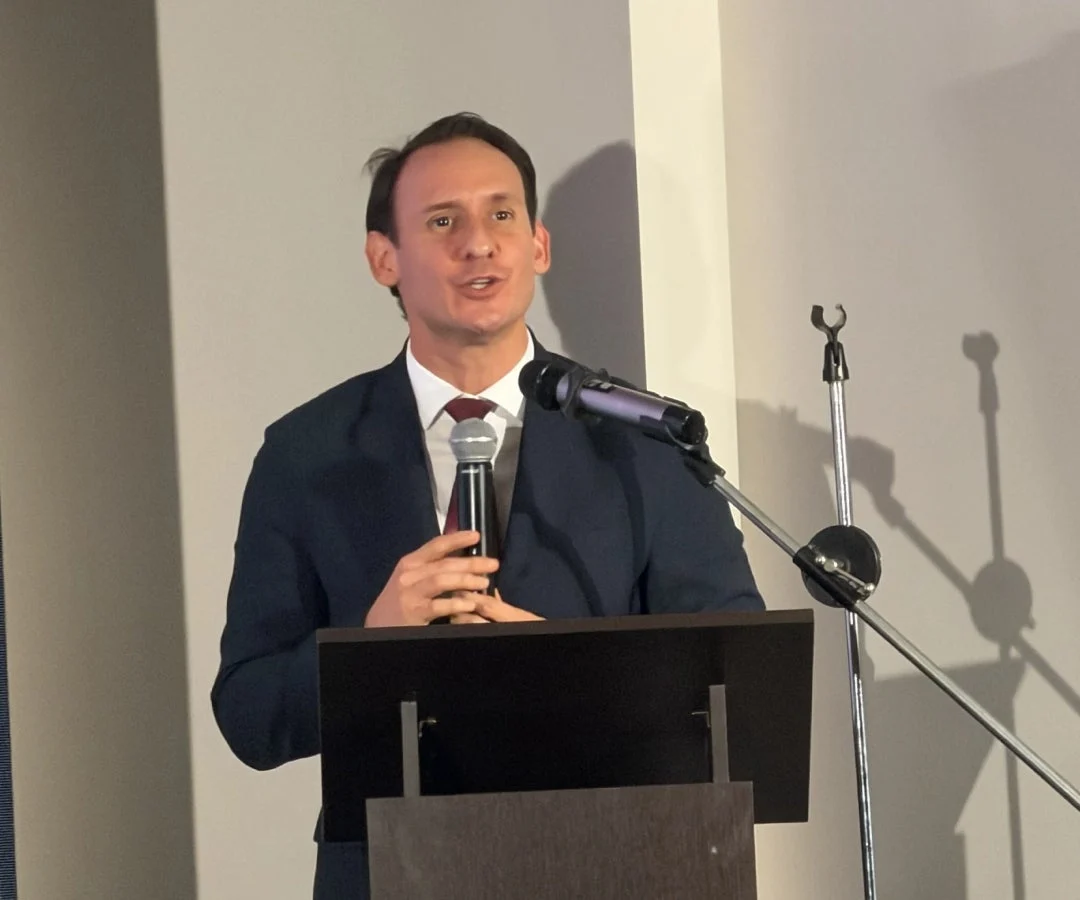
Arsène Wenger, FIFA’s Chief of Global Football Development, confirmed on Saturday that the governing body will conduct a comprehensive "post-mortem" analysis of the cooling breaks implemented throughout the tournament. While Wenger maintains that the pauses had no tangible impact on match outcomes, the polarizing nature of the rule has sparked a civil war between medical advocates, commercial interests, and footballing purists.
Chronology: From Medical Necessity to Tournament Mandate
The path to mandatory hydration breaks began long before the first whistle blew in the heat of Mexico City. For years, FIFA’s Medical Committee has voiced concerns regarding the increasing physical demands placed on elite athletes, compounded by the escalating temperatures of global summers.
The 2026 World Cup presented a unique logistical challenge. Spanning three nations—Mexico, Canada, and the United States—the tournament featured unprecedented climatic diversity. While matches in Monterrey and Miami were played in sweltering humidity exceeding 35°C (95°F), fixtures in Vancouver and Boston often took place in mild, temperate conditions, or even under the climate-controlled roofs of modern indoor arenas.
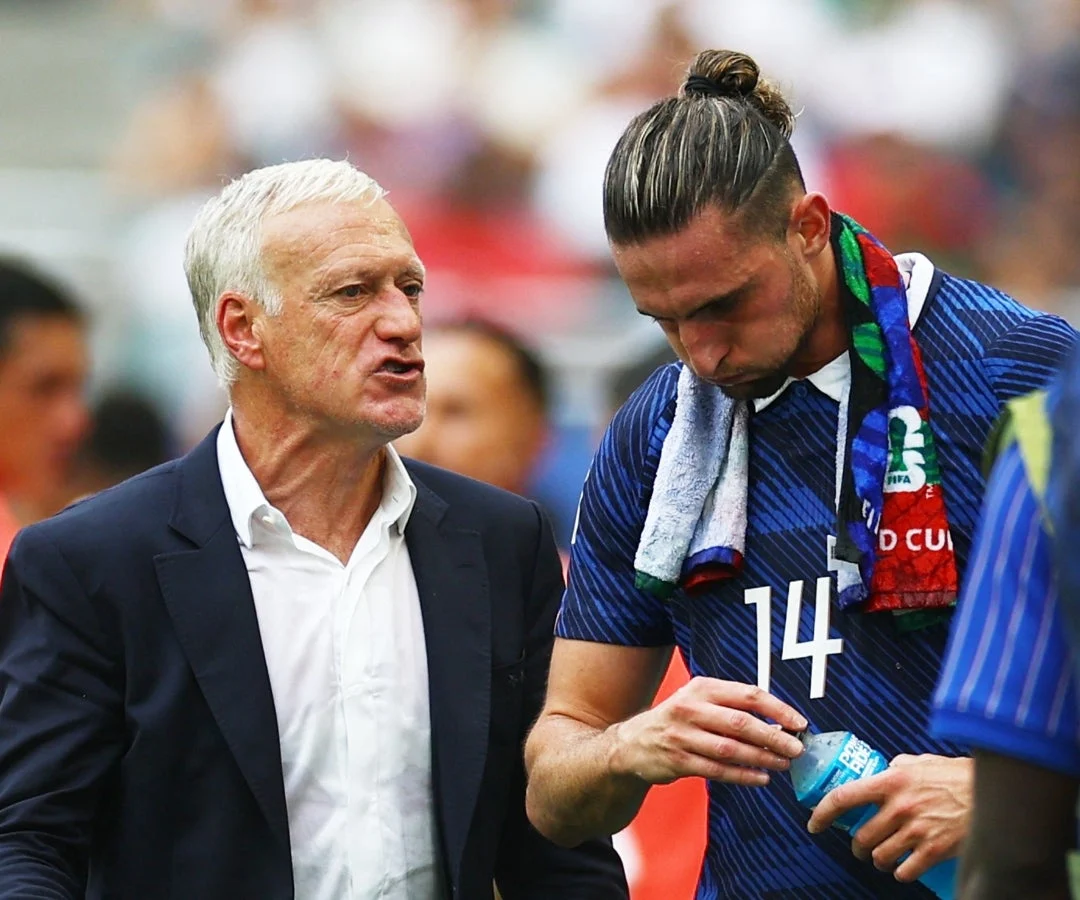
Initially, cooling breaks were at the discretion of the referee, triggered only when the Wet Bulb Globe Temperature (WBGT) exceeded 32°C (89.6°F). However, in a move toward "competitive uniformity," FIFA changed course months before the tournament began. The organization established a mandatory three-minute pause at the midway point of each half (approximately the 22nd and 67th minutes) for every single match, regardless of the local weather.
This decision was met with immediate skepticism. During the opening group stages, fans in cooler climates expressed their confusion and frustration. In Toronto and Seattle, where the mercury barely touched 20°C (68°F), the sight of players standing idle while the clock stopped was greeted with resounding boos from the stands. Critics argued that the "one-size-fits-all" approach was a solution in search of a problem.
Supporting Data: The Impact on Game Flow and Commercialization
To understand the controversy, one must look at the data surrounding the "effective playing time" of a match. Traditional football relies on a continuous flow, a psychological and physical "ebb and flow" that defines the sport’s tension. By introducing two mandatory three-minute breaks, FIFA essentially divided a 90-minute narrative into four distinct quarters.
The Tactical Disruption
Data analysts from various national teams have noted a significant shift in "momentum metrics." When a break occurs, the high-press intensity of a dominant team is effectively neutralized. "The break acts as a tactical reset," noted one performance analyst for the German national team. "It allows a struggling defense to reorganize, catch their breath, and receive direct coaching instructions that would usually be impossible during active play."
The Commercial Windfall
Perhaps the most cynical angle of the hydration break debate involves the broadcasting industry. Each three-minute pause provided a golden opportunity for television networks to insert "mini-commercial blocks." In the United States and Europe, broadcasters reportedly saw a 12% increase in advertising revenue per match due to these predictable windows.
For many fans, this felt like the "Americanization" of the world’s game—the encroachment of the NFL-style "television timeout" into a sport that has historically prided itself on being commercial-free for 45 minutes at a time. The optics of players drinking water while the screen cuts to a soda advertisement did not go unnoticed by the fans booing in the stadiums.
Official Responses: A Divided Technical Community
The feedback from the world’s elite coaches and players has been far from unanimous, reflecting a deep divide between pragmatism and tradition.
Arsène Wenger: The Statistical Defense
Arsène Wenger, speaking at a press conference ahead of the final, took a measured approach. "We have to analyze after the World Cup what the impact is," Wenger stated. "To me, it didn’t feel like it changed the results of the competition. But we are here to serve the people who watch football."
Wenger acknowledged the disconnect between medical necessity and spectator enjoyment. "In some games where the stadiums were covered, people were not happy with it. From a medical point of view, it was necessary in many games. We haven’t come to a conclusion yet." Wenger’s defense rests on the idea of fairness; by making the breaks mandatory for all, FIFA avoided a scenario where one team played 90 continuous minutes in the cold while another played a fragmented game in the heat, potentially affecting recovery times later in the tournament.
The Pragmatists: De la Fuente and Van Dijk
Spain’s head coach Luis de la Fuente and Netherlands captain Virgil van Dijk represented the pragmatic middle ground. Both acknowledged that in the extreme heat of Texas or Mexico, the breaks were a "lifesaver." Van Dijk noted that the physical output required in the modern game is so high that the risk of heat exhaustion is a genuine threat to player careers. However, both questioned the logic of applying the same rules in a domed stadium in Atlanta or a cool evening in Montreal.
The Critics: Tuchel and Bielsa
England’s manager, Thomas Tuchel, was more vocal in his disapproval. Tuchel argued that the breaks "broke the rhythm" of his side’s attacking transitions. He suggested that the breaks had a "greater impact than initially anticipated," serving as a psychological crutch for teams looking to waste time or disrupt a superior opponent’s flow.
The most scathing critique, however, came from Uruguay’s Marcelo Bielsa. Known as "El Loco" for his obsessive devotion to the game’s purity, Bielsa argued that the breaks "destroyed the cultural essence" of football. To Bielsa, football is a game of endurance and suffering; by removing the physical toll of a continuous 45-minute half, FIFA was, in his view, diluting the very nature of the sport. "The breaks added nothing to the football," Bielsa remarked. "They only served to turn a work of art into a series of interrupted sketches."
Implications: The Future of the 90-Minute Match
The conclusion of the World Cup will mark the beginning of a significant policy review within FIFA. The hydration break controversy sits at the intersection of several larger trends currently facing the sport:
1. Player Welfare vs. Tradition
As the international calendar becomes more crowded and global temperatures continue to rise, player welfare will remain a top priority. FIFA may be forced to move toward a more sophisticated, "real-time" assessment of weather conditions. Instead of a mandatory tournament-wide rule, we may see the return of the WBGT-based trigger, but with more transparency for fans and broadcasters.
2. The Slippery Slope of Commercialization
The backlash against TV advertisements during these breaks serves as a warning to FIFA. If the organization continues to pursue "natural" breaks in play, they risk alienating a core demographic of fans who value the sport’s uninterrupted nature. The challenge for FIFA will be to prove that these breaks are strictly medical, rather than a revenue-generating tool disguised as a safety measure.
3. Tactical Evolution
If hydration breaks become a permanent fixture, coaches will inevitably adapt. We could see the rise of "quarter-based" tactics, where teams save their highest intensity for the 20-minute bursts between breaks. This would fundamentally change how squads are built and how substitutions are used, potentially leading to a faster, more explosive, but less endurance-based game.
4. The "Smart Stadium" Solution
Wenger hinted at the role of infrastructure in this debate. Modern stadiums with advanced cooling technology and retractable roofs may eventually render cooling breaks obsolete, even in hot climates. FIFA might soon require host cities to guarantee specific "on-pitch" temperatures, shifting the burden of player safety from the rules of the game to the engineering of the venue.
Conclusion
As Spain and Argentina prepare to walk out onto the pitch at the Estadio Nueva York-Nueva Jersey, the three-minute hydration break remains a symbol of a sport in transition. It is a conflict between the cold, hard data of medical science and the intangible, emotional flow of a game that has remained largely unchanged for over a century.
Arsène Wenger and his team have a difficult task ahead. They must weigh the boos of the fans and the philosophical objections of managers like Bielsa against the undeniable reality of a warming planet and the physical limits of the human body. Whether the cooling break remains a permanent fixture of the World Cup or a discarded experiment of the 2026 edition, one thing is certain: the "beautiful game" is finding it increasingly difficult to keep its cool.