By Editorial Staff
Updated July 18, 2026
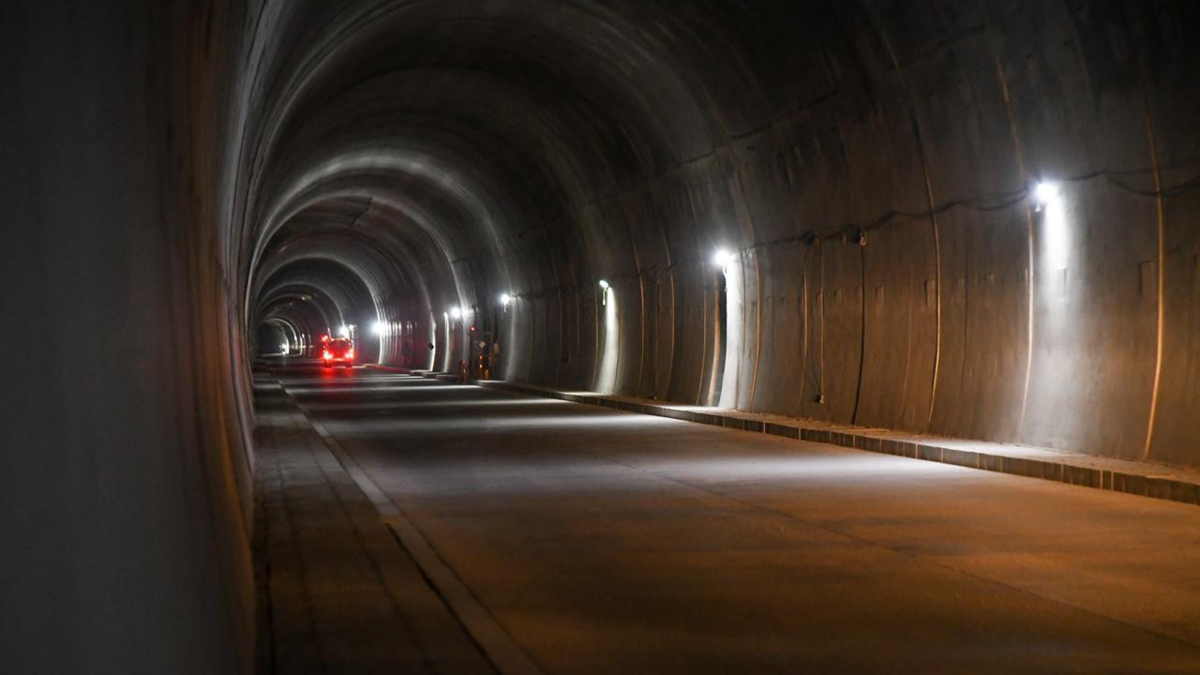
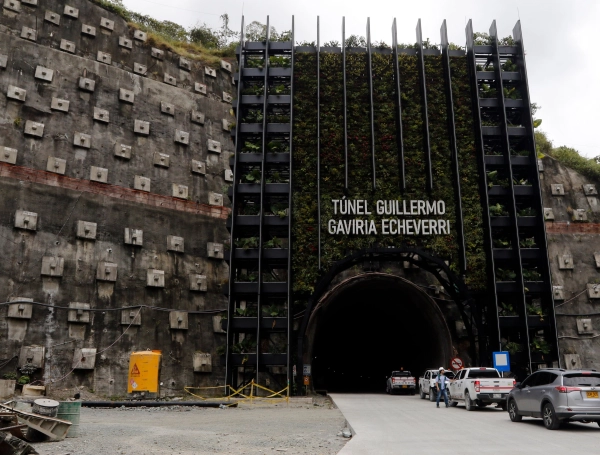
The Guillermo Gaviria Echeverri Tunnel—better known as the Toyo Tunnel—stands as one of the most ambitious engineering feats in Colombian history. Spanning 9.73 kilometers, it is poised to become the longest tunnel in the country and a critical artery for connectivity between Medellín and the Urabá region. However, recent weeks have seen a surge of public concern regarding the facility’s inability to open, fueling speculation about administrative failures and potential financial losses.
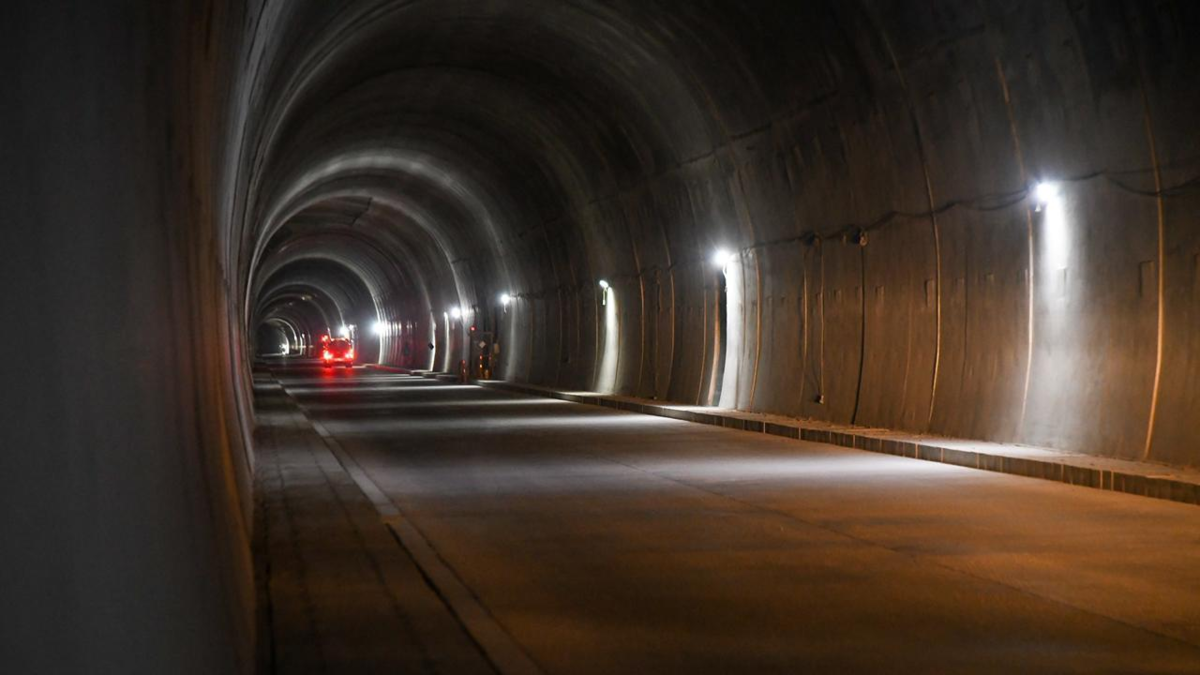
The National Roads Institute (Invías) has officially addressed these concerns, categorically rejecting claims that the tunnel’s inactivity is due to the lack of electromechanical equipment. Instead, the agency asserts that the project is following a rigid, pre-defined technical sequence: the installation of sophisticated technology cannot proceed until the civil works, currently under the jurisdiction of the Government of Antioquia, are fully completed, certified, and handed over.
The Core Dispute: Technical Sequencing vs. Public Perception
At the heart of the debate is the distinction between "construction" and "operation." Critics have suggested that the delay in installing ventilation, lighting, fire suppression, and Intelligent Transport Systems (ITS) points to a mismanagement of the project’s electromechanical contract. Invías, however, maintains that this perception is fundamentally flawed.

In a formal statement released on July 17, 2026, the National Government, through the Ministry of Transport and Invías, reiterated that the sequence of execution was established at the inception of the contract. The installation of electromechanical systems is not merely a "plug-and-play" operation; it requires a sterile, finished environment to ensure the longevity and calibration of high-tech components.
"The true risk—the one that would indeed lead to a loss of public assets—would be to install these delicate systems prematurely in an active construction zone," an Invías spokesperson stated. "Doing so would compromise the factory warranties and the precision calibration of millions of dollars in technology."
A Detailed Chronology of the Project’s Evolution
To understand the current impasse, one must look at the project’s evolution. Initially, the project was divided into two distinct responsibilities: the Government of Antioquia was tasked with the construction of "Section 1," while Invías oversaw "Section 2" and the subsequent electromechanical contract.
The dynamics of the project shifted significantly in 2024. Through a landmark modification of the inter-administrative agreement, the Government of Antioquia assumed responsibility for completing the works corresponding to "Section 2." This transition was intended to streamline construction but effectively linked the entire project’s timeline to the Governor’s office’s ability to finalize the civil works.
As of July 2026, the status of these segments is as follows:
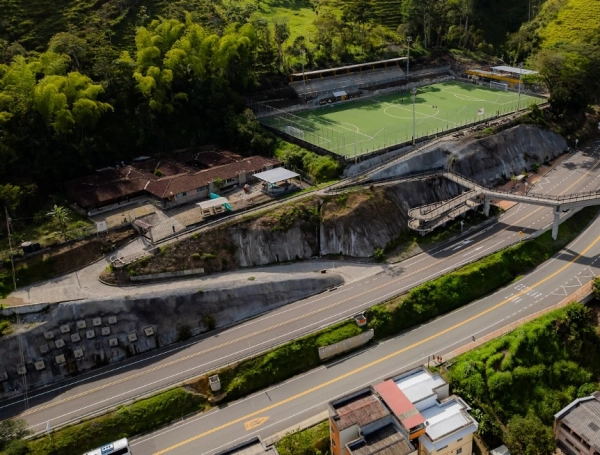
- Section 1: Construction is 100% complete. However, "completion" in civil engineering does not equate to "readiness for technology." Before the electromechanical phase can begin, the structure must undergo rigorous certification and formal handover processes.
- Section 2: This segment is approximately 80% complete. Crucial milestones remain, including the excavation of "Tunnel 10," the construction of complex bridges (11, 12, and 13) over the Tonusco River using the cantilever method, and the completion of two kilometers of intervention in native forest zones.
Invías has noted that the finalization of these works requires the construction of specialized industrial access roads to transport heavy machinery, effectively pushing the realistic completion of civil works beyond April 2027.
Financial Hurdles and the "Closure" Challenge
Beyond the physical engineering challenges, the project faces a significant fiscal hurdle. The completion of the Toyo Tunnel is heavily dependent on a complex "financial closure" involving multiple stakeholders.
According to data provided by Invías, more than 1.69 trillion Colombian pesos remain outstanding. These funds are slated to come from contributions from the Government of Antioquia and the District of Medellín, alongside future fiscal commitments. The uncertainty surrounding the arrival of these funds creates a domino effect: without the financial liquidity to finish the civil works, the technical certification cannot be completed, and the electromechanical installation remains in a state of suspended animation.
Invías maintains that it is impossible to set a definitive, "hard" opening date for the tunnel while these variables—technical, structural, and financial—remain in flux.
The Reality of the Electromechanical Contract
Despite rumors of a stagnant contract, Invías argues that the project is not idle. Since the June 17, 2026, announcement, the designated contractors have been actively engaged in "preliminary activities" defined by the project’s master schedule. These include:

- Environmental and Predial Management: Finalizing land acquisition and environmental compliance requirements.
- Social Engagement: Coordinating with local communities impacted by the construction corridor.
- Detailed Engineering: Finalizing the blueprints and technical specifications for the installation phase, ensuring that when the civil works are finally handed over, the technological rollout can proceed with minimal friction.
These efforts are not visible to the casual observer on the surface, which may account for the public’s belief that work has ceased. However, from a project management perspective, this phase is critical to preventing the "premature installation" that Invías warns would jeopardize the investment.
Implications for Stakeholders and the Public
The implications of this delay are multi-layered. For the citizens of Antioquia and the commercial sector relying on the corridor, the delay is a source of frustration. The Toyo Tunnel is expected to drastically reduce travel times and logistics costs between the interior of the country and the Caribbean ports.

For the regional government, the challenge lies in balancing expectations with the reality of large-scale infrastructure. The shift in responsibilities in 2024 has made the Governor’s office a primary player in the project’s success, and any further delays in Section 2 will be interpreted as a failure of regional oversight.
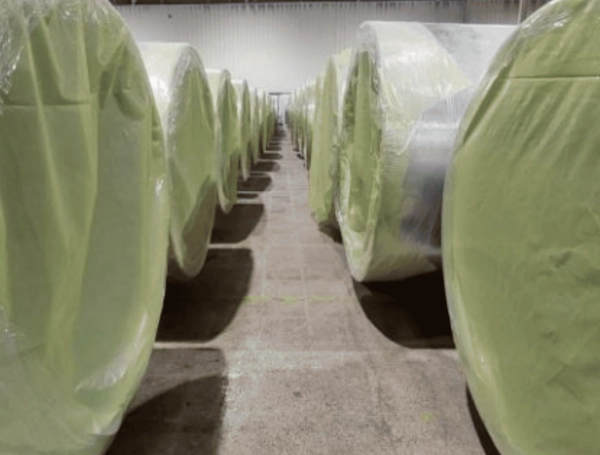
For the national government and Invías, the focus remains on accountability. The agency has stated its willingness to continue providing all technical information required by oversight bodies, such as the Comptroller’s Office, to prove that no "detriment to the treasury" (detrimento patrimonial) has occurred. By strictly adhering to the contract’s technical stipulations, the government aims to protect the integrity of the equipment, which remains in storage, awaiting the moment the civil infrastructure is ready to receive it.

Conclusion: A Question of Timing
The Toyo Tunnel remains a beacon of progress for Colombian infrastructure, but it is currently caught in the "trough of disillusionment" that often follows the initial excitement of a mega-project. The evidence provided by Invías suggests that the delay is not a result of bureaucratic negligence, but rather a calculated adherence to engineering safety protocols.
As the project moves into the latter half of 2026, the pressure will mount on the Government of Antioquia to clear the final hurdles in Section 2. Until those bridges over the Tonusco River are complete and the final certifications are signed, the state-of-the-art electromechanical systems will remain in their crates. The message from the national authorities is clear: the tunnel will open, but it will open only when the infrastructure is ready to support the technology that will make it safe, operational, and sustainable for decades to come.