The global landscape of luxury retail is undergoing a seismic shift. No longer confined to the pristine, marble-floored flagship boutiques of Paris, Milan, or New York, the hunt for high-end fashion has moved to digital marketplaces, curated vintage boutiques, and peer-to-peer platforms. This evolution is driven by a convergence of environmental consciousness, a desire for unique self-expression, and a strategic shift in how consumers perceive value.
Once associated with the stigma of being "second-best," pre-owned luxury has transformed into a badge of honor, a symbol of a sophisticated, eco-conscious consumer who values craftsmanship and history over mass-produced trends.
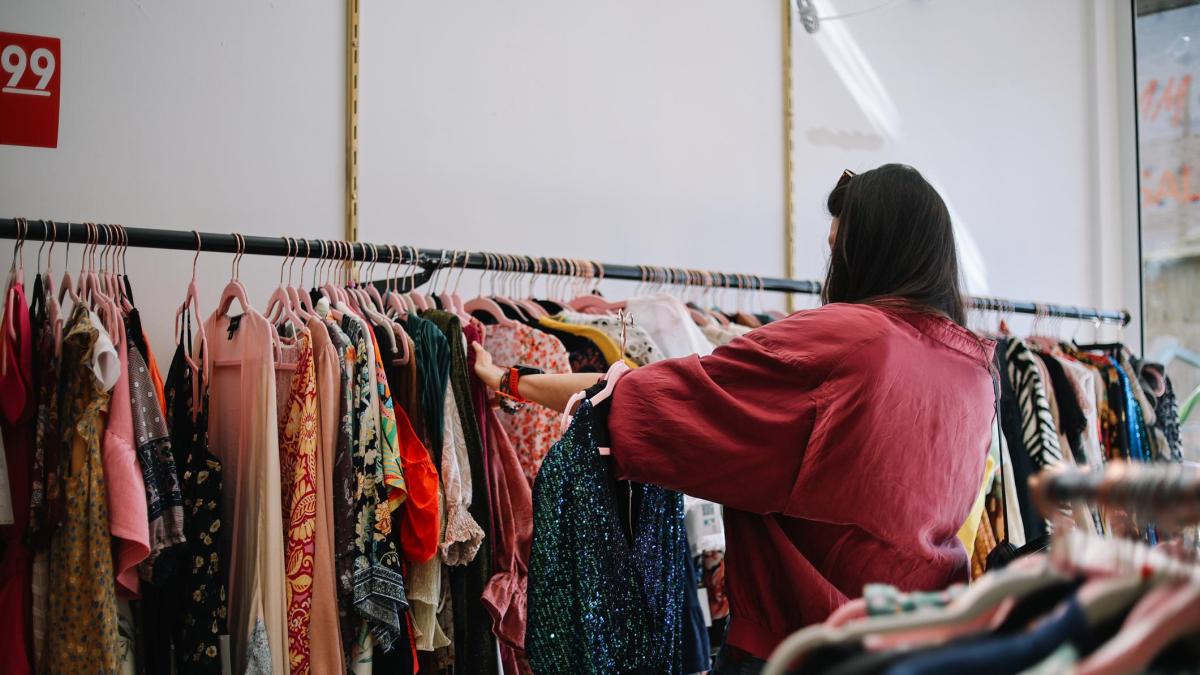
Main Facts: The Rise of the Conscious Collector
The core of this trend lies in "circular fashion"—a regenerative system where garments are kept in use for as long as possible. In Latin America, a region traditionally dominated by fast-fashion consumption, the tide is turning. Markets like Mexico City are leading the charge, and Colombia is rapidly emerging as a nascent but significant player in this circular economy.
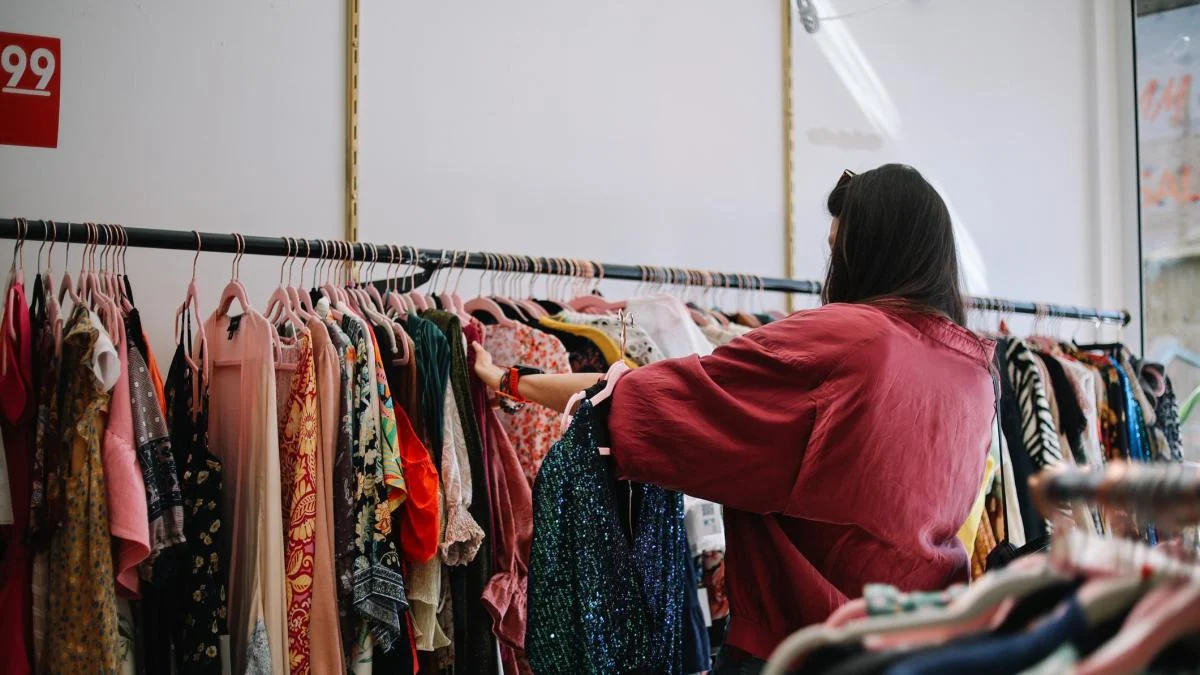
The digitalization of the resale market has been the primary catalyst for this growth. Specialized platforms have bridged the "trust gap" that historically plagued the secondary market. By implementing rigorous authentication processes, these companies have effectively lowered the barriers to entry, allowing consumers to find specific brands, sizes, and rare vintage pieces with the click of a button.

A Brief Chronology: From Stigma to Status
- The Early Era (Pre-2010s): Second-hand shopping was largely relegated to thrift stores and charity shops, often perceived as a necessity for those with limited financial means. The luxury market was defined by the "newness" of products; owning the latest collection was the ultimate marker of social status.
- The Digital Turning Point (2010–2018): The advent of online resale platforms began to professionalize the sector. The focus shifted from merely "used goods" to "curated, pre-loved items." This period saw the rise of the "smart shopper," who viewed resale as a way to access luxury at a lower price point.
- The Sustainability Awakening (2019–2023): As the environmental impact of the fashion industry—responsible for a significant portion of global carbon emissions and water waste—became common knowledge, younger generations (Gen Z and Millennials) began to prioritize circularity as a moral imperative.
- The Current Landscape (2024–2026): We have entered the era of the "Strategic Collector." Today, owning a piece of history is more prestigious than owning a mass-market item. The secondary market has become a competitive arena where rarity, provenance, and investment potential define the "new luxury."
Supporting Data: The Environmental and Economic Impact
The shift toward pre-loved luxury is not just a stylistic preference; it is a measurable contribution to planetary health. According to data provided by GoTrendier, a prominent platform operating in the Colombian market, the impact of their users in 2026 alone is profound:
- Water Conservation: Over 192 million liters of water have been saved, preventing the massive consumption required for the production of new textiles.
- Carbon Footprint Reduction: Users have successfully averted the emission of more than 2 million kilograms of CO2, a significant step in mitigating the climate impact of the fashion industry.
- Waste Mitigation: Over 168,000 kilograms of textile waste have been diverted from landfills.
When applied specifically to the luxury segment, these figures become even more compelling. High-end fashion items require more intensive labor, specialized craftsmanship, and longer supply chains. By keeping these pieces in circulation, the secondary market effectively dilutes the environmental "cost-per-wear" of these high-value items, transforming them into long-term assets rather than disposable goods.
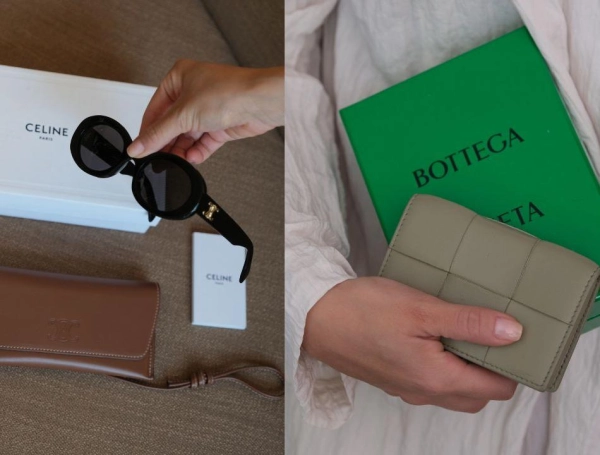
Official Perspectives: The Experts Weigh In
Industry leaders and entrepreneurs in the sector suggest that the definition of luxury has fundamentally changed.
Ximena Pardo, PR manager at GoTrendier, argues that for the modern consumer, the value of a piece is no longer tied to its status as a "new release." "For these generations, finding a unique preloved piece is a statement of identity, not an economic concession," Pardo explains. She notes that the market is currently seeing a "battle" for specific items—such as limited-edition sneakers or vintage bags—that are no longer available in traditional retail channels.
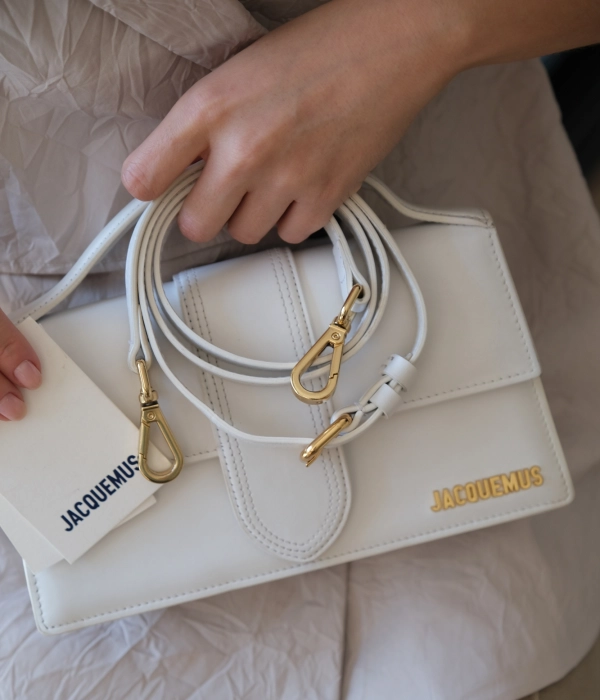
Mariana and Pamela Ochoa, co-founders of Broncealana.com, emphasize the shift in mindset. "For many years, luxury was synonymous with ‘brand new.’ Today, it means finding a special piece, valuing its history, recognizing its quality, and choosing items that can remain relevant for many years," they state.
This transformation is supported by a change in cultural narrative: "During decades, ‘new’ was a synonym for status," says Pardo. "Today, what gives you status is your criteria: knowing how to find that vintage jacket that no one else has, that limited-edition bag that is no longer in any store. Scarcity and uniqueness have become the new exclusivity."
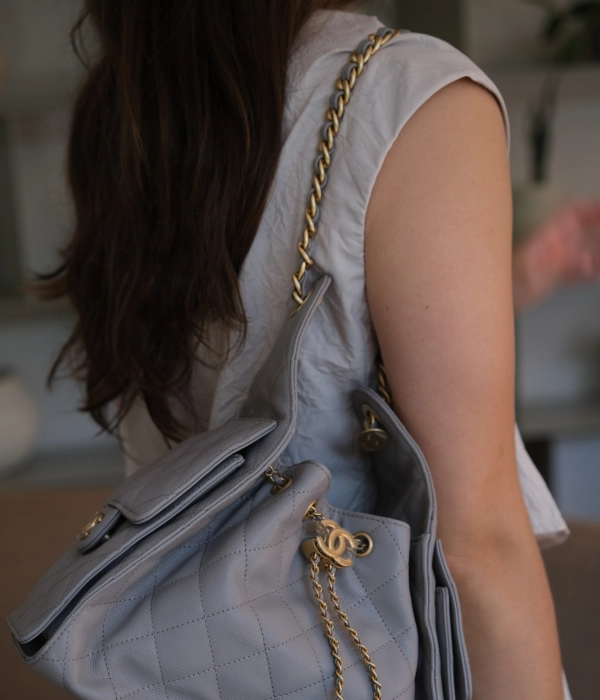
Implications for the Future of Fashion
The growth of this market has deep implications for both consumers and the industry at large.
1. The Rise of the Asset-Class Fashion
Certain items are now viewed as financial investments. Iconic pieces, such as Hermès Birkin bags or timepieces from Patek Philippe and Rolex, have historically shown that they can appreciate in value over time. This has turned the fashion closet into an investment portfolio.

2. The Professionalization of Trust
The biggest hurdle for the future of the circular economy is trust. As the market grows, the prevalence of counterfeit goods remains a threat. Consequently, the businesses that succeed will be those that provide ironclad authentication, transparent condition reporting, and secure escrow services.
3. A Shift in Consumer Behavior
Consumers are becoming more educated. They are learning about the specific details of craftsmanship—stitching, hardware, serial numbers, and material quality—that distinguish an original from a replica. "The knowledge is the best purchasing tool," asserts Pardo.

4. The End of "Disposable" Luxury
The ultimate implication of this trend is the end of the "fast-fashion" mindset within the luxury sector. Luxury brands are increasingly being pressured to design for durability and repairability, knowing that their products will have a "second life" on the resale market.
Expert Recommendations for the Modern Buyer
For those looking to enter the pre-owned luxury market, industry experts offer a clear roadmap to avoid common pitfalls:

- Prioritize Verification: Only shop on platforms that provide professional authentication services. Avoid informal, non-vetted marketplaces.
- Do Your Homework: Research the specific brand’s markers of authenticity. Knowledge of the product is the best defense against fraud.
- Beware of "Too Good to Be True" Pricing: Even with substantial discounts, there is a floor to the value of a genuine luxury item. If a price seems impossibly low, it likely is.
- Request Documentation: Always ask for detailed images of hardware, interior linings, stitching, and areas of potential wear. A reputable seller will always be transparent about the condition of the item.
- Check Seller Reputation: In peer-to-peer models, the reputation of the individual seller is just as important as the authenticity of the item.
As we move toward a more sustainable future, the circular fashion model is proving that the most sustainable luxury item is the one that already exists. By valuing the history, craftsmanship, and longevity of our garments, we are not just curating a wardrobe—we are participating in a fundamental shift in how the world consumes, values, and preserves the things that define us.