By Editorial Staff
Updated: July 17, 2026
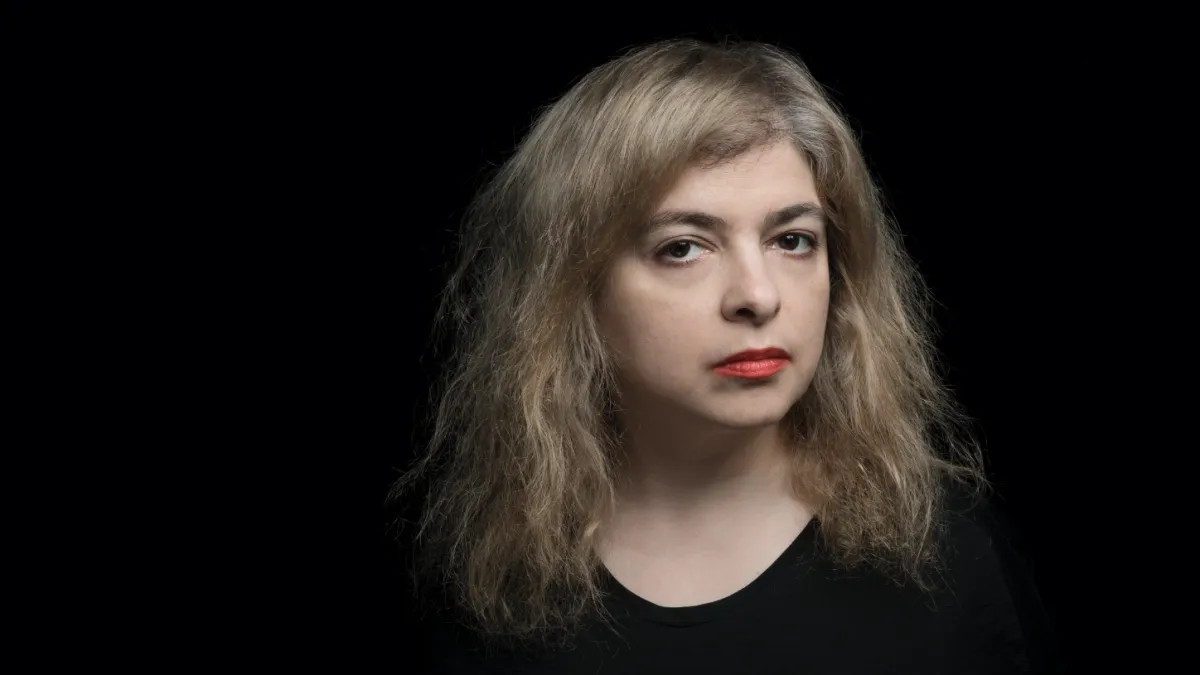
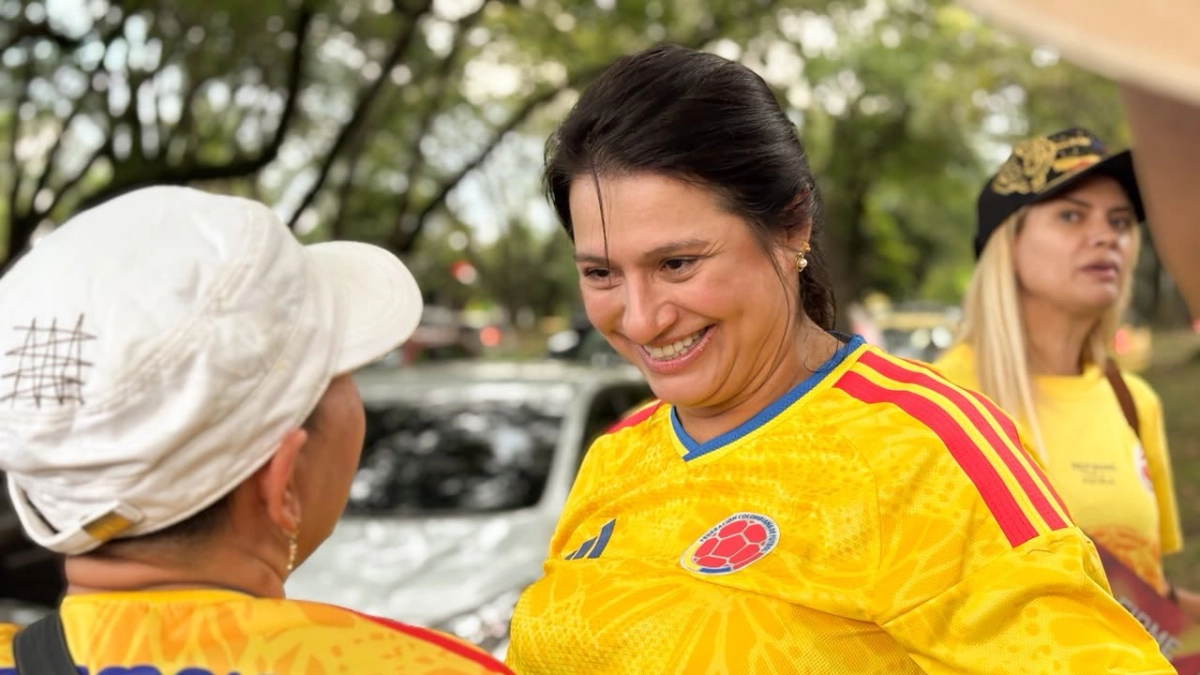
In a move that signals a significant shift in the strategic focus of the incoming administration, President-elect Abelardo de La Espriella has officially designated Paola Holguín as the next Minister of Culture. The announcement, shared through the President-elect’s official social media channels, frames the appointment as a pivotal moment for the nation’s arts and creative industries, aiming to move away from what the incoming government describes as the "politicization" of the sector.
Holguín, a seasoned political figure with deep roots in Antioquia and a track record in both legislative and executive roles, is tasked with a mission that combines economic development with national identity. The transition team has emphasized that her leadership will be defined by "order, rigor, and a commitment to globalizing Colombian talent."
The Core Mandate: Dignifying the Artist and Formalizing the Sector
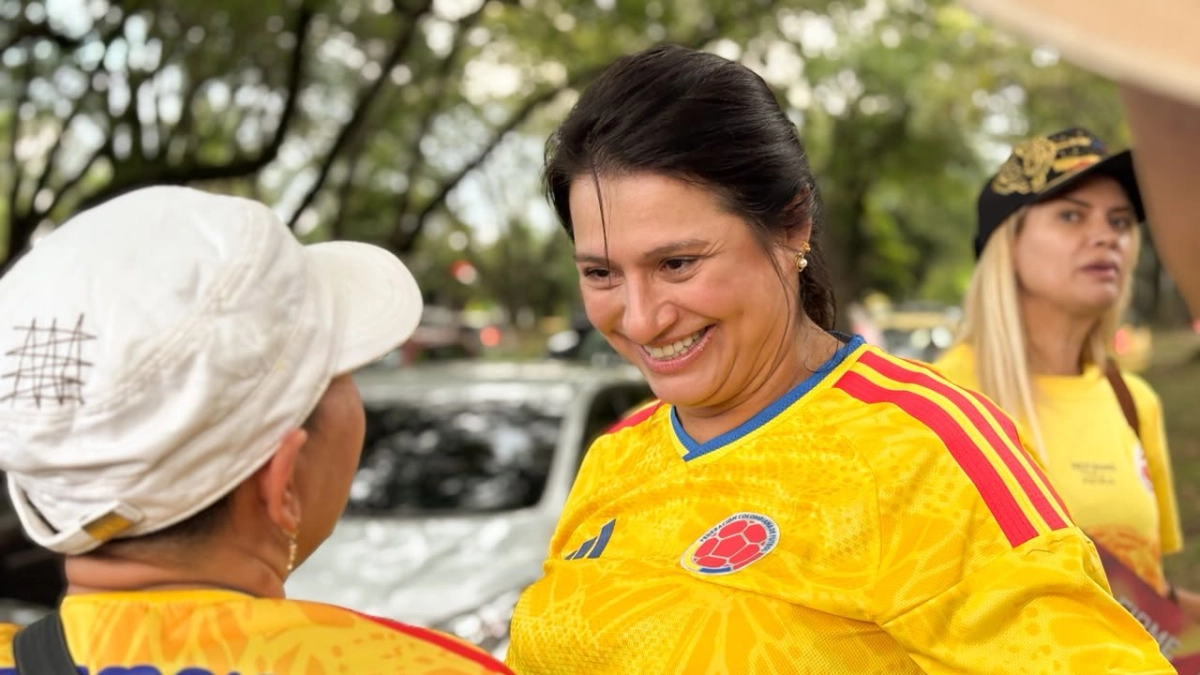
The appointment of Paola Holguín comes at a time when the Colombian cultural sector faces mounting challenges, ranging from the need for economic formalization to the preservation of traditional heritage. According to President-elect De La Espriella, Holguín’s primary objective is to transform culture from a peripheral government concern into a primary engine of national development.
"We are calling upon a woman of the provinces, a warrior who understands the struggle for our national identity," De La Espriella stated. "Her mission is to back our creators without political biases, strengthen audience development, dignify the work of our artists, and establish culture as a true motor of opportunity and national pride."
The administration’s vision for the Ministry under Holguín rests on four pillars:

- The Internationalization of Talent: Promoting Colombian creative output on a global scale.
- Formalization of Creators: Moving toward a structure that allows artists to thrive economically, ensuring social security and sustainable livelihoods.
- Protection of Heritage: Safeguarding the tangible and intangible traditions that define the Colombian identity.
- Institutional Decoupling: Removing the "instrumentalization" of culture by traditional political actors to ensure that resources reach the grassroots level.
A Biographical Portrait: The Profile of the Incoming Minister
Born in Medellín on November 11, 1973, Paola Holguín brings a multidisciplinary academic and professional background to the cabinet. She is a Communicator Social with a Master’s degree in Political Studies, specializing in economics and development from the Universidad Pontificia Bolivariana. Her academic credentials are further bolstered by a Master’s degree in National Security and Defense from the Escuela Superior de Guerra, reflecting a profile that blends cultural advocacy with institutional management.
Chronology of a Political Career
Holguín’s career has been characterized by consistent presence in the national political arena, particularly within the orbit of the Centro Democrático.
- 2003: Served as a Presidential Advisor during the administration of Álvaro Uribe, providing her with early exposure to the mechanics of high-level government.
- 2014: Elected as a Senator of the Republic for the Centro Democrático, marking her entry into the legislative branch.
- 2018: Re-elected to the Senate, where she continued to focus on regional development, security, and cultural heritage policies.
- 2021: Spearheaded the legislation that saw the carriel antioqueño (the traditional leather bag of Antioquia) declared a piece of national cultural heritage, a move that solidified her reputation as a defender of regional identity.
- 2026: Designated Minister of Culture by President-elect Abelardo de La Espriella.
Throughout her legislative career, Holguín has demonstrated a particular interest in the intersection of culture and community development. Her work in the municipality of Jericó stands as a hallmark of her approach: she led the expansion of the Maja Anthropology Museum and successfully managed international cooperation—specifically with the government of Taiwan—to establish the region’s first Center for Arts and Crafts, where local artisans are now trained in the specialized craft of guitar making.
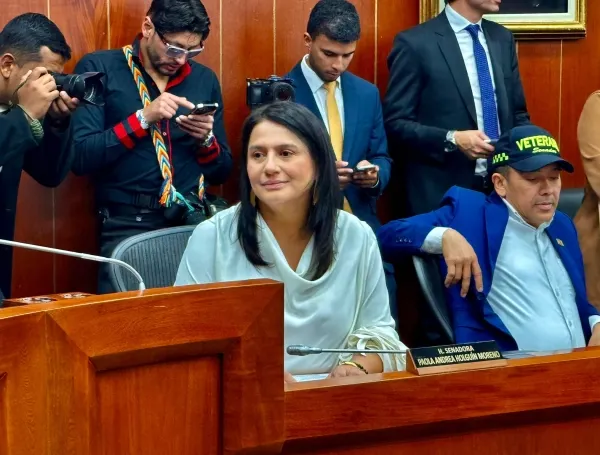
Supporting Data: Why the "Antioqueño Model" Matters
The appointment of Holguín suggests that the incoming administration plans to scale up localized success stories. Her supporters argue that her experience in Antioquia serves as a blueprint for national policy.
The focus on "Arts and Crafts" centers is not merely symbolic; it is part of a broader economic theory that views culture as a specialized industry. By providing training, access to tools, and international market connections, the administration aims to transition from a policy of cultural "subsidies" to one of "creative industry incubation."
Analysts suggest that Holguín’s background in National Security and Defense may also play a role in her ministerial strategy. In rural areas where the cultural sector has historically been vulnerable to illegal economies or social instability, her understanding of state security is expected to be leveraged to create "safe zones" for cultural production and tourism.

Official Responses and Political Implications
The announcement has elicited a range of reactions across the political spectrum. Proponents of the incoming administration have lauded the appointment, noting that Holguín’s administrative experience will bring much-needed order to the ministry.
"The Ministry of Culture has been treated as a decorative arm of the state for too long," said a spokesperson for the transition team. "With Paola, we are bringing in a manager. Her goal is to ensure that every peso invested in culture yields a return in terms of social development, job creation, and international projection."
However, observers from the opposition and some cultural sectors have expressed concerns about the ideological shift. The criticism primarily centers on her past alignment with the Centro Democrático and whether her vision of "national identity" will be inclusive of the diverse, and often historically marginalized, cultural expressions that define modern Colombia.

Holguín, for her part, has remained focused on the mechanics of the transition. In initial statements, she has reiterated her commitment to serving all artists, regardless of political affiliation, noting that the "battle for culture" is a collective effort that requires the participation of both the public and private sectors.
Implications for the Future: A New Ecosytem
As Colombia moves toward the inauguration of the new government, the Ministry of Culture stands at a crossroads. The transition from the previous administration’s policies to the Holguín agenda will likely be marked by an emphasis on "formalization."
For the individual artist, this could mean more opportunities for professionalization and better access to international markets. For the country, it represents a pivot toward a culture policy that is closely aligned with economic development metrics.

The Challenges Ahead
The incoming Minister will face several immediate hurdles:
- Budgetary Constraints: Managing the ministry’s resources in a climate of fiscal caution will require efficient, results-oriented management.
- Cultural Decentralization: Ensuring that the focus on "the province" reaches beyond the traditional hubs like Medellín and reaches more remote, historically neglected regions.
- The "Culture Wars": Navigating the polarizing landscape of Colombian politics while trying to maintain the ministry as a space for all citizens will be the ultimate test of her political acumen.
Ultimately, Paola Holguín’s tenure will be measured by her ability to prove that culture is not just a secondary aspect of national life, but a fundamental pillar of a modern, prosperous, and secure nation. As the country looks forward, the arts community remains expectant, waiting to see how the "managerial approach" to culture will manifest in the theaters, museums, and workshops across the nation.
With her formal installation pending, the cultural sector now watches closely, anticipating the first set of policy initiatives that will define the next four years of Colombia’s creative evolution.