By: Environmental Affairs Desk | July 15, 2026
In a landmark move aimed at reconciling environmental preservation with the complex socio-economic realities of the Andean highlands, the Colombian Ministry of Environment and Sustainable Development has issued Resolution 863 of 2026. This administrative act introduces a national methodology for the "progressive delimitation" of páramo ecosystems, a strategy designed to break the legislative gridlock that has hindered the protection of these vital "water factories" for nearly a decade.
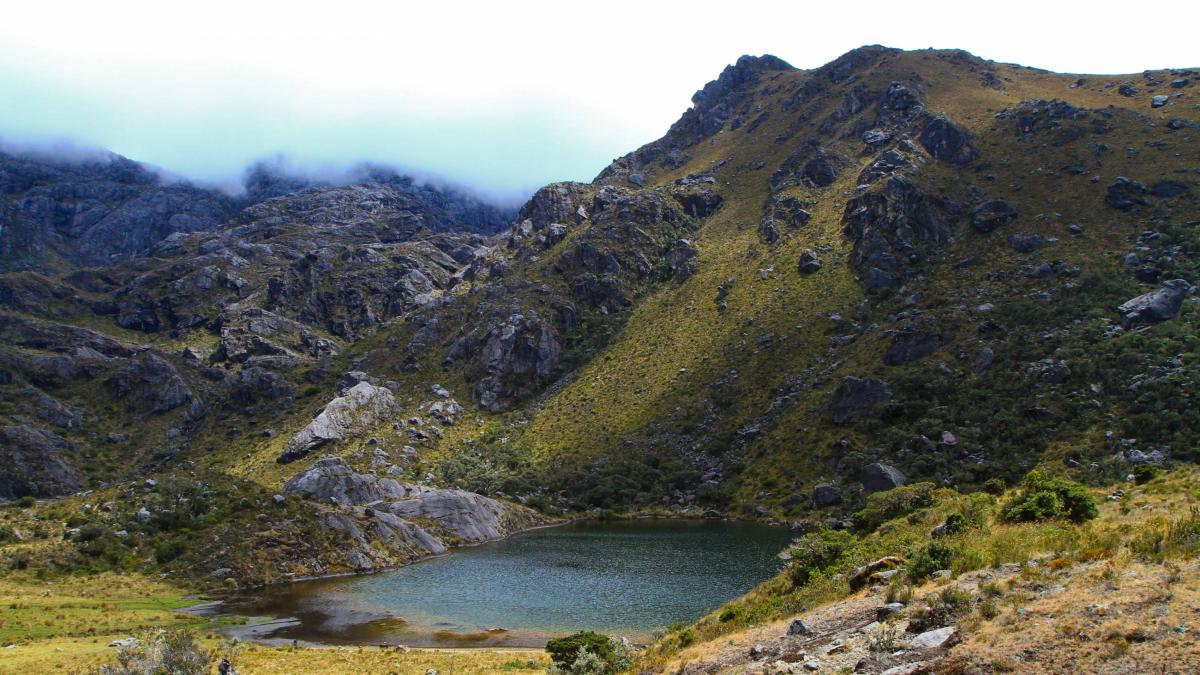
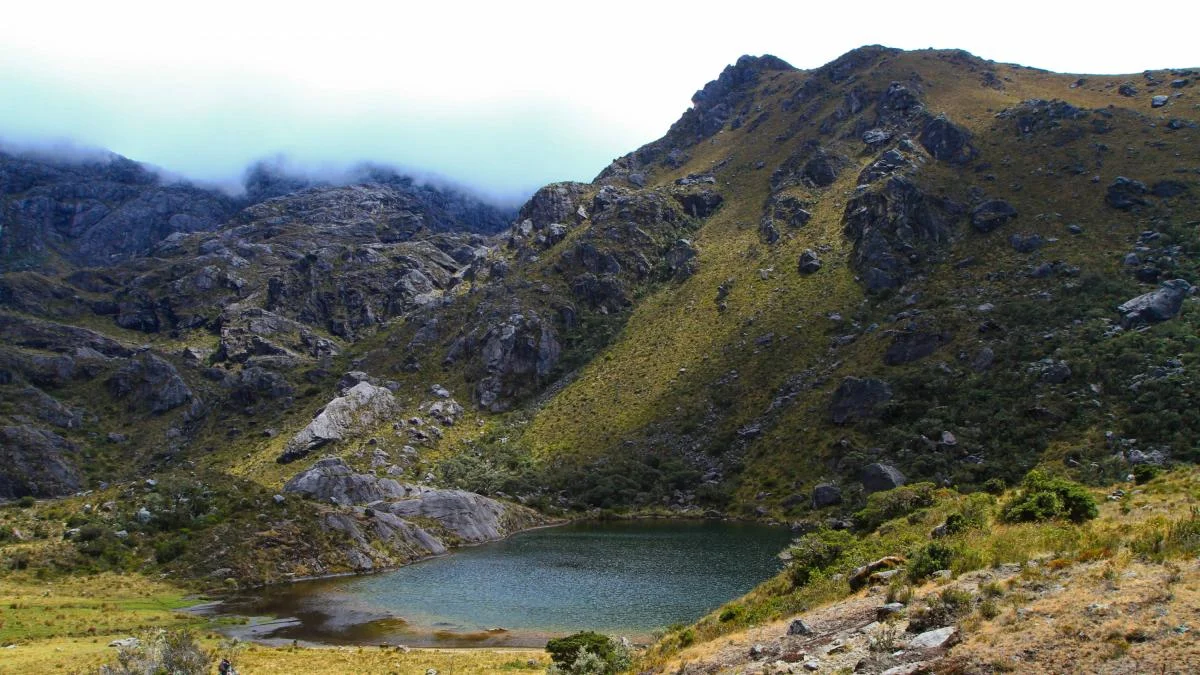
The policy, which represents the most significant shift in conservation management since the 2017 Constitutional Court ruling (Sentencia T-361), will face its first major test in the Jurisdicciones-Santurbán-Berlín páramo complex. By shifting from an "all-or-nothing" approach to a modular, area-by-area methodology, the government aims to finalize long-overdue protections while maintaining the rigorous participatory standards demanded by the high court.
The Core Mandate: Why "Progressive" Delimitation?
For years, the process of delimiting Colombia’s páramos—high-altitude ecosystems essential for the regulation of the national water supply—has been paralyzed by the sheer scale of the challenge. The Constitutional Court’s T-361 of 2017 mandated a process that was both scientifically robust and socially inclusive. However, in practice, the requirement for absolute consensus across entire, often vast, geographical complexes created a systemic bottleneck.

"We observed that in complex regions like Santurbán, municipalities would finish their participation phases at different times," a spokesperson for the Ministry noted. "This created a situation where those ready to commit to protection were held back by administrative delays in neighboring districts, preventing the formalization of legal boundaries."
Resolution 863 addresses this by allowing areas that have completed the mandatory concertation phases to advance legally, while dialogues continue in other zones. This ensures that the protection of the environment is not held hostage by the slowest moving administrative actor, without sacrificing the rights of local communities to be heard.

Chronology of a Crisis: From Judicial Order to Policy Shift
To understand the weight of this new resolution, one must look at the timeline of the Santurbán controversy:
- 2017: The Constitutional Court issues Sentencia T-361, declaring that the previous delimitation was flawed due to a lack of meaningful community participation. It orders a new process that must be grounded in both scientific data and human rights.
- 2018–2024: Years of intermittent negotiations, protests, and technical studies occur. The tension between environmentalists, who demand absolute exclusion of mining, and local populations, who rely on small-scale mining and agriculture, dominates the regional political discourse.
- 2025: The government establishes a "Temporary Reserve of Renewable Natural Resources" to halt new environmental threats while the complex technical studies are refined.
- July 2026: The Ministry issues Resolution 863, introducing the "progressive" framework and three new draft resolutions to solidify the protection of the Santurbán water system.
The Triple-Track Strategy: Protecting the Water Source
The Ministry of Environment has rolled out a three-pronged strategy currently open for public comment until July 29, 2026. These measures are designed to provide both immediate and long-term security for the ecosystem.
1. Progressive Delimitation of the Páramo Complex
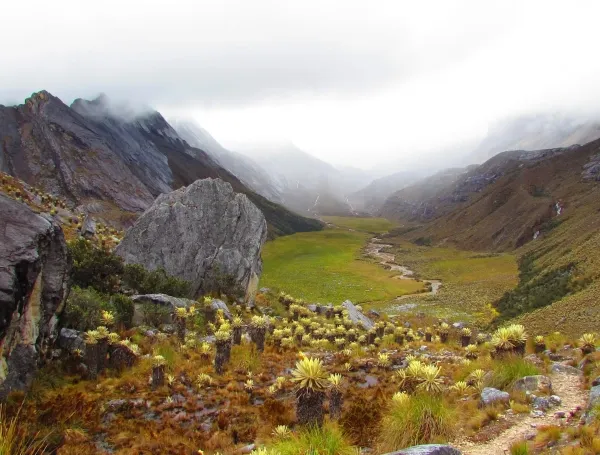
The government proposes the formal delimitation of 29,199.44 hectares across 19 municipalities that have already successfully negotiated the six "non-negotiable" themes established by the Court. Furthermore, the plan includes nine additional municipalities that, while not containing páramo land themselves, are direct beneficiaries of the water resources. This move highlights a "watershed-scale" view of conservation, acknowledging that the páramo’s value is intrinsically linked to the downstream communities it sustains.
2. The "La Baja" Permanent Reserve
A central component of the new strategy is the declaration of a "Definitive Reserve of Renewable Natural Resources" over 1,499.23 hectares in the La Baja ravine micro-basin (California, Santander). Based on research from the Colombian Geological Service and the IDEAM, the ministry concluded that this area is a critical node where páramo, high-Andean forest, and groundwater systems converge.
Under this new status, no new licenses or authorizations for medium or large-scale mining will be granted. Existing, legally consolidated rights will be respected, but the zone will effectively act as a permanent shield for the water supply of over 2.5 million residents in the Santander and Norte de Santander departments.
3. Strengthening and Extending the Temporary Reserve
The existing temporary reserve, created in 2025, is set to be updated and extended until March 4, 2029. By expanding the coverage to 75,432.42 hectares—incorporating roughly 88 hectares where mining legal statuses have recently shifted—the government aims to maintain a protective umbrella while the final technical and socio-economic studies are concluded.
Official Stance: Water Above All
Irene Vélez Torres, the acting Minister of Environment and Sustainable Development, has been clear about the ideological and practical framing of these policies. In her recent statement, she emphasized that the defense of the páramo is a non-partisan mandate of the State.
"The greatest responsibility we have as a State is to protect water," Vélez stated. "Water is not of the right or the left; it is for everyone. Protecting the Santurbán water star is an absolute legal duty."

Addressing the sensitive issue of mining, the Minister made a critical distinction between illegal, large-scale industrial operations and the traditional small-scale mining that has existed in these communities for generations. "These instruments do not ignore the reality of traditional small-scale mining or the formalization processes currently underway," she explained. "We are differentiating between established legal situations, formalization pathways, and the protection of our hydric systems."
However, the Ministry was equally firm regarding illegal mining, stating that the government will continue to use all legal mechanisms to dismantle activity led by armed groups or those operating outside the regulatory framework.

Implications for Stakeholders
For Local Communities
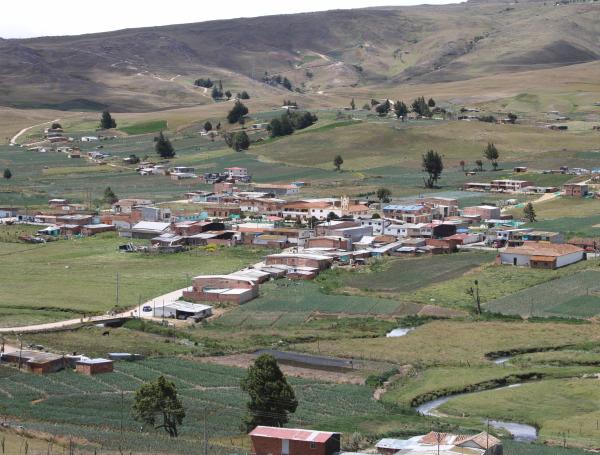
The "progressive" nature of the new resolution is a double-edged sword. While it allows for faster protection in areas where consensus has been reached, it also creates a patchwork of legal statuses across the páramo. Local leaders will need to remain vigilant to ensure that the "progressive" timeline does not lead to a loss of voice for those in the remaining, non-delimited zones.
For the Mining Industry
For large-scale operations, the writing is on the wall. The consolidation of the La Baja reserve and the extension of the temporary zones significantly narrow the window for new projects. The government’s emphasis on "legally consolidated situations" suggests that existing contracts will be honored, but the barrier to entry for new projects has been raised to an unprecedented level of scientific and social scrutiny.

For Scientific and Environmental Experts
The move is a victory for evidence-based policymaking. By integrating the findings of the IDEAM and the Geological Service into the legal drafting of the resolutions, the Ministry is attempting to insulate its decisions from future legal challenges—a common pitfall in previous attempts at delimitation.
Looking Ahead: A Critical Window for Participation
The period between July 14 and July 29, 2026, serves as a crucial window for public participation. The Ministry has committed to reviewing every submission from citizens, NGOs, and industry stakeholders before finalizing the resolutions.

As Colombia continues to navigate the climate crisis, the stability of the Santurbán ecosystem is not merely a regional concern but a national priority. By shifting to a model that balances judicial compliance, scientific integrity, and community reality, the government is attempting to move beyond the stalemate that has defined the last decade. Whether this "progressive" approach will satisfy both the ardent conservationists and the local populations remains to be seen, but the intent to finally secure the water security of 2.5 million citizens is now codified in a concrete, actionable roadmap.