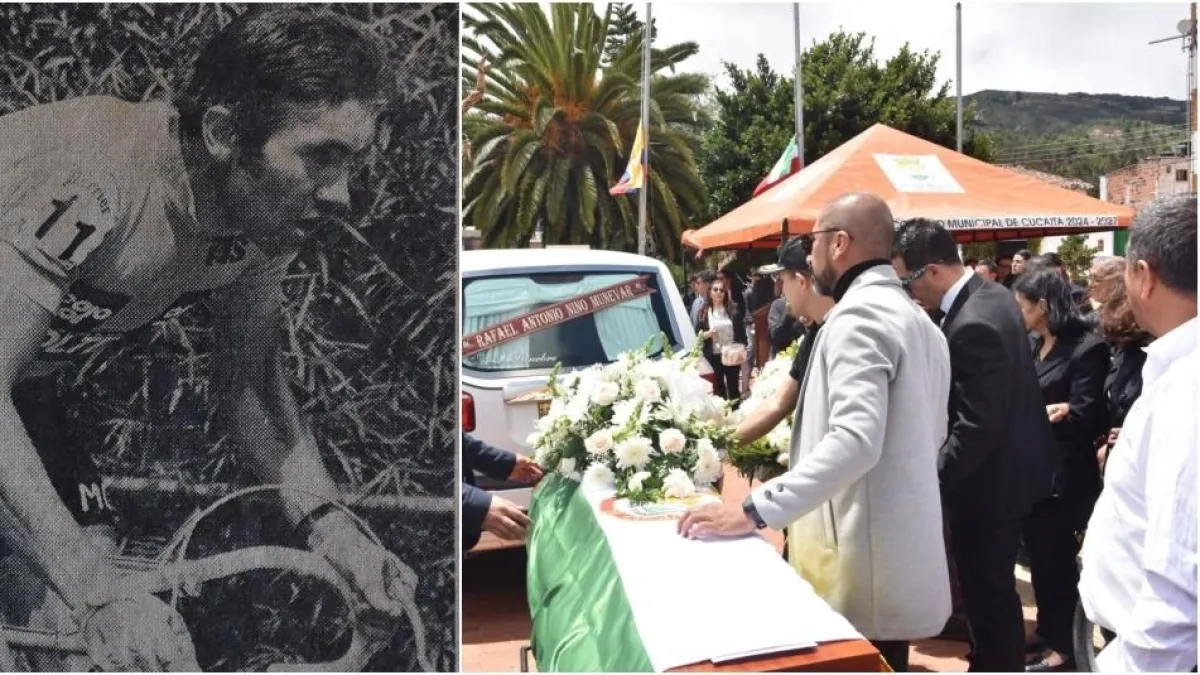
The world of Colombian cycling is in mourning. The sport has lost its most decorated titan, a man whose name is synonymous with the golden era of the "escarabajos": Rafael Antonio Niño Munévar. The six-time winner of the Vuelta a Colombia passed away last week in Tunja at the age of 76, following a battle with a pulmonary condition. His death marks the end of an era, closing the chapter on the life of a rider whose career defined the resilience, ambition, and grit of Colombian cycling.
A Legacy Written in Records
To understand the magnitude of Rafael Antonio Niño is to look at the history of the Vuelta a Colombia, the country’s most prestigious cycling race. Before the international acclaim of modern stars like Egan Bernal or Nairo Quintana, there was "The Niño from Cucaita."
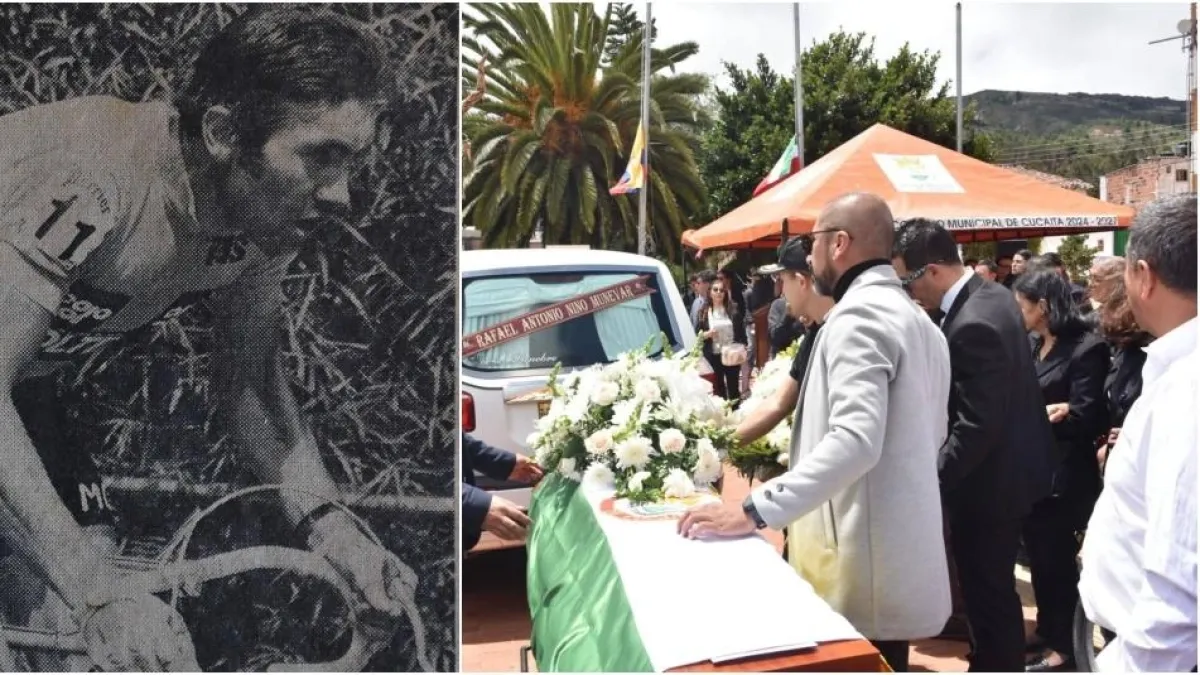
He remains the all-time record holder for the most overall titles in the history of the national giro, having claimed the crown in 1970, 1973, 1975, 1977, 1978, and 1980. His dominance was not merely about numbers; it was about style. He was a ruthless climber, a tactical genius, and a rider who approached the sport with an intensity that often intimidated his contemporaries.
From Humble Roots to the Summit: A Chronology
The story of Rafael Antonio Niño is the quintessential Colombian underdog narrative. Born on December 9, 1949, in the small town of Cucaita, Boyacá, he was a child of the mountains who dreamt of something greater than his rural surroundings.

The Escape to Ambition (1956–1965)
At the tender age of seven, displaying the same fierce independence that would later characterize his riding style, Niño left home. Without finishing primary school, he boarded a bus to Bogotá to live with his sister, Doris. His goal was simple: to work, study, and save enough money to buy a bicycle. In his youth, he had to pay 20 centavos just to rent a bike to get to school; he wanted one of his own.
He found work at a workshop called Taelectro, earning 350 pesos a month. By 1965, he had scraped together 450 pesos to buy a Philips bicycle. The city, however, demanded more. He took a job as a delivery boy for the Electra pharmacy, a position that would ironically become his training ground.
The Training Ground of Daily Life
Niño’s routine was brutal. He would wake at 4:00 a.m. to train on his bicycle before starting his workday, where he would continue pedaling across the city to deliver medical supplies. This physical grind forged a pair of legs that would soon dominate the national landscape.
His competitive debut came at the "Doble a Suba," where he finished 12th. By 1968, he had won the "Doble a Chusacá," a time-trial organized by the Club Ciclo Ases. The transition from a "touring" bicycle to a professional racing machine—a Benotto—led to his victory in the "Doble a Albán," the final push that secured his entry into the 1970 Vuelta de la Juventud.
The Breakthrough (1970)
The year 1970 was the year the legend was born. After winning the Vuelta de la Juventud, he entered the Vuelta a Colombia. The final stage from La Dorada to Bogotá was a cliffhanger. Gustavo Rincón led the general classification, with Niño trailing by one minute and two seconds.
In a display of tactical brilliance, Niño launched a ferocious attack on the climb toward the Alto de La Tribuna. He caught the breakaway rider Miguel Samacá, and together they pushed the pace, obliterating the field behind them. While Samacá took the stage win, Niño took the crown. He became the first rider in history to win both the youth and adult versions of the race in the same year—a feat matched only by legends like Oliverio Rincón and Diego Camargo later in the century.
The European Interlude and Return
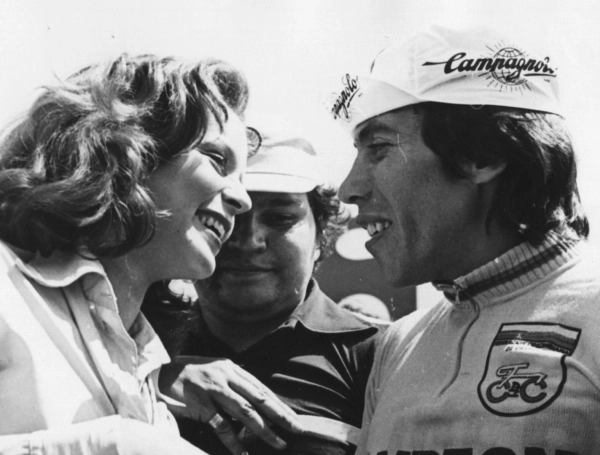
In 1973, after his second Vuelta title, Niño signed with the Italian team Jolly Ceramica. He was sent to Europe to test his mettle against the best in the world. He participated in the 1974 Giro d’Italia, working primarily for his leader, Giovanni Battaglin.
However, the European experience was short-lived. Niño struggled with the cultural and tactical demands of European racing, where he was often relegated to a support role. He returned to Colombia, convinced that his future lay in being a leader, not a domestique. His return changed the landscape of the sport in Colombia forever, as he brought back professional standards and an uncompromising work ethic.
Professional Insights: A Master of the Road
Journalist Héctor Urrego, a chronicler of the sport, noted that Niño was a "super-gifted" athlete who changed the way the country raced. "When he returned from Europe, he professionalized the approach. He didn’t just win; he dominated," Urrego remarked.
His later career saw him transition from the saddle to the team car. In 1987, as the manager of the Café de Colombia team, he guided the legendary Luis "Lucho" Herrera to victory in the Vuelta a España. His tactical mantra was simple: "If they want to break our legs on the flat, we will break theirs in the mountains."
Character and Legacy
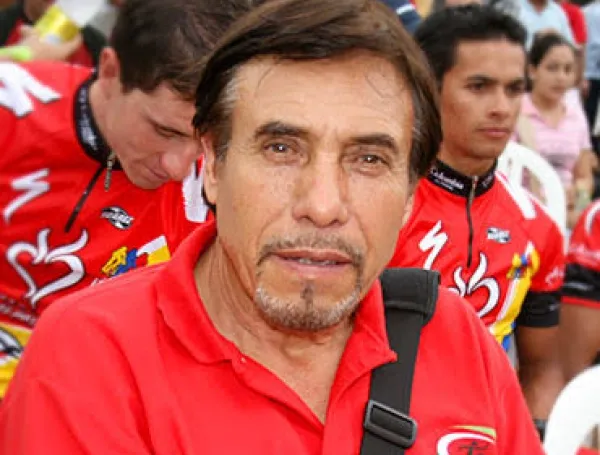
Despite his fame, Niño was known as an intensely private and, at times, difficult man. His peers, such as rival Josè Patrocinio Jiménez, described him as a "monstrous talent" with a "hard, reserved personality."
"He was my marriage godfather," Jiménez recalled. "Much of what I achieved as a cyclist, I owe to him. He was a mentor. He was stern, and he had a character that commanded respect throughout the entire peloton."
Implications for the Future
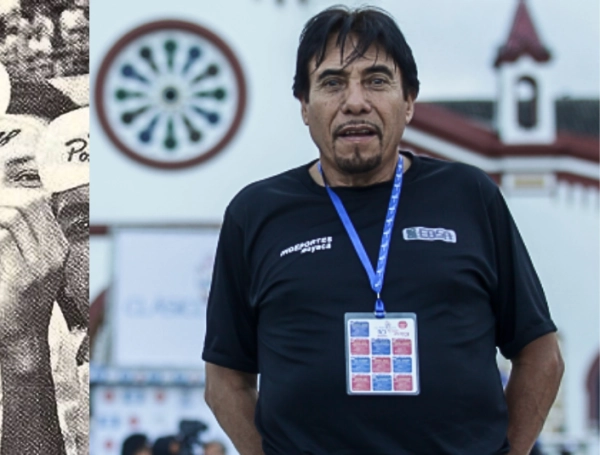
The passing of Rafael Antonio Niño serves as a poignant reminder of the roots of Colombian cycling. While the sport has moved into the era of big-budget WorldTour teams and massive international sponsorships, the spirit of the "escarabajos" remains tethered to the grit shown by pioneers like Niño.
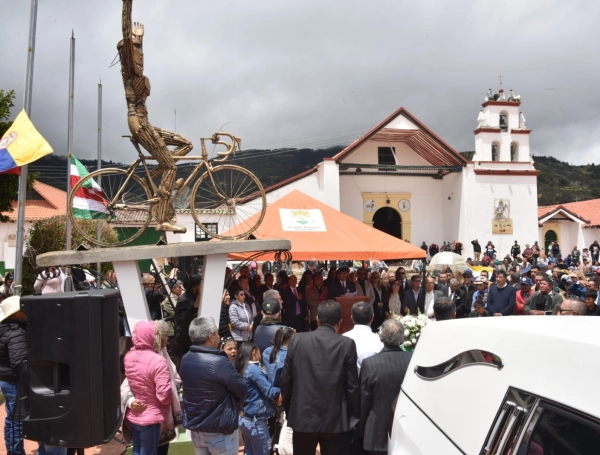
His death has triggered an outpouring of tributes from the Colombian Cycling Federation, fellow athletes, and the town of Cucaita, where he was recently honored in the main park. The void he leaves is not just one of a champion, but of a bridge to a time when cycling was the heartbeat of a nation striving for identity on the global stage.
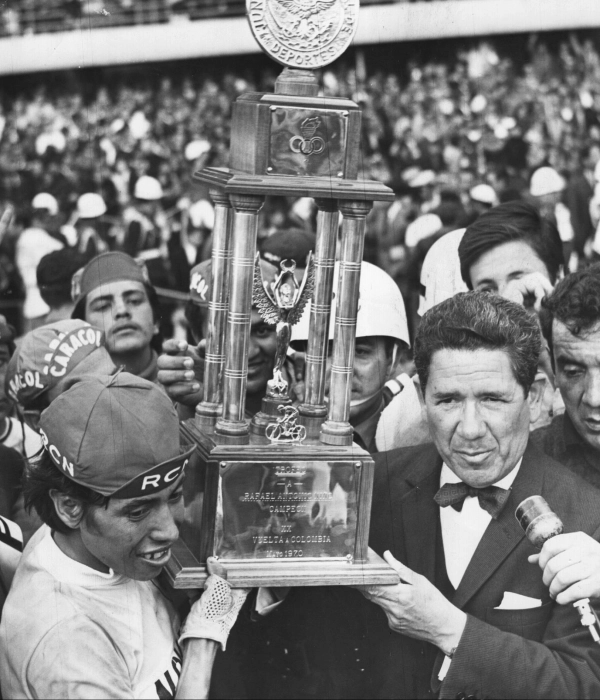
As the cycling world says goodbye to "El Niño de Cucaita," it does so with the knowledge that his records may one day be challenged, but his status as the foundational pillar of Colombian cycling history is secure. He died as he lived: a figure of immense strength, leaving behind a legacy that will inspire generations of climbers to come.
Rest in peace, Rafael Antonio Niño. The mountains you conquered will forever echo your name.