By Edwin Caicedo | Environmental and Health Correspondent
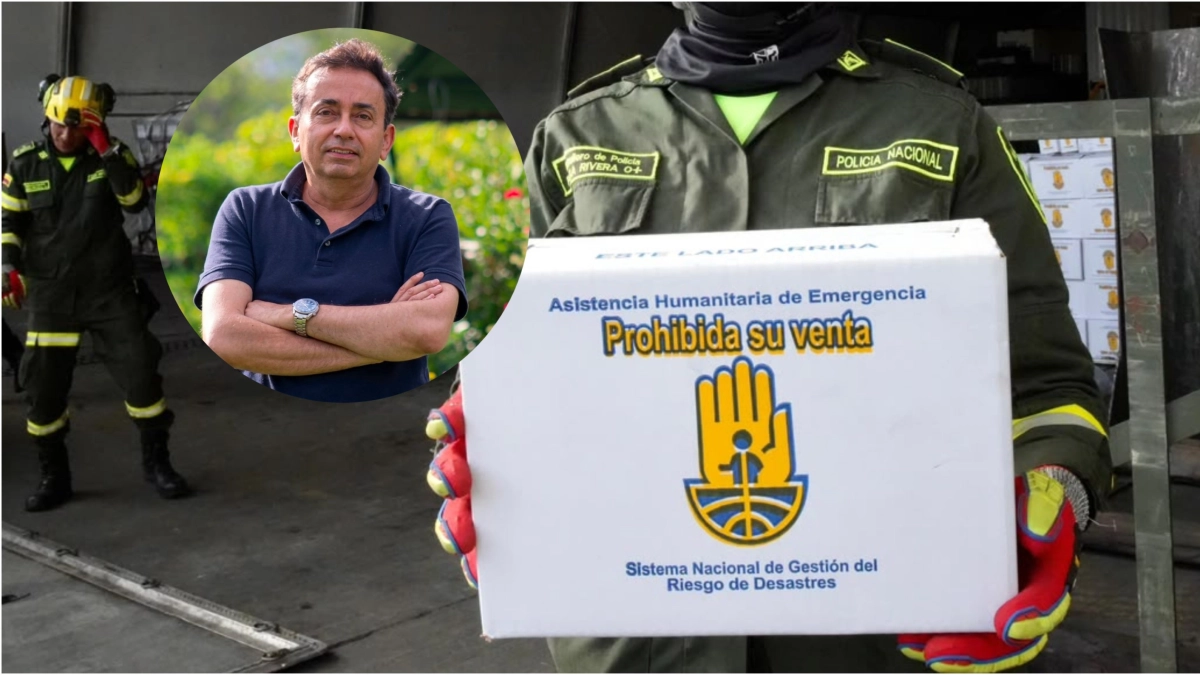
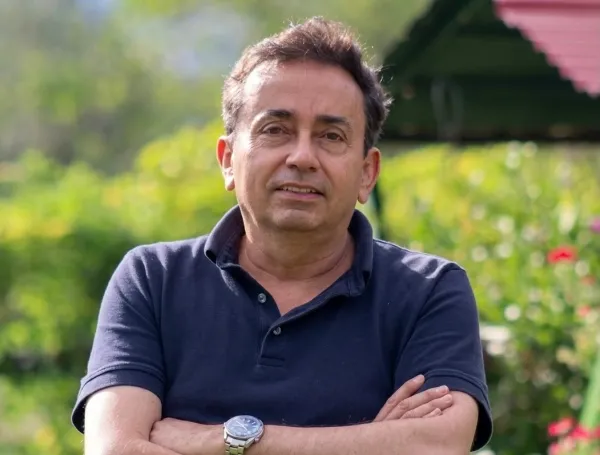
In the wake of a recent, devastating earthquake in Venezuela and the looming arrival of the 2026-2027 El Niño climate phenomenon, Colombia stands at a precarious crossroads. As the incoming administration of President-elect Abelardo de la Espriella initiates plans to reorganize the National Unit for Disaster Risk Management (UNGRD), experts are sounding a sharp alarm. Juan Carlos Orrego, a veteran in international risk management and former deputy director of the UNGRD, warns that fragmenting the nation’s primary disaster response mechanism without a rigorous technical foundation could be a catastrophic error.
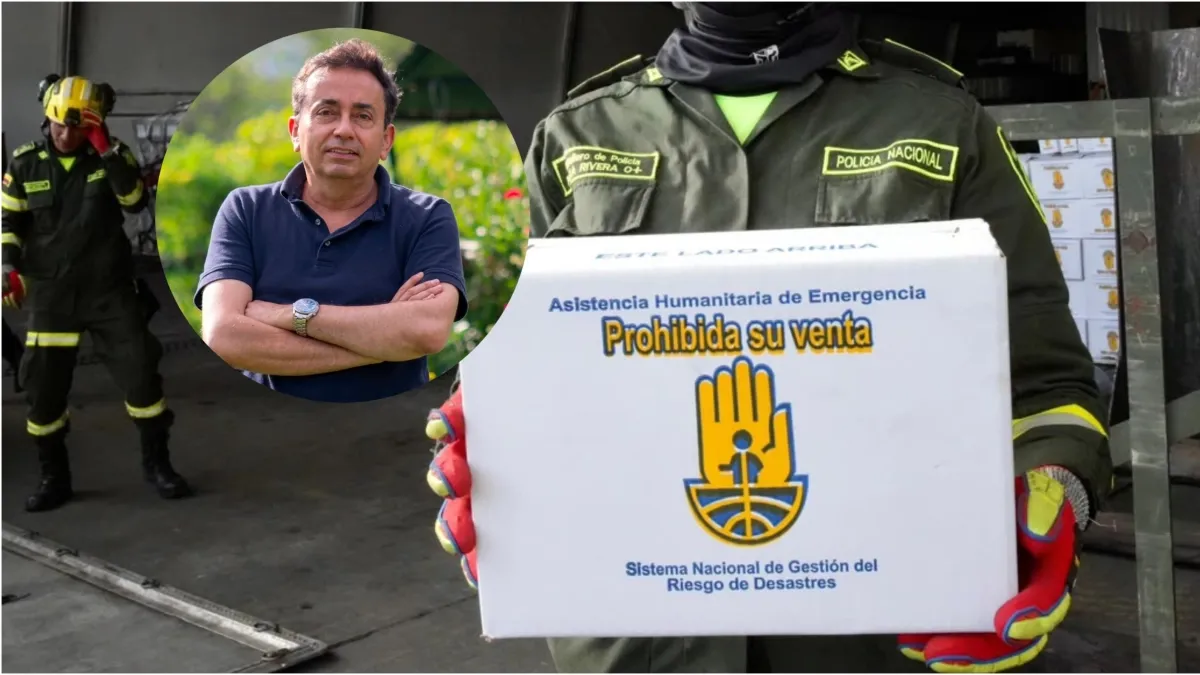
For Colombia, a country characterized by its complex geography and high vulnerability to natural phenomena, the debate over the UNGRD is not merely administrative; it is a matter of national security.
The Impending Crisis: A Convergence of Threats
The warning from Orrego comes at a time when the region is grappling with the tangible realities of climate change and seismic instability. The recent seismic event in neighboring Venezuela served as a stark reminder of the geological fragility shared by both nations. With scientific agencies confirming the onset of El Niño for the 2026-2027 cycle, the state’s capacity to prevent, mitigate, and recover from disasters is set to face its most grueling test in recent history.

"The country does not face isolated or occasional threats; it faces permanent, multifaceted risk scenarios," says Orrego, who currently directs the Colombia sin Desastres corporation. He argues that the national discourse has become dangerously reductive, focusing on the political fallout of recent corruption scandals within the UNGRD rather than on the institutional architecture required to manage systemic, long-term risks.
A Historical Chronology of Vulnerability
To understand the stakes, one must look at the historical trajectory of disaster management in Colombia. Over the last two decades, the nation has been forced to pivot from crisis to crisis, highlighting the indispensable role of a robust, centralized disaster management authority.
- 2010-2011: The Great Winter. A catastrophic rainy season resulted in over 3.2 million victims and necessitated an investment of 11 trillion pesos to manage the aftermath.
- 2017: The Mocoa Tragedy. A massive mudslide claimed the lives of 330 people and displaced over 22,000, underscoring the lethal cost of inadequate urban planning and early warning systems.
- 2020: The COVID-19 Pandemic. The UNGRD played a pivotal role in logistics and emergency coordination during a global health crisis that resulted in over 142,000 deaths and a 7.2% contraction in GDP.
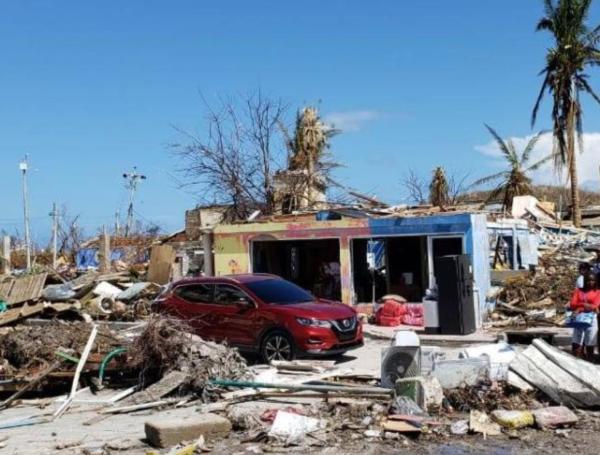
- 2020-2021: Hurricanes Eta and Iota. The destruction of San Andrés and Providencia required an unprecedented reconstruction effort, costing approximately 1.6 trillion pesos.
- 2021-2023: Widespread Flooding. Continued climate volatility affected over a million citizens, requiring state intervention estimated at 20.3 trillion pesos.
- 2026: The Recent Cold Front. The current year has already seen 252,000 people affected by severe weather, with state expenditures reaching 8.2 trillion pesos.
These events, documented in reports from the CEPAL, the Inter-American Development Bank (IDB), and various CONPES documents, reveal a pattern: the financial and human cost of disasters is trending upward, necessitating a more—not less—sophisticated institutional response.
Structural Fragility: Beyond the Corruption Scandal
While the corruption scandals that have plagued the UNGRD are undeniable and deeply damaging to public trust, Orrego warns against "throwing the baby out with the bathwater." The core issue, he posits, is "mission creep."
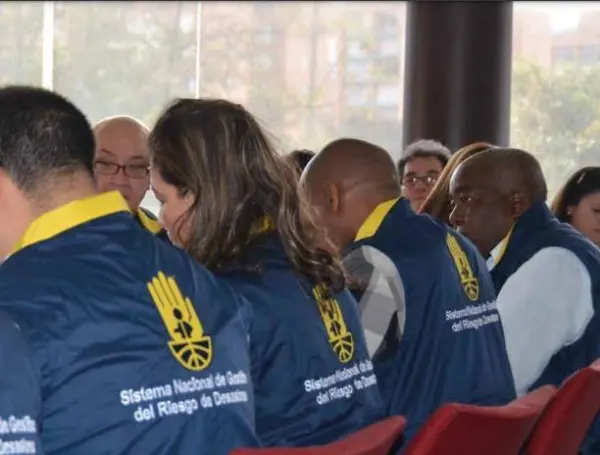
Over the years, the UNGRD has drifted from its original mandate—which was to act as a rector of public policy, a coordinator of the National System, and a provider of technical capacity—toward becoming an executor of civil works. When a policy-making body begins to act primarily as a construction contractor, it inevitably encounters political pressure, creating the fertile ground where corruption thrives.
"When an institution created to govern public policy ends up acting primarily as a project executor, it loses its strategic capacity and weakens the legitimacy of the function it represents," Orrego explains. "Corruption was the consequence; the displacement of the mission was the cause of the ills."

The Economic and Social Toll of Inaction
The data supporting the need for a stronger, more specialized agency is overwhelming. According to the Ombudsman’s Office (Defensoría del Pueblo), December 2025 saw a staggering 4,100 forest fire hotspots across the country—nearly triple the number recorded in the same month of the previous year.
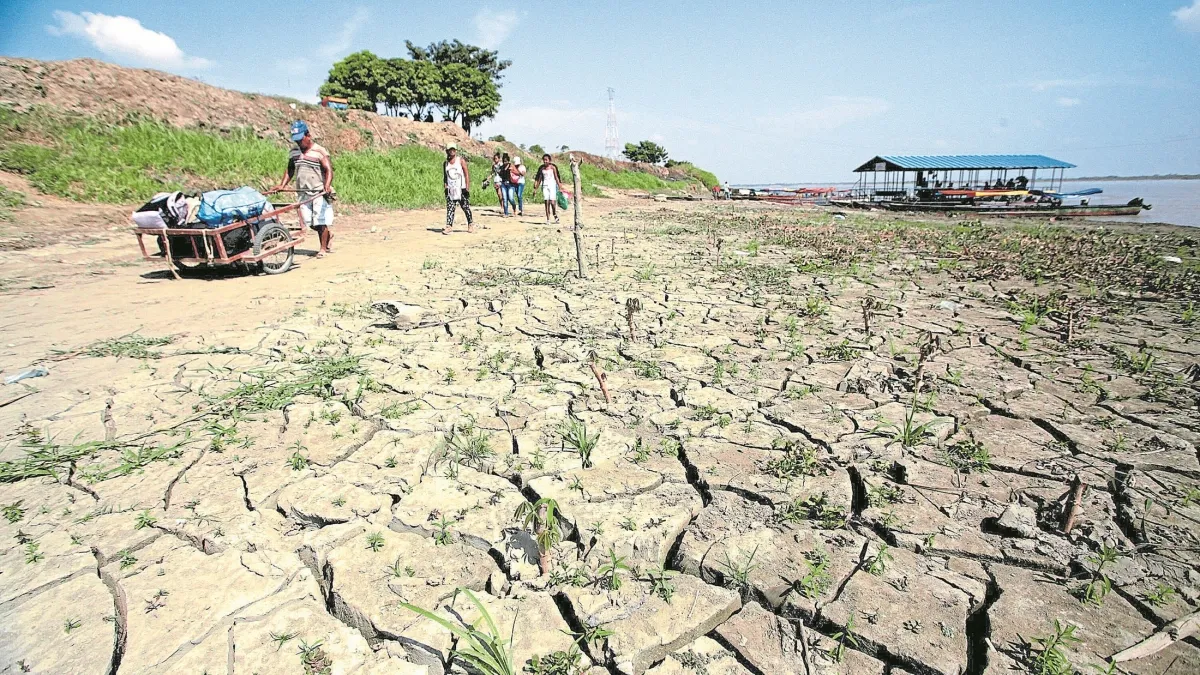
Furthermore, roughly 12 million Colombians currently live in states of moderate or severe food insecurity. The expected drought associated with the upcoming El Niño is projected to exacerbate these conditions, threatening not just livelihoods but the very stability of the rural economy.
Key vulnerabilities identified by experts include:
- Energy Dependency: The high reliance on hydroelectric generation makes the national grid highly susceptible to water shortages.
- Gas Scarcity: A reduction in domestic gas reserves limits the ability to transition away from hydropower during dry spells.
- Water Infrastructure: Many municipal aqueducts remain fragile, unable to withstand prolonged droughts.
- Agricultural Output: The primary sector, a pillar of the Colombian economy, faces existential risks due to climate-induced crop failure.
Toward a New Generation of Disaster Governance
Orrego proposes a fundamental shift in how the state handles disaster risk. Rather than dismantling the UNGRD, he advocates for a five-pillar transformation:
- Segregation of Functions: Clearly separate the political and strategic "governance" functions of the agency from the "execution" of civil contracts.
- Territorial Empowerment: Strengthen the financial, technical, and operational capabilities of municipalities and departments, ensuring they can handle first-line responses effectively.
- National Recovery Mechanism: Establish a dedicated, transparent vehicle for post-disaster recovery, removing the need for ad-hoc, high-risk, emergency contracting.
- Transparency Reforms: Implement rigorous, high-standard procurement protocols specifically for emergency scenarios, leveraging digital tracking and independent oversight.
- Institutionalized Evaluation: Utilize science-based indicators to measure the impact of investments, ensuring that money spent on mitigation actually translates into lives saved.
Conclusion: The Danger of Political Expediency
As President-elect De la Espriella moves toward his inauguration, the pressure to demonstrate "change" is high. However, in the realm of disaster management, change for the sake of optics can be fatal.
The history of Colombia is written in its response to the earth’s tremors, the sky’s tempests, and the changing climate. The lessons of the past three decades suggest that a decentralized, weak, or fragmented system will only serve to leave the most vulnerable citizens exposed to the next inevitable catastrophe.
"Any reform that does not stem from a rigorous technical evaluation of our history will likely be a prisoner of the political moment," warns Orrego. For a nation that sits on the Pacific Ring of Fire and lies in the path of the Amazon’s climate volatility, the future of the UNGRD is not a bureaucratic detail—it is the shield that stands between the population and the next disaster. Strengthening that shield, rather than breaking it, is the true test of the next administration.