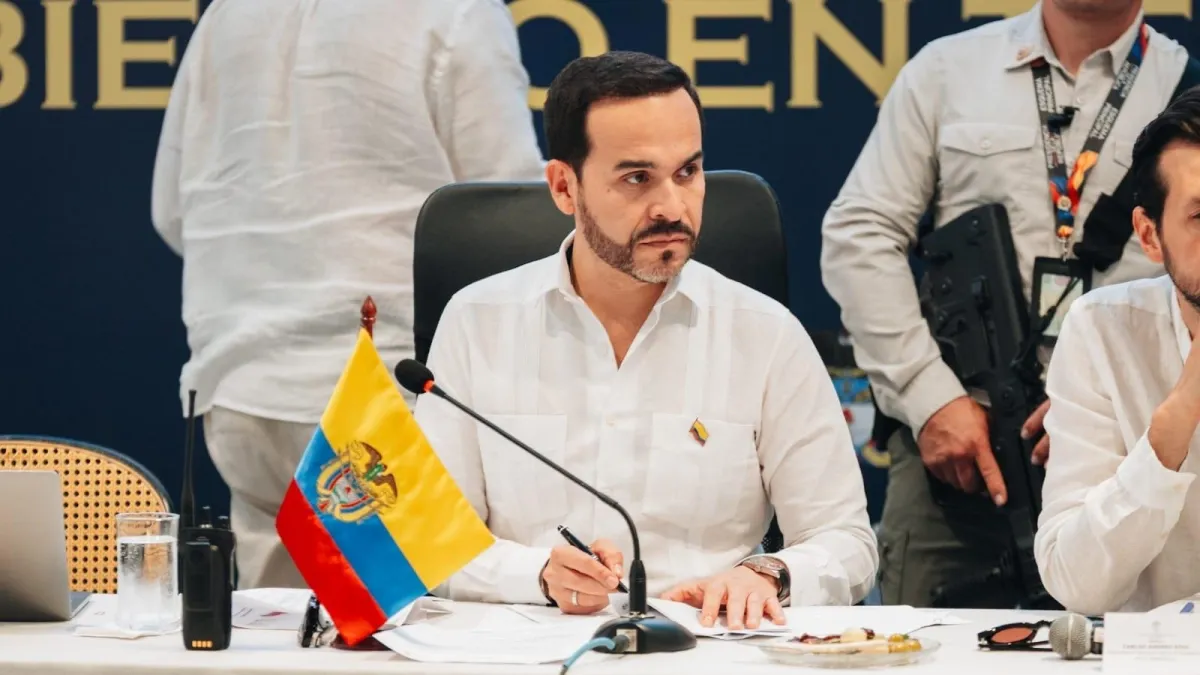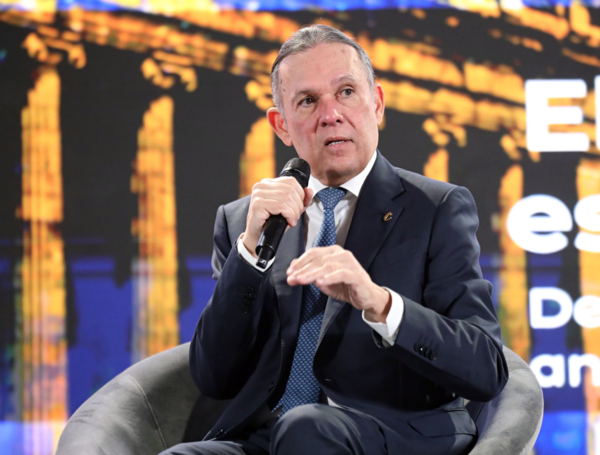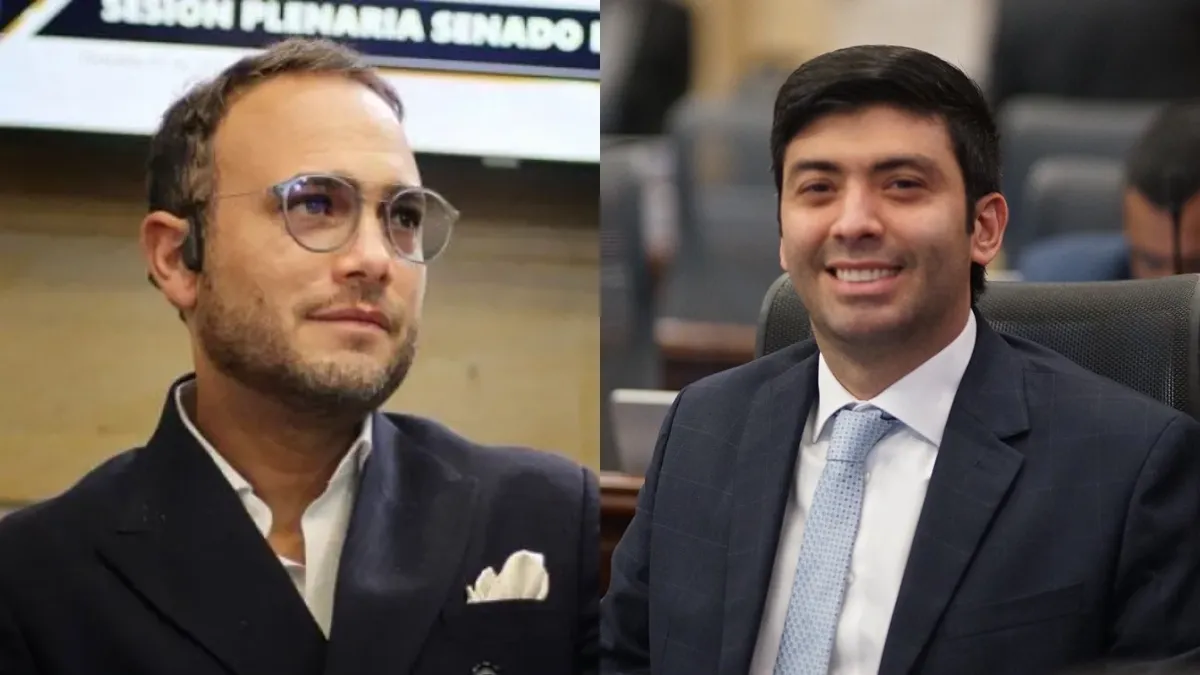
BOGOTÁ, Colombia – July 16, 2026 – Just days before the official inauguration of a new legislative period, President-elect Abelardo De La Espriella’s incoming administration is confronting its inaugural, and potentially most formidable, political challenge: securing the presidency of the Senate. While a consensus appears to have been forged in the Chamber of Representatives, where Conservative Nicolás Barguil is slated to assume the leadership for the first year, the upper house of Congress remains a battleground. Deep divisions persist within De La Espriella’s own governing coalition regarding the Executive’s preferred candidate, Alfredo Deluque of the Partido de la U, to helm the Senate from 2026 to 2027 – a period traditionally deemed critical for advancing a new government’s ambitious reform agenda.
The intensity of this nascent power struggle was starkly underscored by the designated Minister of Interior, Rodrigo Lara, whose categorical rejection of a potential scenario involving the Centro Democrático (CD) has sent ripples across the political spectrum. Lara openly expressed his disbelief at the prospect of the CD pushing for a "clean vote" in the Senate plenary, arguing that such a move would "inexorably" lead to an alliance with the government of former President Gustavo Petro and his Pacto Histórico bloc. This pointed declaration not only highlights the fragility of De La Espriella’s nascent coalition but also sets a tense precedent for the legislative battles that lie ahead.
Main Facts: A Looming Legislative Battle for De La Espriella
The political atmosphere in Bogotá is thick with anticipation and tension as President-elect Abelardo De La Espriella prepares to take office. His administration, poised to navigate a complex legislative landscape, is already facing its first significant test of strength and cohesion within the hallowed halls of Congress. The dispute over the leadership of the Senate, a body instrumental in the approval and shaping of national policy, has quickly escalated from internal coalition discussions into a public display of discord.
President-Elect’s First Major Hurdle
Abelardo De La Espriella, a figure widely recognized for his legal acumen and conservative ideology, ascended to the presidency on a platform that likely promised stability, economic growth, and a distinct departure from the policies of the preceding administration. However, the efficacy of his mandate hinges significantly on his ability to command a loyal and unified legislative branch. The battle for the Senate presidency is not merely a procedural matter; it is a critical litmus test for the cohesiveness of his governing coalition and his administration’s capacity to shepherd its foundational reforms through Congress. A misstep at this initial stage could severely undermine his authority and set a difficult tone for his entire four-year term. The first year of any presidential mandate is crucial for setting the legislative agenda, securing initial wins, and demonstrating political momentum. The person holding the gavel in the Senate wields immense power over this process, from setting the legislative calendar to influencing committee assignments and floor debates.
The Contested Senate Presidency
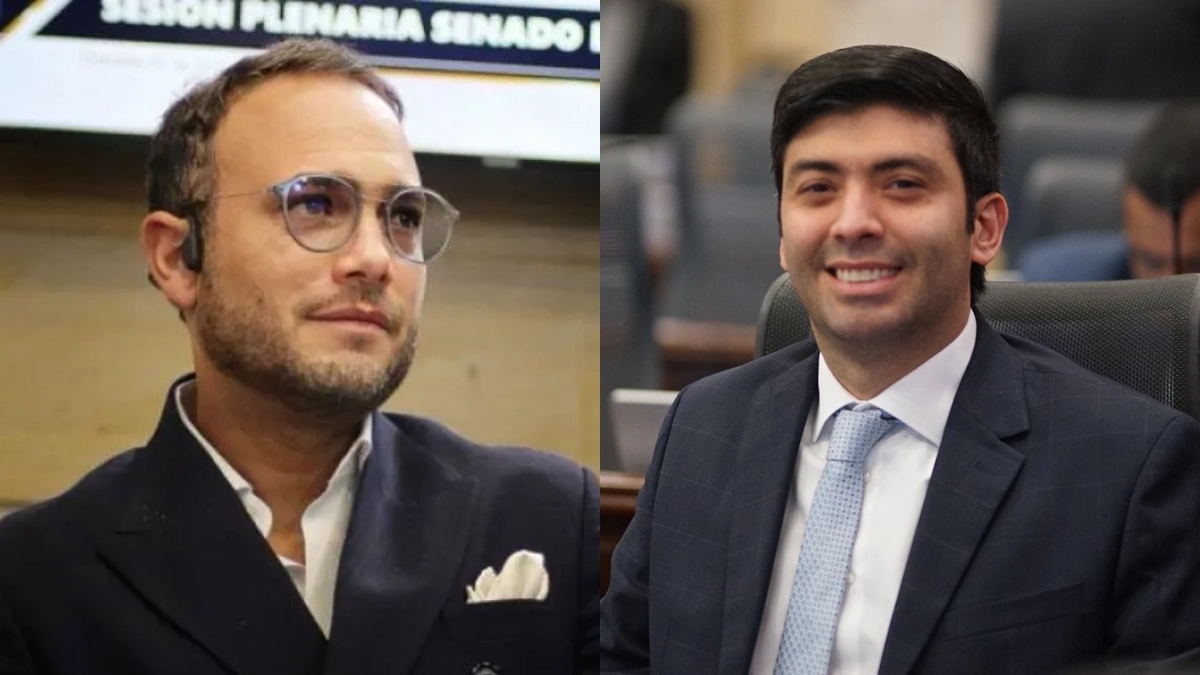
At the heart of the current political imbroglio is the contest for the Senate presidency. The Executive, under De La Espriella, has clearly signaled its preference for Alfredo Deluque, a seasoned legislator from the Partido de la U. This choice, however, has been met with staunch opposition from within De La Espriella’s own political family, specifically the Centro Democrático. The CD, historically the political vehicle of former President Álvaro Uribe Vélez and arguably the most influential right-wing bloc, contends that the presidency of the Senate, particularly for the critical first year, rightfully belongs to them. Their argument is rooted in their status as the most numerous bench among the parties aligned with the President-elect. They have put forward their own candidate, Honorio Henríquez, a senator known for his unwavering loyalty to the Uribista doctrine.
Rodrigo Lara’s Stern Warning
The gravity of the situation was amplified by the public remarks of Rodrigo Lara, the designated Minister of Interior. Speaking on the sidelines of crucial inter-party meetings, Lara did not mince words. He expressed profound reluctance to accept the possibility that the Centro Democrático would insist on a "voto limpio" – a clean vote – in the plenary session of the Senate. His reasoning was stark and direct: such a move, he argued, would "inexorably, impajaritablemente" (unavoidably, definitively) necessitate an alliance with the political forces of former President Gustavo Petro and the Pacto Histórico. This statement is a thinly veiled warning, a strategic pronouncement designed to pressure the Centro Democrático into reconsidering its confrontational stance. Lara’s intervention underscores the high stakes involved, suggesting that the CD’s tactical maneuver could inadvertently empower the very opposition it traditionally opposes, thereby jeopardizing the unity and effectiveness of the new government’s legislative agenda.
Chronology of a Tense Transition
The unfolding drama over the congressional presidencies has been a multi-day saga, punctuated by intense closed-door negotiations and increasingly public displays of disagreement. What began as a routine process of power-sharing within a nascent coalition has quickly devolved into a test of wills and political calculations.
The Initial Blueprint: Barguil for the House, Deluque for the Senate
The initial stages of forming the new congressional leadership appeared, at least superficially, to be progressing with a degree of consensus. Early discussions among the "compromisarios" – the designated negotiators from each political party – seemed to outline a clear path forward for the Chamber of Representatives. Nicolás Barguil, a prominent figure from the Partido Conservador and known for his close ties to President-elect De La Espriella, quickly emerged as the favored candidate for the Chamber presidency for the first year. This particular agreement seemed to be a smooth initial win for the incoming administration, suggesting a foundational alignment among key conservative forces.

However, the tranquility of the lower house negotiations stood in stark contrast to the brewing storm in the Senate. Here, the President-elect’s preference for Alfredo Deluque, despite his backing from several key parties within the coalition (Partido Conservador, Cambio Radical, Partido de la U, and Salvación Nacional), encountered a formidable obstacle in the Centro Democrático. The CD, viewing itself as the ideological cornerstone and numerical powerhouse of the new government, felt strongly that the Senate presidency was its rightful claim, challenging the Executive’s proposed arrangement.
Centro Democrático’s Defiance and the "Clean Vote" Gambit
The Centro Democrático’s resistance was immediate and unyielding. Insisting on its prerogative as the largest pro-government bloc, the Uribista party maintained that the Senate presidency should be occupied by its own candidate, Senator Honorio Henríquez. Henríquez, a staunch conservative and long-time loyalist to the CD’s foundational principles, represents the party’s desire to exert maximum influence over the legislative process from the outset.
Further escalating the tension, the Centro Democrático proposed a "voto limpio" – a direct, open vote in the full plenary session of the Senate – to decide the presidency. This strategic gambit, while seemingly democratic, is a high-risk, high-reward maneuver. In a scenario where the governing coalition cannot agree on a single candidate, a "voto limpio" opens the door for independent and opposition parties to become kingmakers. Crucially, it could empower the Pacto Histórico, the left-wing bloc led by former President Gustavo Petro, which commands a significant 26 seats – nearly a quarter of the Senate. The CD’s calculation, if it truly intends to pursue this path, would be a daring challenge to De La Espriella’s authority, potentially forcing him to accept a Senate president not of his choosing.
High-Stakes Negotiations at the Grand Hyatt
The gravity of the situation necessitated a series of intense, often fraught, meetings. The Hotel Grand Hyatt in western Bogotá became the epicenter of these high-stakes negotiations, hosting the "compromisarios" tasked with brokering agreements on congressional leadership and the allocation of constitutional and legal commissions. On what was the third day of these critical discussions, the atmosphere was palpably tense.
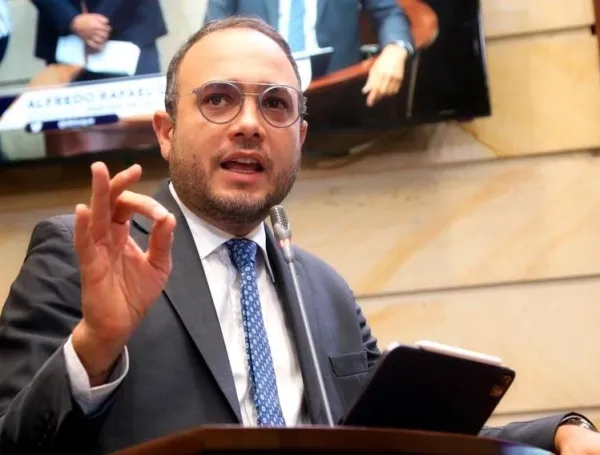
Sources privy to the discussions, speaking to EL TIEMPO, described a particularly acrimonious meeting between representatives of the Centro Democrático and the Partido de la U. The dialogue was reportedly strained, marked by entrenched positions and a notable absence of flexibility from either side. By the close of this pivotal encounter, no agreement had been reached, signaling a deepening impasse rather than a path to resolution. As the day progressed, the discussions broadened to include representatives from the other political collectivities within the coalition. However, the expanded forum did little to alleviate the tension. By the time this edition went to print, a consensus on who would preside over the Senate for the crucial first year remained elusive, leaving the incoming government’s legislative foundation precariously uncertain.
The Public Spat: Social Media Ablaze
The internal fissures within the nascent governing coalition were not confined to the discreet meeting rooms of the Grand Hyatt. As the day wore on and frustrations mounted, the debate spilled over into the public arena, particularly on social media. The Uribismo, represented by the Centro Democrático, wasted no time in making its disagreements with the incoming De La Espriella administration public. Posts and statements from CD leaders and their allies began circulating, marking the first overt signs of internal strife within what was expected to be a unified political front. This public airing of grievances further highlighted the depth of the division and added another layer of pressure on the negotiating parties, transforming a private power struggle into a publicly observed crisis.
Supporting Data: The Political Chessboard
Understanding the current standoff requires a deeper look into the political landscape, the key figures involved, and the strategic implications of their past actions and current positions. The Colombian Congress is a complex mosaic of ideologies and allegiances, and the battle for its leadership is a meticulous game of chess.
The Arithmetic of Power: Senate Composition
The composition of the Senate is crucial to understanding the Centro Democrático’s "voto limpio" strategy and its potential ramifications. With 108 seats, any majority requires a minimum of 55 votes. The Centro Democrático, while being the largest bloc within the pro-government coalition, does not hold an absolute majority on its own. The combined strength of the Partido Conservador, Cambio Radical, Partido de la U, and Salvación Nacional, along with other sectors close to De La Espriella, suggests that Deluque likely possesses a numerical advantage if the coalition holds firm. However, the CD’s insistence on its own candidate, Honorio Henríquez, and its willingness to push for a "voto limpio" indicates a belief that they can either fracture this pro-Deluque bloc or, more audaciously, secure external support.

The true wildcard in a "voto limpio" scenario is the Pacto Histórico. With a formidable 26 seats, this left-leaning bloc holds significant sway. While ideologically opposed to the Uribismo and the conservative platform De La Espriella represents, the complexities of congressional politics often lead to unexpected alliances. Should the CD’s candidate, Honorio Henríquez, enter a direct contest against Deluque, the votes of the Pacto Histórico could become decisive. This potential scenario, where the far-right Uribismo might rely on the far-left Petrismo to achieve a legislative victory, underscores the deep irony and pragmatic, often unsettling, nature of parliamentary maneuvering.
Alfredo Deluque: A Divisive Figure from the Past
Alfredo Deluque’s candidacy for the Senate presidency is not without its historical baggage, a factor that the Centro Democrático has been quick to exploit. Critics from the Uribista camp have resurrected Deluque’s past political affiliations, particularly his perceived closeness to former President Juan Manuel Santos. Santos, a figure often at odds with Uribe, particularly over the peace process with the FARC, remains a controversial personality for the CD. Deluque’s tenure as President of the Chamber of Representatives, during which he facilitated the legislative processing of projects related to the peace agreement, is cited as evidence of his alignment with a political agenda that the Centro Democrático vehemently opposed.
Furthermore, the CD has scrutinised Deluque’s voting record during the previous administration of Gustavo Petro. They point to his favorable votes on emblematic initiatives such as Petro’s tax reform and the "paz total" law – policies that were anathema to the conservative and right-wing opposition, including the Centro Democrático. These past actions, while potentially demonstrating legislative pragmatism or alignment with certain aspects of the previous government, are now being used as ammunition by the CD to paint Deluque as an unreliable or ideologically inconsistent choice for the Senate’s top post, especially for an administration seeking a clear break from the past.
Honorio Henríquez: The Uribista Standard-Bearer
In stark contrast to Deluque, Honorio Henríquez embodies the unwavering principles of the Centro Democrático. As a long-standing senator, Henríquez is a known quantity, a reliable vote, and a vocal proponent of Uribista policies. His candidacy represents the CD’s desire for a loyalist at the helm of the Senate, someone who would actively champion the party’s agenda and ensure that the legislative branch reflects the core tenets of the Uribista movement. For the Centro Democrático, having Henríquez as Senate president would not only be a symbolic victory but also a strategic one, providing them with a powerful platform to influence legislation and assert their dominance within the new government. His selection would signify that despite De La Espriella’s own leadership, the spirit and influence of Uribismo remain paramount in the legislative branch.

The Pacto Histórico’s Unlikely Kingmaker Role
The potential for the Pacto Histórico to become a pivotal player in this internal coalition dispute adds a layer of unexpected complexity. Despite being the primary ideological adversary of both the Centro Democrático and, by extension, the incoming De La Espriella administration, their 26 Senate seats could be the deciding factor in a "voto limpio" scenario. While a direct alliance between the Uribistas and the Petristas might seem politically unthinkable, the history of Colombian congressional politics is replete with pragmatic, short-term tactical alliances driven by immediate legislative objectives. For the Pacto Histórico, supporting a CD candidate against De La Espriella’s preferred choice could be a strategic move to sow discord within the new government, weaken its initial legislative push, or simply demonstrate their own power as an opposition force. The irony of the far-right potentially relying on the far-left to achieve a key legislative victory would be a significant narrative shift in Colombian politics.
The House of Representatives: A Different Narrative
Amidst the turmoil in the Senate, the discussions regarding the leadership of the Chamber of Representatives present a comparatively calmer picture. The initial agreement, reached during the second day of meetings, solidified the understanding that the first year of the Chamber’s presidency would fall to the Conservative Party. Nicolás Barguil, a figure whose proximity to President-elect De La Espriella is well-established, emerged as the leading candidate. While yesterday’s session for the Chamber also witnessed moments of high tension, these were primarily focused on the intricate distribution of constitutional and legal commissions, rather than the top leadership position itself. This stark contrast underscores the unique and profound nature of the Senate leadership dispute, which has far-reaching implications for the entire legislative agenda.
However, even the Chamber’s seemingly settled situation is not entirely without potential complications. Some sectors have raised concerns about Barguil’s perceived closeness to former President Gustavo Petro, citing certain endorsements he reportedly gave during the previous four-year term. While his party maintains that he consistently adhered to directives and did not support reforms when the party leadership indicated otherwise, these lingering questions could, in a highly volatile political environment, still be leveraged by dissenting voices or those seeking to disrupt the established order. Furthermore, Cambio Radical, another key party, still maintains the aspiration of Julio César Triana for the Chamber presidency, indicating that even this "settled" agreement might not be entirely immune to last-minute shifts.
Official Responses and Strategic Maneuvers
The public statements and strategic posturing from key figures in this unfolding drama provide crucial insights into the motivations and calculations driving each side.

Minister Lara’s Unwavering Stance
Rodrigo Lara’s remarks about the Centro Democrático’s "voto limpio" strategy were not merely an observation but a direct and unequivocal warning. As the designated Minister of Interior, Lara is slated to be the primary liaison between the Executive and the Legislative branches. His early intervention signifies the immense importance the incoming government places on securing a compliant Senate presidency. By explicitly linking a "voto limpio" to an "alliance with the government of Petro and with the Pacto Histórico," Lara is effectively presenting the Centro Democrático with a stark choice: either align with the Executive’s preferred candidate and maintain coalition unity, or risk being seen as undermining the new administration by inadvertently empowering its traditional adversaries. This strategic statement aims to leverage the CD’s deep-seated anti-Petro stance, forcing them to weigh the immediate gratification of a contested election against the long-term political cost of such an unusual alliance.
Centro Democrático’s Justification and Historical Claim
The Centro Democrático, for its part, remains unyielding in its position. Their justification for claiming the Senate presidency is multi-faceted. Firstly, they assert a numerical entitlement, arguing that as the most numerous bloc among the parties allied with De La Espriella, the position rightfully falls to them. This is a common practice in coalition governments, where the strongest party often claims the most influential legislative roles. Secondly, there is an ideological underpinning to their demand. As the torchbearers of Uribismo, they likely see the Senate presidency as essential for ensuring that the legislative agenda aligns perfectly with their conservative principles and vision for the country. Their candidate, Honorio Henríquez, embodies this ideological purity.
The CD’s willingness to go for a "voto limpio" is not just about numerical advantage but also about asserting political independence and challenging what they might perceive as presidential overreach in dictating congressional leadership. It is a power play designed to demonstrate that while they are part of the governing coalition, they are not subservient to the Executive’s every whim. The social media debate, where Uribista leaders attacked Deluque’s past associations and voting record, serves to delegitimize the government’s preferred candidate and rally support for their own.
The Government’s Counter-Arguments
While not explicitly detailed in the original article, the government’s support for Deluque implies a counter-narrative. They would likely argue for Deluque’s experience, his ability to build consensus across different political factions (evidenced by his past votes, even if controversial to the CD), and his potential to lead the Senate effectively. His backing from a broader coalition of parties – Conservador, Cambio Radical, Partido de la U, and Salvación Nacional – suggests that De La Espriella’s team sees him as a unifying figure capable of securing a broader legislative base than a purely Uribista candidate might. The government’s implicit message is likely one of pragmatism and coalition building, rather than exclusive ideological alignment.

Implications: A Fragile Coalition and a Rocky Start
The current standoff over the Senate presidency is far more than a simple internal dispute; it is a profound indicator of the challenges that lie ahead for Abelardo De La Espriella’s administration. The outcome of this battle will cast a long shadow over his presidency, shaping the dynamics of his relationship with Congress and the stability of his governing coalition.
The Future of De La Espriella’s Legislative Agenda
The primary implication of this early legislative battle concerns the viability of De La Espriella’s legislative agenda. The first year of a presidency is traditionally the most opportune time to introduce and pass significant reforms, capitalizing on the mandate provided by the electorate. If the government struggles to install its preferred candidate as Senate president, it signals a lack of control over the legislative branch. A Senate president not aligned with the Executive’s vision can significantly impede the passage of key reforms, delay critical initiatives, and even modify proposed legislation in ways that undermine the government’s original intent. This could lead to a stalled agenda, a perception of weakness, and a loss of political momentum that would be difficult to recover.
Testing the Stability of the Governing Alliance
The open conflict between the President-elect’s preference and the Centro Democrático’s demands exposes a fundamental fragility within the nascent governing coalition. A healthy coalition relies on compromise, shared objectives, and a clear understanding of power-sharing. This early public spat suggests that the De La Espriella administration will face ongoing difficulties in maintaining unity among its diverse allies. The Centro Democrático’s willingness to challenge the Executive so early in the term could embolden other coalition partners to pursue their own agendas more aggressively, leading to a fragmented and less effective legislative bloc. The "voto limpio" threat, in particular, demonstrates a willingness to risk the coalition’s integrity for a specific power grab, which could have lasting detrimental effects on trust and collaboration.
Reshaping Colombia’s Political Landscape
The outcome of this struggle could also lead to significant realignments in Colombia’s political landscape. Should the Centro Democrático proceed with a "voto limpio" and, as Rodrigo Lara warned, inadvertently forge an alliance with the Pacto Histórico, it would mark a seismic shift in traditional political antagonisms. Such a pragmatic, yet ideologically incongruous, alliance would challenge long-held assumptions about political identity and opposition in Colombia. It could pave the way for more fluid and unpredictable legislative partnerships, where immediate tactical gains outweigh traditional ideological divides. This dynamic could make future legislative processes even more complex and difficult to predict, requiring the De La Espriella administration to constantly navigate shifting alliances.

Precedent for Future Power Struggles
Finally, this initial power struggle sets a dangerous precedent for the remainder of De La Espriella’s term. If the Centro Democrático is successful in asserting its will against the President-elect’s preference, it could signal to other coalition partners that open defiance is a viable strategy. This could lead to a series of protracted battles over key appointments, legislative priorities, and resource allocation, making it exceedingly difficult for the government to govern effectively. Conversely, if De La Espriella successfully asserts his authority and secures Deluque’s presidency, it would send a strong message about his leadership and his capacity to manage his coalition. Regardless of the outcome, the events unfolding in Bogotá are a crucial early chapter in the De La Espriella presidency, one that will undoubtedly shape the trajectory of his administration and the course of Colombian politics for years to come.