By Pedro A. Sánchez | Updated: July 4, 2026
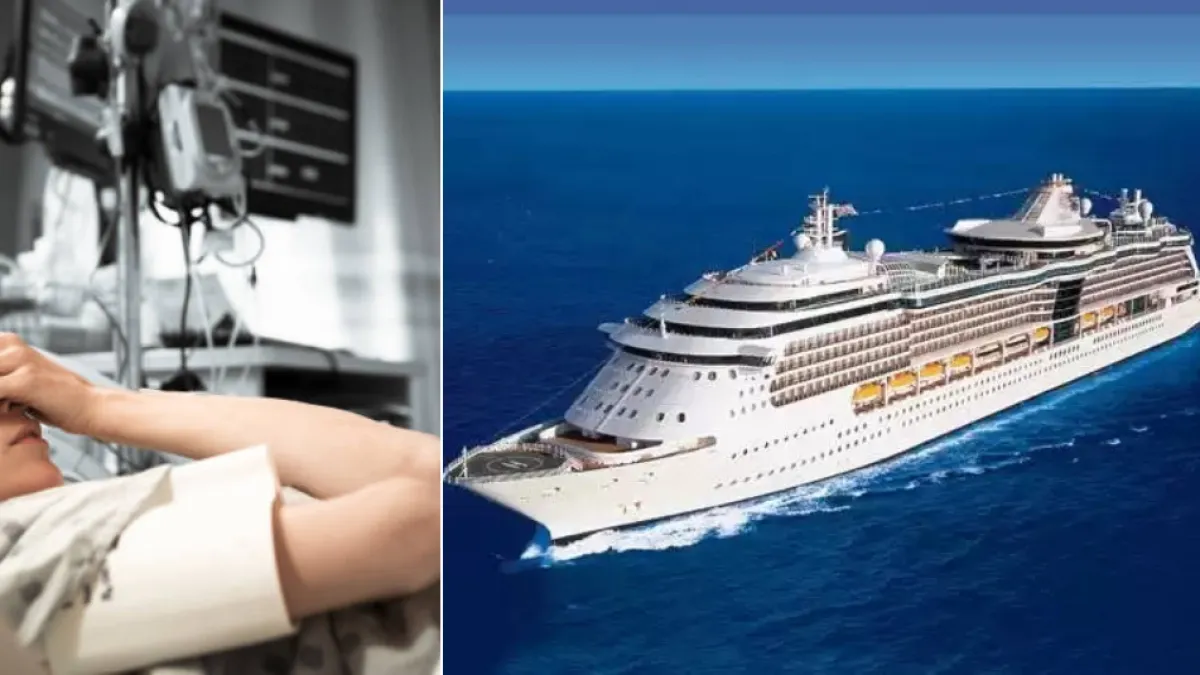
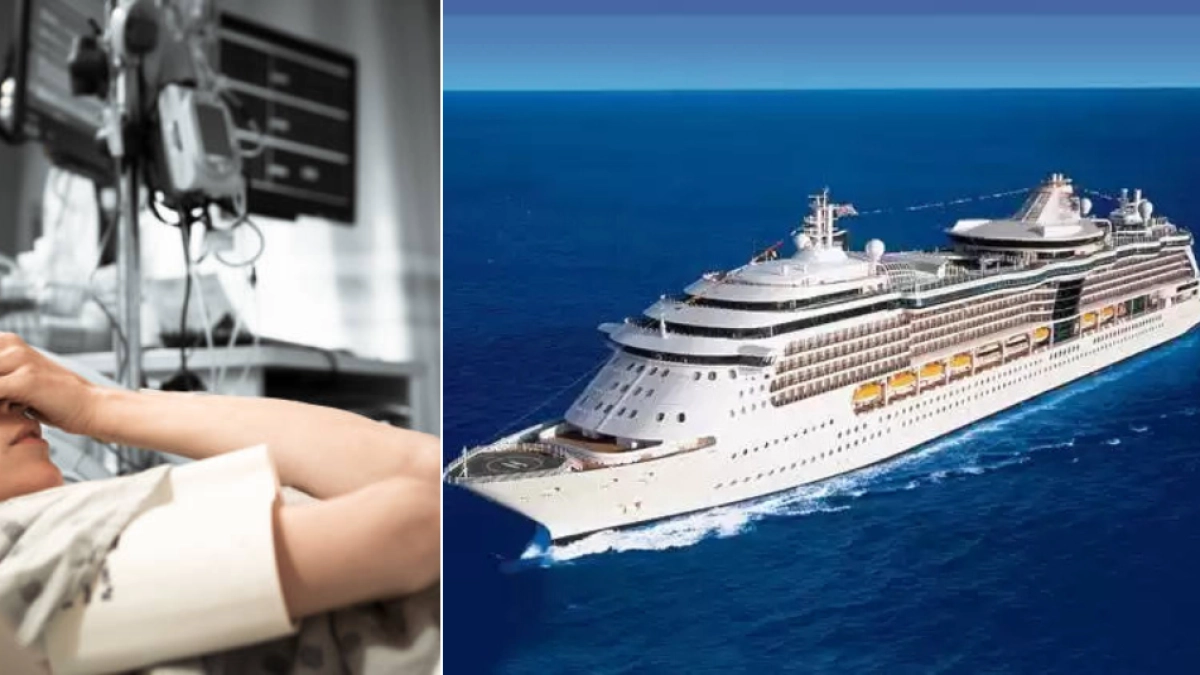
The tranquil waters of the Pacific were interrupted by a wave of illness this week as the Ruby Princess, a cruise ship operated by Princess Cruises, returned to its home port in San Francisco, California. The vessel, carrying approximately 3,000 passengers, docked on Thursday following a 20-day excursion that became the site of a significant public health incident: an outbreak of norovirus that left more than 100 individuals suffering from acute gastrointestinal distress.
This latest incident marks the fourth reported outbreak of norovirus on a cruise ship within the first half of 2026, highlighting the persistent challenge that highly contagious pathogens pose to the global cruise industry.
The Chronology of the Outbreak
The voyage, which began in San Francisco on June 12, was intended to be a relaxing three-week journey across the Pacific. However, reports from the vessel indicate that the health of those on board began to decline shortly after departure.

According to a spokesperson for Princess Cruises, the first symptoms of gastrointestinal illness—characterized primarily by nausea, vomiting, and diarrhea—were noted by passengers during the early stages of the transit. While the company maintained that the symptoms were generally "mild," the sheer volume of affected individuals, crossing the threshold of 100 cases, triggered established onboard health protocols.
As the ship navigated its 20-day itinerary, the medical team on board was tasked with isolating affected passengers and implementing enhanced sanitation measures to contain the spread. By the time the Ruby Princess pulled into the San Francisco harbor on Thursday, July 2, the vessel was under strict surveillance by maritime and health authorities to ensure the safety of the disembarking passengers and the local port community.

Understanding the Norovirus: The "Stomach Flu" Misnomer
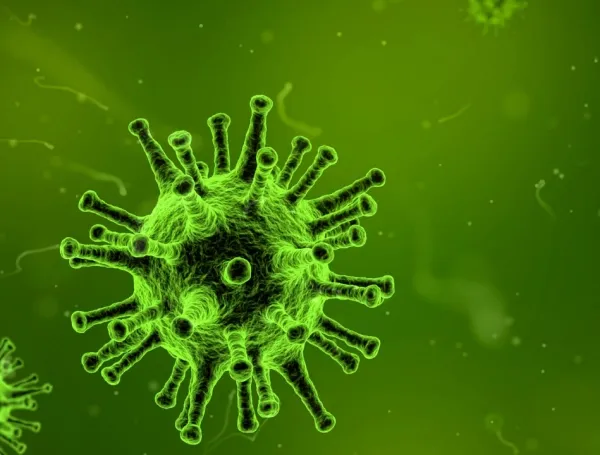
Norovirus is frequently referred to by the general public as the "stomach flu." However, medical experts are quick to clarify that this colloquialism is misleading. The virus, which causes acute gastroenteritis—the inflammation of the stomach and intestinal lining—is entirely unrelated to the influenza virus, which targets the respiratory system.
Unlike the seasonal flu, which is caused by the Influenza virus, norovirus is a highly resilient, non-enveloped virus that can survive on surfaces for days and withstand many common household disinfectants.

Why Cruise Ships are Vulnerable
Cruise ships are classic examples of "semi-closed environments." The combination of high passenger density, shared dining facilities, communal entertainment venues, and a constant rotation of new travelers creates a unique ecological niche for the rapid transmission of enteric pathogens. Because the infectious dose of norovirus is extremely low—meaning that only a few particles are required to initiate an infection—the virus can circulate through a population with startling speed, even when standard hygiene practices are in place.
Symptoms and Clinical Implications
For most healthy adults, a norovirus infection is an uncomfortable but self-limiting condition. The onset of symptoms is typically rapid, often occurring within 12 to 48 hours after exposure.
Common symptoms include:
- Sudden, violent nausea and vomiting: Often the most distressing early indicator.
- Abdominal cramping and pain: Resulting from the severe inflammation of the gastrointestinal tract.
- Watery diarrhea: A leading cause of dehydration.
- Low-grade fever and muscle aches: Often mistaken for systemic viral infections.
While the acute phase of the illness usually subsides within one to three days, the danger lies in the virus’s "shedding" period. Individuals remain infectious for several days, and in some cases weeks, after the symptoms have completely vanished. This persistence is the primary reason why cruise ship outbreaks are so difficult to fully eradicate once they begin; asymptomatic carriers can continue to transmit the virus through contaminated surfaces or improper hand hygiene.

The Mechanisms of Transmission
The transmission of norovirus is multi-faceted, which makes it particularly challenging to control. According to the U.S. National Library of Medicine, the virus is spread through three primary routes:
- Person-to-Person Contact: Direct physical contact with an infected individual or their secretions.
- Contaminated Food and Water: The virus is notoriously stable in water supplies and can survive in food items that have been handled by infected personnel.
- Environmental Surfaces: The most common vector in a cruise setting. Touching a handrail, a buffet utensil, or a door handle that has been touched by an infected person can lead to an immediate transfer of the virus to the next user.
Furthermore, public health agencies emphasize that consuming raw or undercooked shellfish, such as oysters harvested from contaminated waters, acts as a significant risk factor, as these organisms can bioaccumulate the virus within their tissues.

The Role of Genetics in Susceptibility
Perhaps one of the most intriguing aspects of norovirus, as noted by the U.S. Centers for Disease Control and Prevention (CDC), is the role of human genetics in infection. Recent studies have demonstrated that an individual’s susceptibility to norovirus is, in part, determined by their genetic makeup. Specifically, certain blood types (the secretor status) can influence whether the virus can successfully latch onto the cells in the digestive tract. This explains why, during an outbreak, some passengers may fall severely ill while others who shared the same meals and common spaces remain entirely asymptomatic.
Official Responses and Prevention Protocols
In the absence of a vaccine or a specific antiviral medication for norovirus, the medical community relies on supportive care. Treatment is almost exclusively focused on preventing severe dehydration through the administration of oral rehydration salts or intravenous fluids.

Guidelines for Passengers and Industry
As the Ruby Princess incident concludes, health officials are reiterating the standard "best practices" for mitigating the impact of such outbreaks:
- Rigorous Hand Hygiene: Soap and water are significantly more effective than alcohol-based sanitizers against norovirus, as the virus’s protein shell is resistant to most alcohols.
- Environmental Sanitation: In the event of an outbreak, cruise lines must utilize chlorine-based disinfectants to treat all high-touch surfaces, as standard cleaning agents are often insufficient to kill the virus.
- Food Safety Standards: Strict monitoring of the food supply chain and the health status of kitchen staff is essential.
- Quarantine Measures: If a passenger falls ill, they must be isolated until at least 48 hours have passed since the final symptom.
Broader Implications for the Cruise Industry
The 2026 season has proven to be a difficult year for the maritime tourism industry. With four documented outbreaks in six months, cruise operators are facing increased scrutiny regarding their sanitation protocols and the speed at which they report gastrointestinal illness data to the CDC’s Vessel Sanitation Program (VSP).

The economic and reputational costs of these outbreaks are substantial. Beyond the immediate logistical nightmare of managing a ship-wide health crisis, cruise lines face the long-term challenge of maintaining consumer confidence. As global travel continues to rebound to pre-pandemic levels, the industry is under pressure to invest in better ventilation systems, more automated hygiene technology, and more robust medical screening processes to prevent these "floating nurseries" for illness from becoming a recurring headline.
For the passengers of the Ruby Princess, the journey home serves as a reminder that despite the luxury and comfort of modern cruising, the basic principles of biology and public health remain an inescapable reality of shared travel. Health officials continue to urge anyone who was on board and is currently feeling unwell to seek medical attention and, crucially, to remain in isolation to prevent further community transmission of the virus.

As the ship undergoes deep cleaning and sterilization, the industry looks toward the next voyage, hoping that improved awareness and more stringent adherence to hygiene protocols will prevent a fifth incident from tarnishing the reputation of the high seas.