By Editorial Staff, Vida de Hoy
November 24, 2026
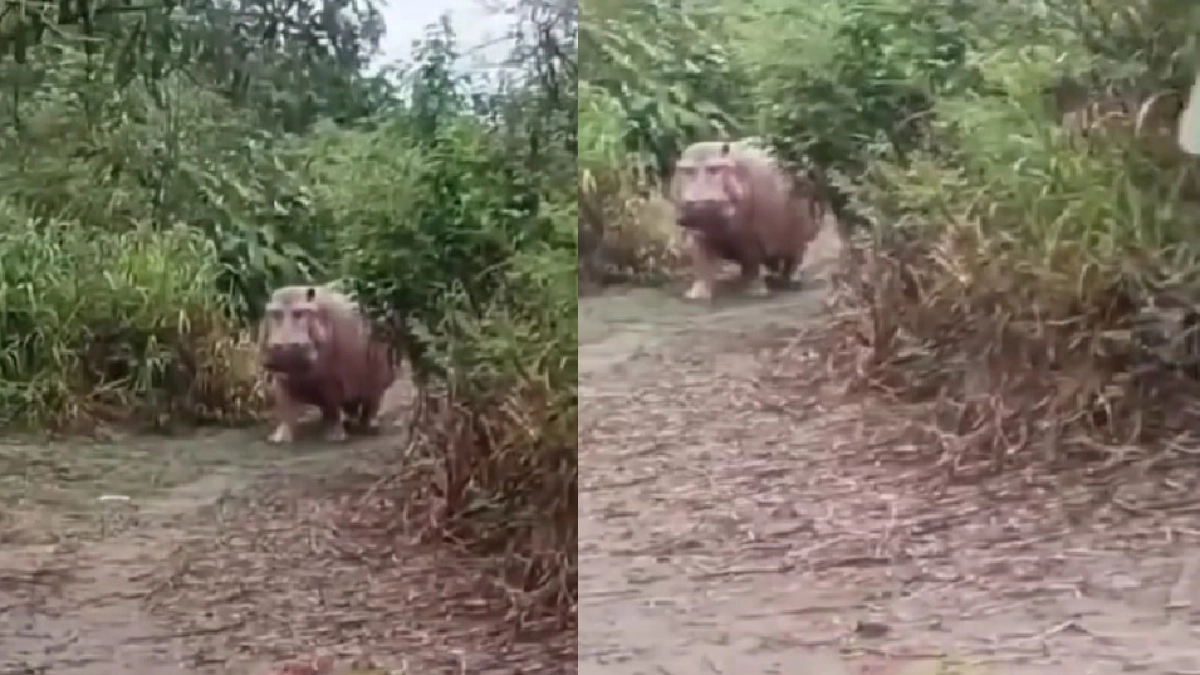
The Colombian government has officially entered a critical phase in its efforts to manage the burgeoning population of Hippopotamus amphibius. In an unprecedented move to address the ecological threat posed by these invasive mammals, the Ministry of Environment has extended formal invitations to 13 major zoological institutions and bioparks across the country. The objective is clear: to evaluate the logistical, financial, and technical feasibility of relocating a significant number of individuals from the Magdalena Medio region to controlled environments.
This initiative, scheduled for a pivotal discussion on November 27, marks a shift from reactive measures to a structured, institutionalized containment strategy. As the population of these "cocaine hippos"—a legacy of the late drug lord Pablo Escobar—continues to climb, the window for effective intervention is narrowing.
The Genesis of an Ecological Crisis
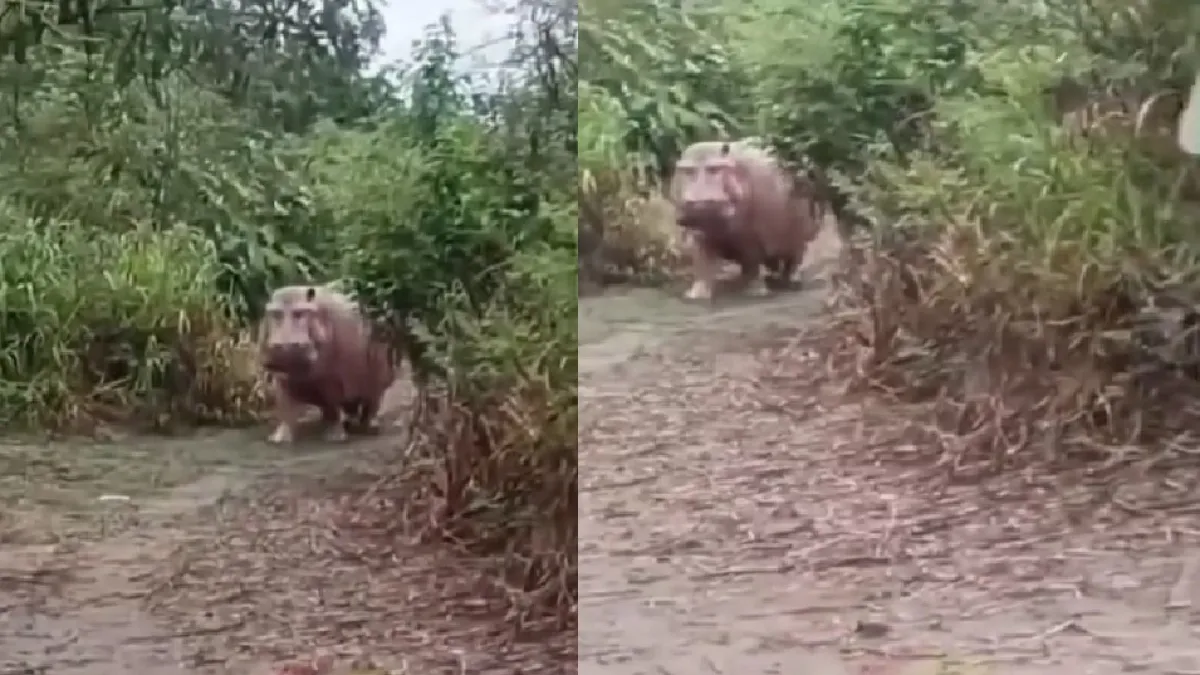
To understand the urgency of the current situation, one must look at the history of the species in Colombia. In the 1980s, a small group of hippos was imported for a private menagerie at Hacienda Nápoles. Following the collapse of the estate, the animals were abandoned. Lacking natural predators and thriving in a climate that mirrors their native African habitat, these animals began to reproduce with alarming speed.
What began as a localized curiosity has morphed into a national environmental emergency. With no natural checks on their growth, the population has expanded beyond the confines of their original territory, colonizing the Magdalena River basin—the primary artery of Colombia’s biodiversity.
Supporting Data: A Population Explosion
Scientific projections provide a sobering outlook on the trajectory of the species. Current estimates place the number of wild hippos in Colombia at approximately 260 individuals. However, experts from the Academy of Exact, Physical, and Natural Sciences have issued a dire warning: without immediate, comprehensive control measures, that number could exceed 1,200 within the next decade.

This exponential growth rate is not merely a statistical concern; it is a catalyst for environmental degradation. The biomass of a single adult hippopotamus is significant, and their social behavior—including the territorial defense of river stretches—disrupts the natural flow and quality of the water.
Ecological Implications: A Threat to Native Biodiversity
The presence of Hippopotamus amphibius is not an isolated phenomenon; it represents an existential threat to several of Colombia’s most vulnerable native species. The Ministry of Environment has identified at least seven species at critical risk, highlighting the cascading impact of the invasive mammals on the Magdalena ecosystem:
- The Manatee (Trichechus manatus): Currently listed as endangered, these gentle herbivores face direct competition for aquatic vegetation.
- The Magdalena River Turtle (Podocnemis lewyana) and the Striped Catfish (Pseudoplatystoma magdaleniatum): Both are classified as being in a state of critical danger. The destruction of nesting sites and habitat degradation caused by hippo movement threatens to push these species toward local extinction.
- The Neotropical Otter (Lontra longicaudis) and the Capybara (Hydrochoerus isthmius): Both are classified as vulnerable, facing increasing pressure from the territorial habits of the hippo.
- The Bocachico (Prochilodus magdalenae): A vital food source for local communities, this vulnerable fish species is experiencing a decline in habitat health directly linked to the accumulation of organic waste from hippos.
Furthermore, the water quality itself is at stake. The influx of animal waste leads to the accumulation of organic matter, which in turn facilitates the proliferation of harmful bacteria. Research indicates that approximately 200 species of aquatic plants are susceptible to these changes in water chemistry, effectively altering the base of the food chain in the Magdalena basin.

Official Strategy: The Path Toward Relocation
The upcoming meeting on November 27 is a critical component of the "Plan for the Prevention, Control, and Management of the Invasive Exotic Species Hippopotamus." The Ministry of Environment, acting on recommendations from the national scientific community, is seeking to establish a sustainable long-term program.
Key Objectives of the November 27 Meeting:
- Administrative Assessment: Determining the legal framework for the transfer of ownership and liability of the relocated animals.
- Logistical Feasibility: Ensuring that the 13 invited zoos and bioparks possess the containment structures required for such massive, dangerous animals.
- Financial Sustainability: Establishing a model for funding the long-term maintenance of the relocated hippos.
- Scientific Oversight: Implementing a robust monitoring system to track the health and reproductive status of the captive populations.
The Ministry has indicated its commitment to providing the necessary support to institutions that demonstrate both the capacity and the willingness to participate in this national effort. This is not merely a relocation project; it is an exercise in resource management that requires the collaboration of state entities, private enterprises, and scientific bodies.
Expert Recommendations and Future Outlook
The Academy of Exact, Physical, and Natural Sciences has emphasized that a fragmented approach will fail. For the management plan to be successful, it must move beyond short-term fixes. The Academy’s recommendations include:

- Multi-year Planning: Moving away from sporadic interventions in favor of a long-term, multi-year strategy with clearly defined annual targets.
- Budgetary Security: The government must guarantee recurring funds to ensure that control measures—including relocation, sterilization, or containment—are not interrupted by political or fiscal cycles.
- Continuous Research: The impact of the species is dynamic. Scientific study must keep pace with the population’s behavior to adapt strategies as the situation evolves.
The challenge of the Colombian hippo is a global case study in the risks of invasive species. While the public often views the animals as harmless, the scientific reality is that they are highly territorial, aggressive, and disruptive to complex tropical ecosystems.
Conclusion: A Call for Unified Action
As Colombia approaches the end of 2026, the nation finds itself at a crossroads. The choice to invite 13 institutions to join the effort is a testament to the government’s recognition that the state cannot manage this crisis alone. It requires the expertise of veterinarians, conservationists, and logistical experts found within the nation’s premier bioparks.
The meeting on November 27 will serve as a barometer for how Colombia intends to address this environmental burden. Whether through successful relocation or the implementation of other control measures, the ultimate goal remains the preservation of the Magdalena River’s native species and the restoration of ecological balance. The coming months will be decisive in determining whether the "cocaine hippos" can be contained or if they will continue to permanently alter the face of the Colombian landscape.

Chronology of the Crisis
- 1980s: Importation of hippos for Hacienda Nápoles.
- 2000s: Recognition of the population’s growth and dispersal into the Magdalena River.
- 2020-2024: Heightened international attention and initial debates regarding sterilization versus culling.
- 2025: Formalization of the National Plan for the Management of Invasive Exotic Species.
- November 2026: Call for national institutions to participate in a coordinated relocation effort.
For further updates on this developing story, follow El Tiempo’s "Vida de Hoy" section, or subscribe to our weekly newsletter for in-depth analysis on environmental issues and national policy.