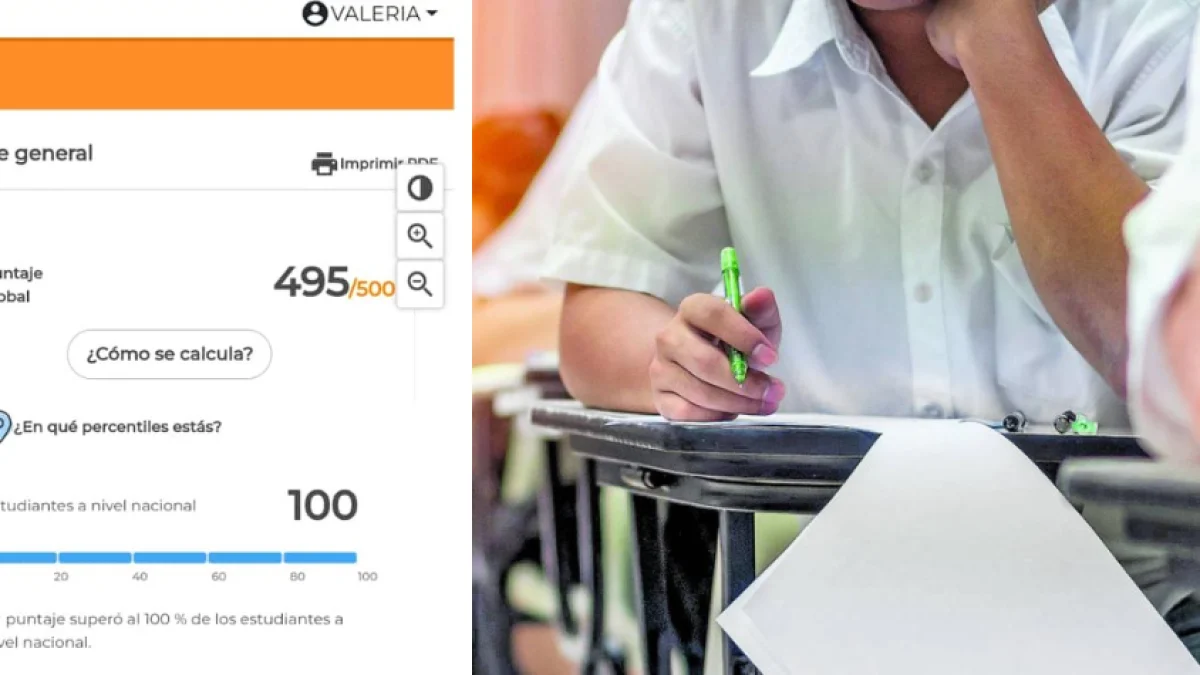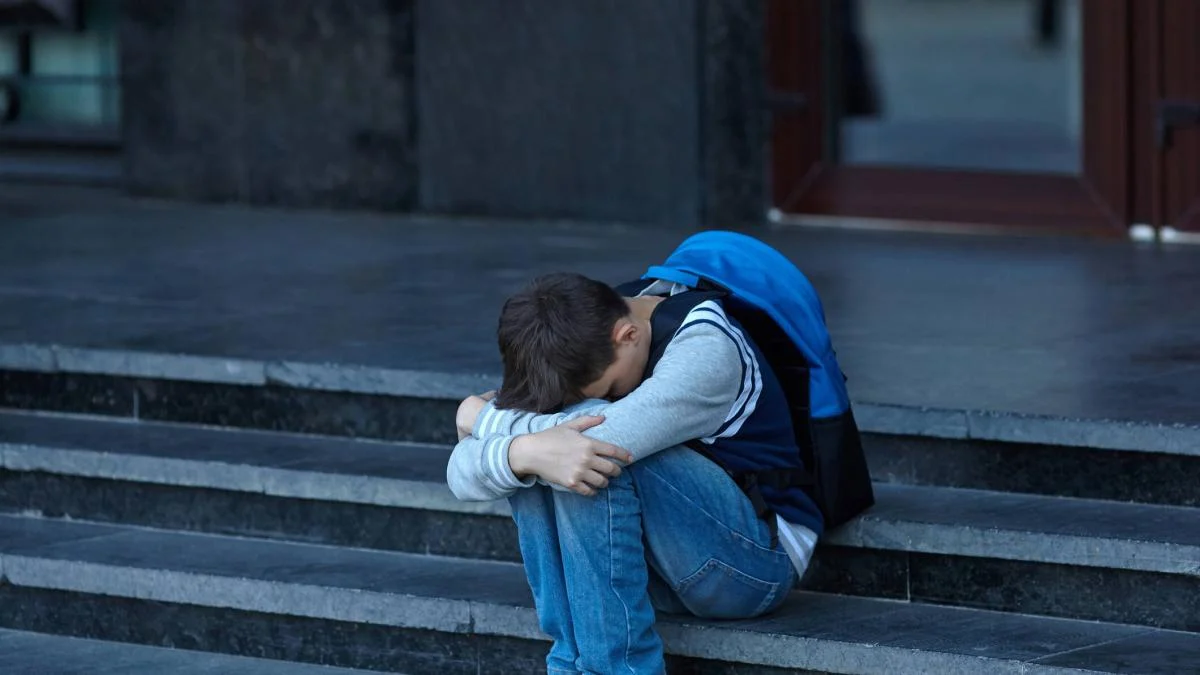
For nearly 100,000 Colombian students, the school day is not merely a period of academic instruction or social development; it is a profound experience of isolation. New data, derived from the latest iteration of the OECD’s Programme for International Student Assessment (PISA), reveals a concerning reality: 16.8% of 15-year-olds in Colombia report feeling lonely at school. This figure is not just a statistic—it is a wake-up call regarding the mental health and social integration of the nation’s youth.
As the educational landscape shifts toward holistic development, these findings suggest that the classroom is failing to provide the sense of security and belonging that is foundational to adolescent growth. With Colombia ranking seventh among the 38 OECD nations in this metric, the issue has moved from the periphery of educational policy to the center of a national mental health debate.
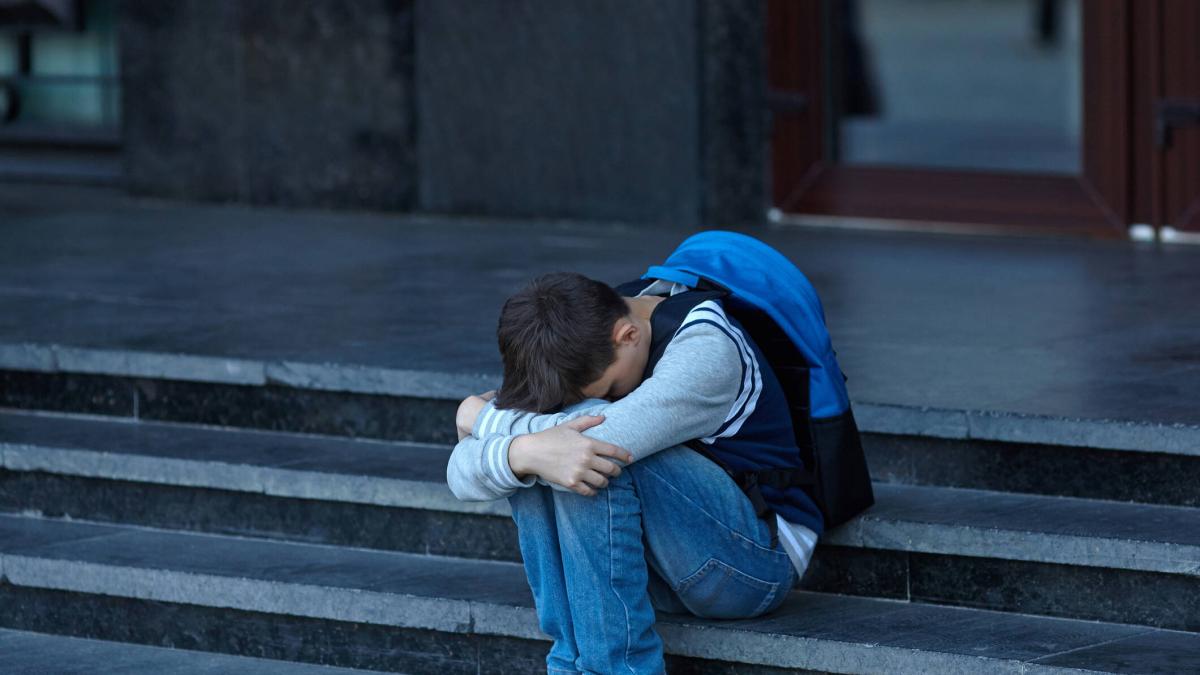
The Landscape of Isolation: Main Facts and Global Context
The PISA report, which evaluates not only academic performance but also student well-being and school climate, offers a sobering perspective on the emotional lives of teenagers. In Colombia, the 16.8% prevalence of loneliness among 15-year-olds significantly outpaces the OECD average of 13.3%. This statistical gap is not merely a fluctuation; it is a clear indicator that the school environment in Colombia presents unique challenges to student connection.
A Regional Comparison
When viewed through a global lens, the data presents a complex narrative. While Colombia fares better than the regional Latin American average of 20.1%, it remains caught in a broader regional trend where loneliness appears more pervasive than in more developed nations. Chile, for instance, reports the highest rate of student loneliness within the OECD at 23%. Conversely, the Netherlands serves as the gold standard for social integration, with only 7.4% of students reporting feelings of isolation.

The fact that Colombia sits at 36th out of 90 evaluated education systems globally highlights that while the country is not the extreme outlier, it is far from achieving the ideal of a socially inclusive school environment.
Chronology of the Research: From Data Collection to Insight
The assessment of student well-being is a relatively recent, yet critical, addition to the PISA framework. For years, the focus remained strictly on mathematics, science, and reading comprehension. However, the recognition that a student’s ability to learn is inextricably linked to their emotional state led researchers to incorporate questions regarding "sense of belonging" and "social connectivity."

- Preparation Phase: Educational researchers established criteria for "social isolation," defining it not just as a lack of friends, but as a persistent feeling of being an outsider within the school community.
- Implementation: The surveys were distributed to 15-year-olds across diverse socioeconomic backgrounds in Colombia. The goal was to map the emotional climate of both public and private institutions.
- Data Analysis (2025–2026): Researchers cross-referenced feelings of loneliness with variables such as bullying frequency, academic performance, and attendance.
- Reporting: The findings, synthesized in late 2026, confirmed that the correlation between social exclusion and psychological distress is one of the most consistent findings in modern educational psychology.
The Nexus of Bullying and Isolation: Deepening the Wound
The most alarming aspect of the research is the intersection of loneliness and school violence. The study found that 27.7% of students who are victims of frequent bullying—whether through rumors, physical aggression, or social exclusion—report feeling lonely. This is double the rate of students who are not victims (13.8%).
The "Belonging" Deficit
The research indicates that for victims of bullying, the school environment is stripped of its function as a "safe haven." These students report a significantly lower sense of belonging, which the study identifies as the single most critical factor in student retention and academic success. In fact, the decline in the "sense of belonging" among bullied students is more statistically significant than the impact on their grades or even their absenteeism rates.

It is important to note, as the researchers emphasize, that this is an association, not necessarily a direct cause-and-effect relationship. It remains unclear whether the bullying causes the isolation, or if students who are already socially isolated become easier targets for victimization. Regardless of the direction of the relationship, the outcome for the student is a cycle of exclusion that is difficult to break without external intervention.
Official Responses and Institutional Responsibility
The data has sparked an urgent conversation within the Ministry of Education and local school districts. The consensus among child psychologists and school administrators is that the "hidden curriculum"—the social and emotional environment of the school—is just as important as the academic one.

Strategies for Mitigation
- Strengthening Reporting Channels: The National Police have reinforced their presence and reporting mechanisms, encouraging students, parents, and teachers to report incidents of bullying immediately. The goal is to move away from a culture of silence.
- Mental Health Integration: Schools are being urged to implement peer-mentoring programs. Studies have shown that when older students take responsibility for the integration of younger or isolated students, the "loneliness index" drops significantly.
- Parental Involvement: The research underscores that school culture is a reflection of society. Schools are increasingly hosting workshops for parents to recognize the signs of social isolation at home, which often precede or follow school-based exclusion.
Implications: The Long-Term Cost of a Lonely Generation
The implications of these findings extend far beyond the classroom. Adolescence is a formative period for the development of social skills, emotional regulation, and self-identity. When a student spends their formative years in a state of chronic isolation, the psychological toll can manifest in various ways as they transition into adulthood.
Societal Consequences
- Academic Attrition: Students who feel they do not belong are statistically more likely to drop out of school, leading to lower lifetime earnings and diminished economic mobility.
- Mental Health Burdens: The correlation between school-age loneliness and adult anxiety or depressive disorders is well-documented. By failing to address the 16.8% of students who feel isolated, the education system is essentially allowing a mental health crisis to fester.
- Citizenship and Civic Engagement: The school is meant to be a laboratory for democracy. If the environment is one of exclusion, students may emerge with a distorted view of social responsibility and civic participation.
A Call for Systemic Change
The PISA report is not merely a diagnostic tool; it is a mandate for change. For the one in six Colombian students who feel isolated, the "school experience" is not a journey of discovery, but a daily endurance test. Addressing this requires more than just anti-bullying campaigns; it requires a structural redesign of how schools foster community.

The school of the future must be judged not only by the PISA scores of its students in mathematics or reading but by the success of its efforts to ensure that no student walks through its halls feeling invisible. As the researchers noted, the school must be a space where students feel protected, valued, and, above all, connected to their peers.
Conclusion
The data regarding student loneliness in Colombia serves as a somber reminder that schools are human ecosystems. While academic excellence is a valid goal for any nation, it cannot be achieved at the expense of the emotional well-being of the next generation. The 16.8% of students who feel alone are the silent indicators of a system that must prioritize empathy as much as it does pedagogy.

Moving forward, the challenge for the Colombian educational system is to transform the school from a place where students are merely "present" to a place where they are "part of a community." The solution will not be found in a single policy or a new classroom technology, but in the sustained commitment of teachers, parents, and students to build a culture of radical inclusion. Only then can the promise of the school as a safe harbor for every child be fully realized.