By Judicial Reporting Desk
November 7, 2026
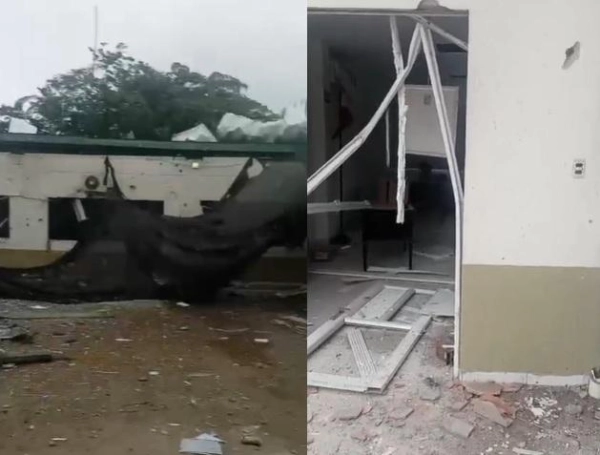
The security landscape in Colombia faced a harrowing escalation this Saturday as a sophisticated and lethal terrorist attack targeted a military canton in the municipality of Santa Rosa, in the southern region of Bolívar. The assault, executed via the deployment of drones equipped with explosive devices, resulted in the tragic loss of three soldiers and left at least eight others with severe injuries. This incident marks a significant shift in the tactics employed by illegal armed groups operating within the country, highlighting the persistent volatility of the conflict in rural territories.
A Targeted and Calculated Assault
The attack occurred around midday, catching the military installation by surprise. According to initial reports from the First Division of the National Army, the base was subjected to a precision strike using unmanned aerial vehicles (UAVs) modified to carry and release explosive ordnance. The nature of the attack—remote, calculated, and high-impact—demonstrates a concerning evolution in the capabilities of non-state actors operating in the region.
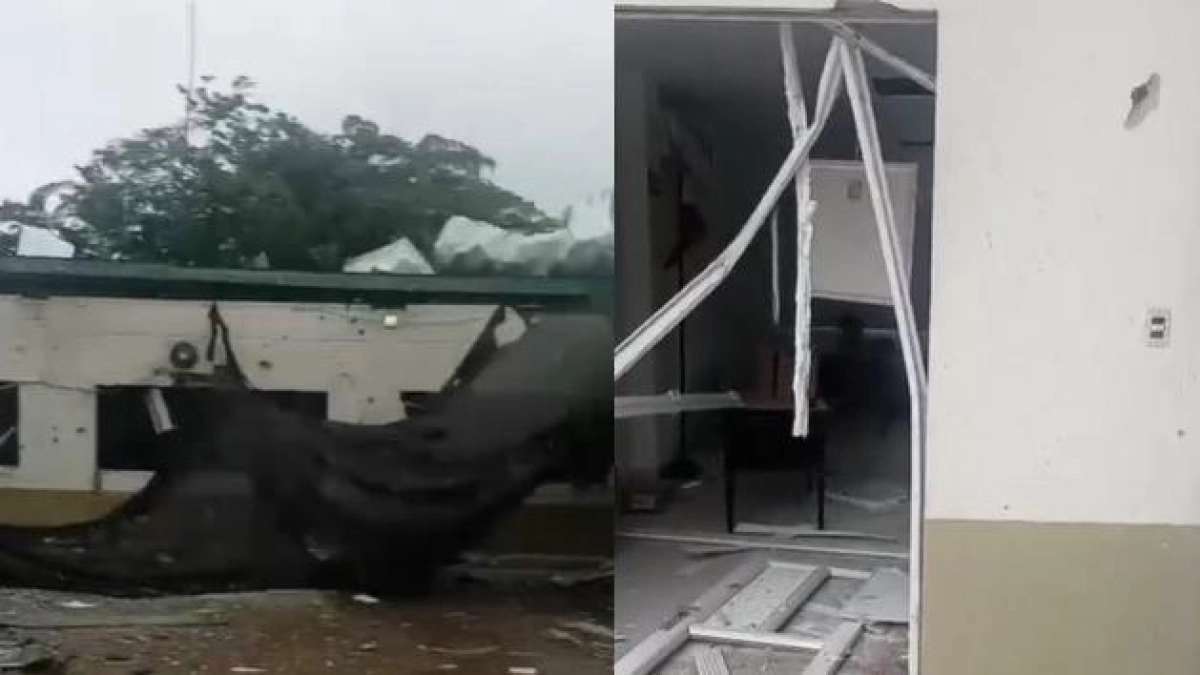
While the Army has confirmed the death of three service members, the total number of casualties remains under assessment. Several other personnel sustained varying degrees of injury, and military medical teams are currently working to stabilize those in critical condition, who have been transported to regional medical facilities. The institution has refrained from disclosing the full extent of the casualties to respect the privacy of the families while the identification process and notification procedures are completed.
Chronology of the Incident
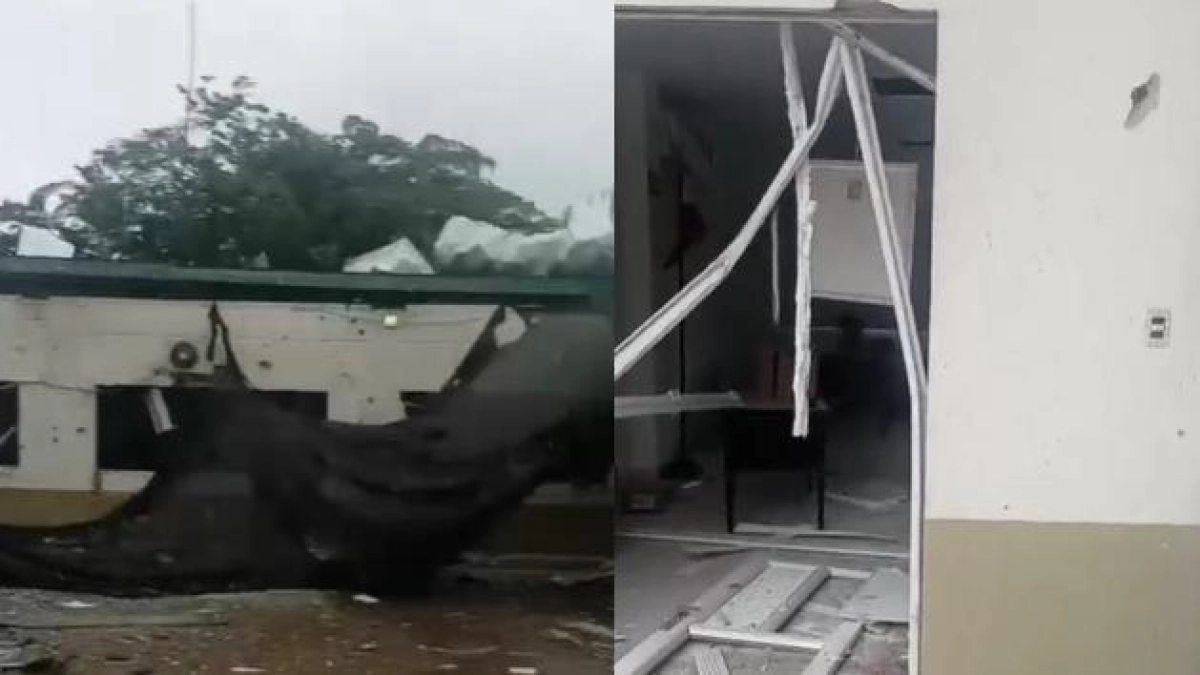
The sequence of events began shortly before midday on November 7, 2026. Military personnel stationed at the Santa Rosa base were conducting routine operations when the drone swarm was detected over the facility. The subsequent detonations caused immediate structural damage to the canton and inflicted heavy casualties among the soldiers stationed in the proximity of the impact zones.
Following the initial blasts, the military’s security protocols were activated instantaneously. Troops secured the perimeter and established a defensive posture, fearing a possible ground-based follow-up attack. Medical evacuation protocols were initiated, and local health authorities in southern Bolívar were alerted to receive the wounded. As of late Saturday afternoon, the site remained under high alert, with aerial support deployed to track the origin of the drone flights and neutralize any remaining threats in the vicinity.

The Strategic Context: A Crucible of Violence
The southern region of Bolívar has long been a strategic nexus for illegal armed groups. The terrain, characterized by dense vegetation and difficult access, provides a sanctuary for organizations vying for territorial control. Intelligence reports indicate a complex ecosystem of violence where the National Liberation Army (ELN), the "Clan del Golfo," and various factions of the FARC dissidents maintain a tenuous and often violent standoff.
This region serves as a vital artery for illicit economies. The control of gold mining operations, which provide significant funding to these groups, has turned Santa Rosa and surrounding areas into a battlefield. By targeting a permanent military installation, these groups are not only attempting to weaken the state’s presence but are also signaling their intent to control the corridors used for the movement of narcotics and illegal minerals.
The Role of Illicit Economies
The exploitation of illegal gold mines is the lifeblood of the armed groups operating in southern Bolívar. Extortion, forced labor in mining camps, and the control of supply routes for machinery and fuel create a cycle of violence that is difficult to break. By attacking the military, these organizations seek to create "security vacuums," allowing them to expand their influence, intimidate local communities, and monopolize the extraction of resources without state interference.
Official Responses and Condemnations
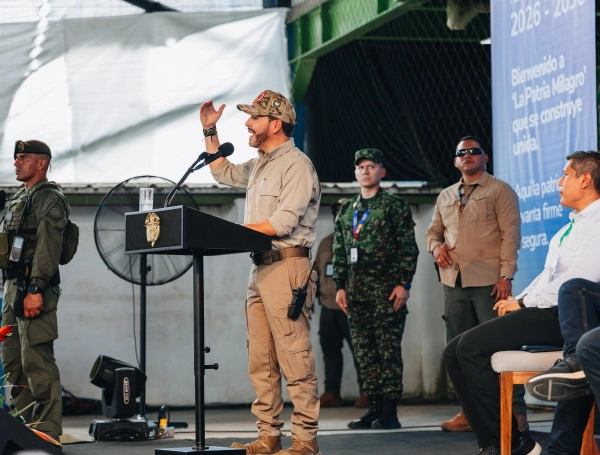
The attack has drawn swift and unequivocal condemnation from the highest levels of the Colombian government. President Abelardo De La Espriella took to social media to express his profound indignation regarding the incident.
"I reject and condemn with the utmost force the cowardly terrorist attack perpetrated with drones laden with explosives against the facilities of the Military Canton in Santa Rosa, southern Bolívar," the President stated. "This criminal act has claimed the lives of soldiers, men who serve Colombia with honor and who were victims of those who seek to sow terror and challenge the authority of the State."
The military high command has echoed these sentiments, describing the incident as a "grave violation of International Humanitarian Law (IHL)." A statement released by the First Division emphasized that the use of indiscriminate explosive devices in an area that facilitates defense against armed groups constitutes a direct affront to the rules of engagement and the protection of non-combatants and combatants alike.
Implications for National Security Policy
This attack forces a difficult conversation regarding the military’s current strategy for territorial control. The use of commercial or modified drones by illegal groups is not a new phenomenon, but the lethal effectiveness demonstrated in Santa Rosa indicates that these organizations have refined their methods.
Technological Asymmetry
The military is now forced to grapple with a technological asymmetry. Traditional defensive measures, designed to stop ground incursions, are often ineffective against low-altitude, agile aerial threats. This shift necessitates a rapid adaptation of the military’s anti-drone capabilities. Investments in electronic warfare, signal jamming technology, and enhanced aerial surveillance are likely to become top priorities for the Ministry of Defense in the coming months.
Reassessing the Peace Process
The attack also casts a long shadow over the government’s efforts to engage in dialogue with various armed groups. Critics of the ongoing peace negotiations argue that the persistence of such violent tactics demonstrates a lack of genuine commitment to de-escalation by the insurgents. As the government seeks to balance the "Total Peace" policy with the need for military enforcement, the tragedy in Santa Rosa serves as a grim reminder of the cost of the ongoing conflict.

A Call for Resilience
As the investigation into the attack continues, the focus remains on the families of the fallen and the recovery of the wounded. The military has promised a thorough investigation, including the analysis of the recovered drone wreckage to determine the origin of the technology and the sophistication of the explosive devices used.
Local communities in southern Bolívar, often caught in the crossfire of these territorial disputes, are bracing for a potential increase in military activity as the Army intensifies its operations to capture the perpetrators. For now, the nation mourns the loss of three soldiers who stood on the front lines of a conflict that continues to evolve in ways that demand constant vigilance and strategic evolution from the state.
The events in Santa Rosa are more than just a tactical defeat; they represent a significant challenge to the rule of law. As Colombia moves forward, the ability to protect its own institutions from such unconventional threats will be the defining measure of the security sector’s effectiveness in the face of an increasingly modernized and ruthless insurgency.

For ongoing updates on this story, follow El Tiempo’s digital coverage and subscribe to our weekly newsletter for in-depth analysis on the security situation in Colombia.