By Global Technology Desk Published: November 4, 2026
Main Facts
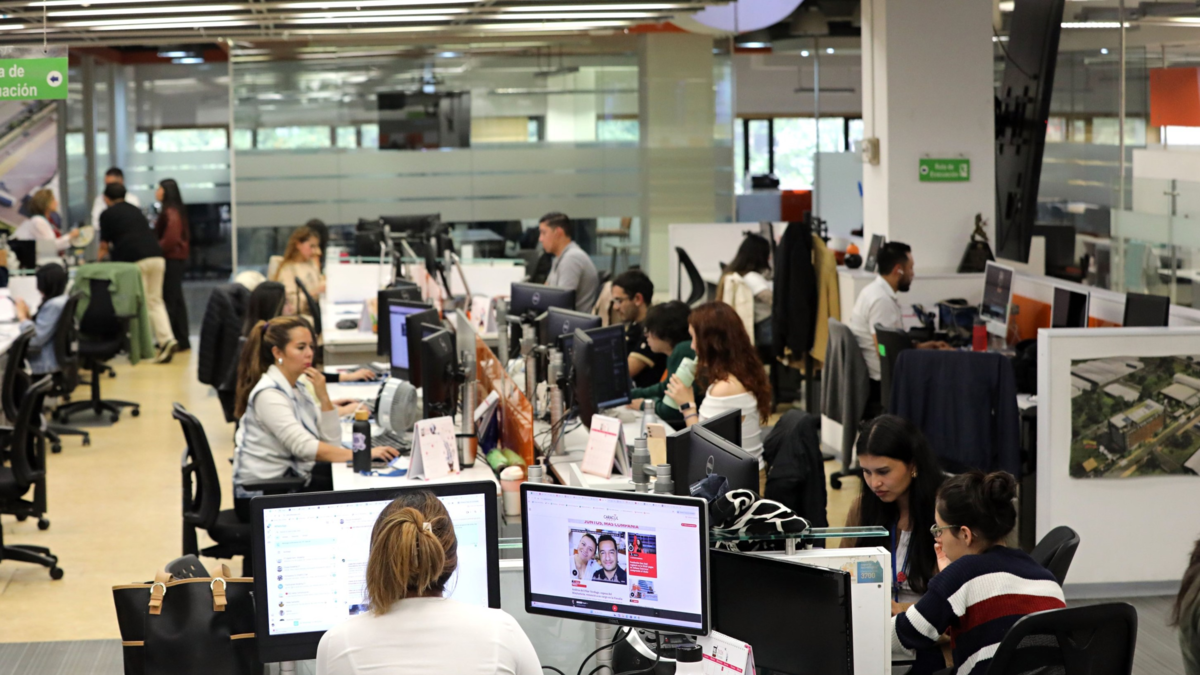
In the modern corporate ecosystem, the relentless barrage of virtual meetings, instant messages, and overflowing email inboxes has transformed from a sign of connectivity into a primary driver of occupational burnout. The modern professional is caught in a cycle of constant digital exposure, spending hours navigating administrative minutiae rather than engaging in high-value, creative labor.
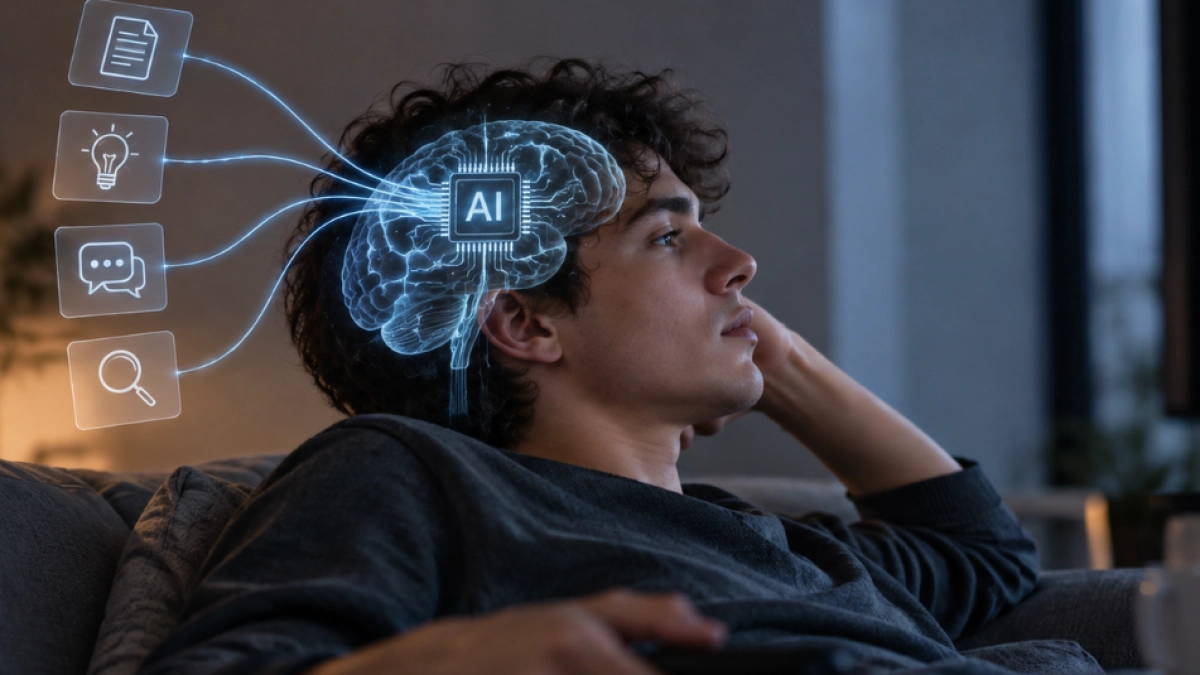
To combat this widespread administrative friction, organizations are increasingly turning to advanced automation tools and artificial intelligence (AI). Far from acting as futuristic novelties, technologies such as automated workflow management, instant meeting transcription, and generative email sorting are rapidly evolving into survival mechanisms for the contemporary workforce.
However, industry leaders emphasize that the true challenge of the current technological revolution is not merely adopting more software platforms. Instead, it lies in strategically deploying these tools to simplify daily operations, eliminate cognitive overload, and protect employee focus. According to recent data, the pressure to remain perpetually connected has severely eroded work-life boundaries, signaling an urgent need for a paradigm shift in how companies manage digital workflows and operational expectations.
Chronology: The Evolution of Workplace Connectivity and the Rise of AI
To understand the current reliance on digital tools—and the consequent fatigue—it is necessary to trace how workplace communication has evolved over the past two decades:
The Early 2000s (The Dawn of Digital Infrastructure): Email and corporate intranets became standard operating procedures. Connectivity was viewed almost exclusively as a positive asset, granting businesses the ability to communicate across global boundaries in real-time.
The 2010s (The Mobile and Messaging Boom): The proliferation of smartphones and cloud-based communication platforms (such as chat apps and collaborative workspaces) tied employees to their jobs around the clock. The boundary between professional hours and personal time began to blur significantly.
The 2020–2023 Era (The Remote Work Acceleration): Driven by global health shifts, remote and hybrid work models forced a heavy reliance on virtual meeting software. While flexibility increased, digital interactions skyrocketed, giving rise to terms like "Zoom fatigue" and chronic over-communication.
2024–2025 (The Recognition of Digital Exhaustion): Studies, such as Buk’s Work in Progress 2024 survey, empirically documented the alarming extent to which workers remained tethered to their jobs even during mandatory time off, bringing the hidden costs of hyper-connectivity to light.
2026 and Beyond (The Age of Intelligent Reduction): Organizations are shifting their technological goals. Rather than focusing on adding more connectivity features, the current phase of digital transformation centers on using AI and smart automation to reduce operational burdens, prune unnecessary digital touchpoints, and reclaim human time.
Supporting Data: The Hidden Toll of Hyper-Connectivity
The psychological and operational weight of constant digital access is not merely anecdotal; it is backed by empirical research. A revealing picture of this reality emerges from the Work in Progress 2024 survey conducted by Buk in Colombia, which serves as a microcosm for broader regional and global labor trends.
According to the study, 42% of surveyed employees who took a vacation during the preceding year continued to perform work-related activities while on leave. This statistic highlights a deep-seated organizational anxiety: workers feel structurally incapable of disconnecting entirely without risking professional fallout or missing critical updates.
Breaking down that digitally active group reveals even starker behavioral patterns:
71% reported answering work-related phone calls or responding to instant messaging applications.
36% actively checked, sorted, and replied to corporate email threads during their designated rest periods.
This persistent connectivity prevents psychological recovery, leading to cumulative mental fatigue, decreased long-term productivity, and high rates of professional burnout. Furthermore, studies consistently show that frequent context-switching—jumping between a chat notification, an email thread, and a video call—drastically drains cognitive resources. It is within this data-driven context that AI and automation step in not as luxuries, but as structural remedies.
Official Responses and Expert Insights
Industry leaders are taking note of this unsustainable trajectory. Organizations are realizing that software ecosystems must evolve from productivity drivers into protective shields for employee well-being.
Pablo Sánchez, Director of the Health Vertical at SONDA Colombia, has been vocal about the necessary evolution of corporate digital transformation. Reflecting on past trends, Sánchez notes that companies historically prioritized expanding communication channels above all else.
"For years, the goal of digital transformation was to increase the connectivity and responsiveness of organizations," Sánchez explains. "Today, we are entering a new stage, where technology must also help manage time better, reduce operational loads, and prevent the digital overexposure that harms the productivity of teams."
Sánchez stresses that the integration of artificial intelligence, advanced automation, and sophisticated data analytics opens the door to eliminating redundant tasks and minimizing disruptive interruptions. However, he issues a clear warning against uncalculated tech adoption:
"The challenge for companies is no longer about incorporating more tools, but ensuring that these tools generate real value without increasing the cognitive load of individuals."
The core directive from corporate strategists is clear: the integration of new tech must liberate human capital rather than enslave it to another layer of digital supervision. The objective is to design systems that quietly handle background operations, letting employees focus on strategic thinking and creative execution.
Implications: Practical Applications and Cultural Boundaries
To successfully navigate this new era of workplace technology, companies must combine artificial intelligence applications with strict, healthy operational policies.
What Can AI Actually Automate?
Artificial intelligence excels at processing structured and semi-structured data, making it an ideal partner for draining administrative tasks out of daily workflows. Key applications include:
Meeting Summarization: AI tools can automatically record, transcribe, and distill hour-long virtual meetings into concise bullet points, action items, and executive summaries, sparing workers from re-watching recordings or attending redundant status syncs.
Repetitive Workflow Management: Automated routing systems can handle invoice processing, data entry, and basic customer service queries, drastically shortening resolution times.
Smart Email Sorting and Drafting: Natural language models can prioritize incoming messages based on urgency, draft initial responses for routine queries, and filter out low-value correspondence that clutters the workspace.
By delegating these functions to algorithms, organizations can reclaim significant portions of the working day, allowing personnel to redirect their energy toward higher-level objectives.
Establishing Cultural Guardrails
Technology alone cannot solve a cultural problem. Alongside artificial intelligence deployment, forward-thinking enterprises are implementing firm policies to protect personal time and minimize daily digital interruptions:
Delayed Email Dispatch: Configuring internal mail systems so that messages written outside of business hours are automatically queued and delivered only when the standard workday resumes.
Meeting-Free Blocks: Designating specific days or windows completely devoid of virtual meetings, granting teams uninterrupted blocks of "deep work" time.
Off-Hours Messaging Protocols: Setting clear boundaries regarding communication apps, discouraging non-emergency pings, and normalizing the right to disconnect after hours.
The Road Ahead
The integration of artificial intelligence into the workplace represents a double-edged sword. If deployed incorrectly, it risks turning into an endless stream of automated noise. However, when paired with thoughtful administrative policies and a commitment to employee wellness, AI and automation can successfully dismantle the culture of constant connectivity. By filtering the trivial and automating the repetitive, organizations can finally deliver on the original promise of the digital age: working smarter, not longer, while preserving the mental well-being of the human workforce.
In an era defined by the rapid proliferation of digital information and the persistent challenge of navigating an ecosystem saturated with misinformation, the consumption habits of the Colombian public have become a focal point for…
By José Carlos García R. Multimedia Editor Updated: October 24, 2026 Introduction: The Invisible Fault Line Beneath the Global Network For over a decade, the digital infrastructure of modern society rested upon a foundation that…
By Digital Reach Desk Updated: September 16, 2026 The rapid, ubiquitous expansion of generative artificial intelligence has fundamentally altered the landscape of modern productivity. Tasks that once demanded hours of exhaustive searching, deep analytical processing,…