By Maria Alejandra Moreno Flórez
Economic Correspondent
The National Association of Entrepreneurs of Colombia (Andi)—the most influential business guild in the nation—is currently navigating one of the most delicate transitions in its history. Following the formal withdrawal of candidate Carlos de Hart from the shortlist, the race to replace the long-standing president, Bruce Mac Master, has narrowed to a head-to-head contest between two prominent industry leaders: Luz Stella Murgas and Juan Camilo Nariño.
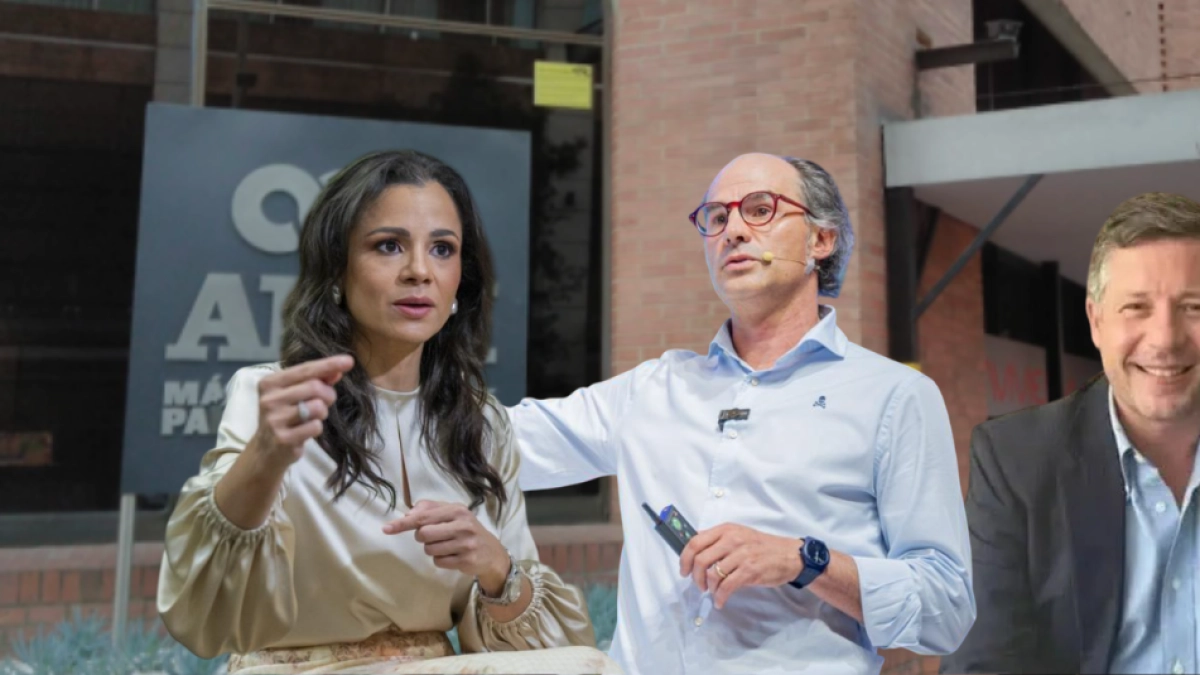
The departure of De Hart, a former Vice Minister of Business Development, has sent ripples through the corporate sector, casting a spotlight on the internal methodology being employed by the association’s board of directors. As the guild prepares for a definitive vote on November 10, the selection process has become a subject of intense scrutiny, reflecting broader anxieties about the future of business representation in a shifting political landscape.
The Narrowing Field: A Two-Horse Race
With the unexpected withdrawal of Carlos de Hart, the Andi’s board of directors is now forced to choose between two seasoned executives who represent the core pillars of Colombia’s current economic discourse: energy and mining.

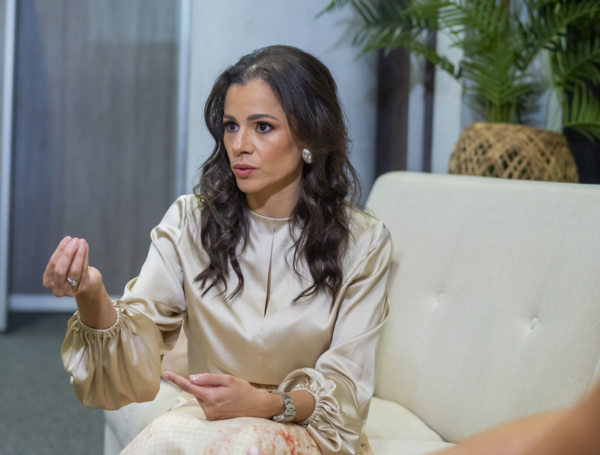
Luz Stella Murgas: A Historic Bid
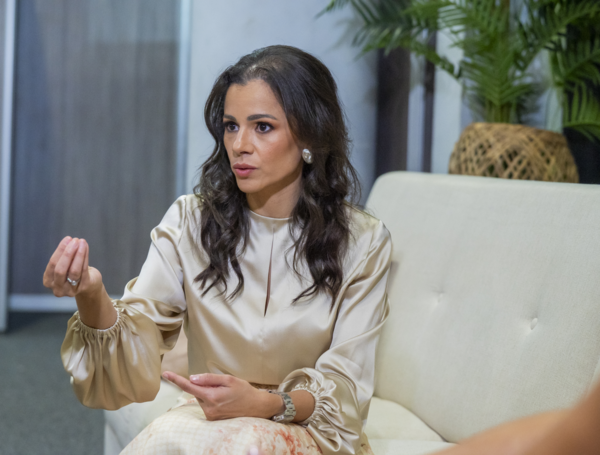
Luz Stella Murgas, the current president of Naturgás, has emerged as a formidable contender. An attorney from the Universidad del Rosario with a specialization in tax law, Murgas has spent over 15 years immersed in the complexities of the mining and energy sectors. Since taking the helm of Naturgás in 2021, she has positioned herself as a pivotal voice in the national debate over energy security and the regulation of natural gas.
Her candidacy is notable not only for her professional trajectory but for the potential historical precedent she could set. If selected, Murgas would become the first woman to lead the Andi, a landmark moment for an organization that has traditionally been steered by male executives. Her supporters point to her success in navigating aggressive regulatory changes and supply-chain challenges as evidence that she possesses the resilience required for the presidency of the Andi.
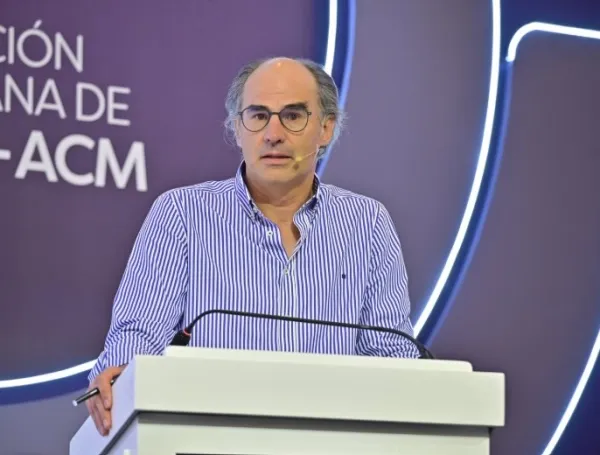
Juan Camilo Nariño: The Insider’s Edge
Opposing Murgas is Juan Camilo Nariño, the president of the Colombian Mining Association (ACM). An economist from the Pontificia Universidad Javeriana with a master’s degree in Public Affairs, Nariño brings a unique "insider" perspective to the race. Before his tenure at the ACM, he held various high-level positions within the Andi, culminating in a vice presidency. This deep institutional memory is viewed by many board members as a critical asset, particularly as the association seeks to maintain continuity during a period of external pressure.
Chronology of a Resignation: The Mac Master Era Ends
The current selection process is the direct result of a power struggle that culminated on October 1, 2026, when Bruce Mac Master announced his resignation. After nearly 13 years at the helm, Mac Master’s departure marked the end of an era defined by his efforts to modernize the guild’s communication strategies and his vocal defense of the private sector.
The Breakdown of Relations
The friction between Mac Master and the administration of President Abelardo De La Espriella reached a breaking point in late September. In his resignation letter, Mac Master explicitly cited "multiple pressures" that had systematically eroded his ability to operate with the necessary autonomy. While the government maintained its distance, the board of directors, led by Rodolfo Castillo, formally accepted the resignation on October 5, 2026.
Castillo was quick to defend the outgoing president’s legacy, noting during a recent address to affiliates that Mac Master did not leave due to a lack of confidence from the business community. "He left because those in power failed to recognize his value and the essential role of the private sector in the social contract," Castillo stated.
The Search Process
In the weeks following the resignation, the board engaged the international executive search firm Heidrick & Struggles to identify candidates. The initial shortlist of five candidates—which included former Foreign Minister Jaime Bermúdez and the former head of the Bogotá Chamber of Commerce, Nicolás Uribe Rueda—was eventually whittled down to three, before the recent withdrawal of De Hart.
The De Hart Controversy: Transparency Under Scrutiny
The exit of Carlos de Hart has cast a shadow over the selection mechanism. In a letter that surfaced via journalist Melquisedec Torres, De Hart articulated a profound disconnect between the candidates and the governing board.
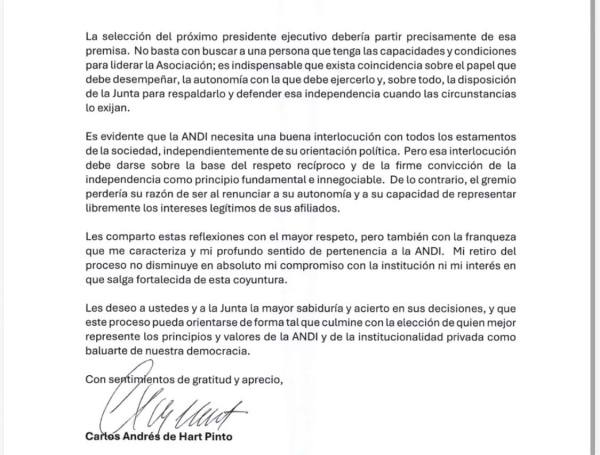
De Hart claimed he had requested his removal from the process before the shortlist was made public, citing a lack of formal communication. He described it as "surprising and disconcerting" to learn of his status as a finalist through news outlets rather than through the board’s designated channels.
Criticisms of the Selection Mechanism
Beyond the communication failures, De Hart leveled a structural critique at the board. He argued that the planned format for the final selection—a brief presentation by the candidates without a Q&A session or an open exchange of ideas—was insufficient. According to De Hart, this "closed-door" approach prevented a meaningful verification of whether there was true alignment between the candidate’s vision and the board’s expectations.

"Without the ability to debate principles and expectations," De Hart wrote, "the process risks becoming a merely procedural act rather than a strategic selection of leadership."
Economic Implications and Future Challenges
The incoming president of the Andi will inherit a complex mandate. The board has already signaled a shift in organizational management, approving an adjustment that will result in a lower salary structure for the next president compared to the compensation received by Mac Master.
Navigating the Political Climate
The primary challenge for either Murgas or Nariño will be the management of the association’s relationship with the executive branch. The "firmeza" (firmness) requested by Mac Master in his farewell address serves as a rallying cry for an association that feels increasingly marginalized by government policy.
The mining and energy sectors, which the two candidates represent, are currently at the center of the government’s transition policies. The next president must be a diplomat capable of balancing the interests of the industrial sector with the government’s push for a "green" economy, while simultaneously defending the fundamental principles of free enterprise that have defined the Andi for decades.

A Turning Point for the Guild
The choice of either Murgas or Nariño will send a clear signal about the future direction of the Andi. A selection of Murgas could be interpreted as a pivot toward a more modern, inclusive image, while a selection of Nariño might signal a desire for stability and institutional continuity.
As the November 10 board meeting approaches, the pressure on the directors is immense. They are not merely choosing an executive; they are choosing the voice of the Colombian business sector at a moment when that voice is being challenged on multiple fronts—from the volatile fluctuations of the dollar to the increasing regulatory burden on businesses.

Conclusion: The Path Ahead
The resignation of Bruce Mac Master and the subsequent selection process have exposed the internal tensions within the Andi. The withdrawal of Carlos de Hart serves as a reminder that the elite of the Colombian business world expects a high degree of transparency and engagement from their governing bodies.
As the nation waits for the official announcement, the candidates continue to refine their positions. For Luz Stella Murgas and Juan Camilo Nariño, the final days of the campaign will be about proving to the board that they can weather the political storms ahead. Whoever takes the chair at the Andi will face the daunting task of maintaining the unity of the guild while charting a path for the private sector in an era of profound, and often turbulent, change.

The result of the November 10 vote will define the narrative of the Colombian industrial sector for years to come. In the words of the outgoing leadership, the goal remains the same: to protect the core principles of the guild while adapting to a new, and undeniably difficult, reality.