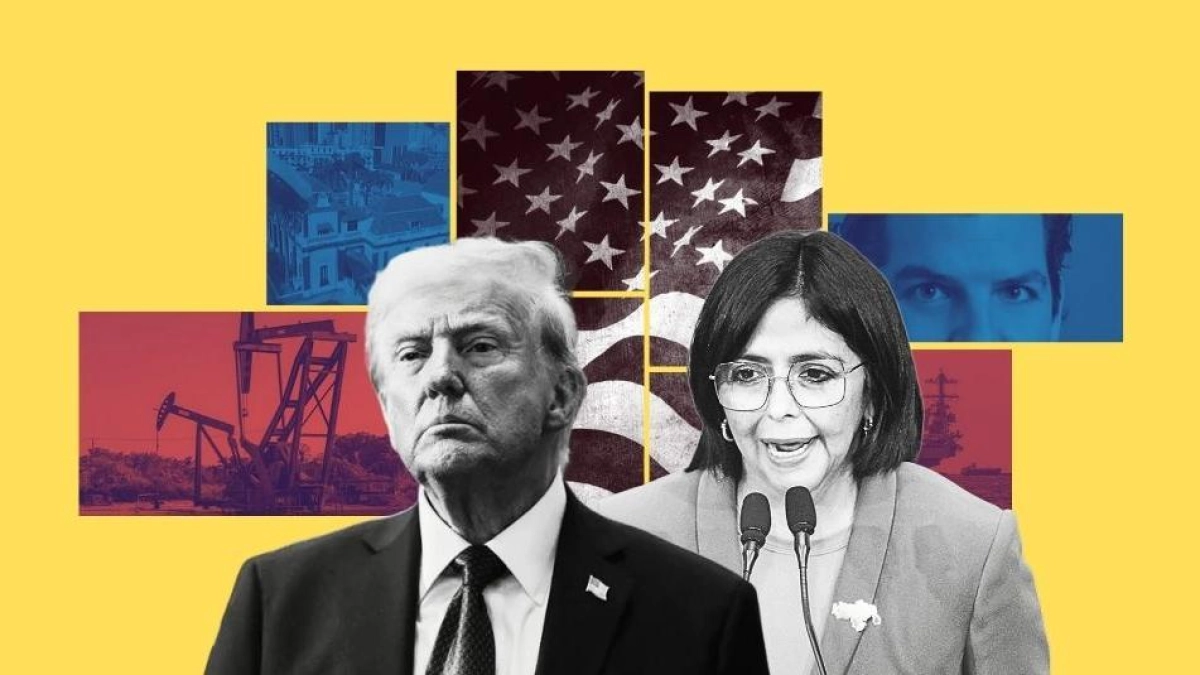
INTERNATIONAL DESK — In what could mark one of the most dramatic geopolitical realignments in modern Latin American history, the United States and Venezuela are reportedly engaged in discreet negotiations to establish a foundational military agreement. According to high-ranking U.S. officials speaking on the condition of anonymity, the discussions aim to lay the groundwork for a long-term U.S. military presence in the South American nation.
The revelation, initially brought to light by The New York Times, highlights a stunning evolution in bilateral relations. Just months after a period of open hostility and direct military confrontation, Washington and Caracas appear to be forging a deep strategic partnership encompassing defense cooperation, counterterrorism, and vast economic concessions centered on Venezuela’s massive energy reserves.
Main Facts: The Blueprint for a Strategic Military Partnership
The core of the ongoing negotiations centers on what is formally known as a Status of Forces Agreement (SOFA). While a SOFA does not inherently guarantee the immediate construction of permanent U.S. military bases or the large-scale deployment of combat troops, it provides the essential legal and administrative framework required for foreign military personnel to operate securely within a host nation.
According to details provided by U.S. officials, these agreements typically codify protocols for:

- Mutual defense cooperation and shared security objectives.
- Legal protections and jurisdictional frameworks for visiting or stationed service members.
- Logistical support, including port visits by naval vessels, joint training exercises, and humanitarian assistance operations.
However, administration sources emphasize that specifics regarding troop numbers, permanent base locations, or operational timelines remain undefined. One official noted that the physical placement of troops on Venezuelan soil is "very, very far in the future" and cautioned that formal discussions regarding permanent basing are not yet active.
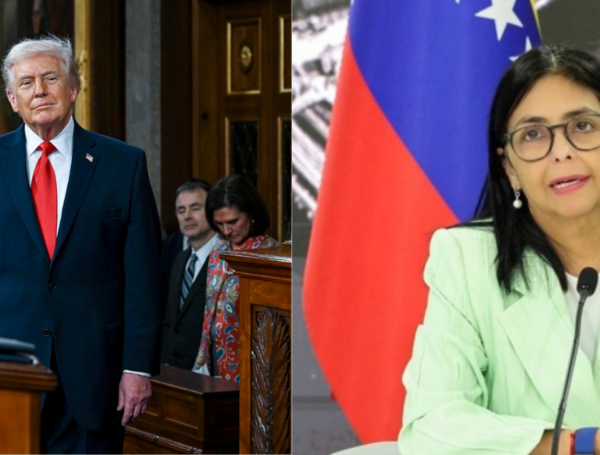
The diplomatic push is being spearheaded by the U.S. Department of State under the direction of Secretary of State Marco Rubio. Late in October, State Department officials briefed select members of the U.S. Congress on the sensitive nature of the talks, recognizing both the strategic value and the inherent risks of the proposed pact.
Chronology of a Shift: From Direct Confrontation to Deep Cooperation
To understand the magnitude of the current negotiations, it is necessary to examine the rapid sequence of geopolitical events that has reshaped Venezuela since the turn of the year:
- January 3, 2026: U.S. forces execute a high-stakes military incurrence into Venezuela, culminating in the capture of longtime socialist leader Nicolás Maduro. The operation results in direct, albeit brief, armed clashes between U.S. troops and the Venezuelan military.
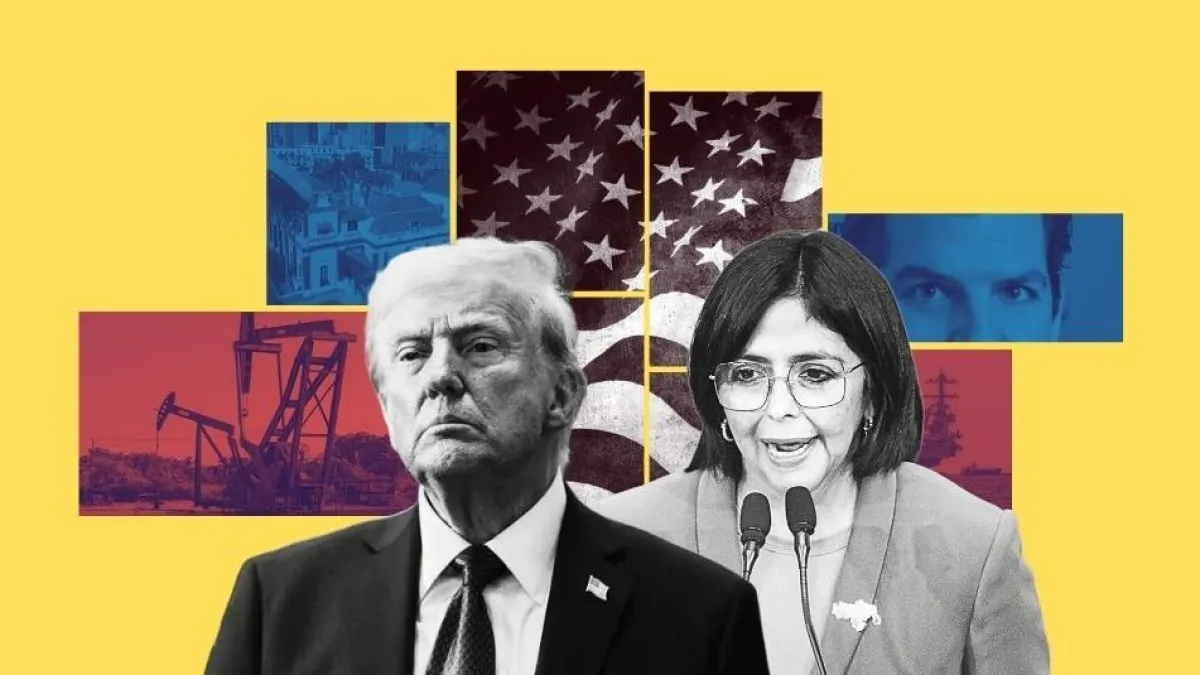
- Early 2026: Following Maduro’s removal, an interim administration headed by Delcy Rodríguez assumes power. Eschewing the belligerent anti-Washington rhetoric of her predecessor, Rodríguez’s government initiates a pragmatic pivot toward the United States, seeking to stabilize the economy and reintegrate Venezuela into the global financial system.
- September 2026: Energy cooperation deepens significantly. U.S. Energy Secretary Chris Wright visits Caracas to finalize landmark economic and petroleum accords. The pact grants the United States preferred access and operational control over 17 major oilfields housing an estimated 65 billion barrels of proven crude reserves.
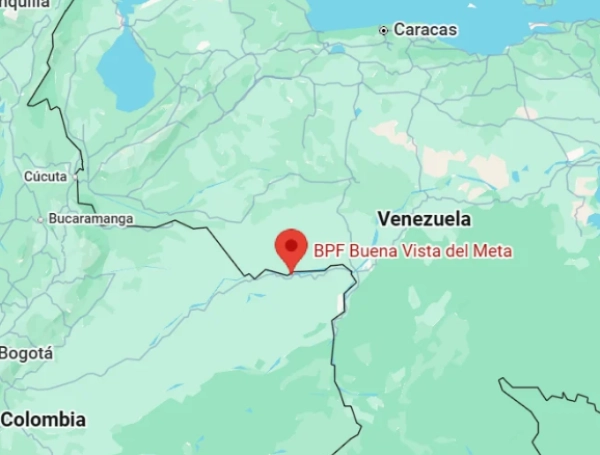
- Late October 2026: Security ties translate into tactical operations. Venezuelan armed forces execute a precision-guided bombing campaign targeting an ELN (National Liberation Army) guerrilla camp near the porous Colombian border. Investigative reports reveal that the operation benefited directly from U.S. intelligence, technological assistance, and drone deployment coordination.
- Early November 2026: The New York Times publishes its explosive report regarding the secret SOFA negotiations, confirming that defense talks have advanced far beyond mere counter-narcotics cooperation into discussions of a formalized, long-term military footprint.
Supporting Data and Strategic Context
The dialogue between Washington and Caracas does not happen in a vacuum. It is deeply embedded in the broader regional security framework promoted by U.S. President Donald Trump, which prioritizes aggressive transnational crime dismantling, resource security, and the curtailing of hostile foreign influence in the Western Hemisphere.
The Energy Equation
The economic bedrock of this geopolitical pivot is undeniable. Decades of underinvestment, mismanagement, and international sanctions had crippled Venezuela’s oil infrastructure. By opening the taps to U.S. energy firms and granting Washington preferential rights over fields holding 65 billion barrels of crude, the Rodríguez administration has tied its political survival directly to American economic interests.
Regional Anti-Crime Operations
Security cooperation has rapidly graduated from intelligence-sharing to joint kinetic actions. The recent border bombing of the ELN camp—a notorious Colombian guerrilla organization long operating with impunity across Venezuelan territory—demonstrates a shared operational goal: neutralizing armed non-state actors that threaten regional stability.
Official Responses and Domestic Reactions
As of press time, the interim government in Caracas, led by Delcy Rodríguez, has maintained a tight silence, issuing no formal public statements regarding the reports of the SOFA negotiations. The lack of official commentary reflects the delicate political balancing act the current leadership must perform.
Domestic Resistance in Venezuela
While pragmatic sectors of the political and business elite welcome U.S. engagement as a pathway to economic recovery, the prospect of an enduring American military presence touches a deep nerve in a country historically shaped by fierce anti-imperialist rhetoric.
Political analysts and regional experts estimate that hardcore Chavismo still retains the active ideological loyalty of roughly 10 to 20 percent of the Venezuelan populace. This minority includes entrenched factions within the National Armed Forces (FANB) and various internal security apparatuses. Introducing U.S. boots on the ground risks triggering severe internal backlash, potential fractures within the military hierarchy, and fierce resistance from nationalist civil sectors.
Geopolitical Implications: A High-Stakes Gamble
The pursuit of a long-term military agreement between the United States and Venezuela represents a calculated, high-stakes gamble for both nations.
For Washington, securing a strategic foothold in a historically hostile nation rich in natural resources offers an unparalleled advantage in projecting stability, combating illicit trafficking, and ensuring energy security in northern South America. It effectively rewrites the security architecture of the Caribbean basin.
For Caracas, aligning with the United States provides a vital shield for economic reconstruction and external security against regional threats. However, it walks a perilous tightrope. Navigating the transition from bitter adversaries to close security partners will require immense diplomatic dexterity to avoid alienating domestic stakeholders and to ensure that the partnership remains mutually beneficial rather than neo-colonial in perception.

As the State Department continues its briefings with lawmakers and discussions with Venezuelan counterparts progress behind closed doors, the international community watches closely. What began as a dramatic military intervention in January has evolved into a complex, strategic realignment that could permanently alter the geopolitical map of the Americas.