As the calendar turns toward the final months of 2026, a growing consensus among climate scientists and concerned citizens has emerged: the El Niño phenomenon is not merely a distant possibility but an imminent reality that threatens to disrupt the environmental and economic stability of the region. Despite recent, deceptive rainfall that has lulled the public into a sense of false security, experts warn that the true severity of this climatic event is yet to manifest.
The current discourse, underscored by recent correspondence from vigilant citizens and reinforced by meteorological data, highlights a critical need for systemic preparedness. The message is clear: the current wet spell is a seasonal aberration, not a sign of the phenomenon’s retreat. As we approach the drier months of December and January, the stakes for agriculture, water security, and public policy have never been higher.
Chronology of a Developing Crisis: Misleading Rain and Future Forecasts
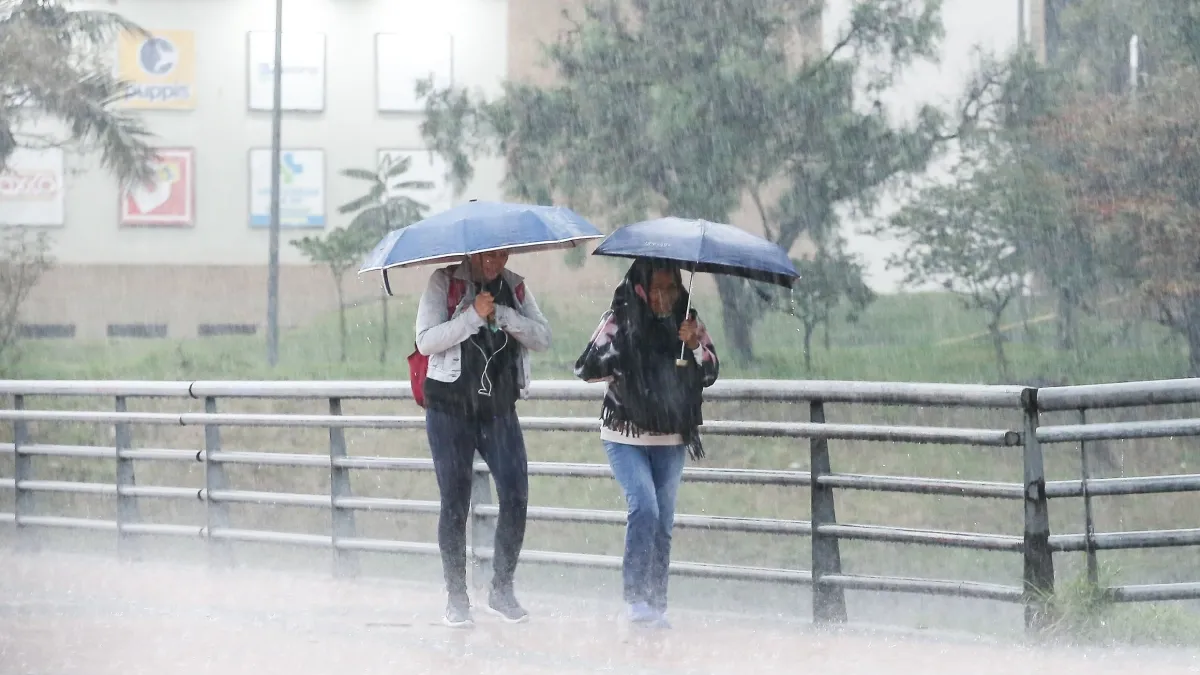
To understand the urgency of the situation, one must look at the recent climate trajectory. October and November are, by historical standards, months characterized by significant precipitation. This seasonal rainfall has effectively masked the underlying climatic shift, leading many to believe that the threat of a severe summer has dissipated.
However, meteorologists point to a distinct "El Niño" signal that remains active in the Pacific. Throughout the latter half of 2026, thermal anomalies have been consistent with a strengthening El Niño event. While the atmospheric response has been tempered by local moisture patterns, the transition into the solstice period is expected to strip away this veil of humidity.

- October 2026: Heavy rainfall creates a "false sense of security" among the general population, contradicting the warnings of climate models.
- Late November 2026: Anticipated shift in wind patterns expected to begin the drying process, setting the stage for a period of intense heat.
- December 2026 – January 2027: The critical window. Historical data suggests these months will transition into a harsh, arid summer. Experts warn that this period could see record-breaking temperatures, exacerbating the risk of wildfires and agricultural failure.
Supporting Data: The Science Behind the Warning
The skepticism regarding the intensity of El Niño is often born from a lack of public understanding regarding long-term climate cycles. The current phenomenon is characterized by an abnormal warming of the surface waters in the central and eastern tropical Pacific.
According to climatological reports, the atmospheric pressure changes associated with this warming alter the global circulation patterns, resulting in localized drought conditions for parts of South America. When these global patterns coincide with the local summer—a time when farmers traditionally rely on consistent weather—the impact is amplified.
Furthermore, data suggests that the lack of institutional memory regarding previous severe El Niño events has led to a degradation of water management infrastructure. "The earth is already dry beneath the surface," one climate expert noted. "Even if we see rain today, it does not replenish the deep-soil moisture needed to sustain crops through the high-temperature months that lie ahead."
Official Responses and the Call to Action
The discourse surrounding the potential for a severe climate event has moved from technical journals to the public forum. Readers like Ángel María Aguilar have explicitly called upon the National Government and regional authorities to move beyond passive monitoring.

"The Niño is here and it will be more severe at the end of the year," Aguilar stated in his recent editorial contribution. "We must believe the experts and prepare ourselves. It is not just the citizens; the Government must lead in the incentivization of water storage and the promotion of rainwater harvesting technologies."
The call to action centers on three pillars:
- Infrastructure Resilience: The government is being urged to invest in regional water storage facilities before the peak of the drought hits.
- Public Education: A nationwide campaign for water conservation is deemed urgent. The culture of waste, which is currently prevalent in many urban centers, must be replaced with a rigorous focus on sustainability.
- Agricultural Support: Farmers are facing a dual threat: the heat itself and the traditional, albeit risky, practice of "slash and burn" cultivation, which risks sparking uncontrollable wildfires during the dry season.
The Urban Dimension: Bogota’s Infrastructure Struggle
While the environmental threat is existential, the urban impact, particularly in cities like Bogota, presents a logistical nightmare. Citizens like Pedro Samuel Hernández have highlighted that the city’s susceptibility to the coming climate stress is compounded by poor urban planning and a lack of civic discipline.
"The city is gridlocked, and we already know the reasons," Hernández remarked. "We have insufficient roads, and we make poor use of what we have. There is no sufficient conscience."

The implications for a city under climate stress are significant:
- Mobility as a Crisis Multiplier: When a city is already struggling with congestion, any additional pressure—such as emergency water rationing or wildfire-related smoke pollution—becomes a catalyst for total gridlock.
- Lack of Enforcement: The misuse of public space—illegal parking, the obstruction of lanes, and the lack of dedicated loading bays—prevents the efficient movement of emergency services, which would be essential during a climate-induced crisis.
Socio-Economic Implications: A National Challenge
The economic fallout of an ignored El Niño is substantial. Historically, these events lead to a spike in food prices, a decrease in hydroelectric energy production, and increased health risks due to heat-related illnesses and poor air quality.
Food Security
The agricultural sector is the most vulnerable. If farmers continue to rely on antiquated methods during the predicted drought, crop yields will suffer. This, in turn, will lead to inflationary pressure on basic food baskets, disproportionately affecting the most vulnerable sectors of the population.
Energy Independence
Given that a significant portion of the region’s electricity is generated through hydroelectric power, a severe drought poses a direct threat to the power grid. Without proactive energy management and a diversification of the energy mix, the country faces the prospect of power rationing or significant cost increases for consumers.

Public Health
The health implications of a prolonged heatwave include dehydration, respiratory issues exacerbated by fire-induced haze, and the spread of vector-borne diseases that often thrive in the changing, yet stagnant, water conditions of a drought-stricken environment.
Conclusion: The Path Forward
The warning signs are clear, and the data is unequivocal. The upcoming transition into the summer months of 2026 and 2027 is likely to be defined by a severe El Niño event. While the current rainfall provides a temporary reprieve, it is effectively a "distraction" from the reality that lies ahead.
The solution is a multi-faceted approach involving government intervention, corporate responsibility, and individual civic duty. We must transition from a reactive posture—waiting for the crisis to arrive—to a proactive one. This involves:
- Investment in Water Harvesting: Encouraging the installation of rain-capture systems in both rural and urban housing.
- Strict Regulatory Enforcement: Addressing the urban "chaos" in cities like Bogota to ensure that the city can function efficiently under stress.
- Education: A robust, sustained communication campaign to change the culture of water waste.
The climate does not wait for political cycles or personal convenience. As experts have warned, we must prepare for the worst while hoping for the best. The window for meaningful preparation is closing rapidly, and the cost of inaction will be borne by every citizen in the form of higher prices, resource scarcity, and environmental degradation. The time to act is now.