

By Editorial Staff
November 1, 2026
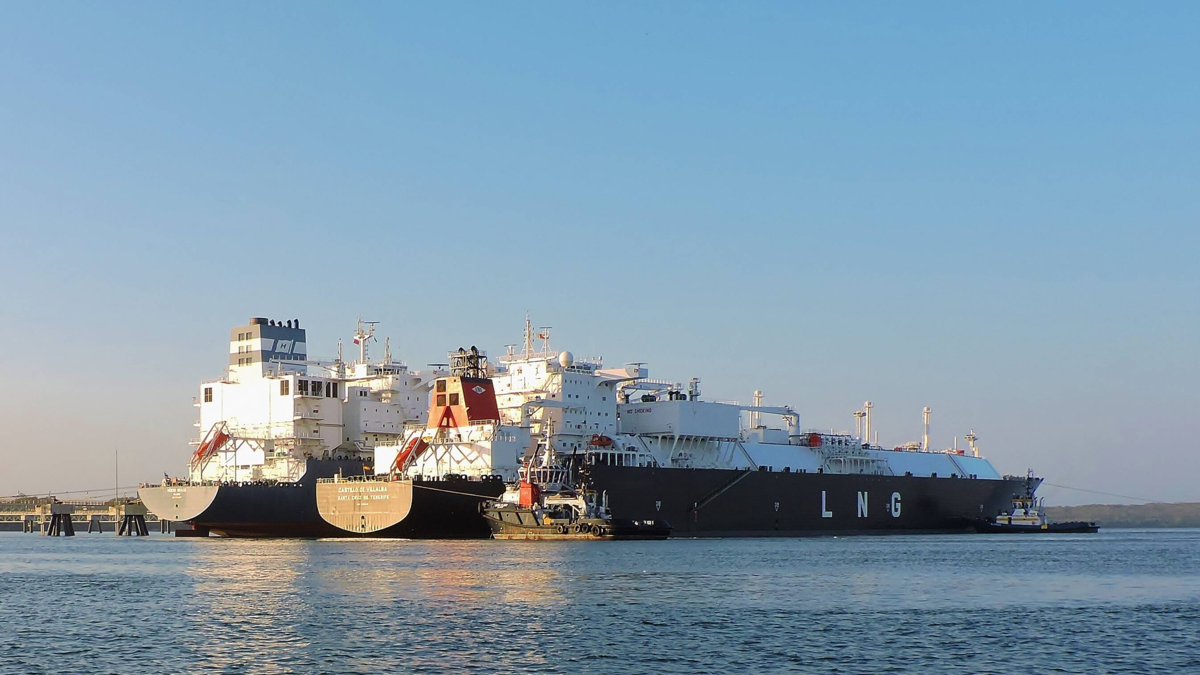
The energy landscape in Colombia breathed a sigh of relief late this week as the Ministry of Mines and Energy officially lifted the emergency limitations on natural gas supply. This decision follows the successful and early completion of critical corrective maintenance at the SPEC LNG (Sociedad Portuaria El Cayao) regasification terminal in Cartagena. The restoration of full operational capacity marks a significant milestone in ensuring the stability of the national energy grid as the country navigates complex seasonal demands.
The Return to Full Capacity
As of 11:59 p.m. on October 31, 2026, the restrictive measures mandated by the government were formally rescinded via Resolution 40596. This regulatory move signaled that the infrastructure had cleared all necessary safety and performance benchmarks.
According to official communications from the Sociedad Portuaria El Cayao, the Floating Storage and Regasification Unit (FSRU) resumed its maximum throughput capacity of 533 million cubic feet per day (Mpcd) as of 10:00 p.m. that same day. This achievement was the culmination of an intensive engineering effort aimed at repairing one of the terminal’s four primary regasification trains. By finishing the work ahead of the projected timeline, the technical teams involved managed to mitigate what could have been a more protracted period of supply uncertainty.

Chronology of the Contingency
The incident, which necessitated the temporary reduction in output, placed the terminal’s operational resilience under the spotlight. Below is the timeline of the intervention:
- Initial Detection: Technical teams identified a malfunction within one of the four regasification trains, prompting an immediate notification to the Ministry of Mines and Energy and the National Gas Operations Council (CNO Gas).
- Implementation of Mitigation: To balance the system while repairs were underway, the terminal operated at a reduced capacity of 400 Mpcd. This 133 Mpcd deficit required careful management of the national supply chain to ensure that priority sectors remained unaffected.
- Execution Phase: During the maintenance window, engineers conducted a rigorous series of safety checks and systems testing. The priority was not merely the speed of the repair, but the integrity of the FSRU’s output once restored to the grid.
- Official Resolution: Following a successful validation process, the Ministry issued Resolution 40596, effectively ending the emergency operational mode and allowing the market to return to standard commercial conditions.
Technical Significance: Why the Terminal Matters
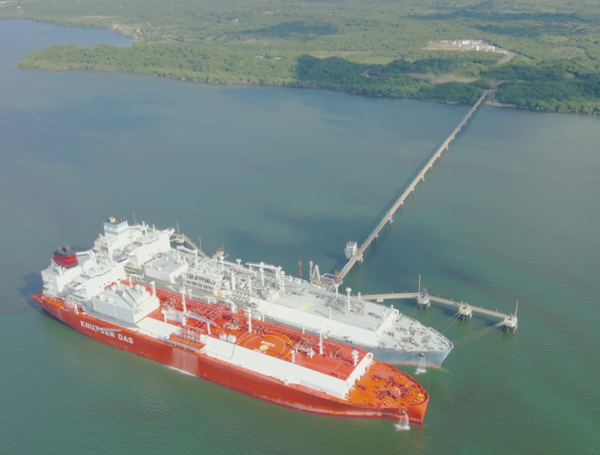
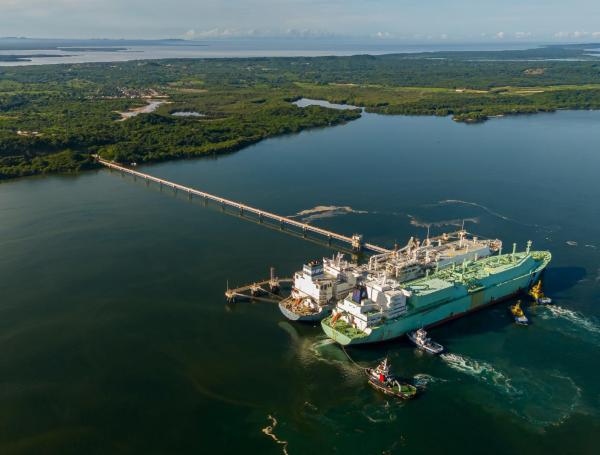
The SPEC LNG terminal is a cornerstone of Colombia’s energy security. As a regasification hub, it serves as the vital gateway for Liquefied Natural Gas (LNG) arriving by sea, which is then converted into gas for injection into the national transportation network.

During the period of reduced capacity, the primary concern of the Ministry was the protection of the "essential demand." This category encompasses the most vulnerable and critical consumers: residential households, hospitals, schools, and emergency service providers. By coordinating closely with market agents, the Ministry confirmed that, despite the 133 Mpcd reduction, the national grid successfully maintained supply to these critical sectors without significant disruption.
Official Responses and Stakeholder Coordination
The successful restoration of the terminal was described as a collaborative victory by both private and public sector actors. The Sociedad Portuaria El Cayao issued a statement expressing gratitude to the Ministry of Mines and Energy, the CNO Gas, and the various market participants who demonstrated flexibility during the maintenance period.
The Ministry, for its part, underscored the importance of proactive monitoring. "The recovery of the terminal’s capacity is a testament to the robust contingency planning in place for the energy sector," a ministry spokesperson noted. "However, we are not resting. Our commitment remains focused on the continuous surveillance of supply conditions to ensure that the reliability of the service remains intact for all Colombians."
Economic and Strategic Implications
The return to full operational status arrives at a critical juncture for the Colombian economy. As the country grapples with fiscal challenges and the necessity for sustainable growth, the stability of the energy sector is a non-negotiable prerequisite.
Energy reliability is the bedrock of industrial output. Any sustained reduction in gas availability—such as the one briefly experienced at the Cartagena terminal—can have cascading effects on manufacturing, transport, and the cost of living. The prompt resolution of this technical issue has prevented potential price volatility in the energy market and has reassured investors regarding the technical competence of the infrastructure operators.
Energy Security in a Changing Climate
The reliance on regasification hubs like the one in Cartagena is expected to grow as the energy transition progresses. While Colombia pursues renewable energy sources, natural gas remains the essential "bridge fuel" that provides base-load reliability. The efficiency with which the SPEC LNG team handled this maintenance cycle provides a positive case study for infrastructure management in a region increasingly susceptible to climatic and technical volatility.

Future Outlook: Reliability and Resilience
Looking ahead, the Ministry of Mines and Energy has reaffirmed its intention to maintain strict oversight of the gas supply chain. The lessons learned from the recent contingency will be integrated into future operational protocols.
Industry analysts suggest that the "early completion" of these works serves as a confidence boost for the energy market. With the terminal now operating at its full 533 Mpcd, the system is well-positioned to handle upcoming seasonal demand spikes. The focus now shifts toward long-term infrastructure investment to ensure that such contingencies do not become systemic risks.

As the government continues to debate broader economic reforms and the national budget, the stability of the energy sector stands as a vital indicator of administrative effectiveness. The seamless return to normal operations in Cartagena demonstrates that, despite internal pressures and complex policy landscapes, the technical infrastructure remains a pillar of national stability.
Conclusion
The restoration of the Cartagena terminal is more than just a technical fix; it is a stabilization of the nation’s energy pulse. By successfully managing the repair of the regasification train ahead of schedule, the stakeholders have successfully shielded the public from the potential fallout of a restricted supply.

As the country moves forward, the synergy between regulatory oversight, technical expertise, and private sector agility will remain the formula for maintaining the continuity of gas supply. For now, the "all-clear" signal given by the Ministry of Mines and Energy provides the certainty required for households and industries alike to continue their operations without the specter of supply shortages, reinforcing the resilience of Colombia’s energy framework in the face of unforeseen challenges.
For ongoing updates regarding the Colombian energy sector and broader economic developments, readers are encouraged to consult our digital archives, subscribe to our weekly newsletter, or follow our official channels on Facebook, Twitter, and the EL TIEMPO mobile application.