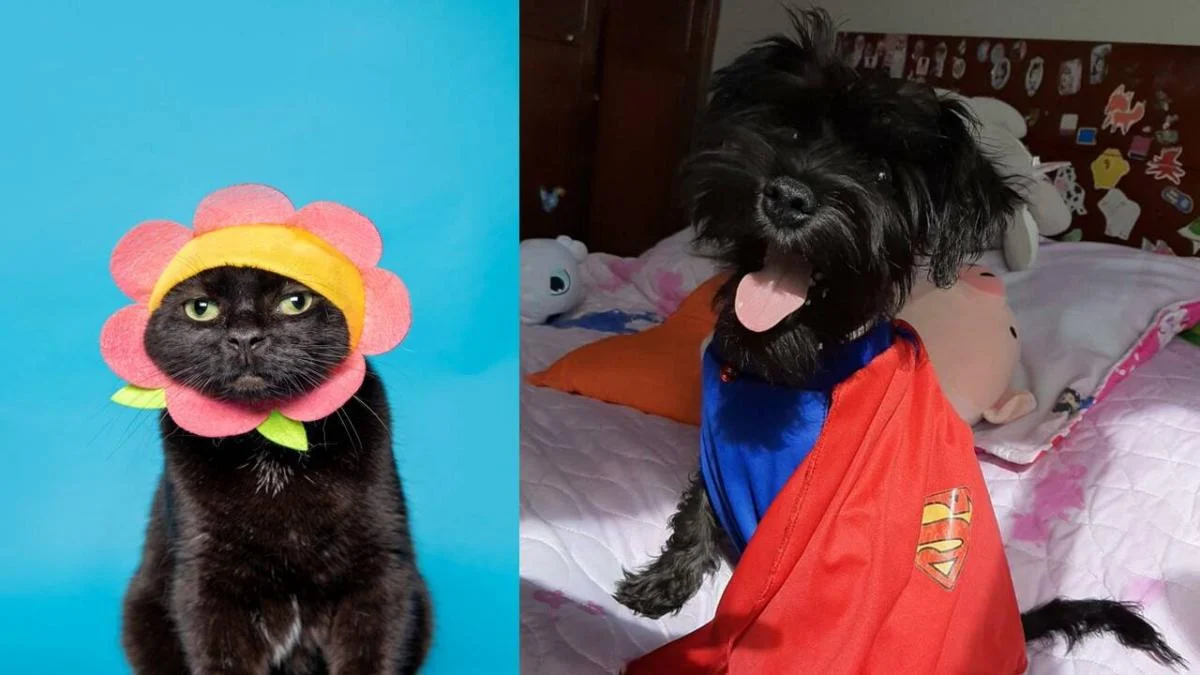
Halloween is a season defined by whimsical costumes, sugary indulgences, and vibrant community gatherings. For many, the joy of the holiday is incomplete without including the family’s four-legged companions. However, as the tradition of dressing up pets and taking them out for trick-or-treating grows in popularity, veterinary experts are raising a critical alarm: what seems like harmless fun can often lead to significant physical and psychological distress for animals.
In this special report, we delve into the expert recommendations provided by Leidy Carolina Lozada Herrera, a veterinary zootechnician and specialist in Ethology and Animal Welfare. By analyzing the biological and behavioral needs of dogs and cats, we outline how to navigate the festivities without compromising the well-being of those who cannot voice their discomfort.
The Ethology of Costumes: Why Less is Often More
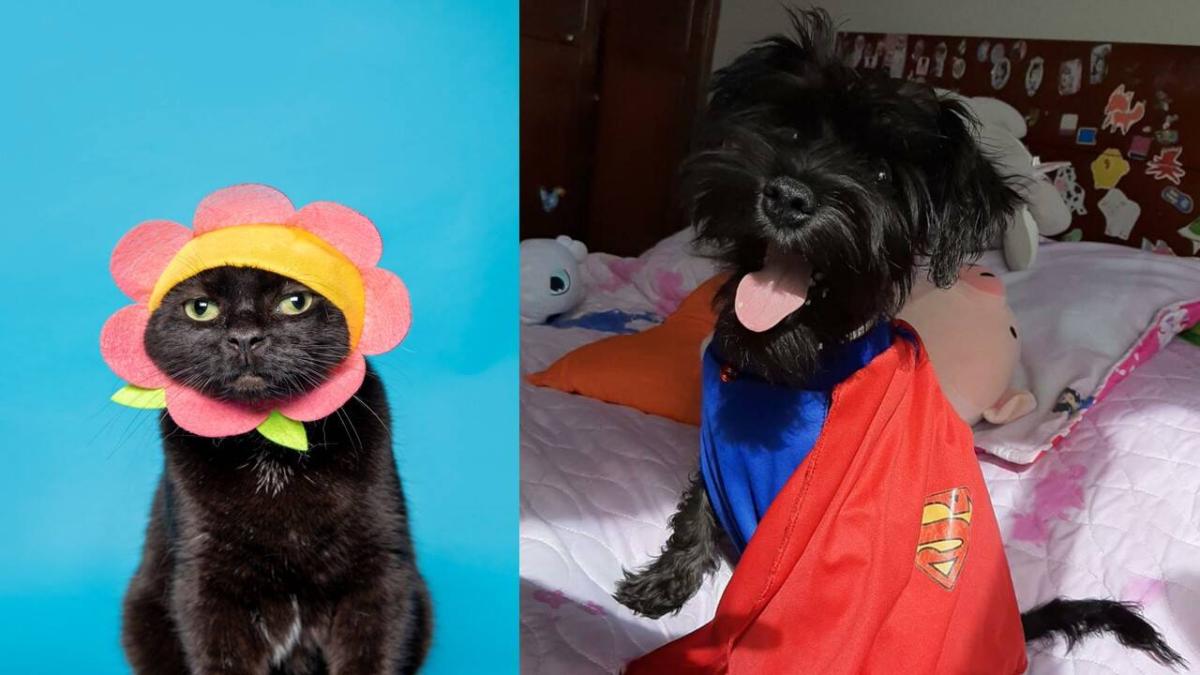
The urge to anthropomorphize our pets during Halloween is natural, but from an ethological perspective, it is a practice that requires extreme caution. According to Lozada Herrera, the use of costumes is not a biological necessity for animals and should only be considered under strict criteria: prior habituation, constant supervision, and the total absence of signs indicating discomfort.
What to Avoid: The "Do Not" List
When selecting a costume, the priority must always be the animal’s natural functionality. The following guidelines are essential to prevent health complications:

- Sensory Obstruction: Never use garments that cover the eyes, ears, nose, or mouth. A pet’s ability to see, hear, and breathe is paramount. Costumes that obstruct the nose or mouth can hinder natural panting, a dog’s primary mechanism for thermoregulation, leading to rapid overheating.
- Restriction of Movement: A costume should never impede a pet’s ability to walk, sit, lie down, or perform basic physiological functions. If a garment restricts the movement of the head, limbs, or tail, it is likely causing the animal psychological distress and physical strain.
- Hazardous Materials: Avoid heavy or rigid materials, as well as garments with small, detachable parts like buttons, bells, or sequins. These items pose a severe choking hazard if the animal decides to groom itself or chew on the costume.
- Chemical Risks: Avoid applying dyes, glitters, or paints to your pet’s fur unless the products are explicitly labeled as safe for animal use. Many human-grade cosmetic products contain toxic substances that can be ingested through licking or cause severe skin irritation.
Recognizing Signs of Distress
It is incumbent upon every pet owner to read their animal’s body language. If your pet exhibits any of the following behaviors, the costume should be removed immediately:
- Freezing or remaining unnaturally still.
- Adopting a hunched posture or cowering.
- Excessive panting or salivation.
- Attempts to hide or escape the environment.
- Persistent scratching, biting, or vocalizing toward the garment.
Chronology of a High-Risk Night
The risks of Halloween for pets are not limited to costumes; they encompass the entire environmental shift that occurs on October 31st.

The Pre-Event Phase (Late Afternoon): As dusk falls, the neighborhood environment begins to change. The arrival of strangers in masks, loud noises, and the general increase in foot traffic can trigger anxiety.
The Peak Period (Evening): As trick-or-treating reaches its height, pets are often exposed to a barrage of sensory input. For a cat or dog, this is often interpreted as a threat.
The Post-Event Phase (Late Night): This is when ingestion risks peak. Leftover candies, discarded wrappers, and decorative debris left in the home or yard present hidden dangers that require immediate owner vigilance.
Supporting Data: The Hidden Dangers in the Candy Bowl
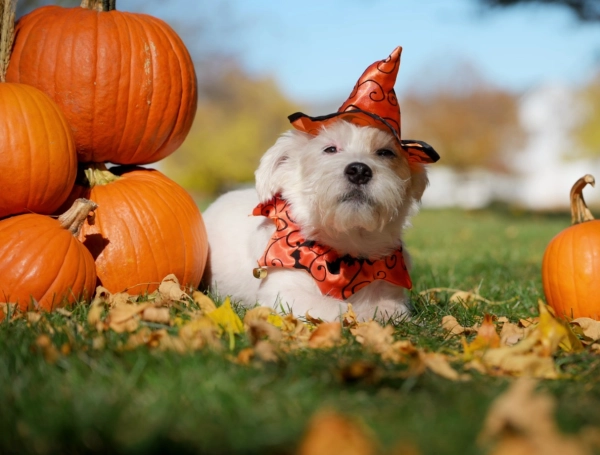
The risk of accidental ingestion is one of the most common reasons for emergency veterinary visits during Halloween. Many human treats are, at best, indigestible, and at worst, lethal.
The Toxicity Spectrum
- Chocolate: Containing theobromine and caffeine, chocolate—especially dark chocolate, cocoa powder, and baking chocolate—is highly toxic. It can trigger vomiting, diarrhea, cardiac arrhythmias, tremors, and in severe cases, life-threatening seizures.
- Xylitol: Often found in sugar-free gums and candies, this artificial sweetener is catastrophic for dogs. It induces a rapid release of insulin, leading to severe hypoglycemia, and can result in acute liver failure.
- Grapes and Raisins: Often overlooked, these common ingredients in snack foods can lead to sudden renal failure in dogs.
- Foreign Bodies: Beyond the chemistry of the food, the physical packaging is a danger. Plastic wrappers and foil can cause gastrointestinal obstructions, which often require surgical intervention.
Official Responses and Expert Recommendations
Lozada Herrera emphasizes that the best way to "celebrate" with a pet is to prioritize their routine. When the festivities become overwhelming, the pet should be provided with a "safe haven."
Creating a Sanctuary
During the hours of highest activity, keep your pet in a familiar, secure, and quiet room. This space should include:

- Hydration and Comfort: Constant access to fresh water and their favorite bedding.
- Environmental Enrichment: Provide familiar toys that can help reduce anxiety through chewing or play.
- Elevation (For Cats): Cats often feel safer when they can observe their environment from a height. Ensure they have access to vertical spaces where they feel secure.
- No Forced Interaction: Never pull a pet out of their hiding spot. If they choose to retreat, allow them to remain there until the noise and activity levels subside.
Implications for Pet Ownership
The implications of these risks extend to the legal and moral responsibility of the owner. In many jurisdictions, the owner is held strictly liable for the welfare of the animal. Beyond the legal aspect, there is the moral duty to recognize that a pet is not a toy or a prop for social media.
Practical Safety Measures:
- Secure the Perimeter: Ensure that gates, doors, and windows are securely closed. The sound of excited children at the door is a common trigger for pets to bolt or escape.
- Electrical Safety: Halloween decorations, including flashing lights and animatronics, often involve exposed cables. These can lead to electrocution if chewed. Keep all wiring away from reach.
- Supervision: Never leave your pet unsupervised in balconies, patios, or front yards during the evening. The risk of theft or injury from aggressive individuals is statistically higher during holiday celebrations.
A Final Note on Empathy
The most effective way to ensure a happy Halloween is to view the event through the eyes of the animal. If your pet enjoys social interaction and shows no signs of stress, a simple, non-restrictive accessory might be acceptable for a short duration. However, if your pet prefers the comfort of their home, respect that boundary.

Ultimately, the best Halloween memory is one where your pet remains safe, healthy, and stress-free. By shifting our focus from aesthetic perfection to the actual comfort of our animals, we honor the bond we share with them throughout the year. Remember: the holiday should be a celebration of companionship, not a source of unnecessary hardship for the most vulnerable members of our families.