By Edwin Caicedo | Environmental and Health Correspondent
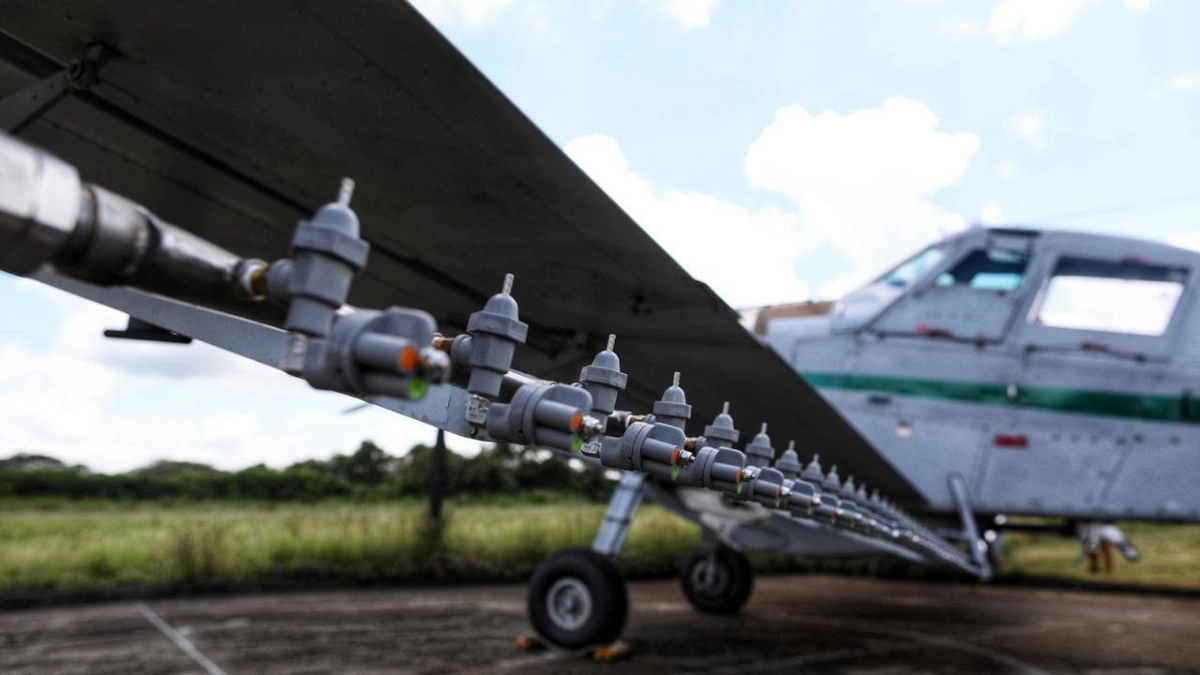
A growing divide over the future of counternarcotics policy in the Amazon has reached the halls of Washington. A coalition of 19 U.S. Democratic lawmakers has formally urged the administration of President Donald Trump to withhold all financial and logistical support for any potential resumption of aerial herbicide spraying in Colombia. The letter, delivered to Secretary of State Marco Rubio on October 29, 2026, marks a significant escalation in the international debate surrounding the ecological and humanitarian toll of forced eradication in one of the world’s most sensitive biomes.
The Core Dispute: Policy Inefficiency vs. Military Strategy
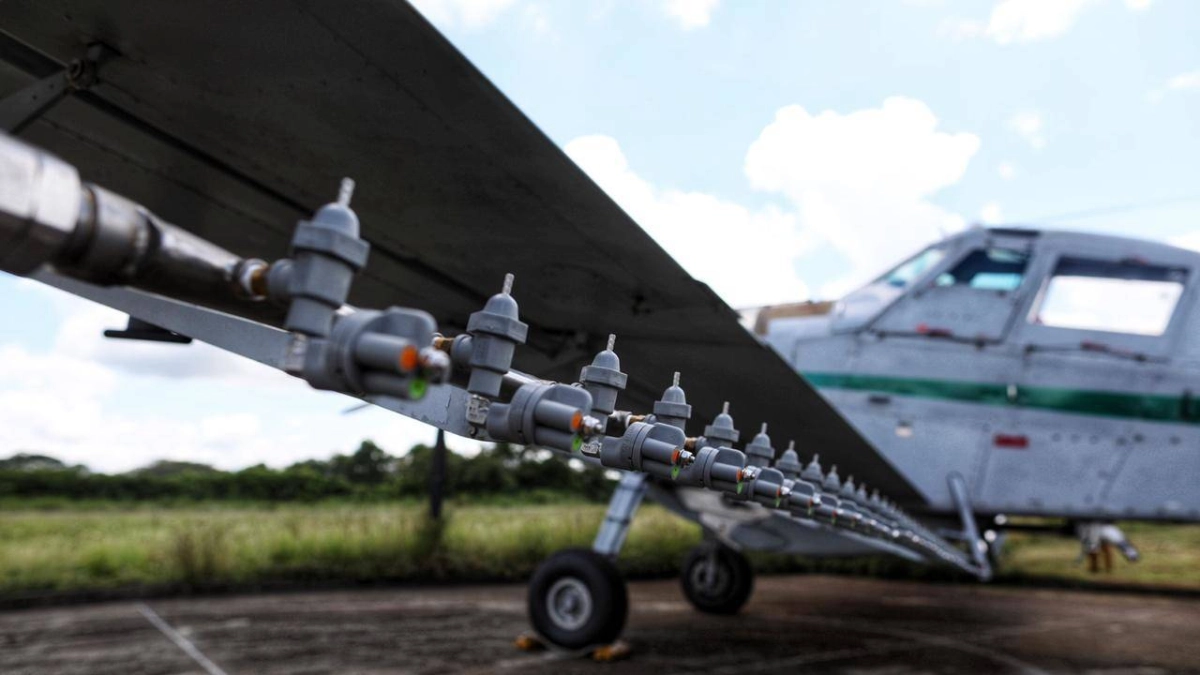
The legislative push, led by Representative Mark Pocan (D-WI), targets proposals to reintroduce aerial fumigation, specifically in the department of Putumayo. The signatories argue that the strategy is not only archaic but fundamentally ineffective.
For decades, the United States and Colombia have oscillated between aerial spraying—often involving herbicides like glyphosate—and manual eradication. The congressional letter asserts that the United States must respect Colombian institutional autonomy, urging the Trump administration to refrain from intervening in ongoing legal proceedings within the South American nation.

"We are calling for a shift in strategy," the letter suggests, emphasizing that after years of financial backing for aerial operations, the illicit crop landscape remains volatile. The lawmakers contend that U.S. resources should be redirected toward peacebuilding and economic development rather than perpetuating a cycle of environmental degradation.
A Chronology of Conflict: From Plan Colombia to the Present
To understand the weight of this protest, one must examine the history of U.S.-funded aerial eradication in Colombia:

- 1990s – 2000s: Under "Plan Colombia," aerial fumigation became the cornerstone of U.S. drug control policy in the region. Thousands of hectares were sprayed, leading to widespread allegations of health issues among rural populations and the contamination of water sources.
- 2015: The World Health Organization’s International Agency for Research on Cancer (IARC) classified glyphosate as "probably carcinogenic to humans," triggering a massive legal and political backlash in Colombia.
- 2016: The Colombian government, under the Santos administration, suspended aerial spraying, shifting focus toward the manual eradication programs outlined in the historic Peace Accords.
- 2023: A high-level delegation of U.S. lawmakers, including Representatives Alexandria Ocasio-Cortez and Greg Casar, visited Colombia to evaluate the impact of drug policy on human rights and environmental conservation.
- October 2026: Following rumors of a policy shift, 19 U.S. representatives send a formal warning to Secretary of State Marco Rubio, signaling that the current U.S. administration’s approach faces stiff opposition from the progressive wing of the Democratic Party.
Voices from the Territory: The Putumayo Perspective
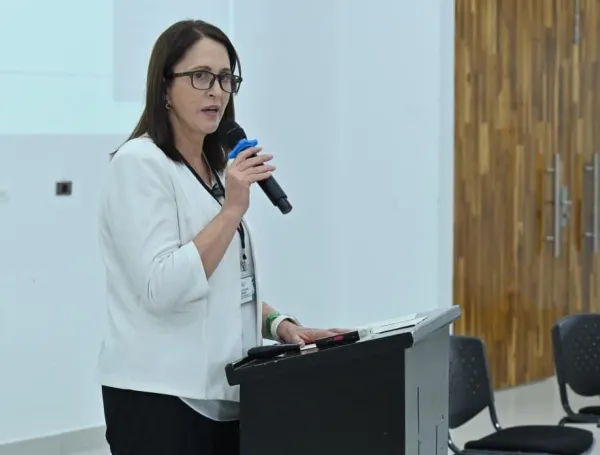
The opposition is not confined to Washington; it is deeply rooted in the communities of the Amazon. Senator Sandra Chindoy, a representative from Putumayo, has become a vocal critic of the proposed return to chemicals. Her stance is unequivocal: the Amazon is not an experimental laboratory.
"We have spent more than 20 years living under the cloud of fumigation, and the problem persists," Chindoy stated during a recent press briefing. She highlights that the focus on chemical solutions distracts from the systemic poverty and lack of infrastructure that drive farmers toward coca cultivation.
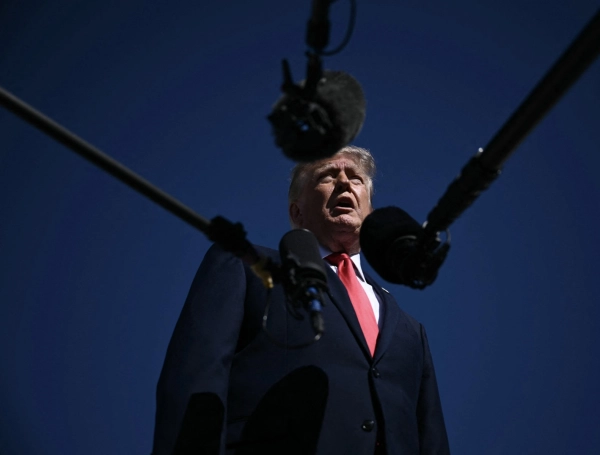
The senator expressed alarm at the potential use of new substances, such as glufosinate-ammonium. "The health of our people and the integrity of our water sources are not negotiable," she added. Chindoy advocates for a shift in the bilateral relationship with the United States—one defined by the "protection of the world’s lungs" rather than the destruction of its biodiversity.
Scientific and Environmental Implications
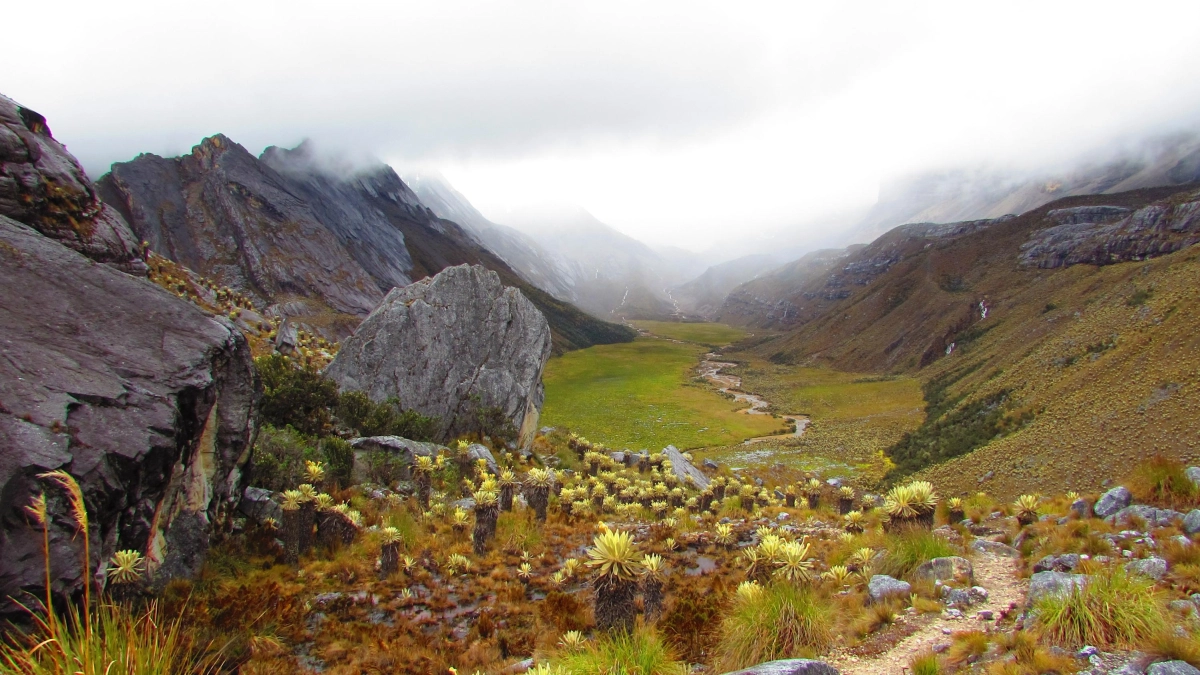
Environmental organizations are echoing these concerns, citing the fragility of the Amazonian ecosystem. Blanca Lucía Echeverry, director of the Interreligious Initiative for Tropical Forests (IRI-Colombia), notes that any decision involving chemical dispersal must be subject to rigorous scientific scrutiny.
"The decision-making process must account for the irreparable damage to biodiversity and the long-term health of the communities that inhabit these forests," Echeverry said.
Furthermore, the issue of the "balloon effect"—the geographic displacement of illicit crops—remains a major concern. Andrew Miller, Director of Advocacy for Amazon Watch, warned that if the U.S. supports a militarized approach, it will only push illicit activities into more remote, pristine areas of the Amazon.
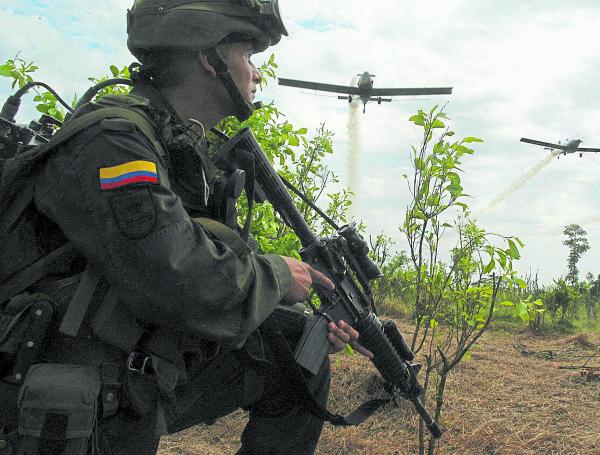
"Repeating the failed ‘war on drugs’ model is not just a tactical error; it is a catalyst for deforestation," Miller argued. He suggests that the current U.S. focus on "The Shield of the Americas" and the "Donroe Doctrine" misses the mark by failing to address the socio-economic drivers of the drug trade. According to Miller, these doctrines prioritize security-centric solutions while ignoring the need for sustainable development that would provide rural Colombians with viable alternatives to the illicit economy.
Official Responses and Political Implications
The letter to Secretary of State Rubio puts the Trump administration in a delicate position. On one hand, there is pressure from conservative factions within the U.S. and Colombia to return to "hardline" tactics to curb drug trafficking. On the other, the congressional opposition led by Pocan, McGovern, Ocasio-Cortez, and Casar signals a unified front that could complicate the funding of such operations through the U.S. appropriations process.

The lawmakers’ insistence that the White House "respect Colombian institutions" is a clear signal that they intend to monitor the legal battles currently playing out in the Colombian Constitutional Court and the Council of State. By framing the issue as a matter of institutional sovereignty, the Democrats are attempting to prevent the U.S. State Department from exerting undue influence over domestic Colombian environmental law.
The Path Forward: Towards a Sustainable Cooperation?
The current impasse raises a fundamental question: What does effective cooperation look like in the 21st century?
The consensus among the dissenting voices is that the "military-industrial" approach to drug eradication has reached its limit. Instead, they propose a transition toward:
- Sustainable Economic Alternatives: Investing in the agricultural potential of the Amazon, such as agroforestry and sustainable timber, to create legitimate income streams for smallholders.
- Peacebuilding Integration: Ensuring that drug policy is subservient to the broader goals of the Colombian Peace Accords, which prioritize the voluntary substitution of crops over forced eradication.
- Environmental Stewardship: Recognizing the Amazon as a global asset whose protection is essential for climate stability, making the use of toxic chemicals in the region fundamentally contradictory to global environmental commitments.
As the debate continues, the eyes of both Washington and Bogotá remain fixed on the Amazonian basin. For the inhabitants of Putumayo, the stakes are not merely political; they are existential. The demand from the U.S. Congress to halt funding serves as a reminder that the "war on drugs" is being re-evaluated not just through the lens of security, but through the lenses of human rights, public health, and planetary survival.
The administration’s next move—whether to push forward with the backing of chemical eradication or to engage in a new dialogue regarding development-led strategies—will likely define the tone of U.S.-Colombia relations for the remainder of the current term. For now, the voices of the 19, backed by the grassroots efforts of leaders like Senator Chindoy, have ensured that the path toward a return to aerial spraying will be met with significant, well-organized resistance.