By Angie Rodríguez | Travel & Trends Desk
Published: October 30, 2026
Main Facts: The Phenomenon of Set-Jetting
Movies and television shows have always possessed a unique power: they do not merely tell stories; they transport audiences to entirely different realms. Beyond plotlines and character arcs, the physical backdrops of our favorite on-screen moments often steal the show. This burgeoning travel trend—famously dubbed "set-jetting" or cinematic tourism—has radically transformed how modern travelers choose their destinations, vacation rentals, and hotels.
Today, tourists are no longer content with standard holiday packages or generic resorts. Instead, they seek out specific geographic coordinates, boutique hotels, and historic landscapes that have served as primary shooting locations for blockbuster films and binge-worthy streaming series, or that simply evoke the distinct aesthetic atmosphere of their beloved fictional universes.
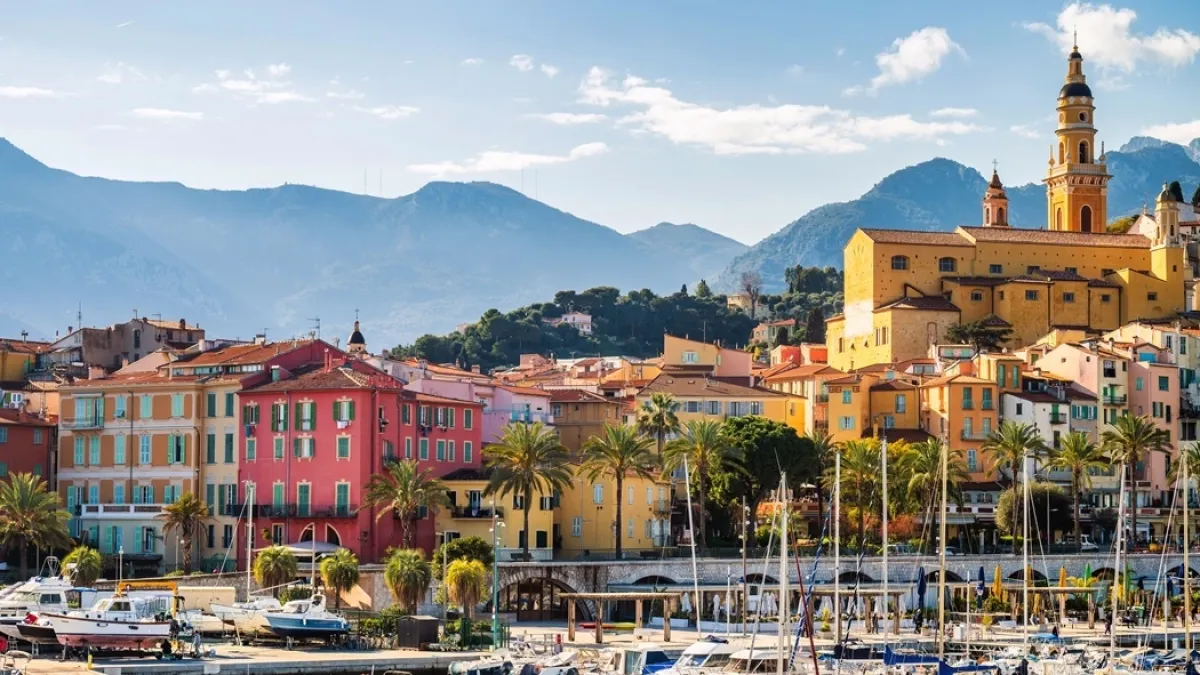
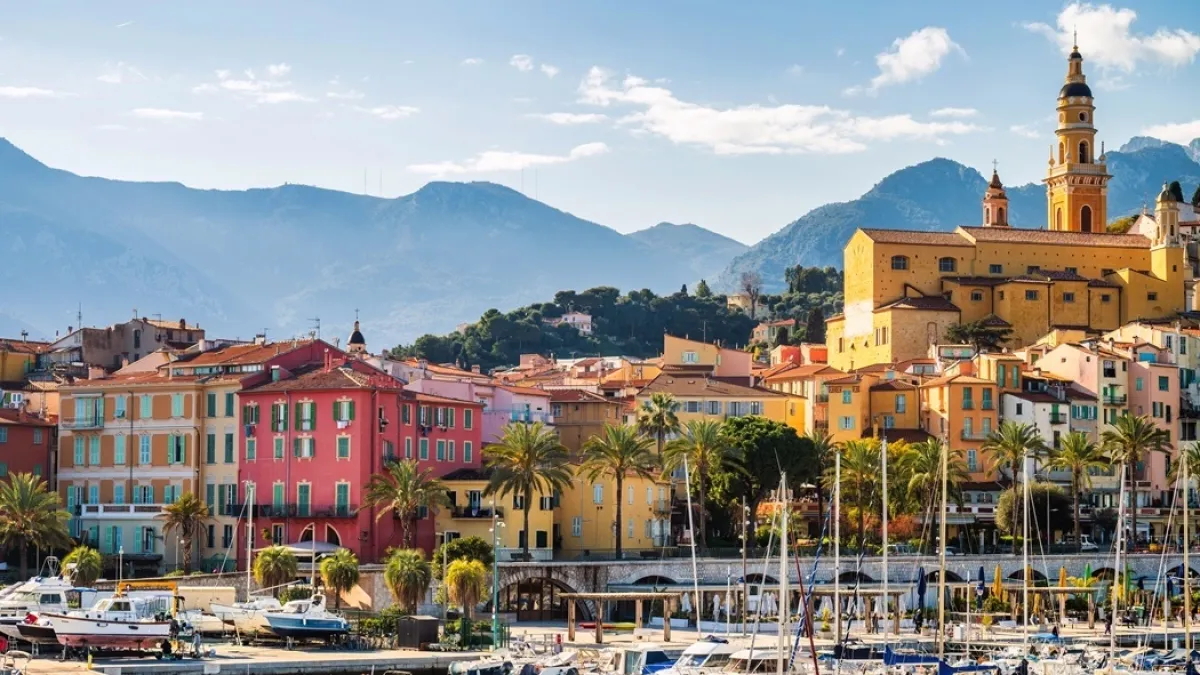
France, with its cinematic history, unmatched architectural heritage, and diverse landscapes, stands at the absolute epicenter of this cultural shift. From the sun-drenched, high-roller glamour of Cannes and Saint-Tropez to the intellectual, artistic charm of Paris’s iconic neighborhoods, the nation’s most storied spaces have fueled the global film imagination for decades.
Capitalizing on this profound consumer desire, global accommodation giants like Booking.com have curated elite portfolios designed specifically for travelers chasing cinematic nostalgia. These handpicked escapes range from majestic palaces and Mediterranean-facing luxury hideaways to discreet sanctuaries spanning three distinct, highly coveted French regions: the French Riviera, Cannes, and Paris.
Chronology: From Silver Screen Backdrops to Mainstream Travel Motives
To fully understand the set-jetting phenomenon, it is essential to trace how cinema transitioned from a passive medium of inspiration into an active catalyst for the global tourism economy.

- The Mid-20th Century (The Golden Age of Hollywood Abroad): Classic Hollywood films shot on location in Europe—such as Alfred Hitchcock’s To Catch a Thief (1955), filmed extensively along the French Riviera starring Cary Grant and Grace Kelly—first planted the seed of aspirational European travel in the global consciousness. At the time, however, travel remained a luxury reserved for an elite demographic.
- The Late 1990s and 2000s (The Franchise Boom): With the rise of international mega-franchises (such as the James Bond series, The Lord of the Rings, and later, fantasy television epics), fans began organizing grassroots pilgrimages to specific filming sites. Tour operators started noticing localized spikes in tourism whenever a major studio project debuted in a specific region.
- The Streaming Era (2015–2023): The explosion of on-demand streaming platforms (Netflix, HBO, Amazon Prime) accelerated visual consumption globally. Series like Emily in Paris, The White Lotus, and Succession began dictating real-time cultural conversations. Viewers could instantly consume an entire season over a weekend, triggering immediate, massive spikes in web searches for the filming locations featured on screen.
- The Post-Pandemic Travel Revolution (2024–2026): Following years of travel restrictions, global consumer behavior shifted decisively toward experiential tourism. Travelers began prioritizing emotional resonance, storytelling, and unique memories over conventional luxury. Set-jetting evolved from a niche hobby for cinephiles into a multi-billion-dollar market driver, prompting hospitality platforms to institutionalize cinematic curation as a core marketing strategy.
Supporting Data: The Psychology and Economics of Cinematic Travel
Recent market data from the travel and hospitality sectors reveals compelling insights into the motivations driving modern set-jetting enthusiasts:
- The Shift in Booking Criteria: According to tourism behavioral studies, over 60% of millennial and Gen Z travelers admit that a film or television show has directly inspired their choice of vacation destination over the past two years.
- Beyond Comfort: Traditional metrics—such as room square footage, proximity to commercial centers, or standard resort amenities—have taken a back seat. Emotional connection, narrative authenticity, and the desire to inhabit a character’s lifestyle now rank among the top three decision-making factors when booking high-end accommodations.
- Digital Amplification: Hashtags related to cinematic travel across social media platforms like TikTok, Instagram, and Pinterest have generated billions of impressions, creating an almost instantaneous feedback loop between screen time and booking inquiries.
To cater to this psychological shift, curators have mapped out specific geographical nodes in France where architecture, history, and cinematic fantasy seamlessly converge.
1. The French Riviera and the Timeless Allure of Saint-Tropez
The Mediterranean coast of France has long been synonymous with sun-soaked opulence, exclusivity, and an enviable vacation lifestyle. In Saint-Tropez, legendary properties like the Château de la Messardière encapsulate the cinematic fantasy of the Riviera. Perched high with sweeping panoramic views, its historic grandeur and palatial estate grounds evoke the golden age of European cinema, making guests feel as though they have stepped directly into a timeless romance or high-stakes drama.
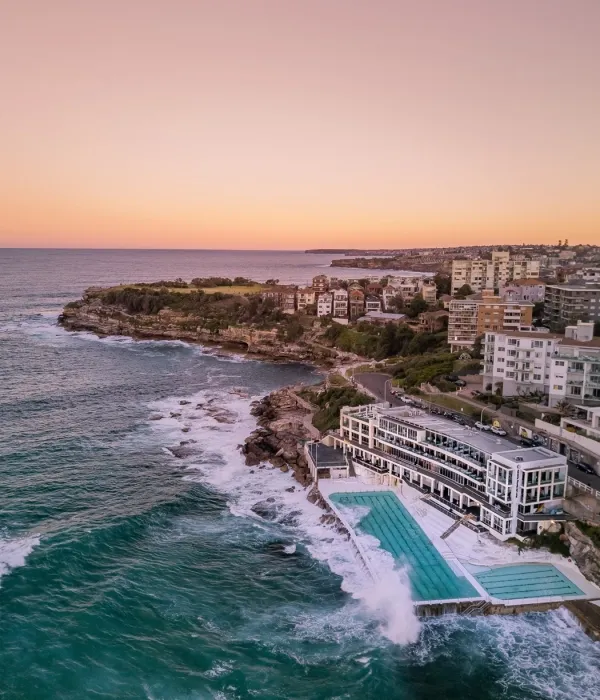
For travelers seeking a more secluded, nature-imbued narrative, the region offers alternatives such as the Château de Valmer in La Croix-Valmer, which balances lush greenery with holistic wellness programs. Meanwhile, Les Roches Rouges in Saint-Raphaël channels a distinctly mid-century modernist aesthetic, sitting right at the water’s edge and offering a contemporary architectural interpretation of Mediterranean leisure.
2. Cannes: Where Art, Cinema, and Elite Luxury Intersect
Few places on earth are as inextricably linked to the seventh art as Cannes. Anchored by the world-famous Palais des Festivals et des Congrès, the glamorous Boulevard de la Croisette, and decades of red-carpet history, the city represents the ultimate intersection of glamour and high society.
Among the crown jewels of cinematic hospitality in this area is the Hôtel Martinez. Recognized worldwide for its iconic Art Deco architecture and illustrious Hollywood history during the Cannes Film Festival, it remains a living museum of film lore. Extending this cinematic journey along the coast, the Hôtel Belles Rives in Juan-les-Pins preserves an authentic 1920s jazz-age aesthetic right on the water, while the ultra-exclusive Cap d’Antibes Beach Hotel delivers a sleek, minimalist, contemporary vision of Mediterranean luxury.

3. Paris and the Poetic Elegance of the Rive Gauche
No exploration of French cinematic culture would be complete without paying homage to the capital. Paris has served as the ultimate protagonist in thousands of cinematic masterpieces, ranging from French New Wave classics to modern romantic comedies and prestige television series.
On the historic Left Bank (Rive Gauche), properties like the legendary Hôtel Lutetia combine architectural heritage, sophisticated interior design, and a cultural pedigree that attracts artists, writers, and filmmakers alike. Just steps away in the literary heart of Saint-Germain-des-Près, the Hôtel d’Aubusson offers an intimate, tapestry-adorned sanctuary that transports guests into an intellectual, time-honored Parisian narrative.
Official Responses and Industry Perspectives
Industry leaders and hospitality executives have publicly acknowledged the profound impact that the entertainment industry now holds over travel patterns.

“Travelers are no longer just looking for a place to sleep; they are looking to inhabit a story,” notes a senior representative from Booking.com’s trend analysis division. “When a consumer books a room at a historic property on the Croisette or a palace overlooking the Mediterranean, they aren’t just purchasing accommodation—they are purchasing proximity to a dream, a memory, and an emotional connection forged on their screens.”
Cultural economists point out that this trend has breathed new life into historical properties. Independent hoteliers report that guests frequently inquire about specific films, directors, or actors who have walked their corridors, prompting many establishments to curate dedicated historical and cinematic walking tours for their clientele.
Furthermore, local tourism boards across France have increasingly leaned into collaborative partnerships with major streaming networks and film studios, recognizing that a single hit series can generate sustainable economic activity across local restaurants, boutiques, and transportation networks for years following its broadcast.

Implications: The Future of Experiential Hospitality
The mass adoption of set-jetting carries wide-ranging implications for the future of global tourism, urban planning, and the hospitality industry at large.
1. The Elevation of Narrative Marketing
Hotels can no longer rely solely on traditional luxury amenities to attract high-end clientele. Marketing strategies must increasingly incorporate storytelling, visual aesthetics, and cultural provenance. Properties that can successfully tie their physical architecture and historical legacy to iconic cultural moments will hold a distinct competitive advantage in the global market.
2. Sustainable Tourism and Over-Tourism Pressures
While set-jetting brings substantial economic windfalls to host regions, it also poses significant logistical challenges. Popular filming locations risk suffering from severe over-tourism, straining local infrastructure, inflating local real estate prices, and altering the authentic character of communities (a phenomenon famously documented in cities like Paris and along parts of the French coastline). Destination management organizations will need to implement robust sustainable tourism frameworks to balance the influx of cinematic tourists with the preservation of local heritage.

3. Personalization and Emotional Travel
Ultimately, the set-jetting phenomenon signals a permanent maturation in consumer travel preferences. The modern traveler demands hyper-personalization, seeking out trips that validate their personal identities, aesthetic tastes, and emotional aspirations. As the boundaries between digital entertainment and physical exploration continue to blur, the tourism industry must adapt to a world where our favorite stories dictate our real-world maps.
© 2026 EL TIEMPO – All Rights Reserved.