By Angie Rodríguez | Travel & Trends Journalism
Updated: October 30, 2026
1. Main Facts
In a remarkable convergence of ancient heritages, the intricate artistry of Colombian pre-columbian goldsmithing has found a new and appreciative audience in the heart of East Asia. Huma, a visionary Colombian house dedicated to fine art collections and author jewelry, recently took center stage at the prestigious 2026 Latin American and Caribbean Festival – Charity Bazaar held at the historic Tokyo Prince Hotel in Japan.
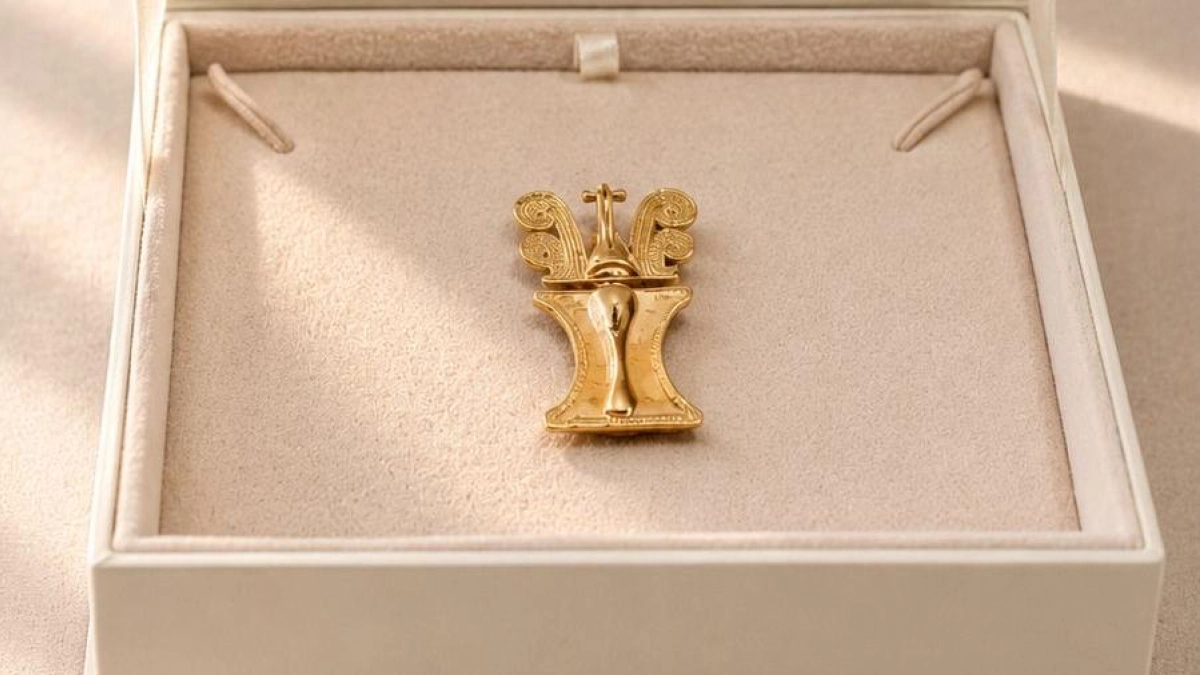
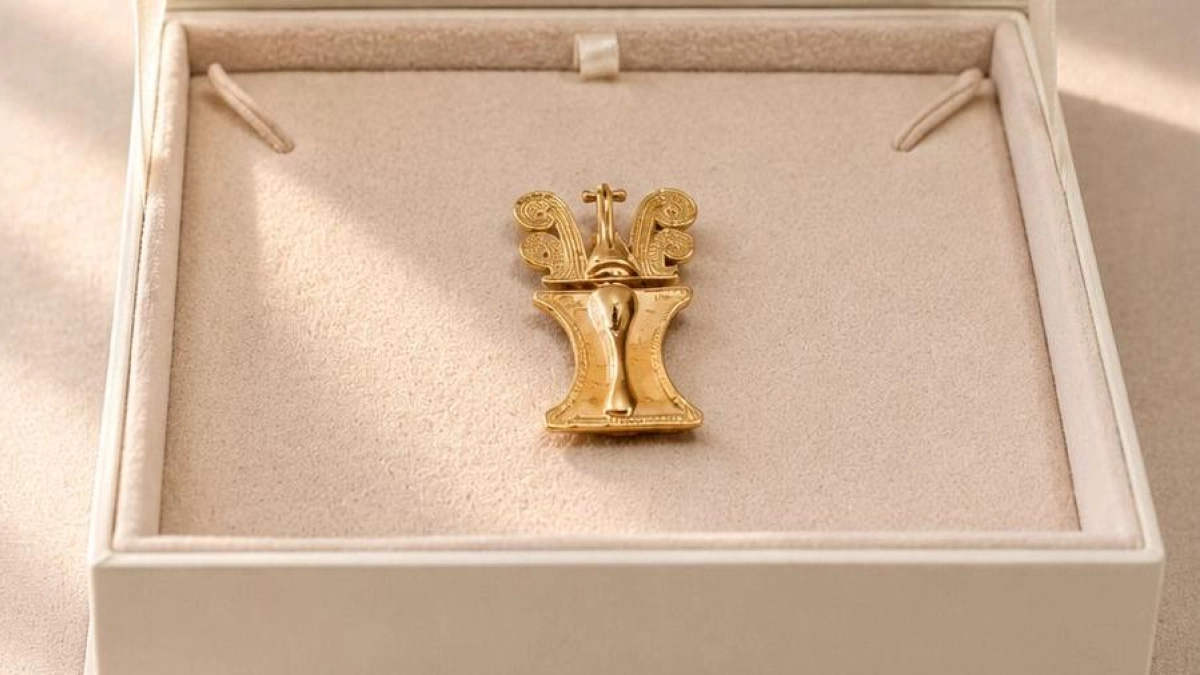
The centerpiece of Huma’s exhibition was its acclaimed collection, ‘Vuelo Chamánico’ (Shamanic Flight). Directed by master goldsmith Omar Hurtado Pérez—the founder and creative director of the brand—the collection establishes a profound artistic dialogue between the sacred metallurgic traditions of ancient Colombian civilizations and the revered treasures of the Shōsō-in repository in Nara, one of the absolute pinnacles of classical Japanese artistic heritage.
The high-profile showcase was made possible through the strategic backing of ProColombia, the nation’s official agency for promoting tourism, foreign investment, and non-traditional exports, operating in close coordination with the Embassy of Colombia in Japan.
Huma’s presence at the Tokyo Prince Hotel was not merely a commercial endeavor; it served as a vibrant cultural diplomacy platform. The Charity Bazaar is organized annually by the Association of the Ladies Asia, Africa and Latin America (ALALAA)—historically known as the Association of Nipo-Latino-American and Caribbean Dames—whose honorary president is Princess Hanako of Hitachi. The event traditionally convenes diplomatic missions from across Latin America and the Caribbean to foster intercultural dialogue, strengthen bilateral relations, and raise funds for charitable causes within Japan.
Through masterfully crafted pieces incorporating motifs such as sacred flora, symbolic birds, intricate medallions, hammered gold, and mythical or fantastic beasts, Vuelo Chamánico explores deeply embedded metaphysical concepts shared across distinct ancestral timelines. By reinterpreting the legacy of Colombia’s pre-Hispanic cultures through a modern, contemporary lens, Huma successfully proved that the language of art transcends both geography and epochs.
2. Chronology of Expansion: Huma’s Journey into the Japanese Market
Huma’s triumphant presentation at the Tokyo Prince Hotel in October 2026 did not happen in a vacuum. It represents the culmination of a carefully orchestrated, multi-phase internationalization strategy aimed at positioning Colombian author jewelry within the highly discerning, luxury-oriented Japanese market.
September 9–10, 2026: The Breakthrough at TRANOÍ TOKYO
Weeks before captivating attendees at the Charity Bazaar, Huma made waves in the bustling Japanese fashion and design sector by participating in TRANOÍ TOKYO 2026 on September 9 and 10. TRANOÍ is globally recognized as a premier B2B trade platform that connects independent international designers with elite buyers, department store curators, and trendsetters.

During this rigorous commercial showcase, Huma introduced its comprehensive portfolio to Japanese fashion connoisseurs. The reception was overwhelmingly positive, enabling the brand to forge critical B2B networks, initiate commercial dialogues with high-end boutique owners, and test the appetite of the East Asian luxury consumer for narrative-driven, historically rich accessories.
The ‘Noche de Oro’ (Night of Gold) Experience
Capitalizing on the momentum generated at TRANOÍ TOKYO, Huma orchestrated an exclusive, invitation-only event known as the Noche de Oro (Night of Gold). This immersive brand experience was meticulously designed to bridge the gap between cold commerce and warm, narrative-driven storytelling.
The Noche de Oro blended fine jewelry exposition, contemporary fine art displays, and deep historical lectures regarding pre-Columbian cosmologies. By inviting select Japanese media, fashion influencers, and prospective stockists to experience the weight, texture, and spiritual backstory of the gold firsthand, Huma transformed a standard product launch into an unforgettable cultural event. This foundational groundwork paved the way for the institutional recognition the brand received weeks later at the Latin American and Caribbean Festival under the patronage of Princess Hanako.
3. Supporting Data and Artistic Philosophy
To fully grasp the magnitude of Huma’s reception in Tokyo, one must examine the philosophical bedrock of the brand and the rigorous craftsmanship underpinning Vuelo Chamánico.

The Mastermind: Omar Hurtado Pérez
At the helm of Huma is master orfèvre Omar Hurtado Pérez. As both founder and creative director, Hurtado approaches jewelry design not merely as an exercise in decorative aesthetics, but as an act of historical stewardship and anthropological preservation. Under his direction, Huma treats precious metals as repositories of collective human memory.
Reflecting on the philosophy that drove the collection to Tokyo, Hurtado offered a profound perspective during the exhibition:
"In Huma, we understand gold as memory, symbol, and legacy. Our inspiration is born from the civilizations that transformed metal into a language capable of transcending time. Vuelo Chamánico is the encounter of two cultural universes that, from their own roots, have turned artisanal mastery into a form of eternity. It is not just about creating jewelry, but about making sure the legacy of our cultures remains alive in the present."
Bridging Two Worlds: Pre-Columbian Metallurgy and the Shōsō-in of Nara
The conceptual brilliance of Vuelo Chamánico lies in its unexpected yet harmonious cross-cultural bridge.

- The Colombian Pre-Columbian Legacy: Long before the arrival of Europeans, indigenous societies across modern-day Colombia—such as the Quimbaya, Calima, Zenú, Tairona, and Muisca—mastered complex metallurgical techniques like tumbaga casting, depletion gilding, and exquisite hammering. Gold was rarely viewed through a purely economic lens; rather, it was seen as a solar material, a conduit for spiritual transformation, and a medium through which shamans could traverse dimensions (hence the thematic foundation of a "shamanic flight").
- The Japanese Shōsō-in Connection: Nara’s historic Shōsō-in treasure house, dating back to the 8th century during the Tempyō period of the Nara era, houses thousands of exquisite artifacts originating not only from Japan but along the ancient Silk Road—spanning China, Persia, India, and beyond. These artifacts share an obsessive reverence for intricate craftsmanship, motifs of mythical fauna, floral geometries, and the preservation of imperial and sacred legacy.
By juxtaposing the fluid, animistic goldwork of pre-Hispanic Colombia with the refined, classical sensibilities housed in Nara, Huma created a trans-pacific dialogue. The exhibition proved that whether looking at a hammered gold avian pendant from the Andes or a preserved eighth-century treasure in Japan, humanity shares a universal impulse to immortalize its spiritual beliefs in enduring materials.
4. Official Responses and Institutional Support
The successful foray of Huma into the Japanese luxury ecosystem highlights the vital role played by public-private partnerships in championing Colombian creative industries abroad.
ProColombia’s Strategic Vision
ProColombia, the government entity tasked with promoting non-mining and energy exports, has increasingly turned its attention to the "Orange Economy"—the creative industries, design, fashion, and artisanal crafts that embody Colombia’s rich cultural capital.
In statements surrounding the event, ProColombia representatives emphasized that supporting brands like Huma aligns with a broader national mandate: diversifying Colombia’s export basket away from traditional commodities and toward high-value, differentiated products rooted in sustainability, cultural identity, and ethical craftsmanship. By facilitating Huma’s participation in high-profile platforms like the Tokyo Charity Bazaar and TRANOÍ, ProColombia acts as a catalyst, opening doors that would otherwise remain closed to independent Latin American designers in intensely competitive foreign markets.

Diplomatic Synergy: The Colombian Embassy in Japan
The collaboration between Huma, ProColombia, and the Embassy of Colombia in Tokyo underscores the immense power of economic diplomacy. Embassies serve as trusted bridges, navigating complex bureaucratic landscapes, validating the authenticity of delegations, and securing invitations to elite institutional spaces such as those presided over by the Japanese imperial family and the Association of Nipo-Latino-American and Caribbean Dames.
Diplomatic officials noted that cultural showcases of this caliber elevate Colombia’s national image far beyond historical stereotypes. Instead of being associated exclusively with challenges of the past, contemporary Colombia was presented in Tokyo as a powerhouse of sophisticated design, historical depth, and avant-garde artistic production.
5. Implications: What Huma’s Success Means for Colombian Design
Huma’s triumphant run in Tokyo throughout the autumn of 2026 carries profound implications for the future of Colombian author jewelry and the broader landscape of Latin American luxury exports.
1. Proving the Viability of Niche Luxury in Asia
For decades, expansion into Asian markets—particularly high-barrier, discerning markets like Japan—was considered an insurmountable hurdle for independent Latin American artisans due to high logistical costs, cultural nuances, and fierce domestic competition. Huma’s dual success at TRANOÍ TOKYO and the Charity Bazaar shatters this myth. It proves that if a brand possesses a compelling narrative, uncompromised quality, and rigorous execution, Asian consumers and buyers are deeply receptive to authentic, heritage-rich narratives.

2. Redefining "Made in Colombia"
The success of Vuelo Chamánico shifts global perceptions of Latin American manufacturing. It moves the conversation away from mass-produced, low-cost apparel and toward high-end, slow-fashion masterpieces. By positioning pre-Columbian gold not as museum relics locked behind glass, but as wearable, breathing pieces of contemporary art, Huma elevates the entire prestige of Colombian craftsmanship on the global stage.
3. A Blueprint for Future Creative Entrepreneurs
Huma’s strategic roadmap—combining B2B trade platforms (TRANOÍ), experiential relationship-building (Noche de Oro), elite charity and diplomatic showcases (Tokyo Prince Hotel), and institutional backing (ProColombia)—serves as a golden blueprint for other Latin American designers looking to scale globally. It demonstrates that commercial ambition must walk hand-in-hand with deep cultural respect and storytelling.
As the global appetite for fast, disposable trends wanes, brands like Huma offer a refreshing antidote: jewelry that anchors the wearer to deep history, spiritual legacy, and timeless beauty. Through the vision of Omar Hurtado Pérez and the institutional backing of Colombia’s trade apparatus, the ancient gold of the Andes has found a permanent, shimmering home in the cultural memory of modern Japan.