By Justice Editorial Desk
October 30, 2026
Executive Summary: A New Paradigm in Hemispheric Security
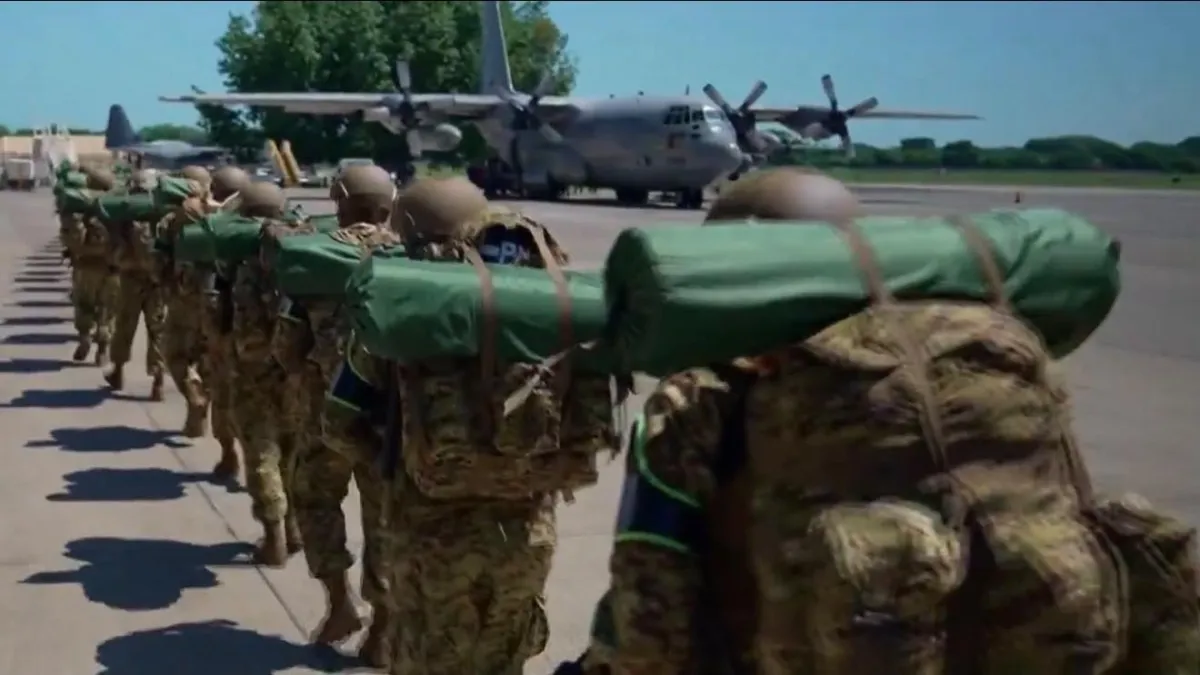
In a significant demonstration of regional military cooperation, a C-130H Hercules aircraft belonging to the Colombian Aerospace Force (FAC)—specifically the airframe identified by tail number FAC 1005—has been deployed to facilitate the logistical transit of Salvadoran troops into Haiti. This operation, confirmed by military sources to EL TIEMPO, marks a pivotal moment in the execution of the "Coalition of the Americas against Cartels" (A3C) mandate.
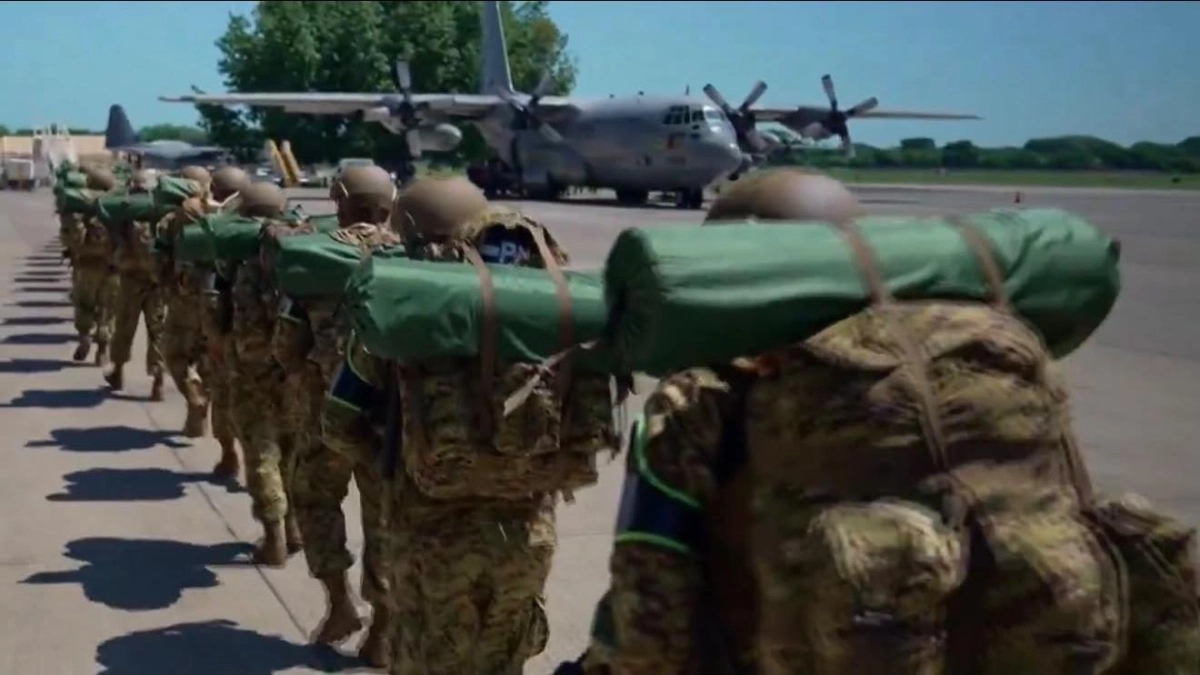
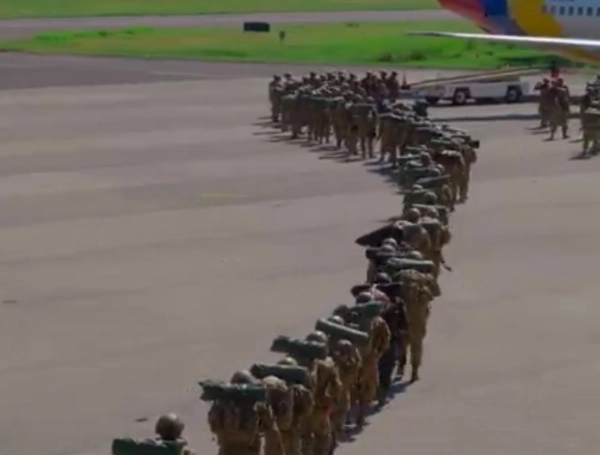
The mission, which involved the transport of personnel and specialized equipment from San Salvador to Port-au-Prince, underscores a deepening integration of military capabilities among the 19 member nations of the A3C. This deployment is not merely a logistical exercise; it represents a tactical response to the escalating security crisis in Haiti, compounded by the recent and troubling disappearance of four Salvadoran Air Force personnel during an operational engagement on October 18, 2026.
Chronology of Events: From Diplomatic Agreement to Tactical Deployment
The sequence of events leading to the presence of the Colombian FAC 1005 in the Caribbean theater is rooted in a series of strategic diplomatic and security milestones:

- August 12, 2026: Colombia formally solidifies its membership in the Coalition of the Americas against Cartels (A3C) during a summit in Panama City. The agreement, brokered in partnership with the United States, establishes a framework for intelligence sharing, joint logistical support, and the pooling of specialized military assets.
- October 18, 2026: A critical turning point occurs in Port-au-Prince, Haiti, when a group of four Salvadoran Air Force members goes missing after coming under fire from armed criminal factions on the outskirts of the capital. This incident serves as the primary catalyst for the surge in El Salvador’s military presence.
- Late October 2026: Following the incident, the government of President Nayib Bukele accelerates its deployment strategy. Reports indicate an initial surge of 2,000 troops, with plans to expand the contingent to 2,500 personnel tasked with high-intensity counter-gang operations and search-and-rescue missions.
- October 30, 2026: Global flight tracking platforms and independent media outlets identify the Colombian FAC 1005 C-130H Hercules operating in the transport circuit between El Salvador and Haiti, confirming the active participation of Colombian aviation assets in the mission.
Supporting Data: The Logistics of the A3C Infrastructure
The involvement of the Colombian Hercules is framed within the legal and operational statutes of the A3C. Unlike traditional United Nations peacekeeping missions, the A3C operates on a model of "interoperability and rapid response."
Tactical Capabilities of the FAC 1005
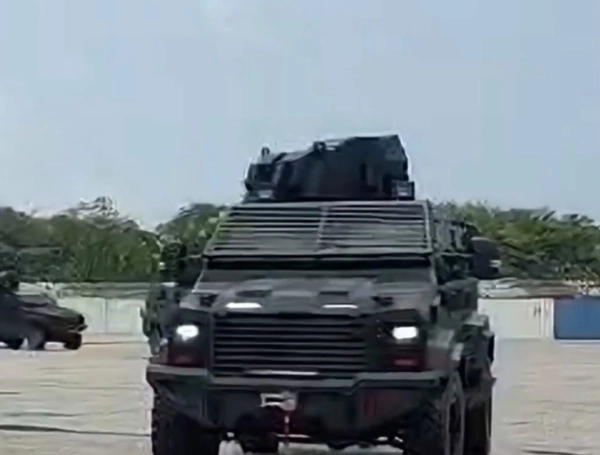
The C-130H Hercules is a workhorse of the Colombian Aerospace Force, chosen for its rugged ability to operate in austere environments. Its role in the current operation is to provide the "heavy lift" required to move armored transport vehicles and specialized infantry gear that local Haitian infrastructure cannot reliably provide.
Scope of the Multi-National Deployment
The current deployment of 2,000 to 2,500 Salvadoran troops is part of a broader, multi-layered security architecture. While the Salvadoran military provides the "boots on the ground" for urban combat and stabilization, the Colombian contribution—facilitated by the A3C—focuses on the "air bridge" requirements. This logistical backbone is essential for maintaining the operational tempo required to challenge the entrenched criminal organizations that have effectively paralyzed parts of Port-au-Prince.
Official Responses and Strategic Implications
The deployment has sparked internal debate regarding the scope of Colombia’s involvement in foreign interventions. However, high-ranking military sources maintain that the operation is strictly "logistical and cooperative" in nature.
The Ministry of Defense Position
According to officials within the Colombian Ministry of Defense, the deployment of the FAC 1005 does not constitute an "offensive mission" but rather a fulfillment of the "mutual assistance clauses" agreed upon during the August summit in Panama. The government emphasizes that the cooperation is limited to:
- Strategic Airlift: Providing transport for allied forces to areas of operation.
- Capability Exchange: Learning from the urban pacification tactics employed by the Salvadoran forces, which have gained significant international attention.
- Regional Stability: Mitigating the risk of criminal cartels using Haiti as a "narcotics transit hub" that could eventually spill over into the South American corridor.
Geopolitical Repercussions
The involvement of Colombia in a mission led by El Salvador in Haiti signals a shift in the regional power balance. For decades, Colombia’s international military profile was largely limited to its own internal conflict. Now, as a key partner in the A3C, Colombia is projecting power across the Caribbean.

Critics, however, warn of the "mission creep" potential. By becoming a logistical partner in the Haitian theater, Colombia is inherently tied to the success or failure of the Salvadoran operation. If the security situation in Port-au-Prince deteriorates further, or if the missing airmen are not recovered, the diplomatic pressure on the contributing nations will intensify.
Analysis: Why the A3C Matters
The "Coalition of the Americas against Cartels" is increasingly acting as a shadow security apparatus in the Western Hemisphere. By bypassing the often-stagnant bureaucratic processes of the Organization of American States (OAS) or the United Nations, the A3C allows for rapid, bilateral, and multilateral responses to localized threats.

For the Colombian Aerospace Force, the mission provides invaluable "real-world" experience for its flight crews. Operating in the high-threat environment of Haiti, where airfields are often poorly maintained and local ground intelligence is fragmented, offers a testing ground for the FAC’s modernization efforts.
Furthermore, the deployment of the FAC 1005 serves as a signal to criminal organizations operating in the Caribbean and the Andean region: the traditional borders that provided sanctuary to cartel logistics are becoming increasingly porous to allied military surveillance and rapid-response capabilities.

Looking Forward: The Risks of Engagement
As the operation in Haiti enters its next phase, the focus will remain on the fate of the missing Salvadoran personnel and the long-term sustainability of the troop deployment. The logistics chain, supported by Colombian aviation, must remain resilient.
The military command in both Bogotá and San Salvador has indicated that further flights are scheduled for the coming weeks. These missions will likely involve not only the transport of personnel but also the delivery of humanitarian aid, which is increasingly becoming a strategic tool to win the "hearts and minds" of the Haitian populace—a prerequisite for any successful counter-insurgency operation.

In conclusion, the presence of the Colombian Hercules in the Caribbean is a testament to a changing era in Latin American security. It is an era where threats are viewed as transnational, and the response is increasingly defined by a willingness to integrate military assets across national borders. Whether this strategy will lead to the stabilization of Haiti remains to be seen, but the commitment of the A3C, and specifically the active role of the Colombian Aerospace Force, marks a historic departure from the regional norms of the past quarter-century.
For further updates on this developing story:
- Follow our dedicated Justice desk coverage via the EL TIEMPO mobile app.
- Subscribe to our weekly newsletter for deep-dive analysis into the A3C’s operational mandates.
- Join our official WhatsApp channel for real-time notifications on the status of the regional security theater.