By: Education Desk Published: October 28, 2026 Updated: October 28, 2026
Main Facts
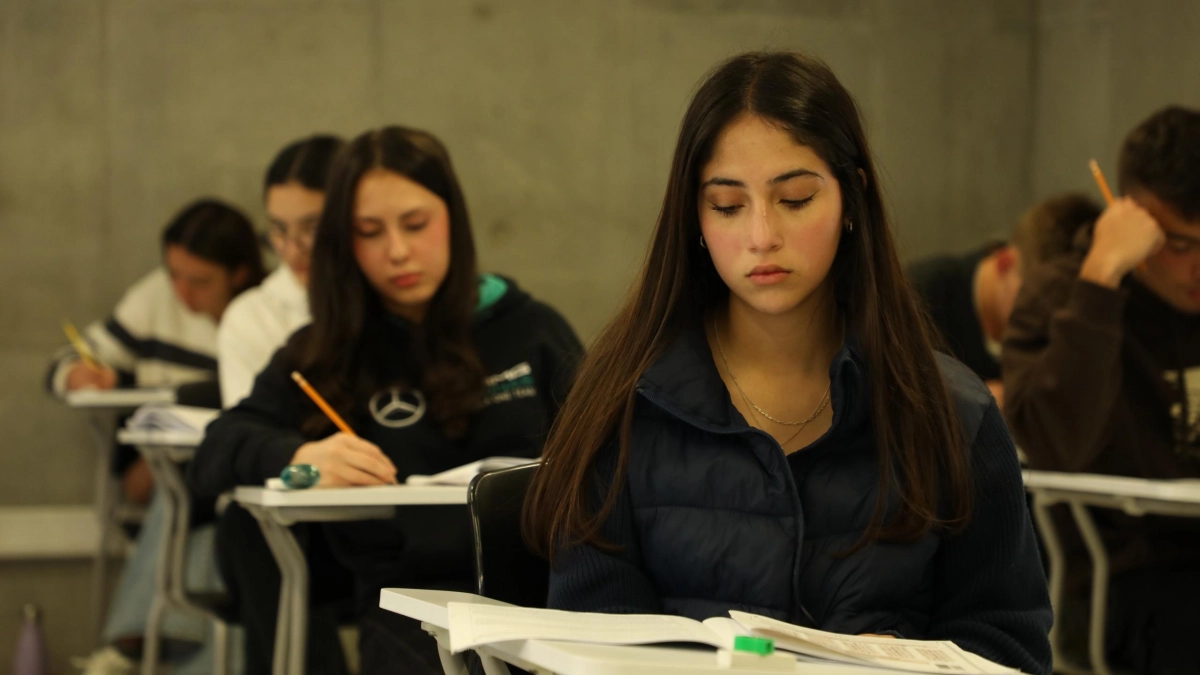
The Colombian Institute for the Evaluation of Education (Icfes) has officially released the national results for the Saber 11 examinations corresponding to the academic year 2026. This standardized assessment, taken annually by hundreds of thousands of high school seniors across the country, serves as a critical thermometer for measuring academic competencies in mathematics, critical reading, natural sciences, social sciences, and English.
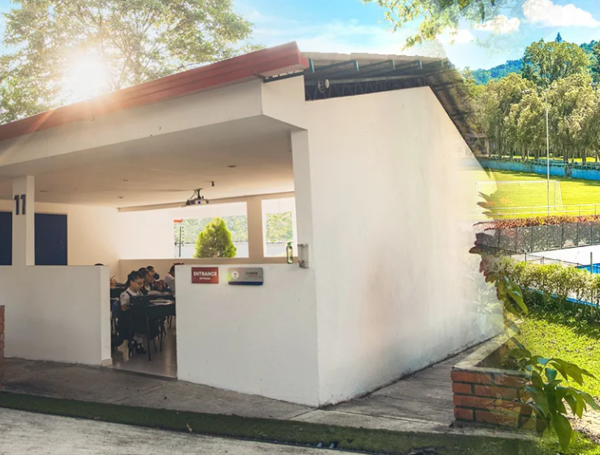
The 2026 outcomes have once again placed a national spotlight on the stark disparities, exceptional achievements, and systemic bottlenecks inherent in Colombia’s educational framework. Leading the charge this year are institutions from regional capitals that have outperformed traditional metropolitan powerhouses: the Colegio Bilingüe Divino Niño in Bucaramanga secured the highest score nationwide for Calendario A institutions with an impressive 404 points out of 500, while the Colegio Gimnasio Calibio in Popayán captured the top spot for Calendario B institutions—and second overall nationally—with 396 points.
Despite these localized triumphs of academic excellence, the broader national picture reveals a worrisome trend of stagnation. The national averages for both educational calendars experienced slight declines compared to the previous year, reinforcing a decade-long historical pattern where average scores remain stubbornly anchored within a narrow, uninspiring band. Educational experts and analysts have seized upon these figures to sound the alarm, arguing that Colombia’s educational quality is failing to scale new heights, trapped in a cycle of marginal fluctuations that reflect deep-seated structural challenges.
Chronology: The Evolution and Release of the 2026 Saber 11 Metrics
To understand the weight of the 2026 findings, it is essential to trace the timeline of how these evaluations are conducted, processed, and analyzed within Colombia’s academic ecosystem:
Mid-2026 (Test Administration): Hundreds of thousands of students across urban centers and rural territories sat for the grueling Saber 11 exams. The evaluation covers five core areas, with mathematics, reading comprehension, natural sciences, and social sciences carrying the heaviest weight toward the final global score, which is capped at 500 points.
Late October 2026 (Data Processing and Publication): Icfes finalized the psychometric analyses and published the global institution-level results. While Icfes consistently clarifies that it does not publish an official "ranking" of the best schools, the public release of these scores allows educational institutions, parents, and researchers to map out performance hierarchies.
October 28, 2026 (Detailed Institutional Breakdown): Comprehensive data breakdowns reveal that regional institutions have outpaced traditional elite establishments. Bucaramanga’s Colegio Bilingüe Divino Niño claimed the Calendario A crown (404 points), while Popayán’s Gimnasio Calibio took the Calendario B honors (396 points).
Post-Publication Analysis (Late October 2026): Analysts immediately began cross-referencing the 2026 data against historical benchmarks, noting a dip in national averages and the notable disappearance or shifting positions of historically dominant schools within the top tiers.
Supporting Data: Numbers Behind the 2026 Evaluations
The statistical reality of the 2026 Saber 11 results underscores a multifaceted landscape of elite high performance juxtaposed against a stagnant national median.
National Averages and Historical Context
Calendario A Average: The national average for institutions operating on the Calendario A system settled at 258 points out of 500. This represents a decline from 2025 (when the average hovered around 261 points) and falls noticeably short of the historical high-water mark recorded in 2016, when the national average reached 264 points.
Calendario B Average: Institutions operating on the Calendario B schedule posted a national average of 317 points out of 500. This is down from the 320 points registered in 2025, showing a mild contraction among private international and bilingual schools that typically follow this academic calendar.
Top Performers by Category
1. Calendario A Institutions (Traditional Academic Year)
Colegio Bilingüe Divino Niño (Bucaramanga): 404 points (National Leader, Calendario A)
Colegio Integral del Norte (Cartagena): 381 points
Colegio San Mateo Apóstol (Yopal): 376 points
Colegio Cristiano Monte de Hebrón (Bogotá): 376 points
2. Calendario B Institutions (International/Bilingual Calendar)
Colegio Gimnasio Calibio (Popayán): 396 points (Second overall nationally, Calendario B Leader)
Gimnasio Contemporáneo (Armenia): 382 points
Colegio Bilingüe Diana Oese (Cali): 378 points
3. Public/Official Educational Institutions (Public School Standouts)
Public schools continue to demonstrate that exceptional academic performance is possible outside the private tuition sector, frequently rivaling private institutions:
Institución Educativa Luis María Jiménez (Aguazul, Casanare): 367 points (Ranked 8th overall among all Calendario A institutions listed, making it the top public school in the country).
Liceo Integrado de Bachillerato Universidad de Nariño (Pasto): 355 points.
Instituto Alexander von Humboldt (Barranquilla): 354 points.
Official Responses and Expert Analysis
The release of the 2026 data has sparked intense debate among policymakers, school administrators, and educational researchers. While individual school communities celebrate their high scores, systemic analysts point to the macroeconomic educational indicators with deep concern.
Ricardo Rodríguez, a prominent educational analyst and policy researcher, did not mince words when evaluating the long-term trajectories of the test scores:
"It is true that the global average continues to leave much to be desired; that is a historical problem," Rodríguez noted in an interview following the data release. "National scores continue to experience minor fluctuations but remain stubbornly stable within a range of 250 to 264 points. We have simply not been able to break out of that ceiling. As a nation, we must engage in serious introspection regarding why our aggregate educational quality is refusing to advance."
Furthermore, shifts within the top tier have caught the attention of sociologists of education. Long-standing elite bastions—such as the Colegio Angloamericano, Colegio San Carlos, and Gimnasio Alessandro Volta—have seen their dominance challenged or diluted. Conversely, institutions affiliated with organized educational networks, such as those belonging to Aspaen, have systematically climbed the ranks, demonstrating the impact of standardized pedagogical models across different regional branches.
Public school advocates have similarly highlighted the stellar performance of institutions like the Institución Educativa Luis María Jiménez in Casanare. Achieving 367 points places this regional public institution shoulder-to-shoulder with the country’s most expensive private academies, proving that targeted institutional leadership, motivated student bodies, and community investment can bridge structural socioeconomic divides. However, experts warn that these public school successes remain shining anomalies rather than systemic norms.
Implications for the Future of Colombian Education
The 2026 Saber 11 results carry profound implications for public policy, higher education access, and social mobility in Colombia.
The Persistence of the Educational Gap: While elite private schools and select public exceptions consistently break the 350- and 400-point barriers, the vast majority of Colombian high school students hover near the 250-point baseline. This persistent gap indicates that structural inequalities—ranging from teacher training deficits and inadequate technological infrastructure in rural areas to nutrition and socioeconomic disparities—continue to dictate academic outcomes.
Higher Education Access and Equity: Because many public and private universities use Saber 11 scores as a primary filter for admissions and scholarship allocations (such as government-backed financial aid programs), students from low-scoring public institutions face structural disadvantages in accessing elite higher education. The stagnation of the national average implies that systemic upward mobility through academic merit remains heavily constrained.
The Need for Curricular Reform: Experts argue that minor year-on-year variations (such as the drop from 261 to 258 in Calendario A) are symptoms of a deeper curricular stagnation. Educational authorities are under mounting pressure to move beyond standardized testing accountability and focus instead on foundational pedagogical reforms—enhancing critical thinking, digital literacy, and problem-solving skills from primary school onward.
As Colombia digests the 2026 metrics, the triumph of schools in Bucaramanga and Popayán stands as a testament to regional educational potential. Yet, the overarching data serves as a sobering reminder that the nation’s educational system remains locked in a historical holding pattern, awaiting the bold structural transformations required to elevate the baseline for all students.
WASHINGTON — It is a common frustration for home cooks and hospitality professionals alike: you pull a set of knives, forks, and spoons from the dishwasher or dish rack, expecting a pristine, gleaming table setting,…
BOGOTÁ, COLOMBIA — In an era defined by the exponential growth of digital media and the imperative need for rigorous cybersecurity frameworks, Colombia’s leading publication, EL TIEMPO, has rolled out a comprehensive overhaul of its…
BOGOTÁ, COLOMBIA — As the 82nd General Assembly of the Inter American Press Association (IAPA / SIP) drew to its conclusion in Bogotá, media executives, investigative reporters, and industry leaders grappled with a rapidly transforming…