INTERNATIONAL DESK Updated: October 26, 2026, 4:21 PM
Main Facts
An independent international commission established by the United Nations has leveled severe accusations against Israel, formally accusing the state of committing the crime of "extermination," alongside other war crimes and crimes against humanity directed at Palestinians in the occupied West Bank. Simultaneously, the panel reaffirmed its previous determinations regarding acts of "genocide" perpetrated in the Gaza Strip since the escalation of hostilities following the October 7, 2023, attacks led by Hamas.
The findings, released by the UN Independent International Commission of Inquiry—a body operating independently rather than speaking directly for the UN Secretariat—build upon a landmark September 2025 report. That earlier document marked the first time the commission formally concluded that Israel’s military campaign in Gaza met the legal threshold for genocide.
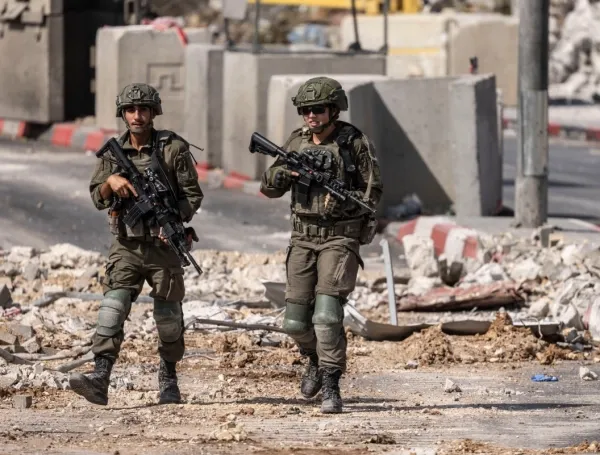
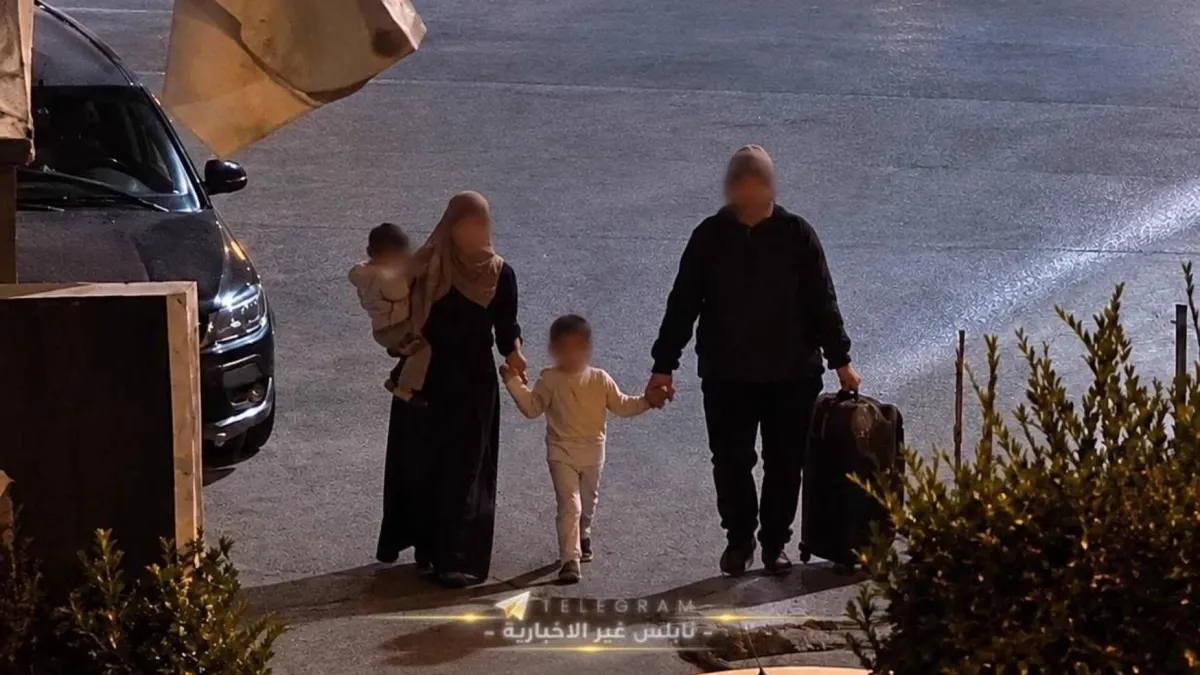
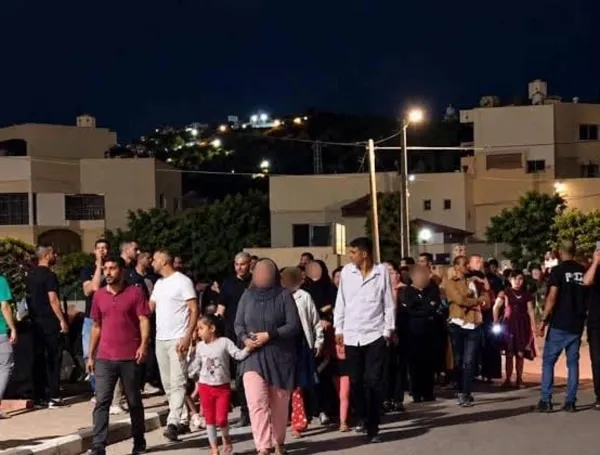
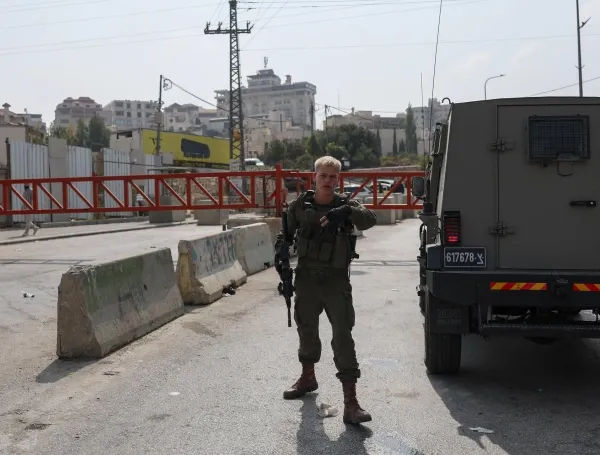
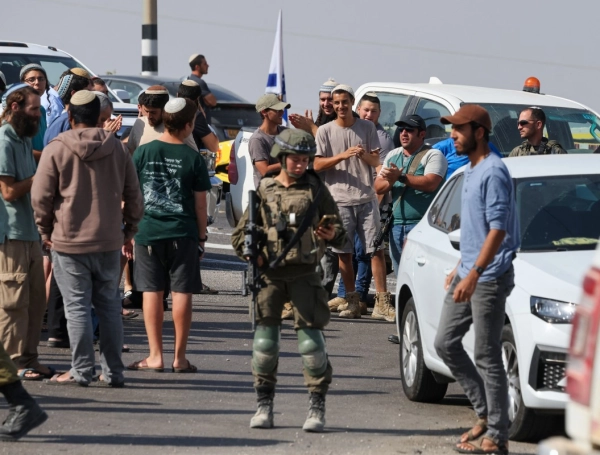
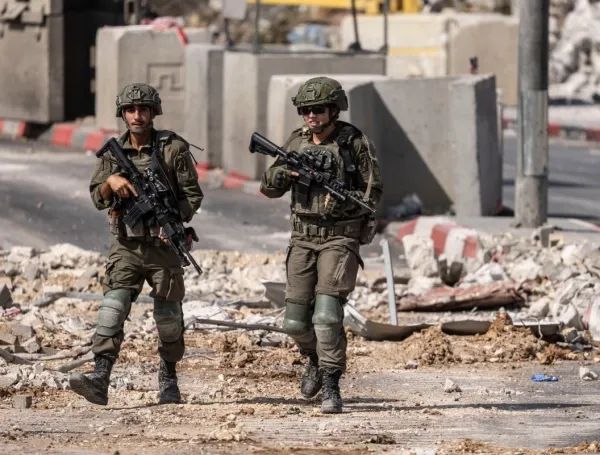
Parallel to the release of the commission’s extensive findings concerning the West Bank, Volker Türk, the United Nations High Commissioner for Human Rights, sounded an urgent alarm. Türk warned of a mounting risk of "ethnic cleansing" in the southern West Bank city of Hebron. The warning follows a sweeping military operation launched by the Israel Defense Forces (IDF) in response to the killing of two Israeli soldiers. The ongoing security sweep has forced the immediate displacement of 3,710 Palestinians, compounding an already volatile humanitarian crisis across the occupied territories.
Chronology of Events and Escalation
The intensification of hostilities and subsequent legal declarations by international bodies follow a timeline defined by sustained conflict and hardening political positions:
October 7, 2023: A massive cross-border attack led by Hamas triggers the war in Gaza, prompting an immediate, large-scale military response from Israel.
September 2025: The UN Independent International Commission of Inquiry issues a definitive report determining that Israel’s actions in Gaza constitute "genocide."
Mid-October 2026: Two Israeli soldiers are killed in an attack in the West Bank city of Hebron, prompting the Israeli military to launch a massive, aggressive security operation in the area, characterized by widespread neighborhood clearances and infrastructure demolitions.
October 25, 2026: UN Secretary-General António Guterres, speaking from Egypt, expresses deep alarm over the escalating coercive environment and deteriorating security conditions in the West Bank.
October 26, 2026 (Morning): The UN commission releases its latest comprehensive report accusing Israel of "extermination," torture, sexual violence, and persecution in the West Bank, coinciding with the eve of general elections in Israel.
October 26, 2026 (Afternoon): High Commissioner Volker Türk issues a formal statement warning of potential "ethnic cleansing" in Hebron as displacement numbers climb into the thousands.
Supporting Data and Humanitarian Impact on the Ground
The human toll of the recent military operations, particularly in Hebron, has drawn acute concern from international observers and municipal authorities alike. According to data compiled by the municipality of Hebron, the latest security sweeps have devastated local populations, targeting neighborhoods such as Deir Bahha and Al Jalda.
Key statistical highlights of the current crisis in Hebron include:
Displacement Figures: A total of 3,710 individuals, representing approximately 488 families, have been forcibly uprooted from their homes.
Vulnerable Demographics: Among the displaced are more than 200 children under the age of two and roughly 250 elderly individuals over the age of 60.
Confinement: Hundreds of additional residents remain trapped inside their homes, unable to safely access basic supplies, medical care, or humanitarian assistance due to active military operations and curfews.
Infrastructure Destruction: The offensive has involved systematic property demolitions, including residential buildings and local commercial spaces, which human rights officials argue constitute collective punishment under international law.
Official Responses and Diplomatic Friction
The findings of the UN commission and the warnings issued by human rights chiefs have ignited swift and polarized diplomatic reactions.
The Israeli Government’s Stance
The Israeli Ministry of Foreign Affairs rejected the UN commission’s findings outright, dismissing the comprehensive report as politically motivated fabrication. In an official statement, the ministry stated:
"This is not a human rights report, but rather a propaganda document disconnected from reality, designed to undermine Israel’s right to defend itself, delegitimize the Jewish State, and legitimize terrorism."
Israeli authorities maintain that military operations in both Gaza and the West Bank are necessary, proportionate measures aimed at neutralizing active security threats and dismantling militant networks following persistent attacks against Israeli citizens and military personnel.
The United Nations and International Leadership
Conversely, international leadership has intensified pressure on Jerusalem. Srinivasan Muralidhar, chair of the UN commission, asserted during the report’s presentation that the violence against Palestinian civilians in the West Bank is not an aberration, but rather "the product of a State policy" that actively leverages settler violence to achieve strategic goals.
"The killing and deliberate damage to Palestinian civilians and the destruction of homes in the West Bank form part of a broader strategy to exterminate and displace Palestinians and impose living conditions that are completely uninhabitable," Muralidhar declared.
In Egypt, UN Secretary-General António Guterres echoed these sentiments, noting that the international community is witnessing an "increasingly coercive environment" across the occupied territories where the specter of ethnic cleansing looms large.
Adding to the international consensus, High Commissioner Volker Türk emphasized the legal boundaries governing military occupation, stating: "Collective punishment constitutes a grave violation of international law. Threats to empty and erase entire neighborhoods also raise serious concerns regarding a potential ethnic cleansing."
Wider Implications and Strategic Repercussions
The publication of the UN report and the crisis in Hebron carry profound geopolitical and legal implications for the region:
Legal Accountability: The formal use of terms such as "extermination" and "genocide" by UN-backed investigative bodies increases pressure on international judicial institutions, such as the International Court of Justice (ICJ) and the International Criminal Court (ICC), to evaluate potential arrest warrants and state-level liability.
The Palestinian Authority: The UN report did not exclusively target Israeli policies; it also directed criticism toward the Palestinian Authority (PA). Investigators accused the PA of state-level violence, targeted repression of political dissidents, and crackdowns on rival militant factions, further eroding the administration’s domestic legitimacy and credibility among the Palestinian populace.
Domestic Political Fallout in Israel: Released mere days before scheduled general elections in Israel, the timing of the UN report threatens to harden domestic political alignments, potentially galvanizing nationalist sentiment while intensifying polarization regarding the country’s military and security strategies.
Humanitarian Precedents: Türk and other human rights advocates have formally demanded that Israeli authorities immediately halt the occupation of Palestinian territories, withdraw all settlements, allow displaced persons to return to their homes without obstruction, and guarantee full financial reparations for illegal demolitions and forced evictions. Whether these demands will translate into concrete diplomatic leverage remains one of the central challenges facing international diplomacy in the Middle East.
INTERNATIONAL DESK Updated: September 9, 2026 – 4:55 PM Main Facts U.S. President Donald Trump declared on Wednesday that the ongoing military conflict between the United States and Iran will come to an abrupt halt…
By International Desk Analysis Updated: September 29, 2026 Main Facts In the high-stakes theater of modern hemispheric diplomacy, a new moniker has taken root across social media platforms and government corridors alike: "El Quitavisas"—The Visa…
INTERNATIONAL DESK Updated: October 24, 2026 – 11:23 AM (CET) Main Facts France found itself plunged into an atmosphere of severe civic unrest this Saturday, October 24, 2026, as thousands of citizens poured into the…