By Investigative Desk
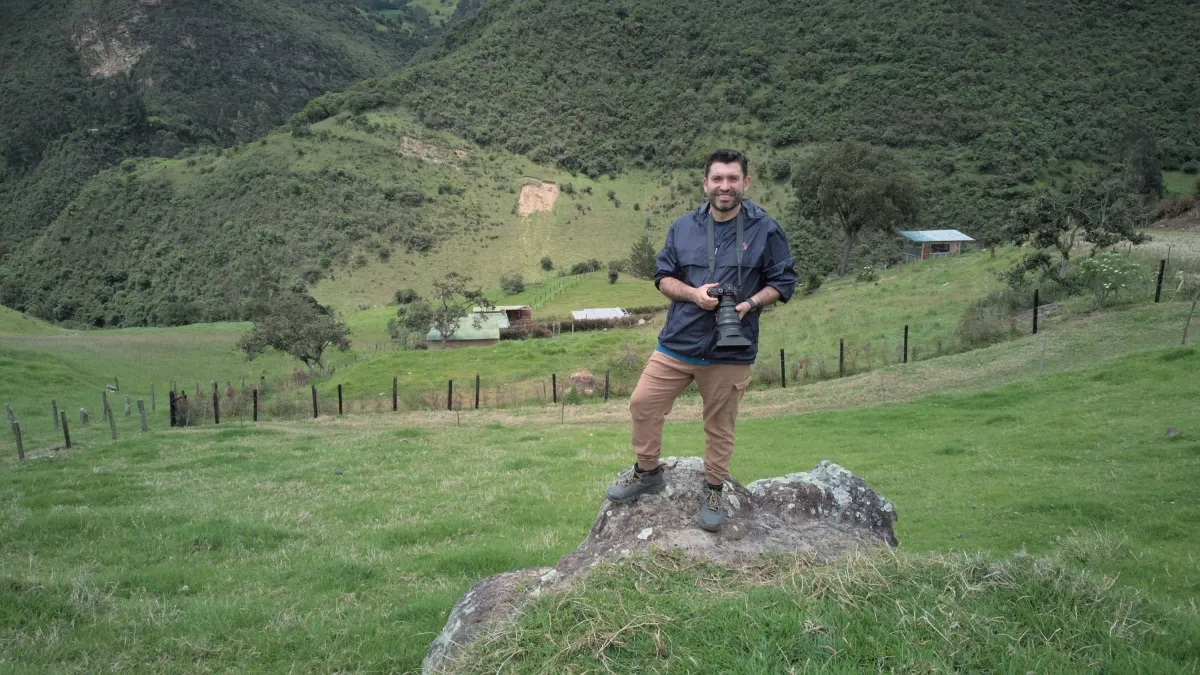
The recent triumph of the documentary El juego de la vida (The Game of Life) at the Macondo Awards in Cali was not merely a victory for director Andrés Ruiz; it was the culmination of an epic, fourteen-year sociological and cinematic endeavor. Securing both the Best Documentary prize and the coveted Audience Award, the film has resonated deeply with the Colombian public, offering an unflinching look at the complexities of poverty and the precarious nature of social mobility in the country.
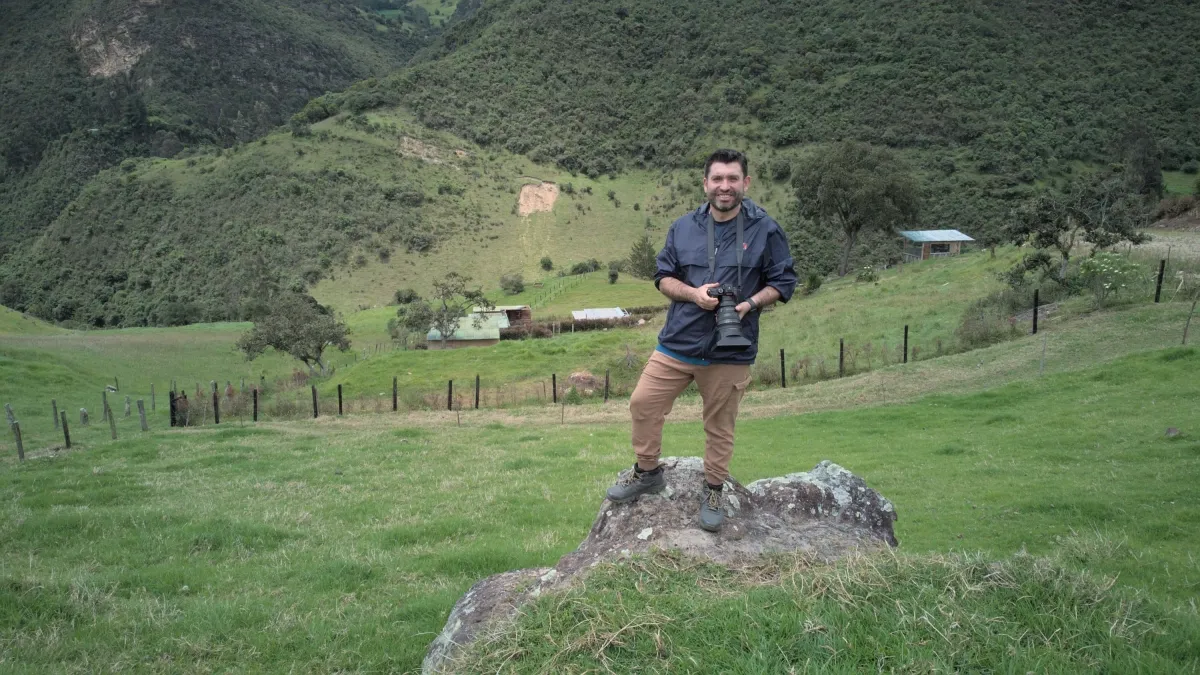
The film, which serves as a longitudinal study of the human condition, acts as both a mirror and a catalyst for national conversation. Through the intimate lens of four families—selected from an original cohort of 50—Ruiz crafts a narrative that transcends traditional documentary filmmaking, blending academic rigor with the emotional gravity of lived experience.
The Genesis: A Decade and a Half of Observation
The project did not begin as a film, but as a robust academic inquiry. The origins of El juego de la vida trace back to the Faculty of Economics at the Universidad de los Andes, which initiated a massive longitudinal study tracking 10,000 Colombian families over twelve years.

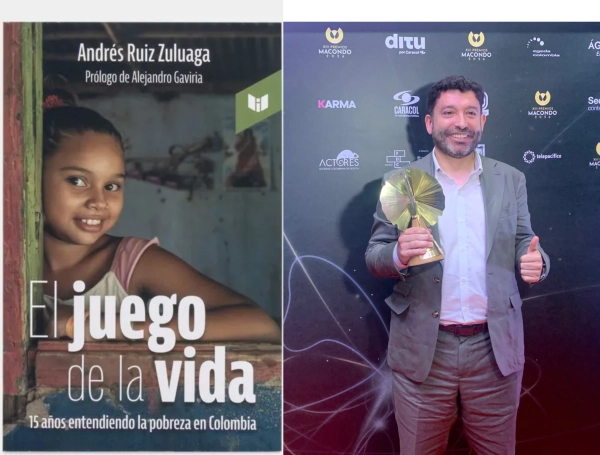
“They interviewed the same families every three years to assess their decision-making processes, their survival strategies, and their pathways out of poverty,” Ruiz explained in an exclusive interview following his win. Ruiz took this raw data and transformed it into a visual narrative. He personally filmed 50 families, returning to them every three years to document their evolution. This cycle of observation continued long after the initial academic study concluded, resulting in a 14-year visual record for the screen and a 15-year chronicle for his companion book, El juego de la vida: 15 años entendiendo la pobreza en Colombia, published by Intermedio Editores.
Chronology of a Social Portrait
The development of the project follows a distinct timeline, marked by persistence and shifting societal landscapes:
- 2011-2012: Initiation of the cinematic documentation phase, building on the framework established by the University of the Andes’ longitudinal economic study.
- 2013-2023: A decade of cyclical filming. Ruiz and his team revisited the families every 36 months to capture the ebb and flow of their economic status and personal aspirations.
- 2024: Finalization of the footage and the beginning of the grueling post-production phase.
- 2025: The official release of the documentary, which garnered immediate critical acclaim for its patience and intimacy.
- October 25, 2026: The film achieves national recognition at the Macondo Awards in Cali, winning both the Academy’s Best Documentary award and the Audience Award.
The Human Factor: Beyond the Statistics
While the documentary is rooted in economic research, its success lies in its humanity. Ruiz acknowledges that the presence of the camera—while intermittent—did create a psychological footprint. For some participants, the film crew became a mirror of their own ambitions.
"For families like Angie’s, who wanted to be a designer from the age of ten, our arrival every three years acted as a check-in point," says Ruiz. "She felt a responsibility to tell us that she was still on the path toward her dreams. For others, the filming was secondary to their daily struggles for survival."
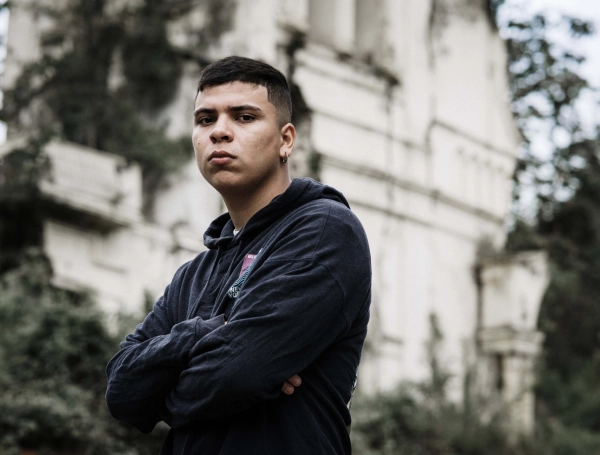
This dynamic highlights the ethical complexity of long-form documentary work: the blurring line between observation and influence. Yet, the film remains grounded in the reality of the families’ choices. It explores the "game" of life—a series of decisions influenced by both structural inequality and personal agency.
Official Responses and Personal Reflection
Upon receiving the Macondo award, Andrés Ruiz delivered an emotional speech, dedicating the victory to his producer, Jorge Andrés Botero, and to the families who allowed him into their homes. Ruiz highlighted a central thesis that emerged during the long edit: the impact of fatherhood on social stability.
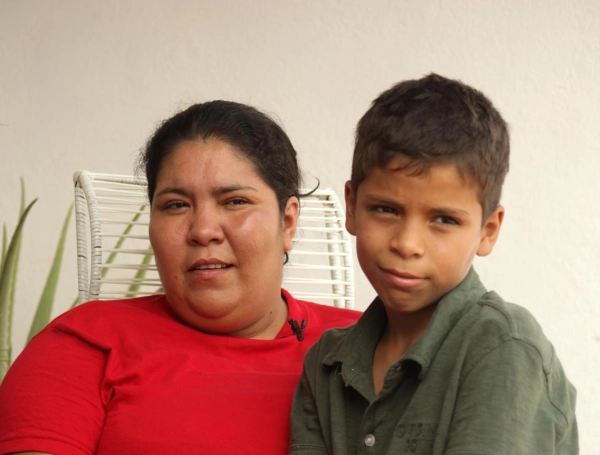
"In El juego de la vida, we demonstrate how the absence of the father is a significant driver of poverty in this country," Ruiz stated. The director also spoke candidly about his own evolution. Throughout the editing process, he resisted the urge to include his own story, fearing it would be an unnecessary intrusion. It wasn’t until he was deep into the process that he realized he, too, was a product of social mobility.
"I had to confront my own history," he admitted. "I didn’t even think of myself as coming from a poor background when I was a child. It’s a narrative we often suppress, but integrating that personal discovery was vital to the final cut."

The Implications of ‘The Game of Life’
The documentary does not offer easy solutions to the systemic issue of poverty. Instead, it challenges the audience to recognize the complexity of the "decision-making map" available to those living on the margins. By focusing on the longitudinal changes, the film proves that mobility is rarely a straight line; it is a series of pivots, setbacks, and occasional breakthroughs.
The project’s impact extends beyond the theater. By providing a multi-platform experience—the film, the book, and an educational initiative—Ruiz has created a comprehensive archive of Colombian social history. The film’s availability on platforms like Amazon Prime and through the university’s own portal (eljuegodelavida.uniandes.edu.co) ensures that this research remains accessible to the public and to students of sociology and economics alike.

A Legacy of Unfinished Stories
Despite the 14 years of footage, Ruiz remains restless. He admits that the most difficult part of the process was deciding what to leave on the cutting room floor. With 50 families documented but only four featured in the final film, the director feels the weight of the stories yet to be told.
"The film is still rolling in my head," he reflects. "When I see someone like Dony, who was a subject in the film, performing at a concert today, I realize that the documentary is just a snapshot. These people continue to live, to struggle, and to grow. The ‘game’ doesn’t end when the credits roll."

Conclusion: The Power of Persistent Storytelling
The recognition at the Macondo Awards serves as a testament to the power of long-form, patient journalism and documentary filmmaking. In an era of rapid-fire content, El juego de la vida demands time, empathy, and reflection. It forces the viewer to move past the binary of "poor vs. wealthy" and instead look at the intricate, often invisible, mechanics of how a life is built, sustained, and occasionally elevated.
For Andrés Ruiz, the journey from a young man dreaming of photographing birds for National Geographic to a director capturing the socio-economic evolution of his nation has been transformative. As he looks toward the future, the lessons learned from these families continue to shape his perspective on what it means to be a witness to history.

The film stands as a monumental achievement—a 14-year conversation that invites every Colombian to consider the rules of the game they are playing, and the opportunities they might create for those who come next. As the documentary continues to screen, its true value will not be measured by the awards on a mantle, but by the ongoing discussions it sparks in households across the country.