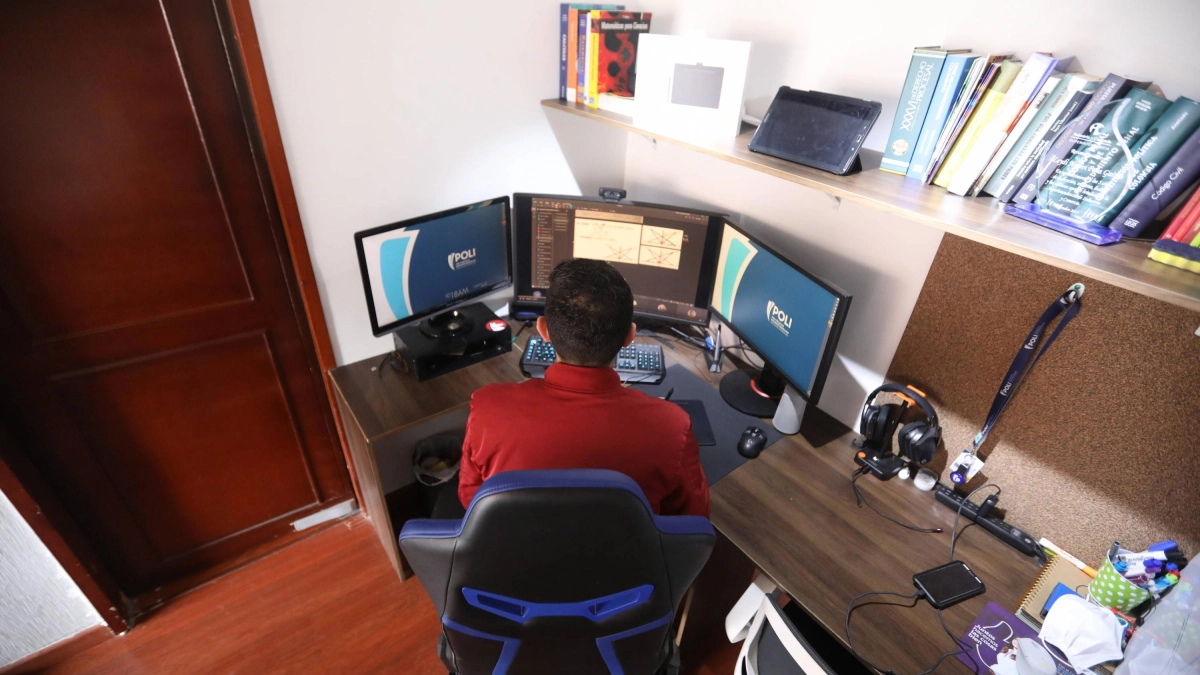
Two months after a devastating earthquake, the academic community is calling for a radical rethink of how the government manages institutional recovery. Instead of solely focusing on physical reconstruction, universities are advocating for a "digital-first" strategy to ensure educational continuity.
The Core Proposal: Redefining Recovery
More than two months have passed since a major seismic event struck the region, leaving a trail of destruction that extended deep into the heart of the national education system. As the "Fondo Milagro"—the special government entity established to manage reconstruction—begins its operations, the higher education sector has issued a formal, strategic petition to the national government.
The core argument is clear: the path to recovery should not be viewed merely as a construction project, but as a technological evolution. Universities are urging officials to prioritize virtual and hybrid learning models in affected zones as the most efficient, scalable, and equitable alternative to immediate, large-scale physical rebuilding.
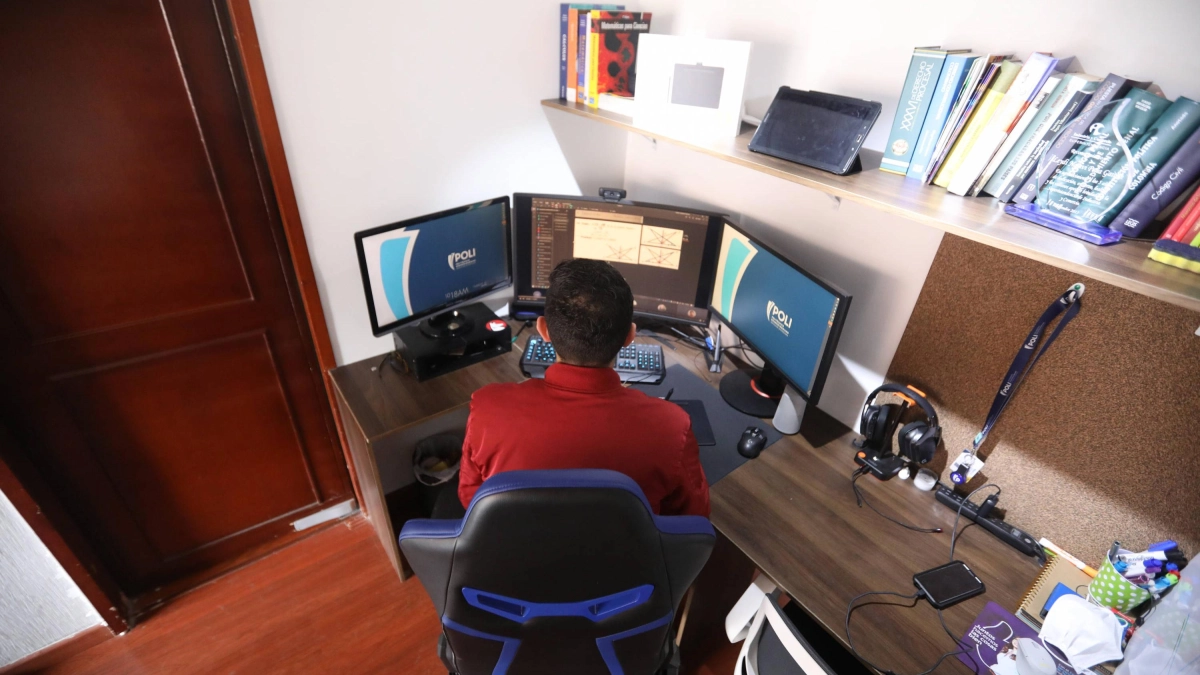
Eduardo Behrentz, Rector of Unigermana, has become a vocal proponent of this paradigm shift. "Rebuilding must not be limited to replicating, classroom by classroom, the model that existed before the earthquake," Behrentz argued. "In territories with low student density, the process of building, equipping, and operating new physical campuses can consume astronomical resources and take years to complete. An investment of equivalent value in connectivity, robust academic platforms, and teacher training can deliver quality higher education to more young people, much faster, and without forcing them to leave their home territories."
A Chronology of the Crisis and Response
The timeline of this emergency reveals the immense pressure on the educational infrastructure:
- T-Day (The Seismic Event): A major earthquake causes widespread structural damage across the country, affecting thousands of schools and universities.
- Weeks 1-4 (Immediate Response): The government triggers emergency protocols, suspending classes and assessing the integrity of thousands of facilities.
- Weeks 5-8 (The "Digital Pivot"): Recognizing the impossibility of immediate physical attendance, many institutions independently adopt emergency virtual schemes. The government begins to realize that the traditional "brick and mortar" approach is insufficient.
- Month 2 (Policy Shift): The government issues Decree 1386 of 2026, creating the legal framework to authorize the use of alternative, temporary spaces for education.
- Present Day: The national debate shifts to long-term reconstruction, with universities formally asking the government to adopt a "digital priority" criterion when allocating the $450,000 million budget assigned to the Fondo de Financiamiento de la Infraestructura Educativa.
Supporting Data: The Scale of the Challenge
The data provided by the Ministry of Education underscores the gravity of the situation. Out of the total educational infrastructure, more than 5,500 sites sustained significant damage during the earthquake.

As of late October 2026, approximately 4,200 of these sites have managed to reactivate their services, though many are operating at reduced capacity or in temporary, improvised settings. The financial response is substantial but finite:
- Fondo de Financiamiento de la Infraestructura Educativa: $450,000 million (local currency) allocated for direct repairs.
- International Support: The Development Bank of Latin America and the Caribbean (CAF) has stepped in to redirect $48 million USD toward the reconstruction of educational facilities, with a specific, heightened focus on the Chocó department, one of the areas most affected by both the disaster and historical underinvestment.
However, university leaders point out that these funds, if spent exclusively on traditional construction, may be insufficient to meet the needs of the 1,300 sites still offline, whereas a hybrid model could bridge that gap more effectively.
The "Digital Priority" Framework
The proposal from the university sector is not an call to abandon physical infrastructure entirely, but rather to apply a "Digital Priority" filter to public policy. Under this proposed framework, the government would be required to evaluate every reconstruction project against a set of variables:

- Cost-Benefit Analysis: Does the cost of rebuilding a physical facility in a low-density area provide a better long-term outcome than investing in community-based satellite internet and digital hubs?
- Time-to-Service: How quickly can a virtual or hybrid model restore educational access compared to the two-to-three-year timeline typical of large-scale construction?
- Resilience: Can a hybrid model protect the system against future seismic events or climate-related disruptions?
"We are not proposing to stop rebuilding what is essential," Behrentz clarified. "We are simply stating that the reconstruction should not force us to return exactly to the old model. We have an opportunity to leapfrog decades of technological lag."
Official Responses and Government Stance
The Ministry of Education has demonstrated a willingness to listen, signaling a departure from rigid traditionalism. The issuance of Decree 1386 of 2026 is the most significant indicator that the administration recognizes the need for flexibility. This decree allows for:
- The use of non-traditional spaces (community centers, municipal offices, or temporary modular buildings) for classes.
- The legal recognition of virtual hours as equivalent to face-to-face instruction in emergency contexts.
- The implementation of flexible curricular structures that allow students to progress without the requirement of constant physical presence.
Despite this progress, the tension between the "construction lobby" and the "digital proponents" remains. Some stakeholders fear that prioritizing digital infrastructure might lead to a permanent reduction in physical spaces, which are essential for social cohesion, laboratory work, and extracurricular activities.

Implications: The Future of Higher Education
If the government adopts the universities’ petition, the implications for the national education system will be profound:
1. Decentralization of Knowledge
By investing in connectivity and regional digital hubs, higher education could become more accessible to rural and remote populations who previously had to relocate to urban centers to study. This would alleviate the demographic pressure on major cities and stimulate local economies.
2. Modernization of the Workforce
A shift toward virtual and hybrid learning requires faculty to be proficient in modern pedagogical tools. A nationwide effort to "upskill" teachers could lead to a massive improvement in the overall quality of education, as professors learn to utilize AI, collaborative digital platforms, and asynchronous learning models.

3. Economic Efficiency
The fiscal burden of building and maintaining thousands of physical sites is immense. Redirecting a portion of that capital toward "Digital Infrastructure" (broadband, satellite, and hardware) creates an asset that can be used for more than just formal education—it becomes a tool for community development, telemedicine, and local government services.
4. A Template for Crisis Management
The lessons learned in the wake of this earthquake could serve as a model for other nations. By institutionalizing the ability to switch between physical and digital modes, the country would be better prepared for future emergencies, whether they are natural disasters, public health crises, or environmental disruptions.
Conclusion: A Turning Point
The debate over the reconstruction of educational facilities is a microcosm of the broader struggle between traditional models and the realities of the 21st century. The earthquake, as tragic as it was, has forced a conversation that was arguably long overdue.

As the government evaluates the next steps for the $450,000 million in funding and the international aid from the CAF, the eyes of the academic world remain fixed on the Ministry of Education. The decision to build back "the same as before" or to build back "better and differently" will determine the quality of life for a generation of students.
The path forward, according to the university rectors, is not found in the concrete and steel of the past, but in the fiber optics and digital classrooms of the future. The challenge for the government now is to balance the immediate need for safe shelter with the long-term imperative of technological progress. Only by integrating these two objectives can the nation ensure that its educational system is not just rebuilt, but truly transformed.