BRASÍLIA — In what political analysts are calling one of the most polarized and consequential electoral showdowns in modern Latin American history, Brazil held the second round of its presidential election on Sunday, October 25, 2026. Approximately 159 million eligible voters were called to the polls nationwide to decide the political trajectory of the region’s largest democracy.
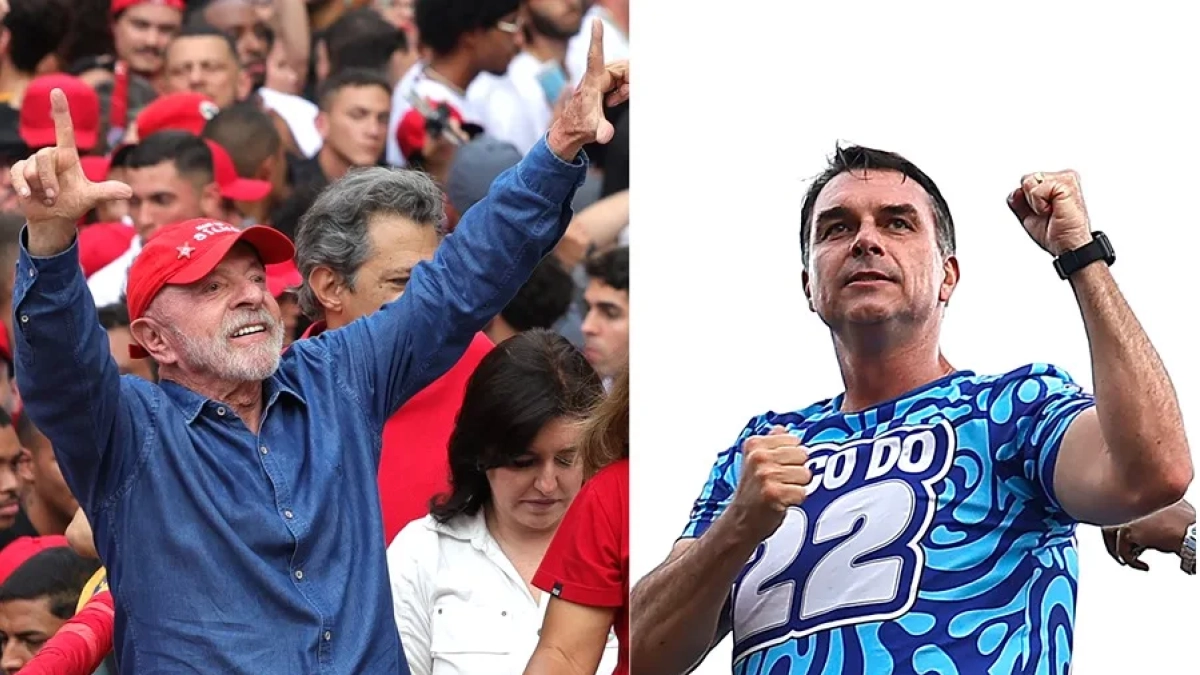
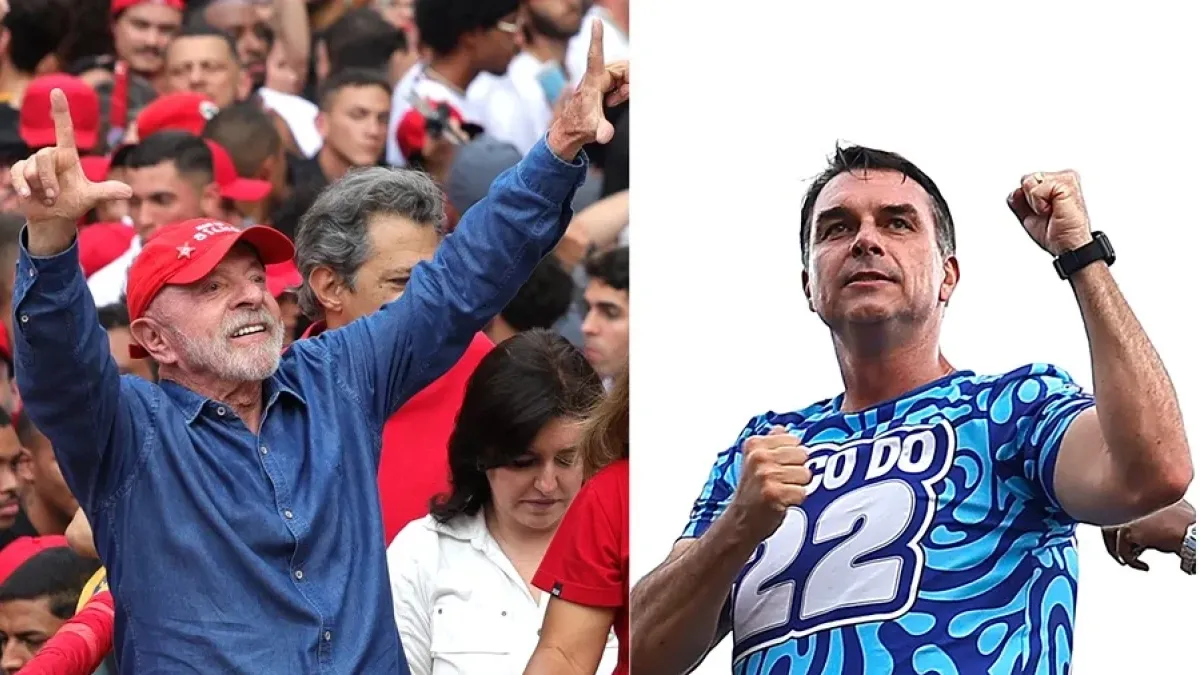
The high-stakes ballot pits incumbent leftist leader Luiz Inácio Lula da Silva, seeking another mandate, against conservative challenger Senator Flávio Bolsonaro of the Liberal Party (PL), who carries the political banner of his family’s influential movement. The winner of this historic runoff is scheduled to assume the presidency on January 5, 2027, taking the reins of a nation deeply divided along ideological, economic, and social lines.
1. Main Facts of the Election
The electoral contest on Sunday marked the culmination of months of intense campaigning characterized by fierce rhetoric, debates over economic stability, environmental policy, and the future of Brazil’s democratic institutions.
- The Contenders: Incumbent President Luiz Inácio Lula da Silva, representing the left-leaning Workers’ Party (PT), faces Senator Flávio Bolsonaro, standard-bearer for the right-wing Liberal Party (PL).
- The Electorate: The Superior Electoral Court (TSE) confirmed that roughly 159 million Brazilians were registered to cast their ballots across more than 5,500 municipalities.
- The Stakes: Beyond domestic governance, inflation, and social welfare programs, the election holds immense geopolitical weight. The outcome will dictate Brazil’s stance on global climate commitments, trade agreements, and regional integration in South America.
- The Timeline: Voting centers opened at 8:00 a.m. local time and closed at 5:00 p.m., with electronic voting systems allowing for rapid tabulation by the country’s electoral authorities. The next presidential term officially commences on January 5, 2027.
2. Chronology of the 2026 Electoral Process
The road to the October 25 runoff was paved with intense political maneuvering, judicial oversight, and shifting alliances that reshaped the Brazilian political landscape over the past two years.

Early 2025: The Buildup and Party Alignments
As the political machinery geared up for the 2026 cycle, President Lula’s administration focused on consolidating its economic gains, managing inflation, and expanding social safety nets. Concurrently, the opposition began searching for a unified voice. The Liberal Party, retaining a powerful grassroots base, eventually coalesced around Senator Flávio Bolsonaro, positioning him as the primary challenger to the incumbent administration.
Mid-2026: The First Round
The first round of the presidential election, held earlier in the autumn, winnowed down a crowded field of candidates. While Lula secured a plurality of the votes, he failed to cross the absolute majority threshold required to avoid a runoff. Flávio Bolsonaro outperformed initial expectations in several key agricultural and urban strongholds, securing his place in the head-to-head October showdown and setting the stage for a dramatic final phase of campaigning.

October 25, 2026: Polling Day
The second round kicked off under strict security measures overseen by federal forces and electoral police. Long lines formed outside polling stations in major metropolitan areas such as São Paulo, Rio de Janeiro, and Brasília from the early morning hours. Media outlets and international observers monitored the proceedings closely, tracking turnout rates and the smooth operation of Brazil’s computerized voting terminals.
3. Supporting Data and Electorate Demographics
Understanding the 2026 Brazilian election requires a close look at the numbers that define the world’s fourth-largest democracy.

- Voter Turnout: While voting is compulsory in Brazil for citizens aged 18 to 70, historical turnout rates routinely hover above 75–80%. Preliminary data from the TSE indicated robust participation despite sporadic weather disruptions in the northern regions.
- Geographic Divides: Voting patterns traditionally reflect a stark geographic cleavage in Brazil. The Northeast has long served as a stronghold for Lula and the Workers’ Party, bolstered by historic social programs like Bolsa Família. Conversely, the wealthier South, Southeast, and Center-West regions—dominated by agribusiness and industrial sectors—tend to heavily favor conservative candidates like the Bolsonaristas.
- The Youth and Elderly Vote: Voters aged 16 to 17, for whom voting is optional, saw targeted mobilization campaigns by both camps. Meanwhile, senior citizens—a crucial demographic for social security and healthcare debates—turned out in large numbers during the morning hours.
4. Official Responses and Institutional Stance
As results began filtering in from the TSE, leaders from both political camps, international observers, and judicial authorities issued statements emphasizing transparency, law, and order.
The Superior Electoral Court (TSE), led by its magistrates, repeatedly reassured the public regarding the integrity of the electronic ballot boxes. Security protocols implemented ahead of the vote successfully mitigated widespread misinformation campaigns, according to independent cyber-security watchdogs.

Representatives from the Lula campaign expressed confidence in the administration’s track record, pointing to job creation, infrastructure investments, and strengthened international relations as reasons for voters to grant the incumbent a fresh mandate.
On the other side, the Liberal Party headquarters maintained an assertive posture throughout the day, urging supporters to monitor local polling stations and emphasizing the need for rigorous oversight during the vote-counting process. Flávio Bolsonaro’s camp campaigned heavily on themes of fiscal responsibility, public safety, traditional family values, and a reduction in state bureaucracy.

5. Implications for Brazil’s Future
The outcome of the October 25 runoff carries profound implications that will resonate far beyond the borders of Brasília.
Economic Direction
The next administration will inherit an economy navigating global headwinds, inflationary pressures, and the challenge of balancing fiscal restraint with necessary social spending. Lula’s camp advocates for state-led development, industrial policies, and poverty alleviation. In contrast, the Bolsonaro platform champions privatization, tax simplification, deregulation, and a more market-driven economic framework.

Foreign Policy and the Environment
Brazil’s role as an environmental steward—particularly regarding the Amazon rainforest—remains a critical point of international scrutiny. Under Lula, Brazil has re-established its voice in global climate negotiations, seeking international funding for conservation. A victory for the opposition could signal a pivot toward prioritizing national sovereignty over international environmental accords, reshaping diplomatic ties with the European Union, the United States, and emerging economies.
Democratic Resilience
The peaceful execution of the electoral process underscores the resilience of Brazil’s democratic institutions. Regardless of whether Lula da Silva secures a new mandate or Flávio Bolsonaro pulls off an upset to usher in a conservative shift, the incoming administration will face the supreme task of bridging a deeply polarized society ahead of the presidential inauguration on January 5, 2027.