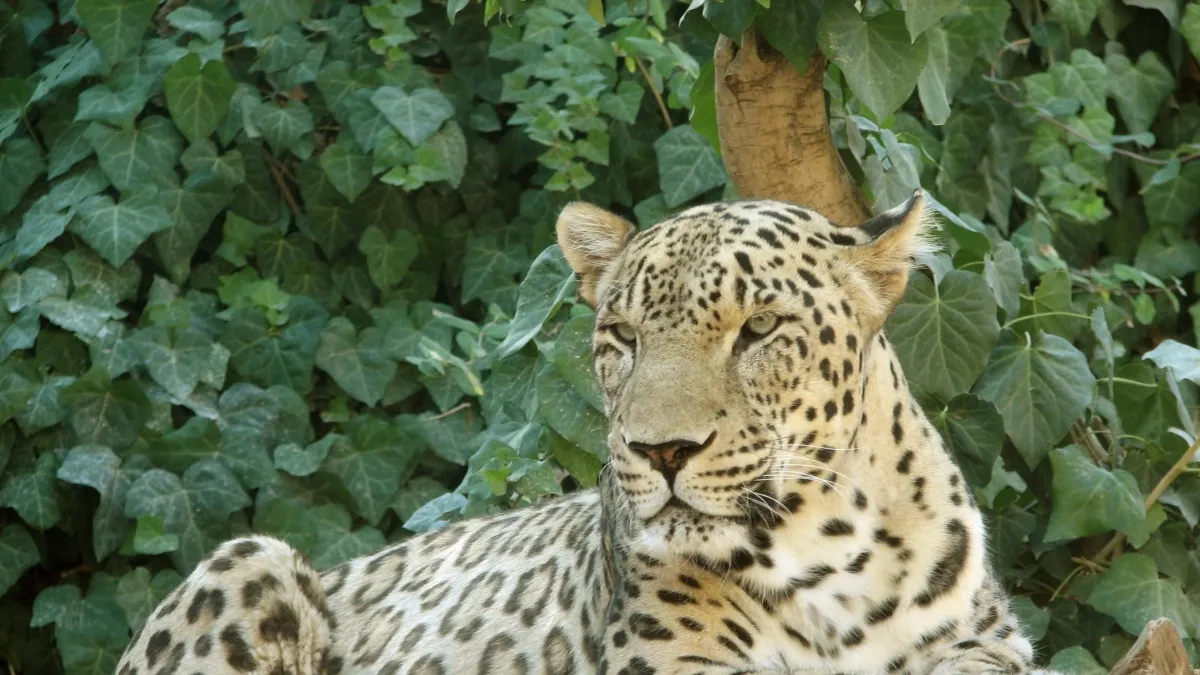
HILVARENBEEK, Netherlands — In what has been described by management as the most harrowing nightmare for any wildlife professional, a seasoned zookeeper with a quarter-century of dedicated experience remains in critical condition following a vicious attack by a Persian panther. The harrowing incident unfolded on the morning of Saturday, October 24, at the renowned Safaripark Beekse Bergen, located in Hilvarenbeek within the province of North Brabant, Netherlands.
The victim, whose identity has been withheld pending family notification and institutional privacy protocols, suffered catastrophic injuries after coming into direct contact with one of the park’s captive-bred Persian leopards (Panthera pardus saxicolor). Following emergency surgical intervention at a specialized trauma facility, institutional representatives and medical personnel have confirmed that her condition remains alarmingly precarious.
Despite the visceral tragedy of the event, Safaripark Beekse Bergen leadership has taken the definitive, ethical stance that the endangered animal will not be euthanized, sparking a broader conversation regarding the inherent risks of captive wildlife management, protocol adherence, and institutional accountability.
Main Facts of the Incident
The confrontation occurred shortly before 11:00 a.m. on Saturday within the specialized enclosure designated for the park’s large carnivores. The victim, universally praised by her superiors as a meticulous and safety-conscious veteran of the facility, was conducting routine morning rounds.
The Victim: A 25-year veteran of Safaripark Beekse Bergen, highly regarded for her strict adherence to safety protocols and extensive handling experience with apex predators.
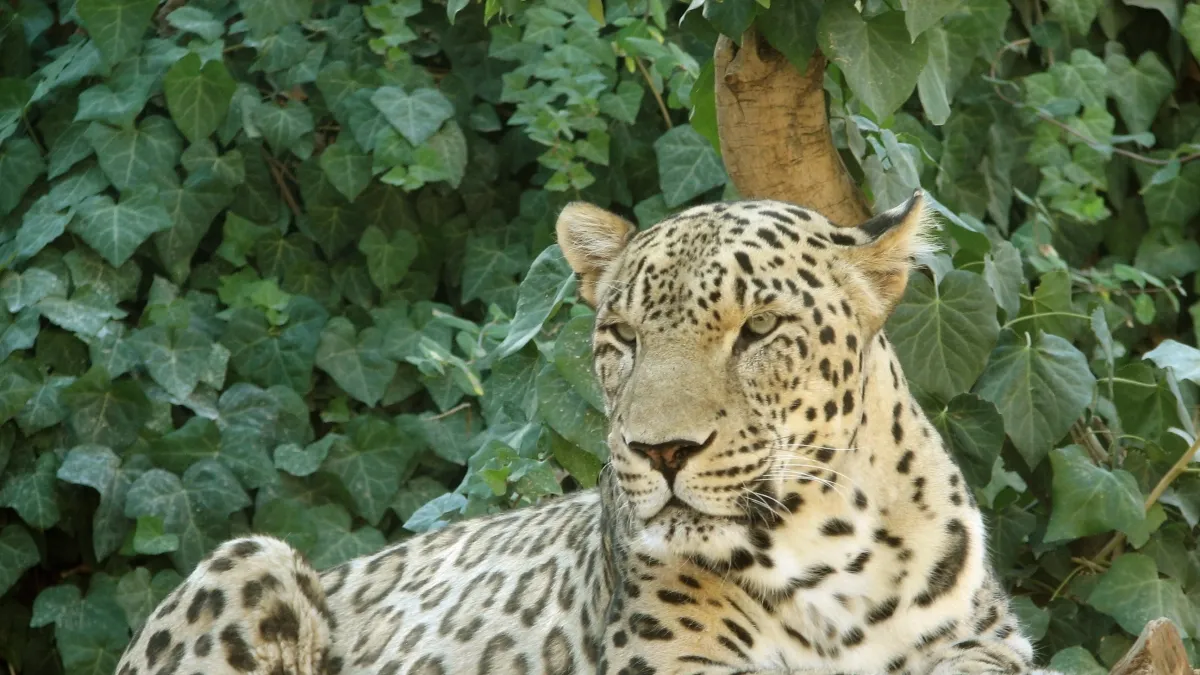
The Animal: A Persian panther (Persian leopard), one of two housed at the facility, which were secured in their indoor holding areas the previous night due to severe weather.
The Location: The carnivore habitat zone at Safaripark Beekse Bergen in Hilvarenbeek, Netherlands.
The Response: Immediate deployment of on-site medical staff, a specialized trauma helicopter, and subsequent emergency transport to a regional intensive care unit.
The Animal’s Status: Safaripark Beekse Bergen administration has confirmed the animal will not be euthanized, emphasizing that the feline was merely exhibiting natural territorial behavior within its designated enclosure.
Chronology of Events: From Routine Rounds to Critical Emergency
The sequence of events on Saturday morning transformed from a standard operational shift into a life-or-death crisis in a matter of moments.
Friday Night: The Approach of Storm Austen
In the hours leading up to the incident, the Netherlands bore the brunt of Storm Austen, a powerful weather system characterized by fierce winds and torrential downpours. In accordance with standard severe-weather protocols, the park’s two Persian panthers were secured inside their respective night shelters to protect them from the elements and ensure structural security.
11:00 A.M. Saturday: The Operational Split
The victim began her morning inspections alongside a trusted colleague, navigating the carnivore sector. However, at a critical juncture prior to the attack, the two workers became separated—a routine occurrence during multifaceted animal husbandry tasks, but one that tragically left the veteran keeper alone in proximity to the feline enclosure.
The Attack and Radio SOS
At approximately 11:00 a.m., the encounter occurred. Trapped within the predator’s recinto under as-yet-unexplained circumstances, the keeper sustained severe lacerations and trauma. Demonstrating immense presence of mind amid the chaos, she managed to activate her portable two-way radio, issuing a desperate call for help.
The Rescue Operation
Her immediate work partner, hearing the distress call over the radio channel, rushed to the scene. Finding the victim inside the enclosure, the colleague raised an immediate, high-priority facility-wide alarm.
Within minutes, park emergency responders converged on the location. Recognizing the catastrophic nature of the injuries, park management coordinated with regional emergency services, scrambling a specialized mobile medical trauma helicopter. The injured keeper was stabilized on-site before being airlifted in critical condition to a specialized hospital, where surgical teams immediately took over her care.
Official Responses and Human Cost
The psychological impact of the event rippled through Safaripark Beekse Bergen almost instantly. Martin van Hees, the head of animal care at the facility, was at home when the emergency alert reached him. Visibly shaken during a Saturday afternoon press briefing, Van Hees articulated the profound grief felt by the institution’s staff.
"By now, the woman is in the hospital and undergoing surgery; her condition is deeply concerning," Van Hees told reporters, fighting back emotion. "We are acutely aware that a baseline risk exists whenever human beings work alongside dangerous, wild animals, but this is an absolute worst-case scenario that you never, ever want to experience in your career."
Van Hees was quick to defend the professional record of the injured keeper, pushing back against any premature assumptions of human error or negligence.
"She is an exceptionally experienced animal caretaker, someone who has always been hyper-vigilant regarding safety protocols," Van Hees emphasized. "It is profoundly heartbreaking that this has happened to her. Right now, our singular focus is waiting anxiously for updates on her medical recovery."
Regarding the decision to spare the animal’s life, Van Hees was unwavering.
"We are not going to take any punitive action against the panther," he stated unequivocally. "The animal was simply inside its enclosure, behaving precisely as its instincts dictate. The wild animal bears no moral or operational blame for what transpired."
Investigations and Regulatory Scrutiny
As medical professionals fight to save the keeper’s life, a multi-tiered investigation is underway to reconstruct the exact chain of events that allowed human and beast to occupy the same physical space.
The Dutch Labor Inspectorate (Nederlandse Arbeidsinspectie)
True to standard European occupational health and safety laws, the Dutch Labor Inspectorate intervened immediately on Saturday afternoon. Inspectors descended upon Safaripark Beekse Bergen to review operational logs, interview surviving witnesses, evaluate radio communication transcripts, and inspect the physical security locks and sliding gates of the Persian panther habitat.
The inspectorate aims to determine whether structural failures, mechanical malfunctions, or procedural oversights contributed to the containment breach. Under Dutch labor law, employers operating high-risk facilities bear a strict legal duty of care to ensure that workspaces are engineered to prevent accidental human-wildlife overlap.
Internal Park Audit
Concurrently, Safaripark Beekse Bergen has launched an exhaustive internal investigation. Investigators are focusing heavily on the operational interface between the night shelters used during Storm Austen and the daytime outdoor enclosure. Because the panthers had been locked away the previous night, zoological experts are trying to determine whether a door was improperly secured, whether a mechanical override failed, or if miscommunication between staff members led to the unauthorized access.
Broader Implications: Captive Wildlife Management and Ethics
The tragedy at Safaripark Beekse Bergen has reignited a fierce, ongoing global debate concerning the ethics and safety of maintaining apex predators in zoological facilities.
The Illusion of Absolute Safety in Animal Husbandry
Modern zoos and safaris invest heavily in behavioral enrichment, double-gate lock systems (lock-out systems), and rigorous employee training. However, wild animal behavior remains fundamentally unpredictable. Persian leopards (Panthera pardus saxicolor), native to the Caucasus, Iran, and Central Asia, are solitary, highly territorial, and immensely powerful ambush predators.
Animal behaviorists point out that even animals habituated to human presence for decades retain their wild predatory drives. A sudden noise, a change in lighting, the residual scent of storm-induced stress, or a simple misjudgment in spatial awareness can trigger an instantaneous defensive or predatory response.
The Shift Away from Retributive Euthanasia
Historically, zoological parks frequently practiced mandatory euthanasia for any captive wild animal that attacked or killed a human handler, operating under the assumption that the animal had become "man-killers" or permanently tainted.
However, modern zoological ethics—championed by organizations like the World Association of Zoos and Aquariums (WAZA)—have undergone a paradigm shift. Increasingly, institutions recognize that wild animals cannot comprehend human operational rules. Punishing an animal for exhibiting natural predatory instincts when human error or structural failure is to blame is now widely viewed as ethically indefensible. Safaripark Beekse Bergen’s swift declaration that the panther will be spared reflects this modern, more compassionate evolution in zoo management.
Conclusion
As the medical teams at the regional trauma hospital continue their heroic efforts to stabilize the 25-year veteran keeper, the community at Safaripark Beekse Bergen remains suspended in anxious grief.
The incident serves as a stark, sobering reminder of the invisible line that separates human civilization from the untamed wild. While investigations by the Dutch Labor Inspectorate and internal park auditors will eventually yield answers as to how the containment boundary failed, the immediate future hinges entirely on the health and resilience of a dedicated caretaker who dedicated a quarter-century of her life to the care and understanding of the natural world.
By Edwin Caicedo, Environmental and Health Correspondent Bogotá, Colombia, is set to become the epicenter of global environmental advocacy and investigative rigor as it prepares to host the inaugural Puma Fest, the first-ever Latin American…
BOGOTÁ, COLOMBIA — Colombia is currently gripped by an extraordinary meteorological phenomenon characterized by a severe thermal dichotomy. As the nation transitions through September 2026, citizens across multiple regions are enduring punishing afternoon heatwaves that…
By Edwin Caicedo, Environment and Health Journalist Updated: July 22, 2026 The Institute of Hydrology, Meteorology and Environmental Studies (Ideam) has issued a comprehensive national alert as Colombia prepares for a period of significant atmospheric…