By Edwin Caicedo | Environment and Health Journalist Published: October 22, 2026
Main Facts
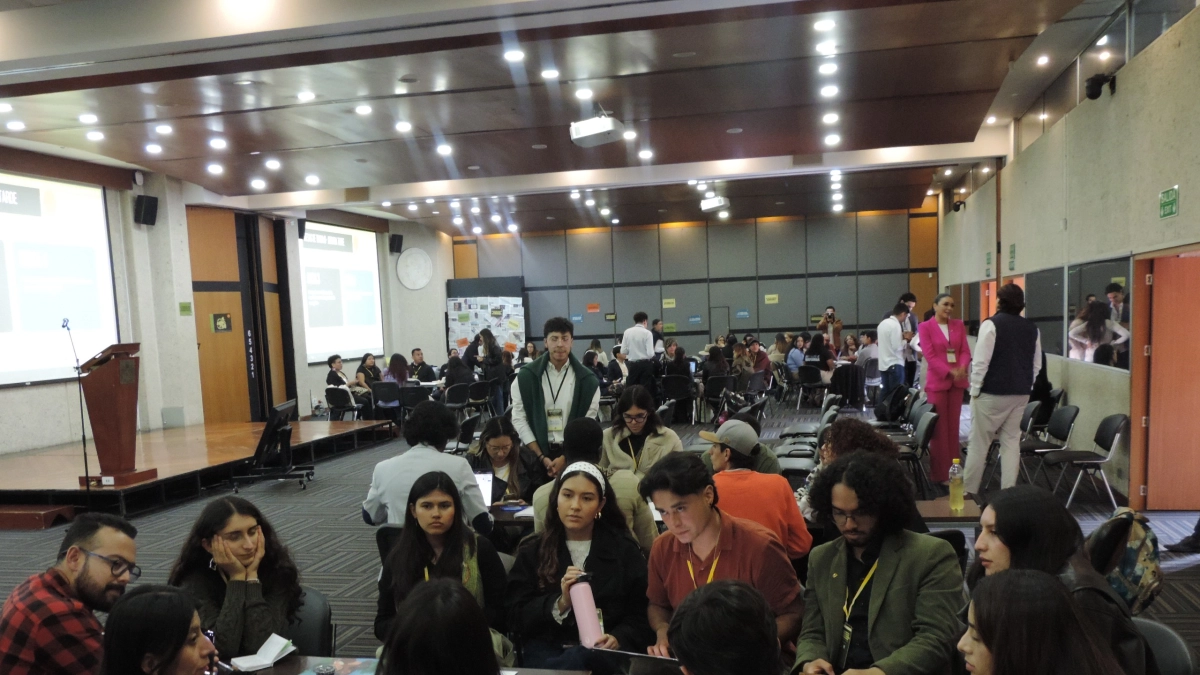
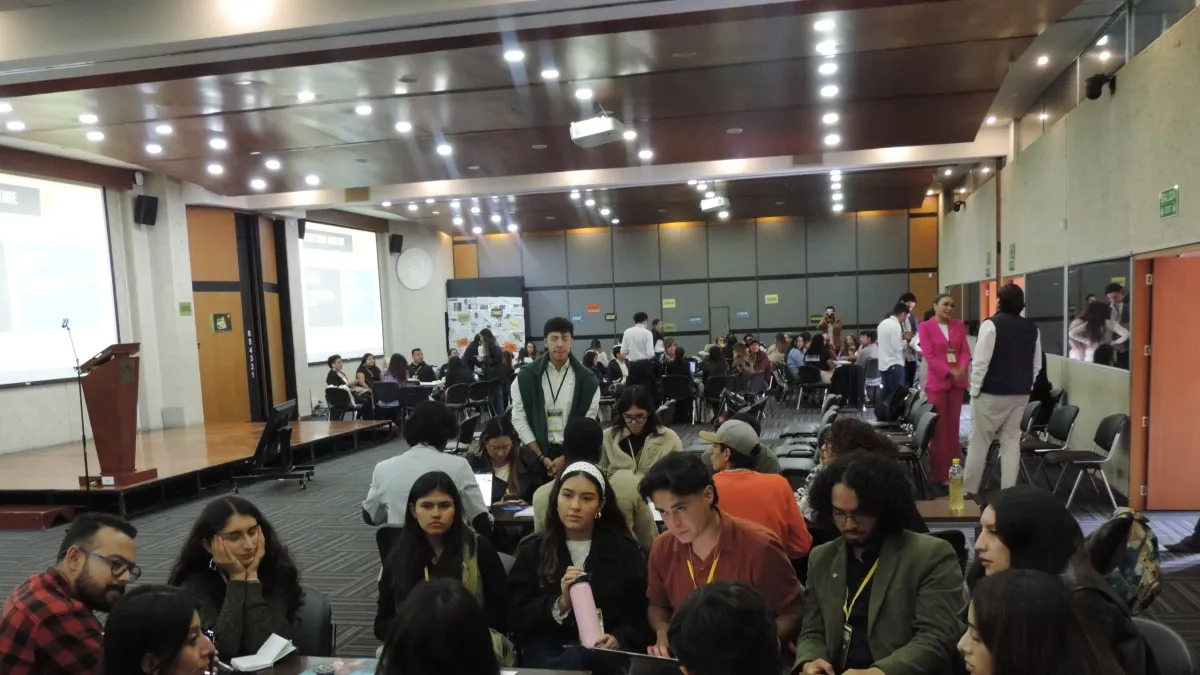
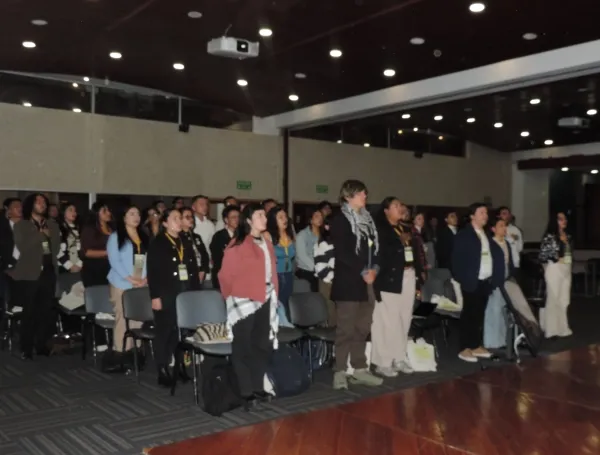
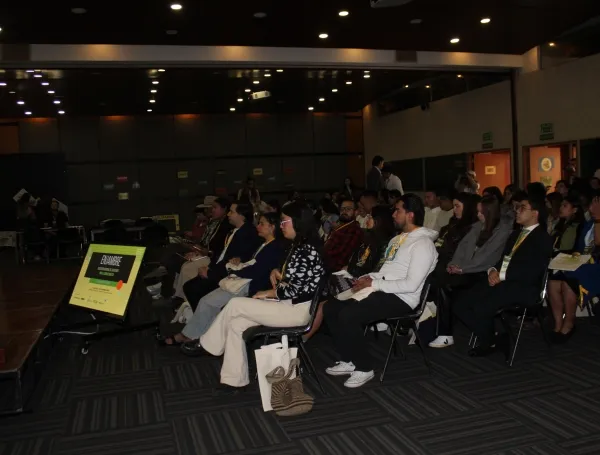
In an unprecedented display of civic mobilization and technical rigor, more than 160 young leaders representing 130 organizations and spanning 25 departments across Colombia have formally presented a comprehensive climate and development agenda to the National Department of Planning (DNP). The initiative—spearheaded by the youth-led climate laboratory Life of Pachamama—aims to structurally embed youth priorities, environmental safeguards, and economic innovations into the upcoming National Development Plan (PND) for 2026–2030.
The meticulously crafted roadmap goes far beyond traditional, generalized declarations of intent. It delivers 10 concrete recommendations, three public innovation projects, and three fully drafted legislative articles designed for direct integration into the legal framework of the PND. These proposals stem directly from grassroots realities, translating regional vulnerabilities into actionable public policy with clear indicators, responsible entities, deadlines, and measurable targets.
The coalition behind the agenda reflects remarkable diversity. It was forged through the Youth for Climate Action summit, convened by Life of Pachamama in strategic alliance with Youth Corps, the Pontificia Universidad Javeriana, the University of los Andes, and Movilizatorio. The collaborative effort drew upon the insights of youth councilors, indigenous, Afro-descendant, and peasant communities, students and faculty from 18 educational institutions, representatives from public entities, staff from seven congressional offices, and private sector actors operating across more than 60 municipalities.
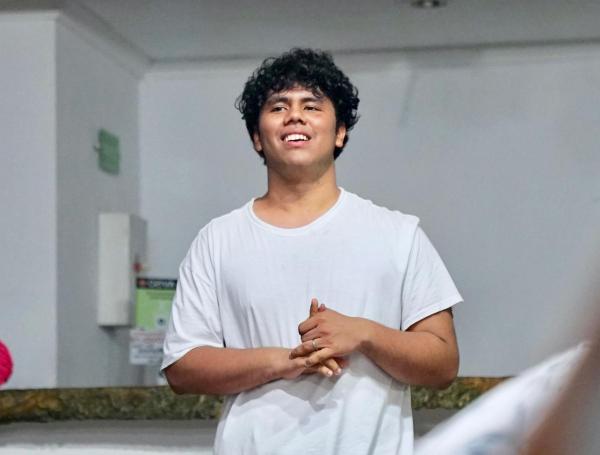
Juan David Amaya, founder of Life of Pachamama and co-leader of Enjambre, emphasized that the core philosophy of the agenda is accountability. "Young people from 25 departments took the problems they experience daily in their municipalities and transformed them into concrete proposals equipped with responsible parties, indicators, metas, and compliance dates. Everything we have delivered can be integrated into the Plan using existing legal mechanisms. We are urging the DNP and every ministry to summon us to technical tables to negotiate these goals," Amaya stated.
Chronology: The Path from Grassroots Workshops to the Halls of Congress
The delivery of the agenda to the DNP marks a critical milestone in a multi-phase strategy designed to ensure youth voices are not merely heard, but legally codified into Colombia’s governing blueprint. The timeline for this unprecedented legislative and policy intervention unfolds across several key phases:
Mid-2026 (The Build-Up): Regional summits and technical roundtables are convened across six regions of Colombia. Youth delegates from 25 departments identify localized crises—ranging from water scarcity and deforestation to unemployment and disaster risks—and synthesize them into standardized policy recommendations.
October 22, 2026 (Formal Presentation): The finalized agenda, comprising 10 recommendations and three legislative articles, is officially presented to the National Department of Planning (DNP), launching the advocacy campaign for the 2026–2030 PND.
November 19, 2026 – January 20, 2027: The Legal Advisory Office of the DNP reviews and adjusts the draft text of the National Development Plan bill. Life of Pachamama plans to submit its three proposed legislative articles during this crucial window.
January 10, 2027: The National Council of Planning (Consejo Nacional de Planeación) is scheduled to issue its official concept on the PND. Youth networks will lobby to have their climate and social agenda explicitly incorporated into this evaluation.
Early 2027 (Regional Public Hearings): Youth delegations carry their regional priorities to the public hearings of the Plurianual Investment Plan, advocating for adequate budget allocations for youth-led and environmental initiatives.
February 5 or 6, 2027: The National Government is slated to officially file the PND bill in Congress.
February – May 2027 (The Legislative Debate): During the mandated 90-day congressional debate, youth networks plan to maintain a permanent presence. They will collaborate with joint economic committees and congressional parties across the political spectrum, providing technical data and lobbying for the inclusion of their proposals in the final statutory text.
Beyond the PND: Parallel to the PND process, youth networks are preparing a separate legislative initiative to update the National Statute of Youth Citizenship (Estatuto de Ciudadanía Juvenil), further strengthening long-term participatory mechanisms.
Supporting Data and Core Pillars of the Agenda
The comprehensive document presented to the DNP is structured around several interconnected pillars, blending rigorous financial tracking, ecological decentralization, green economics, and institutional transparency.
1. The "Youth Seal" (Sello Joven): Tracking Public Investment
One of the most innovative institutional components of the agenda is the creation of the Sello Joven (Youth Seal). This tool combines a budgetary tracer with a public dashboard hosted within the national Sinergia system. Its primary objective is to bring total transparency and accountability to public spending by precisely identifying how much capital the PND allocates to the demographic cohort aged 14 to 28, and critically, what tangible results those investments yield. By moving beyond simple expenditure tracking into verifiable impact measurement, the initiative aims to eradicate inefficiencies and ensure public funds genuinely improve young Colombians’ quality of life.
2. Territorial Youth Laboratories and Climate Resilience
On the environmental front, the agenda proposes establishing Laboratorios Territoriales Jóvenes (Territorial Youth Laboratories). Conceived as decentralized citizen science networks, these labs would unite youth, universities, and local communities to monitor critical environmental variables such as water quality, wildfire risks, biodiversity health, and climate hazards.
Crucially, these labs are designed to interconnect with the early warning systems of the Institute of Hydrology, Meteorology and Environmental Studies (IDEAM). This integration bridges grassroots community observations with institutional forecasting capabilities. Furthermore, the agenda mandates technical assistance to ensure that at least 50 percent of prioritized municipalities update their Territorial Ordering Plans (POTs), integrating rigorous risk studies and protective zoning for moorlands (páramos), wetlands, and vital river basins.
3. Green Employment and the Rural Bioeconomy
Recognizing that ecological transition is inextricably linked to economic survival, the agenda outlines comprehensive strategies for sustainable livelihoods:
Green First Jobs: In partnership with the National Learning Service (SENA) and the private sector, the proposal establishes training programs and first-job incentives geared toward renewable energy, conservation, and sustainable agriculture.
Regulatory Stability: Advocates call for stable regulatory frameworks for renewable energy investments and the mandatory inclusion of sustainability criteria in public procurement processes.
Rural Bioeconomy Support: To counter the economic pull of illegal mining and deforestation, the agenda promotes financial credit, technical assistance, and preferential public procurement access for green businesses and bioeconomy ventures spearheaded by rural youth.
4. Institutional Participation and Transparency
Democratizing governance is a foundational theme of the document. The youth coalition demands that 100 percent of proposals formulated by official Youth Councils (Consejos de Juventud) receive a formal, binding institutional response from the relevant government bodies. Additionally, the agenda champions the implementation of youth participatory budgeting.
Transparency is also demanded regarding post-disaster reconstruction efforts—specifically addressing the aftermath of the August 10 seismic events. The agenda mandates open data protocols and youth-led social oversight (veedurías juveniles) to monitor contracts, aid distribution, and the execution of recovery funds.
Official Responses and Stakeholder Perspectives
The ambitious scope of the youth agenda has drawn attention from prominent youth leaders and civil society organizers who view this moment as a generational turning point.
Valeria Rodríguez, national manager of Life of Pachamama and co-leader of Enjambre, underscored the cross-partisan nature of the initiative and outlined the roadmap for congressional lobbying:
"We are going to be present at every single stage of the Plan’s enactment. When the project reaches Congress, we will meet with the economic committees and with all political benches to ensure these proposals are written directly into the law. This agenda was built by young people holding diverse political visions; therefore, we expect backing from congressmen across every single political party," Rodríguez affirmed.
The framing of the agenda emphasizes that youth are no longer content with symbolic consultations. By anchoring their demands in existing legal frameworks and offering ready-to-implement policy articles, the coalition has shifted the paradigm from passive protest to active, technical co-governance.
Implications for Colombia’s Future (2026–2030 and Beyond)
The formal integration of the Life of Pachamama agenda into the policy-making machinery carries profound implications for Colombia’s sociopolitical and environmental landscape over the next four years and beyond:
Redefining Youth Participation: For decades, youth representation in Colombia has frequently been sidelined into advisory roles with little binding authority. The insistence on mandatory responses to Youth Councils, coupled with budgetary tracking tools like the Sello Joven, establishes a new standard for accountability that could permanently alter the relationship between the state and its youngest citizens.
Decentralizing Climate Action: By embedding citizen science networks directly into IDEAM’s early warning systems and updating municipal POTs, the agenda bridges the gap between top-down state planning and bottom-up ecological defense. This decentralized approach is vital for a megadiverse country highly vulnerable to climate shocks.
Economic Alternatives in Post-Conflict and Rural Zones: Tying green employment and bioeconomy financing to rural youth directly addresses the root economic drivers of environmental degradation, such as illegal crops, logging, and illicit mining. Providing viable, sustainable economic futures for rural youth is essential for lasting peace and ecological preservation.
A Test for the DNP and Congress: As the PND bill moves toward its definitive filing in February 2027, the National Department of Planning and lawmakers face a historic litmus test. Embracing or rejecting these 10 recommendations and three legislative articles will signal whether national institutions are truly prepared to grant youth a substantive role in steering Colombia’s sustainable development transition.
As Life of Pachamama continues its march from regional workshops to the congressional floor, the message from Colombia’s youth is unequivocal: the future of the nation cannot be planned without those who will inherit it.
By Cultural & Environmental Desk Published: September 8, 2026 Main Facts In a groundbreaking study that has recently captured the attention of the global conservation community, researchers at the prestigious University of Kyoto have successfully…
In the rapidly evolving landscape of the global automotive industry, the transition toward sustainable mobility is no longer just a trend for the environmentally conscious; it has become a pragmatic financial strategy. In Colombia, a…
By Global Environment Desk Published: October 23, 2026 Main Facts: The Accelerating Crisis of Aquatic Glaciers In a groundbreaking study that redefines our understanding of global cryospheric loss, scientists have revealed that more than half…