By Economic Reporting Desk
October 24, 2026
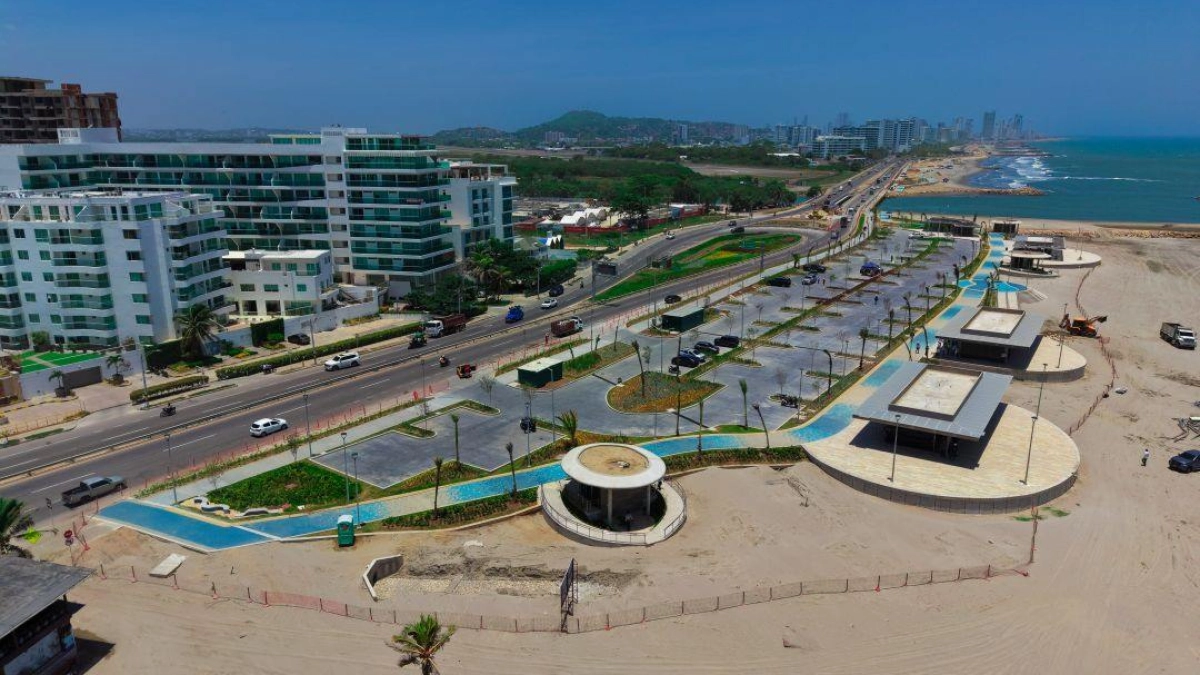
Cartagena, the jewel of the Colombian Caribbean, has officially entered a new era of urban development and coastal management. With the opening of the first two kilometers of the "Gran Malecón del Mar" (Great Sea Boardwalk), the city has begun a strategic push to fundamentally redefine its relationship with the ocean. This ambitious infrastructure project, designed to blend tourism, public recreation, and essential coastal protection, marks a pivotal moment for the city’s urban landscape.
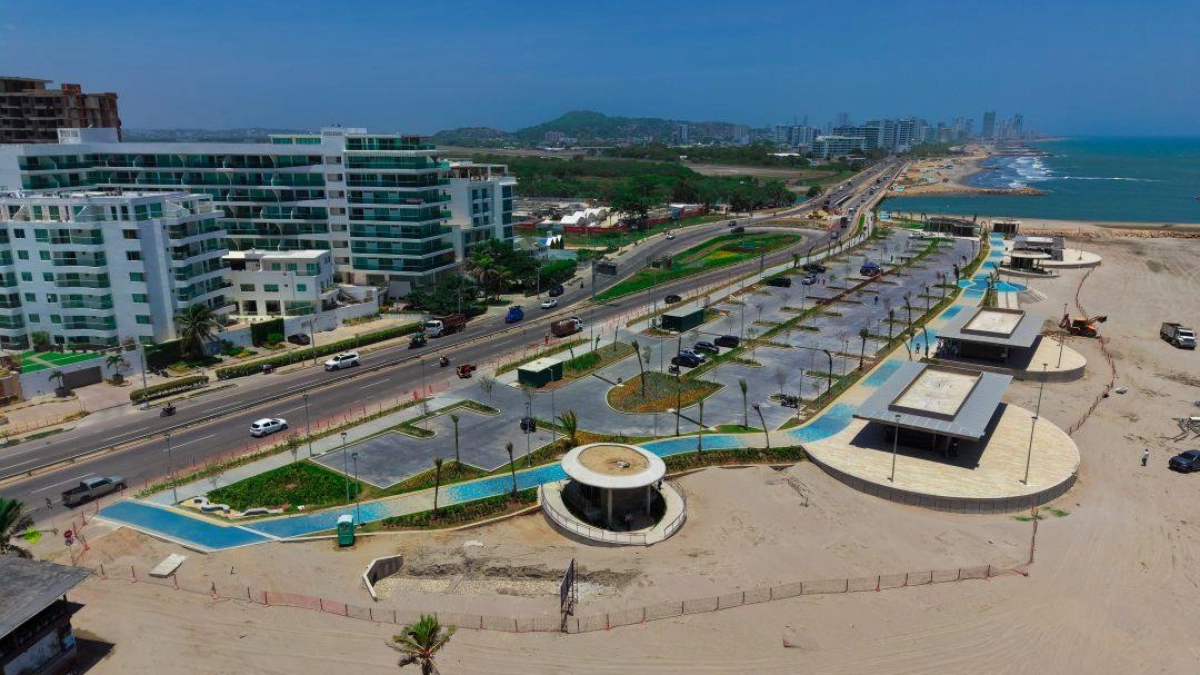
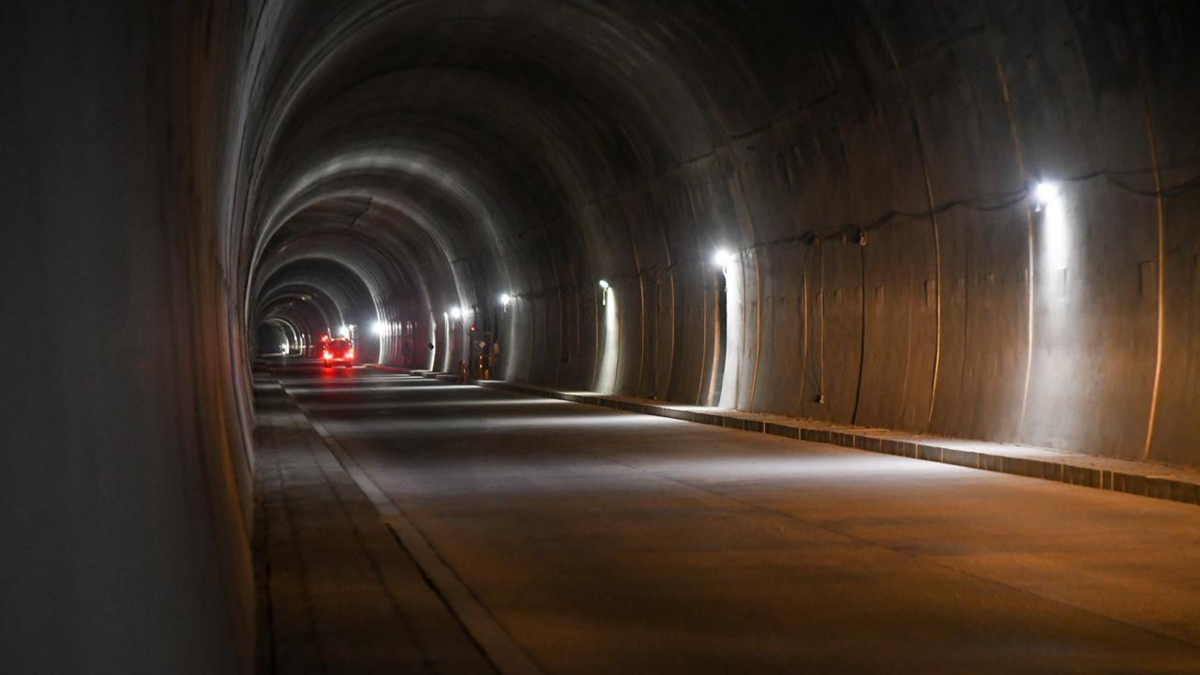
The inaugural stretch, which bridges the gap between the popular La Boquilla district and the entrance to the Crespo Tunnel, serves as the cornerstone of a broader vision. By 2027, the local administration plans to complete a full six-kilometer corridor, effectively reclaiming the shoreline for both residents and the millions of visitors who flock to the city annually.
This transformation is backed by a significant financial commitment: BBVA Colombia has provided 197,000 million pesos in financing, positioning itself as the primary catalyst for a project that promises to act as an economic engine for the region.

The Strategic Scope of the Project
The Gran Malecón del Mar is not merely a beautification project; it is a multifaceted intervention aimed at solving long-standing urban and environmental challenges. Cartagena has historically struggled with the erosion of its coastline and the lack of accessible public spaces that cater to the local population.
The project encompasses three main pillars:

- Coastal Protection: The construction of sophisticated defenses against the encroaching sea, vital for a city facing the realities of rising sea levels and climate volatility.
- Public Infrastructure: The creation of pedestrian walkways, cycling paths, and designated areas for physical activity, designed to improve the quality of life for Cartagena’s residents.
- Economic Revitalization: By establishing a high-traffic corridor, the city aims to stimulate the local economy, particularly for businesses in the hospitality, gastronomy, and tourism service sectors.
The first two-kilometer section, now operational, provides a modern, safe environment for walking, jogging, and community gatherings. Local authorities have emphasized that this is a "living project," intended to integrate seamlessly into the daily routines of citizens while enhancing the international appeal of the city’s coastline.
A Chronology of Progress
The journey to this opening has been one of rigorous planning and inter-institutional coordination.
- Initial Planning (2024-2025): The Alcaldía de Cartagena (Mayor’s Office) identified the need for a comprehensive coastal strategy that could combine sustainability with urban growth. Negotiations with financial partners, including BBVA, solidified the project’s viability.
- Funding and Approval: Following the securing of the 197,000 million pesos in financing, the project moved into the procurement and engineering phases, ensuring that environmental regulations were strictly met to protect the local marine ecosystem.
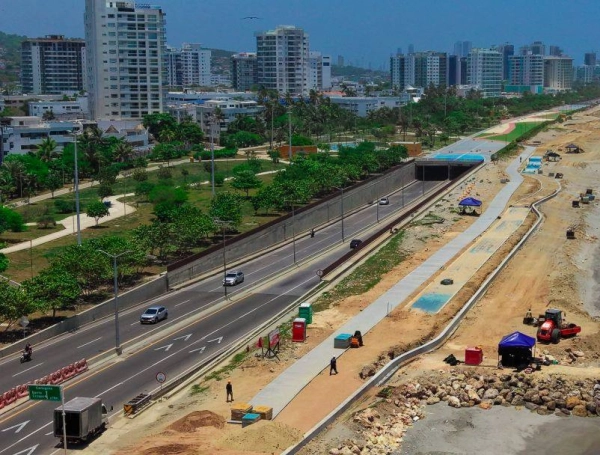
- Construction Phase (2025-2026): Work began on the northern sector, focusing on the link between La Boquilla and the Crespo Tunnel. This area was chosen as a priority due to the high density of tourism and the immediate need for coastal stabilization.
- October 2026 Milestone: The formal opening of the first two kilometers marks the transition from heavy construction to public use.
- The 2027 Horizon: The city has set an ambitious target to complete the remaining four kilometers of the six-kilometer corridor by the end of 2027, which will complete the circuit and link critical urban hubs along the coast.
Financial Foundations and BBVA’s Role
The scale of the Gran Malecón requires robust capital, and the involvement of BBVA Colombia has been fundamental to its success. Beyond the specific investment in the Malecón, this project is part of a broader commitment by the bank to support the sustainable development of Bolívar.
According to bank officials, the institution has funneled over 200,000 million pesos into various initiatives within Cartagena that align with the current District Development Plan. This includes not only urban infrastructure but also critical public utilities. In the wider department of Bolívar, BBVA has invested more than 98,000 million pesos in sustainable infrastructure, including water and sanitation systems (aqueducts) and the renovation of sports complexes across several municipalities.

Gloria Couceiro, President of BBVA Colombia, highlighted the broader philosophy behind this investment: "The Gran Malecón del Mar represents much more than a piece of infrastructure; it is an opportunity to reclaim spaces for families, strengthen tourism, and energize the local economy. In BBVA, we believe that financing development means contributing to the growth of cities, the creation of opportunities, and the enhancement of the quality of life for their inhabitants."
Socio-Economic Implications: Beyond the Concrete
The economic impact of the project is expected to be profound. By creating a modern, clean, and safe public space, the city is effectively increasing the "commercial surface" for small and medium-sized enterprises (SMEs). Restaurants, souvenir shops, tour operators, and bicycle rental services are already beginning to populate the surroundings of the new corridor.

Strengthening Tourism
Cartagena’s tourism sector is the backbone of its economy. However, over-reliance on the historic center (the Walled City) has often created congestion and limited the distribution of wealth. The Gran Malecón is expected to decentralize tourist traffic, drawing visitors toward the northern sectors of the city and providing them with a modern alternative to the colonial-era streets.
Social Equity and Quality of Life
One of the most praised aspects of the project is its focus on public, accessible space. In a city where coastal access has sometimes been restricted by private development, the Malecón serves as a democratic space. It provides low-income families with a high-quality recreational area, directly contributing to social cohesion and public health through active, outdoor living.

Challenges and Future Outlook
While the opening of the first two kilometers is a significant victory for the administration, the project is not without its challenges. Maintaining a six-kilometer stretch of coastline requires constant environmental vigilance. The ongoing "El Niño" phenomenon, which has impacted energy and water resources across Colombia, serves as a reminder that large-scale infrastructure projects must be resilient to changing climatic conditions.
The city is also preparing for the next phases, which involve more complex engineering challenges as the project moves into densely populated areas. Coordination between the private sector, local government, and the community will remain essential to ensure that the project is delivered on time and within budget.

As the city looks toward 2027, the Gran Malecón del Mar stands as a symbol of resilience. It is an acknowledgment that a city like Cartagena—a global destination—must continuously innovate to preserve its heritage while providing for the needs of its future generations.
The successful delivery of this initial phase provides a blueprint for future public-private partnerships in Colombia. By leveraging private financial expertise to achieve public policy goals, Cartagena is setting a precedent for how coastal cities can thrive in the 21st century.

As residents begin to enjoy the sunset from the new walkways and local businesses prepare for an influx of new customers, one thing is clear: the sea in Cartagena is no longer just a backdrop—it is once again the heart of the city’s social and economic life.