By Edwin Caicedo, Environmental and Health Correspondent
As the hydrologic stress begins to tighten its grip across Colombia, a critical question emerges from the parched riverbeds and dwindling reservoirs: Can the nation’s groundwater reserves serve as a reliable lifeline, or are we simply shifting the crisis from the surface to the depths?
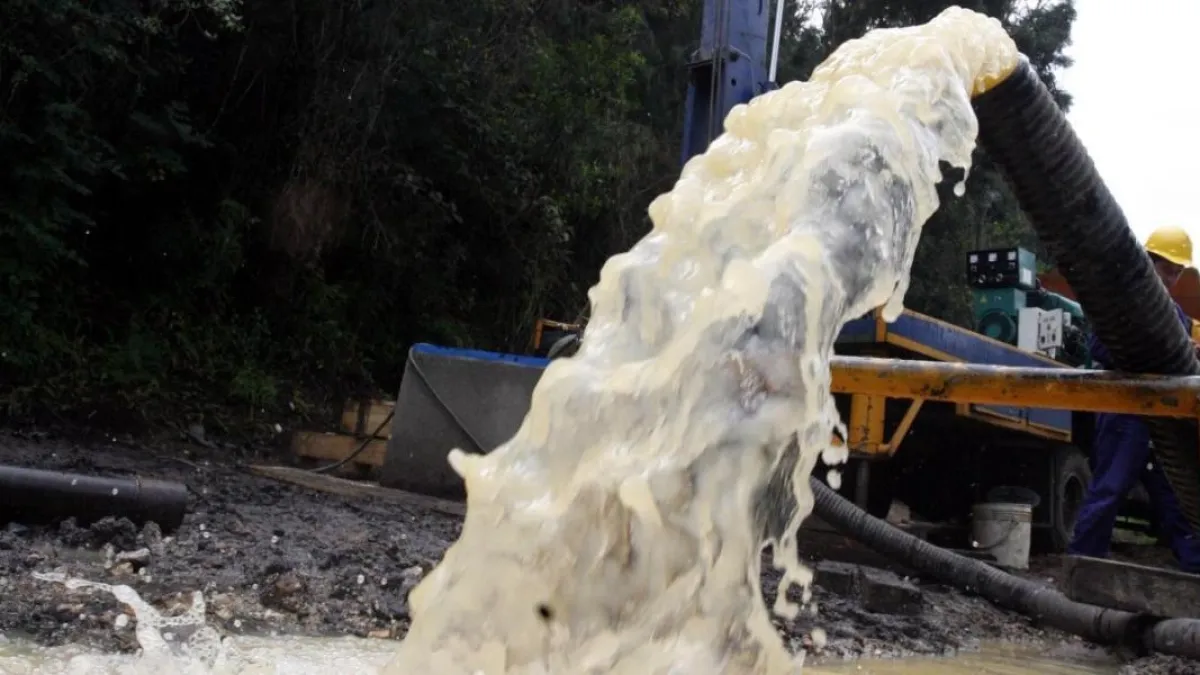
With the increasing frequency of extreme weather events, driven by the El Niño phenomenon and the broader, more persistent shadow of climate change, the availability of water has transitioned from a structural challenge to a daily struggle. From the rationing measures in major metropolitan hubs like Cali, Medellín, and Santa Marta, to the rural municipalities of Santander and Bolívar that now rely on water tankers for basic survival, the vulnerability of Colombia’s water security has never been more evident.
The Current Landscape: A Nation Under Pressure
The reality of water scarcity is no longer a future threat; it is a current emergency. In Cali, the municipal utility company (Emcali) initiated a supply rotation system on September 22, 2026, targeting the hilly communes of 18 and 20. The data is alarming: by late September, the Cali River’s flow dropped to 1.52 cubic meters per second, dangerously close to the 1.25 minimum operating limit. Even more severe is the state of the Meléndez River, which recorded a flow of just 0.18 cubic meters per second—far below the 0.90 required for stable operations.

The pattern is reflected nationwide. Medellín has reactivated nighttime supply cuts, and in Santa Marta, the diversion line from the Manzanares River was temporarily closed due to critically low levels. In the departments of Santander and Bolívar, local authorities report that dozens of municipalities are struggling to provide the most basic sanitation and drinking water to their populations.
In response, the National Unit for Disaster Risk Management (UNGRD) has convened a "Climate Variability Table." This body is tasked with consolidating the Immediate Response Plan for El Niño 2026-2027, a roadmap designed to integrate resources and response capabilities over the next six months. Yet, as surface water sources fail, eyes are increasingly turning toward the vast, hidden reservoirs beneath our feet.
Groundwater: The Great Unknown
Colombia possesses a significant, yet poorly understood, wealth of groundwater. According to the 2022 National Water Study (ENA), the country has identified 67 aquifer systems and maintains an inventory of over 68,397 groundwater points. This represents a 6.5% increase in known points since 2018 and a 35.5% jump since 2014.
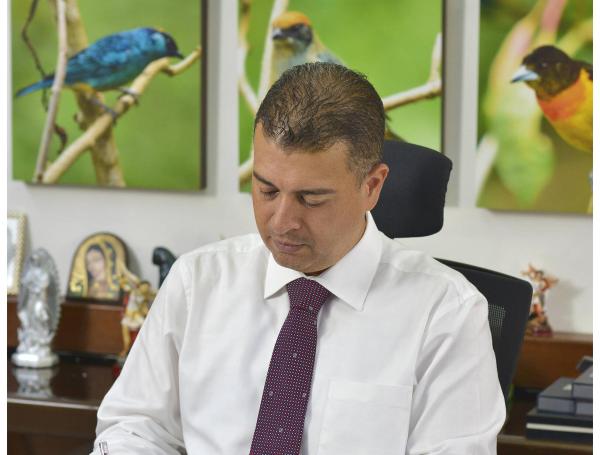
However, these numbers mask a fundamental lack of scientific depth. Laura Carrero, a geologist and consultant in territorial and risk management, warns that while the potential is real, the country lacks sufficient data to quantify both the total volume of water stored and the sustainable extraction rate.
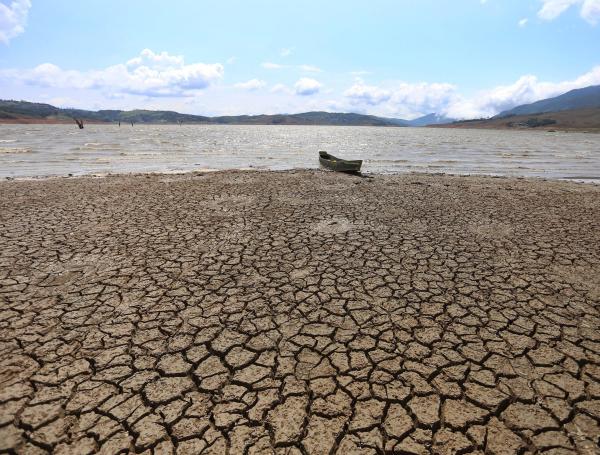
"While 78% of the territory could potentially utilize aquifers," Carrero explains, "we have detailed knowledge of only 15% of these systems. We cannot simply treat the subsoil as a bottomless well to compensate for the failures of our surface infrastructure."
The Chronology of a Silent Depletion
The reliance on groundwater is not a new phenomenon, but its intensification is a recent development born of necessity:

- 2014–2018: Initial efforts to inventory groundwater points reveal a significant reliance on shallow wells and springs, particularly in rural agriculture and small-scale community supply.
- 2022: The publication of the National Water Study (ENA) highlights the growing dependence on groundwater but sounds the alarm on the lack of technical monitoring.
- Early 2026: Severe drought conditions begin to manifest, pushing regions like the Valle del Cauca and Cundinamarca to re-evaluate their reliance on subterranean sources.
- September 2026: The current crisis reaches a boiling point, prompting local environmental authorities (CARs) to tighten controls on concessions while simultaneously exploring groundwater as a strategic backup.
Supporting Data: The Case of the Valle del Cauca
The Valle del Cauca provides a sobering case study in industrial and agricultural dependence on groundwater. According to Marco Antonio Suárez Gutiérrez, director of the Autonomous Regional Corporation of the Valle del Cauca (CVC), the department had 1,828 operational wells as of mid-2026.
The breakdown of this extraction reveals the competing interests for this finite resource:
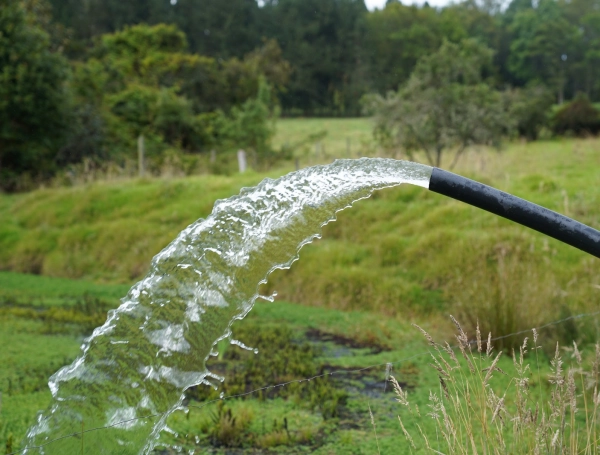
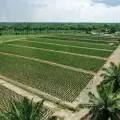
- Agricultural use: 61.5% of wells, accounting for 85.6% of the total annual volume extracted (approx. 369 million cubic meters).
- Industrial use: 21.7% of wells.
- Human consumption: 15.8% of wells.
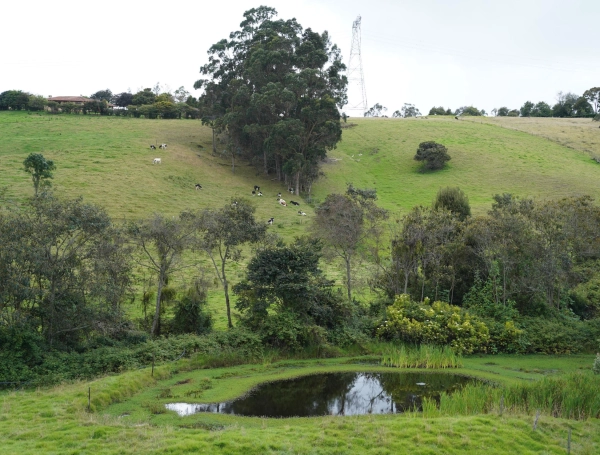
The CVC manages the "Valle Aquifer" with a strict guideline: extraction should not exceed 50% of the annual recharge rate. Currently, extraction sits at 35%, a margin of safety that authorities are fighting to maintain as the demand for agricultural irrigation skyrockets during the drought.
Official Responses and the Governance Challenge
The response from environmental authorities is marked by a mix of cautious optimism and strict regulation. In Cundinamarca, the regional authority (CAR) is working with the departmental government to double the number of piezometers—devices used to measure water levels—from 15 to 30.
"Groundwater is not an infinite resource," the CAR stated in an interview with EL TIEMPO. "It is not a substitute for our surface systems, but rather a component of a larger, integrated security strategy."
The legal framework is robust on paper. Decree 1076 of 2015 requires a complex permitting process for any prospecting or exploration of groundwater. However, experts like Carrero argue that the gap between regulation and enforcement is where the real risk lies. Having a permit to explore does not guarantee a concession to extract, but without a deep, localized hydrogeological understanding of flow directions, recharge zones, and discharge points, the "managed" extraction could easily slide into over-exploitation.
The Implications: Why "More Wells" is a Dangerous Solution
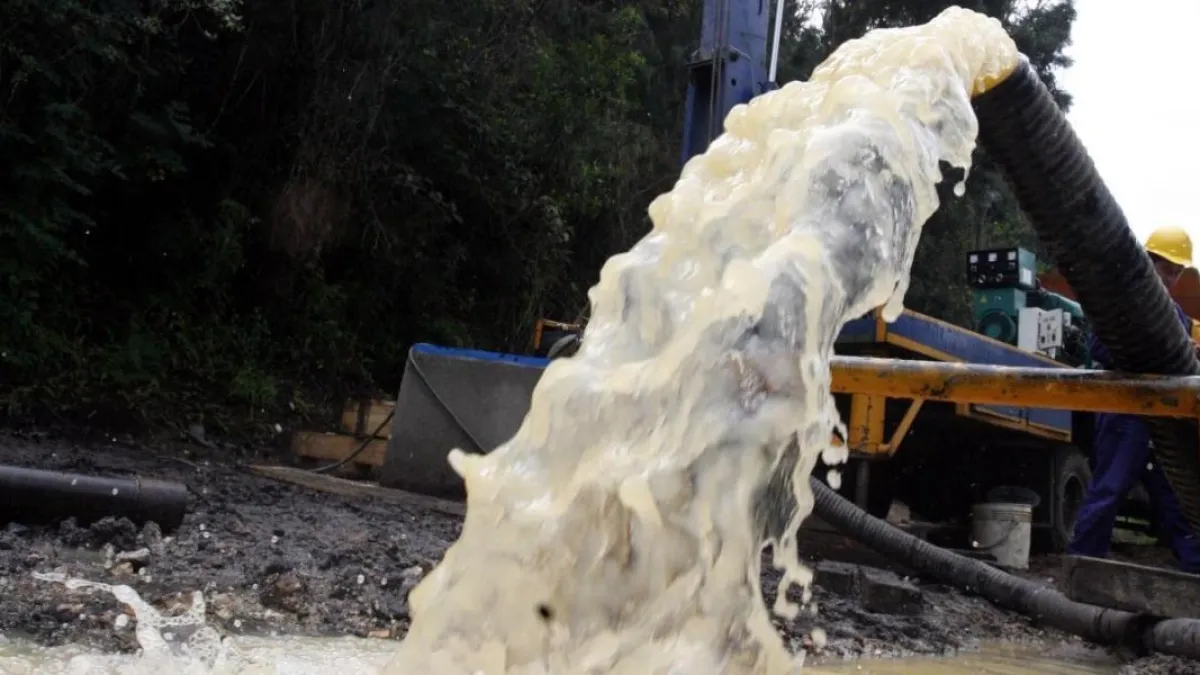
The temptation to solve the current drought by simply drilling more wells is high, but the geological consequences are severe:
- Interference and Subsidence: Excessive pumping can cause localized water tables to drop, leading to the drying of neighboring shallow wells and, in some soil types, the collapse of the land surface (subsidence).
- Disruption of Surface Systems: Aquifers and rivers are not independent. In many areas, groundwater maintains the "base flow" of rivers during dry seasons. If we drain the aquifer, we inadvertently drain the river, creating a feedback loop of ecological destruction.
- Contamination Persistence: Unlike surface water, which is constantly moving and "flushing," pollutants that enter an aquifer can persist for decades or centuries, rendering the water source permanently unusable for human consumption.
- Economic Costs: As water levels drop, the energy required to pump water to the surface increases, raising the cost of production for farmers and the price of water for urban consumers.
Conclusion: Toward True Water Security
The path forward, according to experts, is not found in the ground or in the sky, but in the intelligent management of the entire water cycle.
"True water security is not about having a backup source," says Carrero. "It is about having a diversified, efficient, and monitored system that is capable of responding to different climate scenarios."
For Colombia, this means four urgent priorities:
- Mapping: Increasing the percentage of known aquifers beyond the current 15%.
- Monitoring: Moving from sporadic checks to real-time, automated monitoring of water levels and quality.
- Efficiency: Before tapping into the subsoil, the country must address the massive water losses in urban aqueduct networks, where leaks and aging infrastructure waste millions of liters of treated water daily.
- Land Use Planning: Protecting the critical recharge zones from urban encroachment and industrial pollution is as vital as the water itself.
As the 2026-2027 El Niño cycle continues to unfold, the nation is at a crossroads. We can continue to treat groundwater as a convenient emergency fund, or we can treat it as a finite, precious heritage that requires the same level of care, science, and respect as our iconic rivers and páramos. The survival of our cities and our agriculture depends not on finding more water, but on learning to manage what we have with the wisdom the climate crisis now demands.