By Juan Sebastián Lombo Delgado (Adapted for International Syndication) Published: October 4, 2026
Main Facts
Barely three months have passed since the conclusion of Colombia’s intensely contested presidential runoff, yet the country’s political machinery has already shifted into high gear for the 2027 regional and local elections. Rather than offering a period of post-electoral consolidation, the current political climate is defined by severe internal reorganizations, ideological fracturing, and public fallout across both ends of the political spectrum.
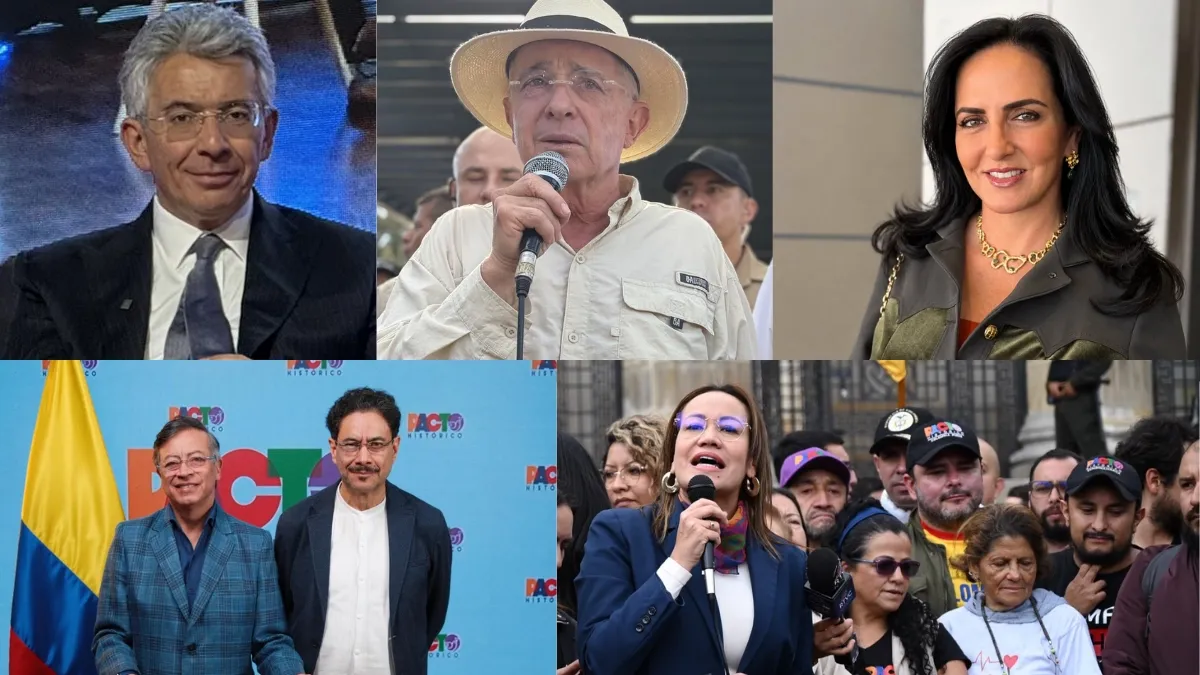
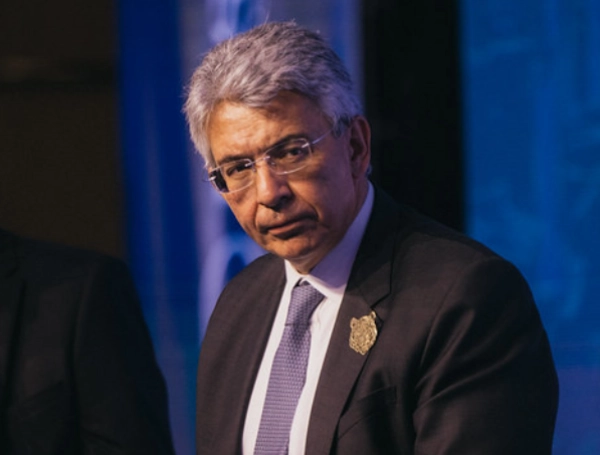
On the right, the fragile coalition that propelled President Abelardo De La Espriella into office is showing deep structural cracks. Public friction between Enrique Gómez—senator, director of Salvación Nacional, and one of the administration’s primary ideological backers—and the Centro Democrático has culminated in a definitive rupture. The two parties, long viewed as natural allies in opposition to the left, have officially ruled out future electoral alignments following weeks of escalating insults, ideological disputes, and tactical disagreements in Congress.
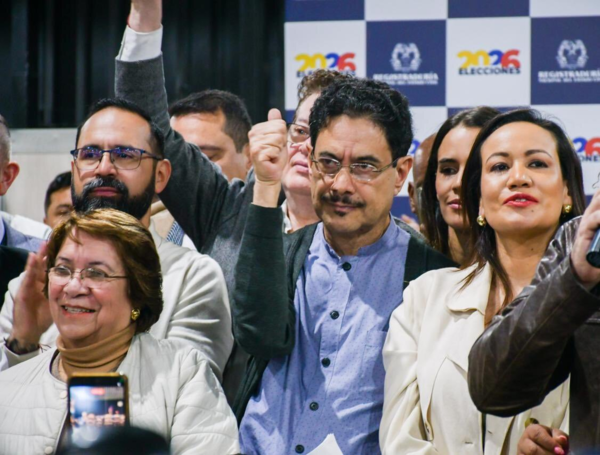
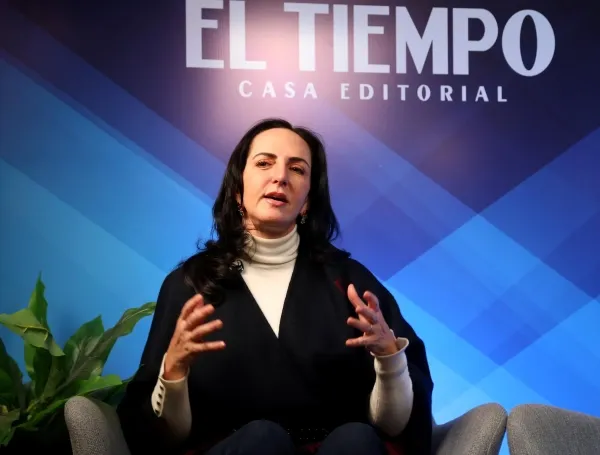
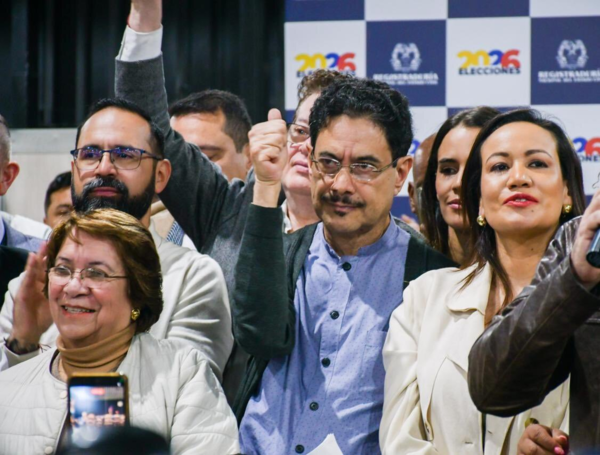
Simultaneously, the political left is grappling with its own identity crisis. Following the presidential defeat of Iván Cepeda—who secured a historic 40.9% of the vote in the first round before losing the runoff—the Pacto Histórico is undergoing a tumultuous internal restructuring. The coalition, recently fused from four distinct political entities into a single unified party, is locked in a fierce leadership struggle. Figures such as Senator Carolina Corcho and former Environment Minister Susana Muhamad are pushing for a generational and structural renewal of the left, openly challenging the continued dominance of former President Gustavo Petro and older party lines.
These internal battle lines reveal a political ecosystem where superficial legislative harmony—such as the recent passing of key government budgets—masks volatile turf wars that will dictate the balance of power in Colombia’s departments and municipalities through 2027.
Chronology of Events: The Anatomy of a Political Breakup
To understand how Colombia’s right-wing and left-wing coalitions arrived at this juncture of profound fragmentation, it is necessary to retrace the timeline of key events that accelerated these fractures over the past ten months.
January 2026: Initial policy and tactical friction emerge between the emerging factions of the right, specifically regarding the long-term vision of state intervention and fiscal policy.
First Quarter 2026: The friction intensifies into a direct battle during the presidential primaries. Paloma Valencia (Centro Democrático) and Abelardo De La Espriella compete fiercely to become the unified candidate of the right. De La Espriella secures the nomination, backed enthusiastically from day one by Salvación Nacional.
Mid-2026 (The Presidential Runoff & Transition): Despite closing ranks to secure De La Espriella’s historic presidential victory, tensions fail to subside. Disputes surface immediately over key legislative appointments, most notably during the battle for the presidency of the Senate, where the Centro Democrático maneuvers independently to outmaneuver the executive branch’s preferred candidates.
Early September 2026: Enrique Gómez unleashes a political firestorm during an interview with journalist Eva Rey. He publicly targets former President Álvaro Uribe, labeling him a "social democrat" and citing irreconcilable ideological differences regarding the size of the state, excessive taxation, and national strategy.
Mid-September 2026: The Centro Democrático strikes back with a scathing statement via social media, condemning Gómez for being "a sheep in Congress" and an instigator of petty sectarian divisions. The war of words escalates daily, dragging other prominent right-wing figures—including former Senator María Fernanda Cabal, who officially departs the party to launch an independent rightist platform—into the fray.
Late September 2026: The Centro Democrático formally closes the door on any electoral alliances with Enrique Gómez or Salvación Nacional for the upcoming 2027 regional elections, citing persistent disquisitions and a toxic discourse that risks splitting the conservative vote.
October 2026 (Present Day): The fractures widen across the political spectrum. While the right contends with public divorces, the left descends into a multi-sided succession war between traditional petristas, Iván Cepeda loyalists, and the insurgent reformist wing led by Carolina Corcho and Susana Muhamad.
Supporting Data and Political Analysis
Political analysts point to structural shifts as the root cause of the current instability. According to analyst Gabriel Cifuentes, the nation is witnessing a definitive stage of "political accommodation" driven by distinct systemic pressures. "New actors are fighting for visibility within their respective sectors, while established forces are desperately trying to resist the incoming wave," Cifuentes explains.
The numerical realities of the current Congress further complicate these dynamics. Despite commanding the presidency through Abelardo De La Espriella, the governing coalition relies on delicate legislative mathematics. Salvación Nacional, for instance, holds a modest five seats in Congress, yet its leadership wields an outsized media footprint that frequently disrupts broader conservative unity.
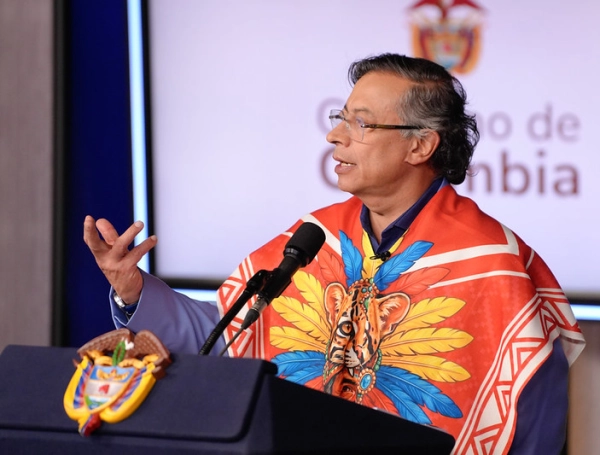
On the left, the data underscores a similar paradox. While Gustavo Petro remains a potent electoral anchor—having successfully transferred a substantial portion of his political capital to Iván Cepeda to achieve 40.9% of the vote—analysts note that Petro’s polarizing rhetoric also served as the catalyst that consolidated the anti-left mobilization behind De La Espriella.
Gonzalo Araujo, an analyst with the firm Sonar, summarizes the internal leftist power struggle:
"The power struggles on the left are aimed at consolidating leadership and securing Petro’s ultimate endorsement for regional projects. The clash between Corcho and Cepeda will persist until one faction secures undisputed control over the leftist majority. This dispute is fundamentally tied to the immediate territorial elections rather than a long-term ideological vision."
Furthermore, Nadia Pérez, another prominent political analyst, highlights the leadership vacuum: "There is an ongoing realignment within the left to determine who its natural leader will be moving forward. We now see a visible fragmentation branching between Petro, Iván Cepeda, and the rising faction led by Carolina Corcho."
Official Responses and Public Declarations
The war of words between coalition partners and internal factions has played out largely across media interviews and public social media platforms, illuminating the depth of the personal and ideological divides.
The Right-Wing Schism
The friction between Enrique Gómez and the Centro Democrático reached a boiling point following Gómez’s candid assessment of former President Álvaro Uribe:
"Uribe is a social democrat who has won the conservative vote through his actions and commitment to the country," Gómez stated during his interview with Eva Rey. "However, I believe there are profound differences regarding the role of the state, the runaway growth of state apparatuses, taxation, and our overall national vision. These differences are ideological and serious; they are not personal in any way."
The response from the Centro Democrático, led by Álvaro Uribe, was swift and unsparing:
"What an obsession Senator Enrique Gómez has with labeling others. Fierce on social media, but a sheep in Congress," the party fired back in a public statement. "Since he loves handing out adjectives, he should first review the core pillars of the Centro Democrático: security, a lean state, a fraternal economy, and social cohesion."
Following weeks of mutual recriminations, the party officially severed ties:
"The Centro Democrático is tired of constant disqualifications and a dismissive attitude. There is no interest whatsoever in building coalitions with those who, from a sectarian standpoint, insist on dividing Colombians into the good and the bad."
The Left-Wing Rebellions
On the left, dissent has centered around procedural transparency and the push for democratization within the newly minted Pacto Histórico party. Former Environment Minister Susana Muhamad publicly lambasted the party’s provisional leadership structure:
"We must generate equal guarantees for all citizens; otherwise, a select few, equipped with inside information, will dominate a process that ought to be broadly inclusive," Muhamad declared, critiquing the transition of legacy figures into permanent party directorates following the merger of four leftist movements.
Implications for the 2027 Regional Elections and Beyond
The domestic turmoil consuming Colombia’s political parties carries profound implications for the governance of the country’s departments and municipalities in the October 2027 elections.
1. The Risk of Vote Splitting on the Right
The breakdown of the alliance between the Centro Democrático and Salvación Nacional—coupled with the departure of figures like María Fernanda Cabal to form a splinter movement—creates a clear and present danger for conservative forces. Strategists within the right privately warn of a repeat of the Medellín debacle from eight years ago, when a fractured conservative and center-right electorate allowed independent and opposing factions to capture key executive offices. Without a unified front, the right risks handing major metropolitan centers to a resurgent left or independent spoilers.
2. Identity Crisis and Renewal on the Left
For the Pacto Histórico, the ongoing tug-of-war between traditional petristas and reformists like Carolina Corcho and Susana Muhamad will determine whether the coalition can evolve into a durable institutional party or remain tethered to the personalistic appeal of Gustavo Petro. The failure of the left to cleanly transition leadership away from polarizing rhetoric threatens to alienate the moderate electorate needed to secure victories outside traditional leftist strongholds.
3. Legislative Governance and Executive Stability
While executive-legislative relations have managed to pass essential measures—such as the national budget—through pragmatic horse-trading, the deep animosities running through the ruling coalitions signal turbulent waters ahead. As parties prioritize positioning themselves for 2027 over maintaining disciplined legislative blocs, President De La Espriella may find his reform agenda increasingly held hostage by allied factions seeking to carve out distinct regional identities.
Ultimately, Colombia’s political class has entered a high-stakes chess match where internal survival supersedes coalition loyalty, setting the stage for one of the most volatile and unpredictable electoral cycles in recent history.
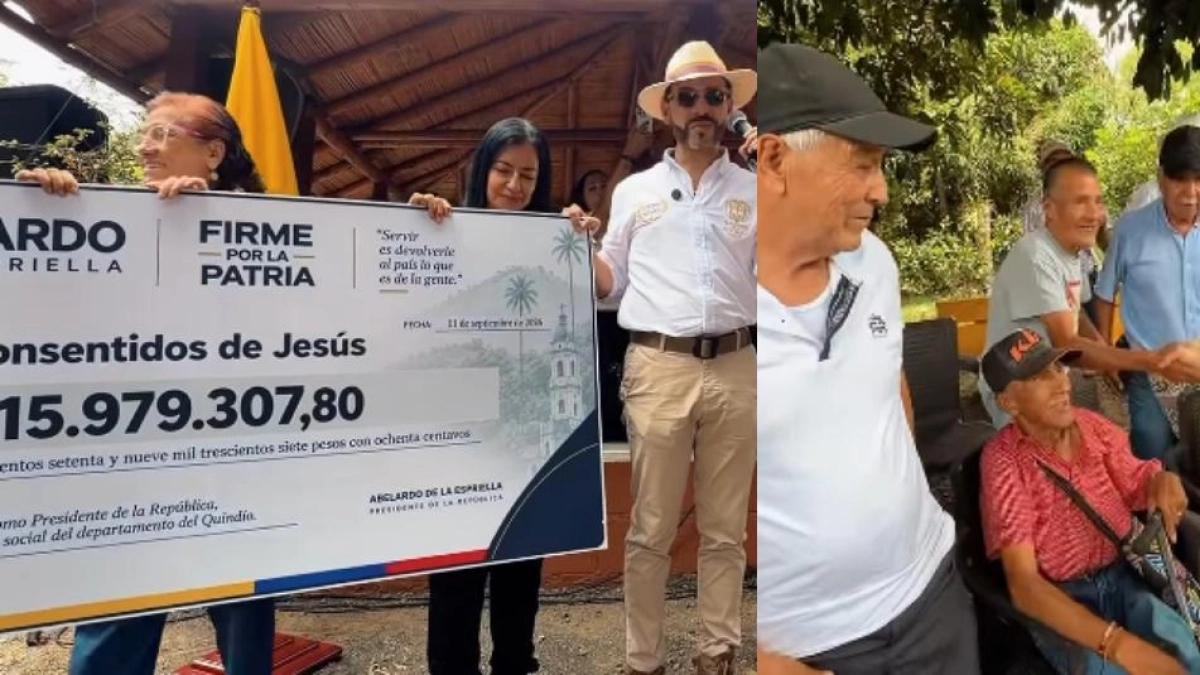
Main Facts In a gesture that blends symbolic weight with immediate philanthropic impact, Colombian President Abelardo De La Espriella has officially fulfilled a central promise from his electoral campaign. During a high-profile working visit to…
Bogotá, Colombia — In a move that signals a significant departure from traditional military appointments, the administration of President Abelardo De La Espriella has officially published the nomination of Lucas Eduardo Ariza as the new…
POLITICS — In a high-stakes confrontation before the Senate, the current security strategy of the administration led by President Abelardo De La Espriella faced its most rigorous legislative test to date. General (r) Jorge Eduardo…