By Edwin Caicedo, Environment and Health Correspondent
September 26, 2026
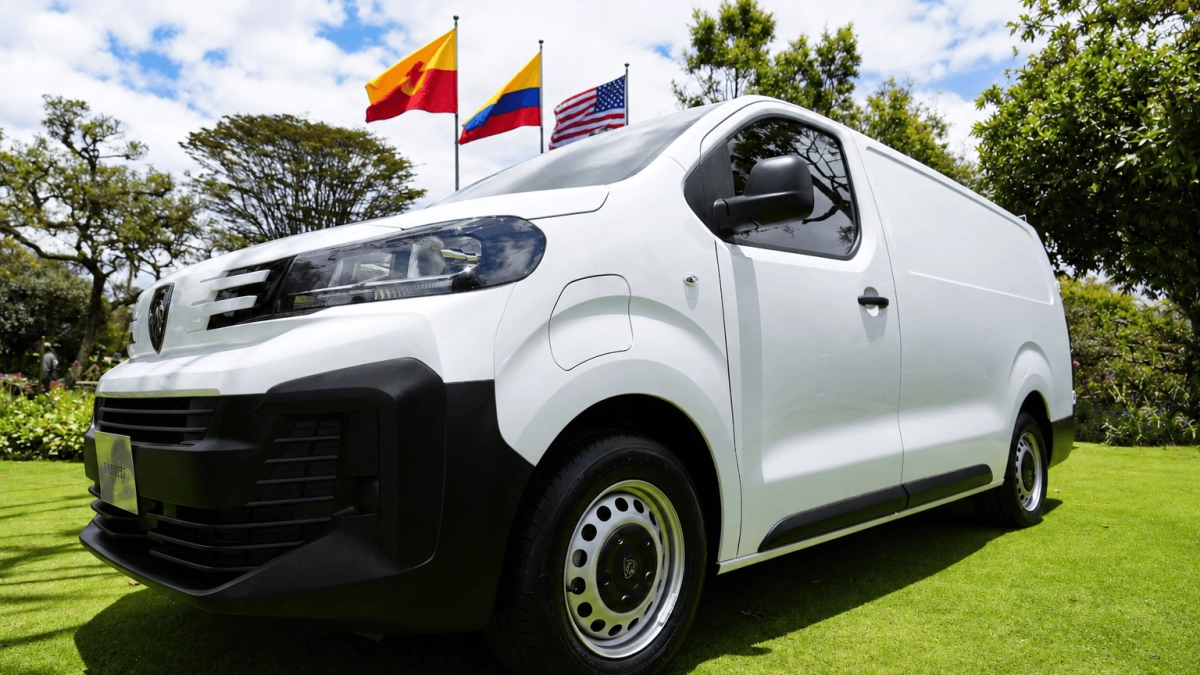
The landscape of Colombian logistics is undergoing a profound metamorphosis. As the nation accelerates its transition toward sustainable mobility, the focus has shifted from private passenger vehicles to the backbone of the economy: the commercial utility fleet. Peugeot, a brand synonymous with durability in the work-vehicle segment, has officially entered the next phase of its Colombian strategy by introducing the 100% electric e-Partner and e-Expert vans.
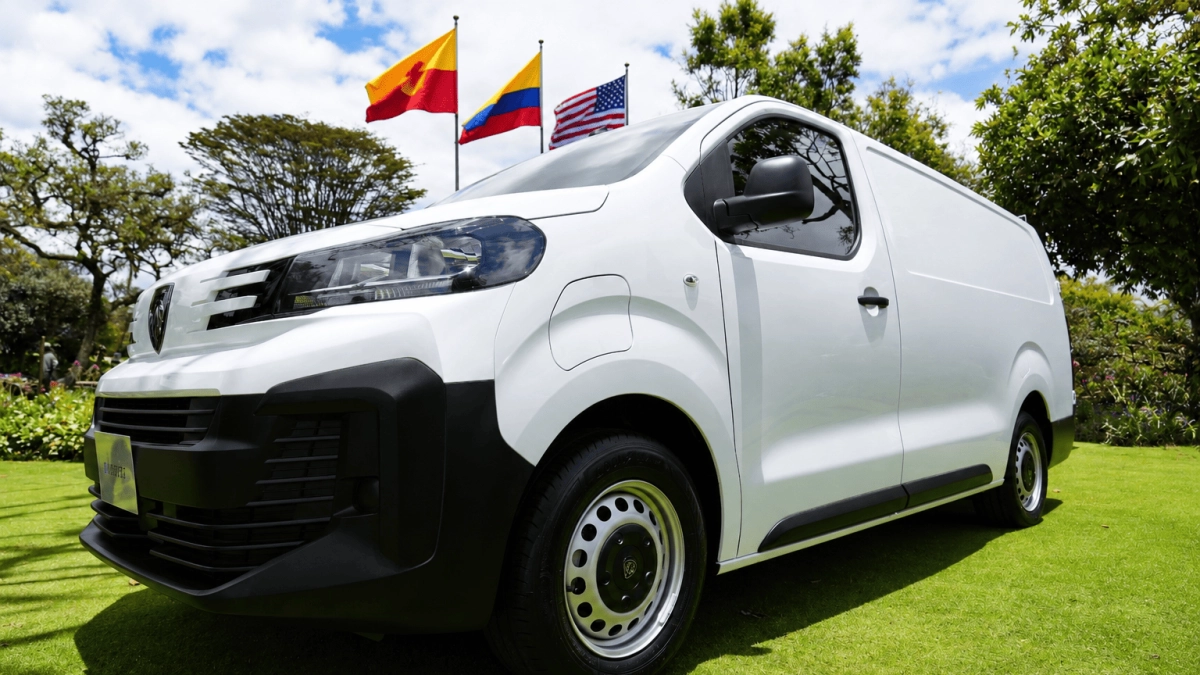
This launch is not merely an expansion of the portfolio; it is a calculated effort to integrate electrification into the daily operations of enterprises, logistics operators, and independent entrepreneurs who have long relied on the brand’s diesel-powered reliability.
Main Facts: The New Standard in Electric Utility
The introduction of the e-Partner and e-Expert marks a milestone for Peugeot in the Andean market. According to Rodrigo Pineda, Commercial Manager of Peugeot, the strategy is rooted in consistency. "We are launching the same vehicles that we already had in diesel versions, now in an electric configuration," Pineda stated. By maintaining the chassis, cargo capacity, and functional design that customers already trust, Peugeot aims to lower the barrier to entry for companies considering a shift away from fossil fuels.

The technical specifications are tailored for urban environments. The e-Partner boasts an estimated range of up to 330 kilometers, while the larger e-Expert extends that reach to 348 kilometers. These figures are specifically calibrated for the "last mile" delivery sector—a segment currently grappling with stringent urban traffic restrictions and environmental regulations.
A Chronology of Growth: The Market Context
The timing of this launch coincides with a significant resurgence in the Colombian automotive market. Between January and August 2026, the country saw 213,377 new vehicle registrations, a staggering 42.1% increase compared to the same period in 2025.

Within this broader growth, specialized segments are outperforming the market:
- August 2026 Trends: The van segment grew by 30.2% compared to August 2025.
- Electric Surge: The market for electric vehicles (EVs) saw an exponential rise of 176%, with 4,542 units registered in that month alone.
Peugeot’s own performance provides the foundation for this electric pivot. In 2025, the brand sold 3,479 commercial utility vehicles, representing a 14% growth in its portfolio. The Partner model, in particular, has become a cornerstone of the brand’s success, currently accounting for 16% of Peugeot’s total sales in Colombia, second only to the 2008 hybrid SUV. This deep market penetration provides the company with a unique advantage: a loyal customer base that is already familiar with the brand’s ergonomics and service quality.

Supporting Data: Why the "Last Mile" is the Battleground
The "last mile" refers to the final step of the delivery process—from a distribution hub to the customer’s doorstep. This stage is notoriously the most expensive and emission-heavy part of the logistics chain.
"Today, the conversation is all about the last mile," explains Pineda. "And why the last mile? Because there are so many restrictions on entering city centers."
By deploying electric vans, companies can circumvent "pico y placa" (license plate-based traffic restrictions) and low-emission zone bans. This capability is attracting significant attention from logistics giants. Peugeot is currently navigating a competitive tender process with Mercado Libre and is in advanced discussions with other major regional players to integrate these electric units into their delivery fleets.
The versatility of the new models is a key selling point. Beyond standard parcel delivery, these vans are being pitched for specialized services:
- Pet Transport: Vehicles adapted for veterinary services or pet grooming.
- Hardware and Construction: The ability to transport long materials like pipes, scaffolding, and tubing.
- Furniture and Retail: The e-Expert, with its increased volume, is being tested for mattress and appliance delivery.
Official Responses: Design Meets Utility
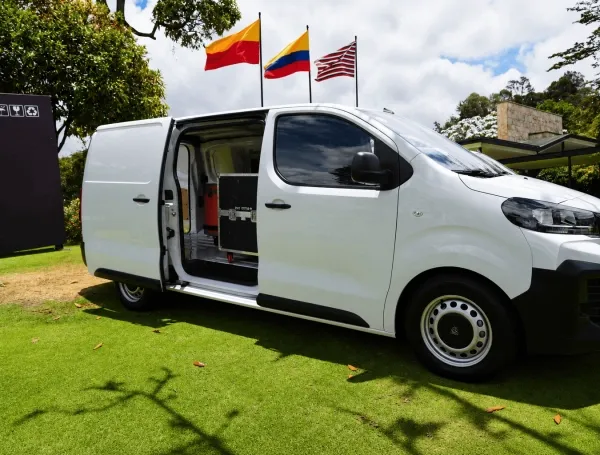
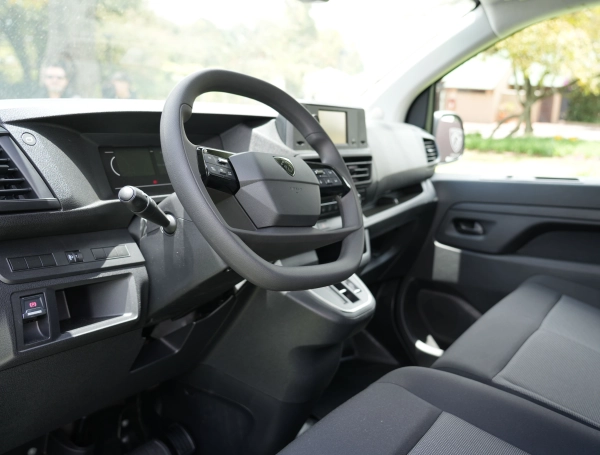
Peugeot has made it clear that "going electric" does not mean compromising on the "work" aspect of a work vehicle. One of the most significant design features highlighted by the company is the interior configuration. Certain models allow for three front seats, with the capability to fold them down to create a continuous channel for long objects—a necessity for tradespeople carrying ladders or piping.
Furthermore, the brand is prioritizing the "human" element of the vehicle. "Peugeot has taken on the task of providing significant interior comfort," says Pineda. The philosophy is that if a driver spends their entire 8-to-10-hour shift in the vehicle, the ergonomics must match those of a premium passenger car, effectively reducing fatigue and increasing operational safety.
The After-Sales Equation: Keeping Business Moving
For a business owner, a vehicle is an asset that generates revenue. If it sits idle, money is lost. Recognizing this, Peugeot has integrated its "Peugeot Cumple" (Peugeot Delivers) program into the electric transition.
The brand offers a warranty of three years or 100,000 kilometers. More importantly, the after-sales policy addresses the fear of downtime. If a specialized part is unavailable and a vehicle must remain stationary for an extended period, Peugeot commits to providing a substitute vehicle to ensure the client’s operations do not grind to a halt. Maintenance intervals are set at every 10,000 kilometers, a standard designed to keep the fleet predictable and manageable for corporate fleet managers.
Implications: A New Era for Colombian Logistics
The implications of this shift are far-reaching. By targeting long-term clients—those who started with a single Partner a decade ago and now manage multiple units—Peugeot is leveraging trust to drive a green transition.
"The customer who has a Partner stays with a Partner and doesn’t look elsewhere," Pineda notes. By retaining this loyalty, the company is not just selling a new technology; it is providing a familiar solution to a modern problem.
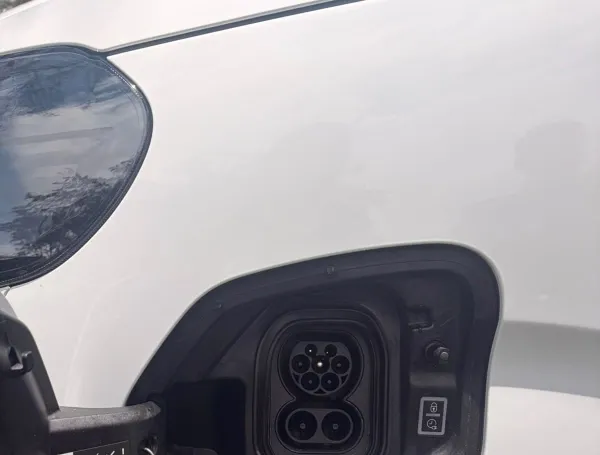
However, the transition is not without challenges. Infrastructure remains a key concern for many logistics operators. While the range of 330–348 kilometers is sufficient for daily urban routes, the widespread adoption of these vehicles will depend on the continued development of high-speed charging networks in commercial sectors and residential distribution hubs.
Conclusion: The Path Ahead
Peugeot’s entry into the electric commercial space with the e-Partner and e-Expert is a reflection of a global trend adapted to local realities. The company is betting that by focusing on the specific needs of the Colombian entrepreneur—reliability, cargo space, and specialized support—it can turn the challenge of decarbonization into a competitive advantage.
As cities like Bogotá, Medellín, and Cali continue to tighten regulations on internal combustion engines, the "last mile" will inevitably become electric. Peugeot, through its long-standing relationship with its clients and its strategic pivot to battery-powered utility, is positioning itself to lead that transformation. The success of this move will likely serve as a barometer for how quickly the broader Colombian commercial sector can abandon the diesel era and embrace the silent, cleaner, and increasingly efficient future of logistics.