By Economic Desk | September 26, 2026
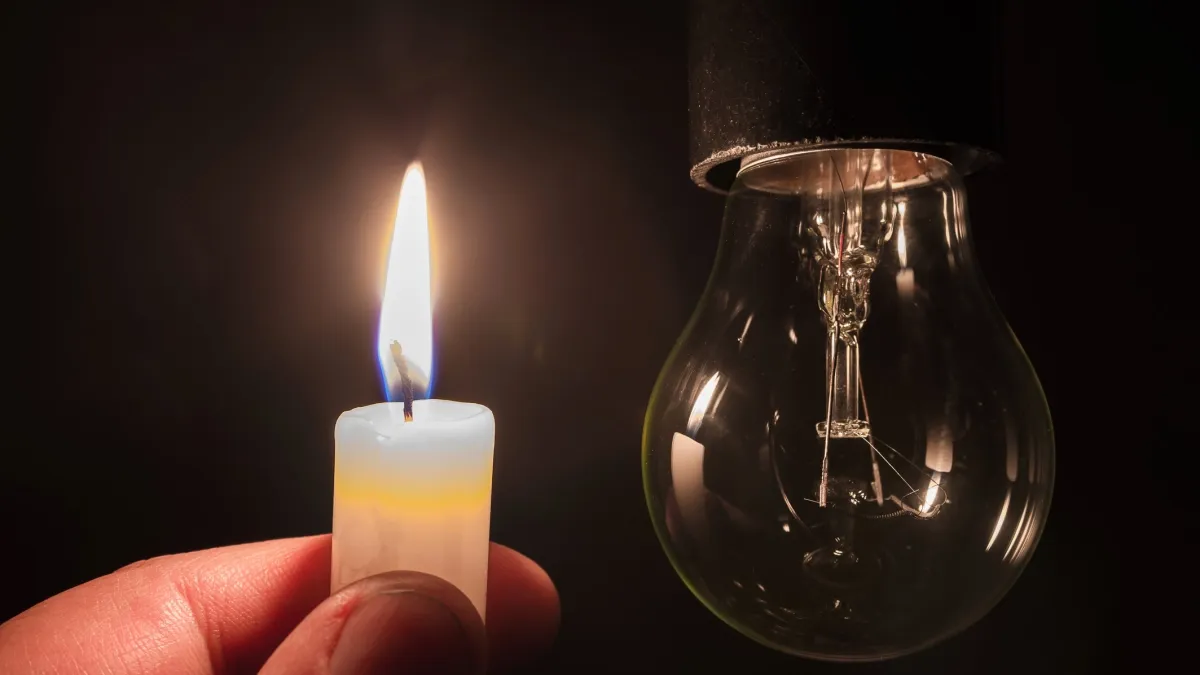
In a critical maneuver to stave off a looming energy crisis in the heart of Colombia, the Ministry of Mines and Energy has brokered a last-minute, high-stakes agreement with energy giants Enel Colombia and AES Colombia. This intervention effectively recalibrates the nation’s power grid management, preventing the simultaneous maintenance of two of the country’s most vital hydroelectric power plants: El Guavio and Chivor II. The agreement comes as a direct response to urgent technical warnings issued by XM—the operator of the National Interconnected System (SIN)—which had signaled that a concurrent shutdown would have triggered mandatory power rationing across Bogotá, Cundinamarca, Meta, and Guaviare.
The Anatomy of the Risk: Why the Grid Was at a Breaking Point
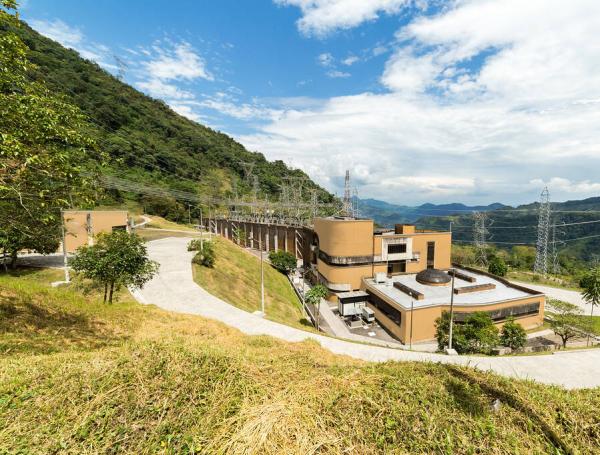
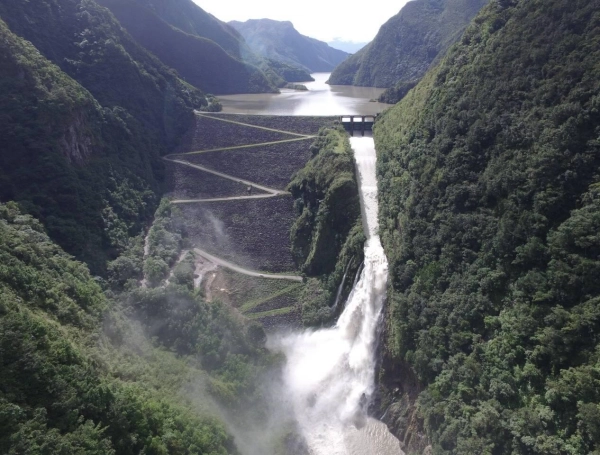
The energy sector in Colombia has been on high alert for weeks. The crux of the problem lay in the planned maintenance schedules for El Guavio and Chivor II, which were set to overlap between the second half of 2026 and early 2027.
Chivor II, a powerhouse capable of generating 500 megawatts, was scheduled for maintenance from September 28, 2026, to June 10, 2027. Simultaneously, Enel Colombia had slated major works for the realce (heightening) of the intake structure at the El Guavio reservoir. XM’s technical models indicated that if these two major assets were to go offline concurrently, the system would be unable to cover the minimum electricity demand during peak hours.

The resulting deficit would not have been a minor fluctuation; it would have necessitated forced blackouts. This outcome would have crippled not only the residential sector in the capital and surrounding departments but also industrial productivity, creating a domino effect on the nation’s already strained economy.
Chronology of the Intervention
- Mid-August 2026: XM issues the first of several technical warnings regarding the risk of insufficient power supply due to the overlapping maintenance schedules of El Guavio and Chivor II.
- Early September 2026: The Ministry of Mines and Energy initiates a series of emergency dialogues with the major generation companies to assess the viability of postponing works.
- September 24-25, 2026: Intense negotiations take place between the government and private stakeholders, focusing on the logistics of shifting maintenance timelines without compromising the structural integrity of the dams.
- September 26, 2026: The Ministry officially announces that Enel Colombia has voluntarily agreed to defer the El Guavio works for one year, effectively decoupling the maintenance cycles and stabilizing the outlook for the upcoming summer season.
Supporting Data: The Shadow of a Severe El Niño
The gravity of this decision is underscored by the current hydrological data. Colombia is currently facing a significantly more challenging environment than in previous years. According to XM, the country’s reservoirs are experiencing a deficit of 4,706 gigawatt-hours (GWh) compared to the records of the 2015-2016 El Niño phenomenon. To put this into perspective, this deficit represents nearly 18 full days of national energy consumption.
The pressure on the grid is multifaceted:
- Hydrological Deficit: Lower water levels in reservoirs mean that the nation has less "stored energy" to rely on as the dry season intensifies.
- Peak Demand: Electricity demand continues to hit historic highs, driven by increased urbanization and industrial activity.
- Transmission Bottlenecks: The system remains fragile due to delays in critical infrastructure projects, specifically the Sogamoso–Norte–Nueva Esperanza and Chivor Norte–Bacatá transmission lines. These projects, led by the Bogotá Energy Group (GEB), were intended to mitigate the exact type of congestion that the grid is now experiencing.
Official Responses: Cooperation vs. Vulnerability
The resolution of the dispute was met with a sigh of relief from both the government and the private sector. Natalia Gutiérrez Jaramillo, president of the Colombian Association of Electric Power Generators (Acolgén), emphasized the collaborative spirit of the negotiations.

"This understanding is the result of weeks of technical and constructive dialogue," Gutiérrez stated. "This is an excellent example of what we can achieve when the government and the business sector work in coordination and prioritize the interests of Colombia."
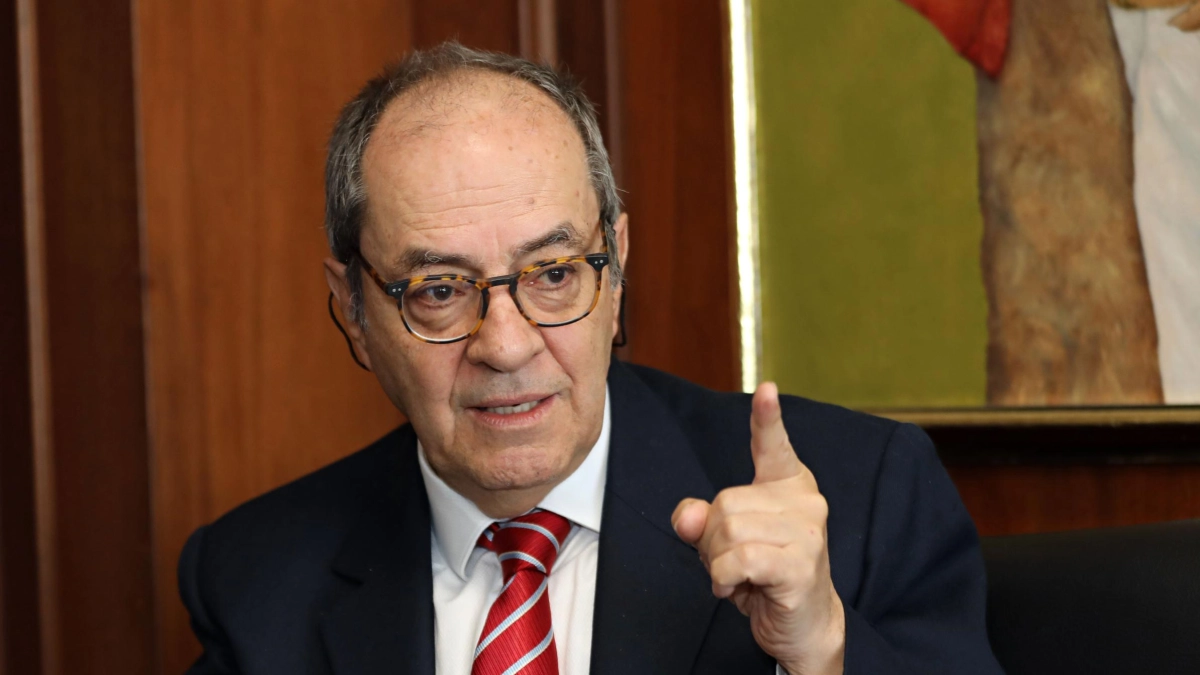
Minister of Mines and Energy, María Nohemí Arboleda, echoed these sentiments, highlighting the "sacrifices" made by the companies. "From the Ministry, we value and recognize the effort of the generating companies to strengthen the energy reliability of the country. This agreement proves that when we work together, it is possible to convert an alert into a concrete decision to protect the energy of the Colombians."

However, despite the praise, the subtext of these statements remains one of caution. While the immediate risk of blackout is lower, the underlying issues of the system remain largely unaddressed.
Implications: The Long-Term Challenge
The delay of the maintenance at El Guavio is not a "free" solution. It is a logistical and financial challenge of significant proportions. Both projects were meticulously planned years in advance to ensure the longevity of the infrastructure. Rescheduling them requires:
- Contractual Renegotiations: New agreements must be signed with international suppliers and specialized contractors.
- Supply Chain Management: The arrival of imported parts and components must be reorganized, often incurring additional storage and logistics costs.
- Increased Monitoring: Because the maintenance is deferred, the plants must now operate under a regime of "enhanced monitoring" to ensure that the older infrastructure does not suffer a critical failure before the new maintenance window opens in 2027.
A System Still at the Limit
Even with the agreement, XM has explicitly warned that the Eastern region remains in a state of high operational fragility. The reliance on internal generation and the current limitations of the 500 kV transmission network mean that any unforeseen failure—whether it be a technical glitch, a transmission line collapse, or a sudden weather-related event—could still jeopardize the grid.
The delay in the expansion projects of the GEB is a point of concern that continues to cloud the long-term outlook. As the Ministry and private firms look toward 2027, the focus must shift from fire-fighting to long-term infrastructure investment.

The Impact on the Colombian Household
For the average citizen, the avoided blackouts are a reprieve, but they do not eliminate the broader economic pressure. The government has already warned that the 2026-2027 El Niño will have a tangible impact on the cost of living. The increased use of thermal power to compensate for low hydro levels generally leads to higher electricity bills, which, when combined with inflationary pressures, could significantly impact the purchasing power of the most vulnerable families.
Conclusion: A Temporary Respite
The agreement between the Ministry of Mines and Energy, Enel Colombia, and AES Colombia is a masterclass in risk management under duress. By choosing to defer critical maintenance, the parties involved have prioritized national stability over individual corporate scheduling.
However, it is clear that the Colombian energy system is operating at the edge of its capacity. The combination of historic demand, severe hydrological deficits, and delayed transmission projects suggests that the coming months will require constant vigilance. While the lights will remain on for now, the "El Niño 2026-2027" period will remain a testing ground for the country’s energy policy. The government and private sector have bought themselves time, but the structural challenges of the grid remain a ticking clock that will require more than just emergency agreements to silence.
Key Takeaways for Stakeholders:
- Reliability: The grid remains stable for the immediate term, pending no further infrastructure failures.
- Logistics: Expect potential increases in operational costs for generators as they pivot to new maintenance schedules.
- Public Policy: The focus must shift to expediting the delayed transmission lines, specifically the Sogamoso and Bacatá projects, to ensure long-term stability.
- Economic Outlook: Energy prices are expected to remain volatile as the system leans into thermal generation to offset the hydrological deficit.