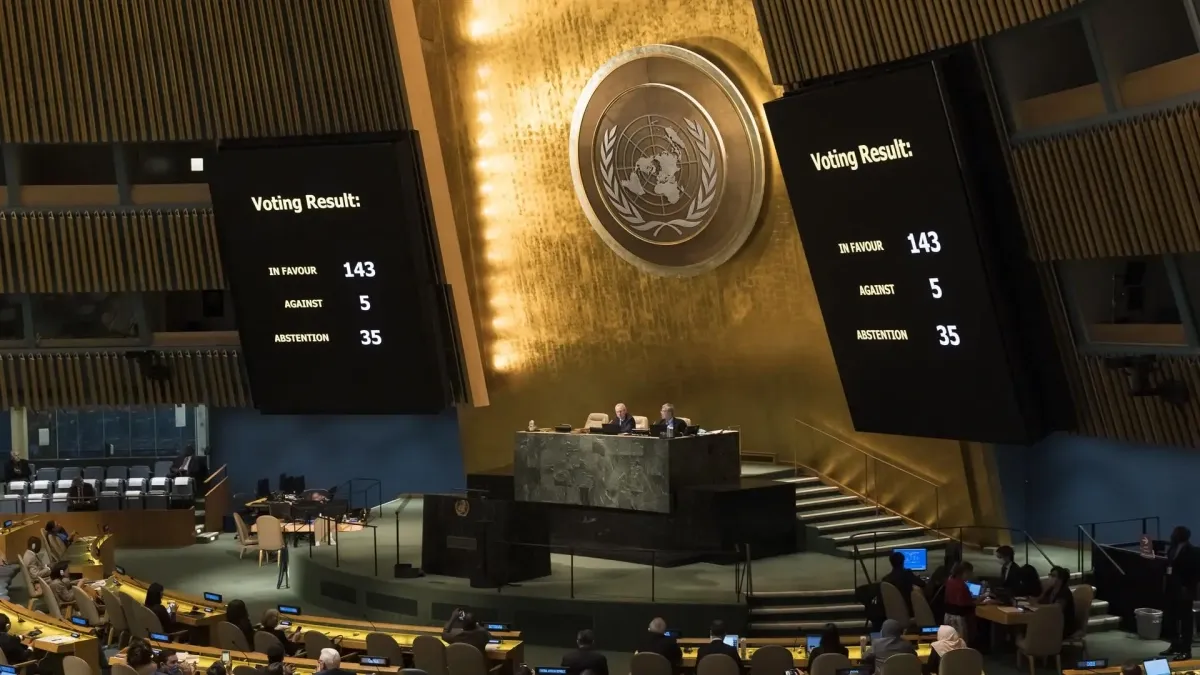
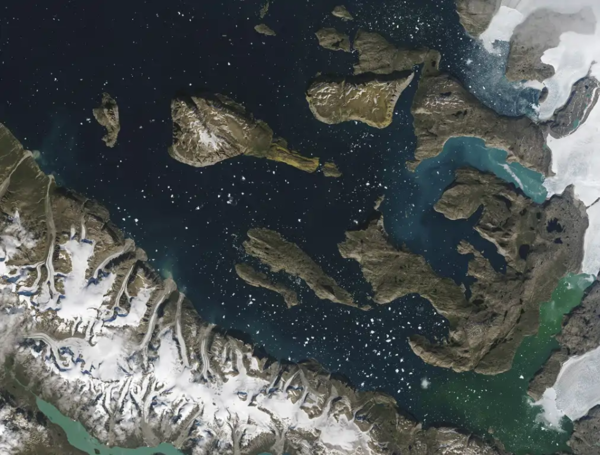
Analysis — Months of mounting geopolitical tension have culminated in a diplomatic breakthrough that has instantly reshaped the strategic architecture of the Far North. Amid a dense web of political narratives, constitutional constraints, and fierce geoeconomic competition, Washington, Copenhagen, and the autonomous government of Nuuk have officially signed a landmark trilateral security agreement.
Far from a unilateral annexation or outright purchase—options previously floated by Washington that ran aground against impassioned local resistance and immutable international laws—the United States has successfully secured its long-term strategic footing through multilateral diplomacy. Yet, beneath the celebratory rhetoric lies a complex board game defined by resource nationalism, defense positioning, and an escalating contest for supremacy over the melting Arctic ice.

Main Facts
The core of the newly minted 10-page trilateral accord is rooted in the recognition of the territorial integrity of the Kingdom of Denmark and the self-determination rights of the Greenlandic people. However, the operational clauses of the document grant the United States sweeping military and economic prerogatives across the world’s largest island:
- Military Expansion: The U.S. will construct two brand-new military bases in southern and western Greenland, augmenting its existing footprint at the Pituffik Space Base in the island’s far north. Washington is also granted the authority to designate additional defense zones and scale up its military infrastructure at will.
- Freedom of Movement: American naval vessels, aircraft, and ground vehicles receive unrestricted rights of free access and transit between these designated defense zones.
- The "Out-of-NATO" Exclusion: The pact strictly prohibits any non-NATO member state from establishing military installations or infrastructure on Greenlandic soil unless explicitly greenlit by Washington, Copenhagen, and Nuuk.
- Economic and Industrial Safeguards: The agreement erects a high-security firewall, legally barring nations outside of the European Union or NATO from securing "control, significant influence, or access to non-public information" regarding sensitive sectors, critical infrastructure, and rare earth mineral deposits in Greenland.
- Indefinite Duration: The treaty carries no expiration date, effectively locking in a permanent U.S. security presence in the Arctic. Crucially, the text dictates that Greenland must honor these obligations even if it eventually achieves full independence from Denmark.
Chronology of Events
The road to the historic signing at the United Nations General Assembly in New York was paved with friction, bold posturing, and careful behind-the-scenes negotiation:
- Early Ambitions and Rhetoric: For years, renewed American desires to acquire or exert unilateral control over Greenland dominated international headlines, crashing headfirst against Danish constitutional barriers, Greenland’s Home Rule Act, and NATO mutual-defense frameworks.
- September 2026 (The Build-up): As global powers pivoted their focus toward the melting polar routes, diplomatic channels intensified. Transatlantic partners worked frantically to reconcile Washington’s domestic political demands with European anxieties regarding Russian and Chinese encroachment.
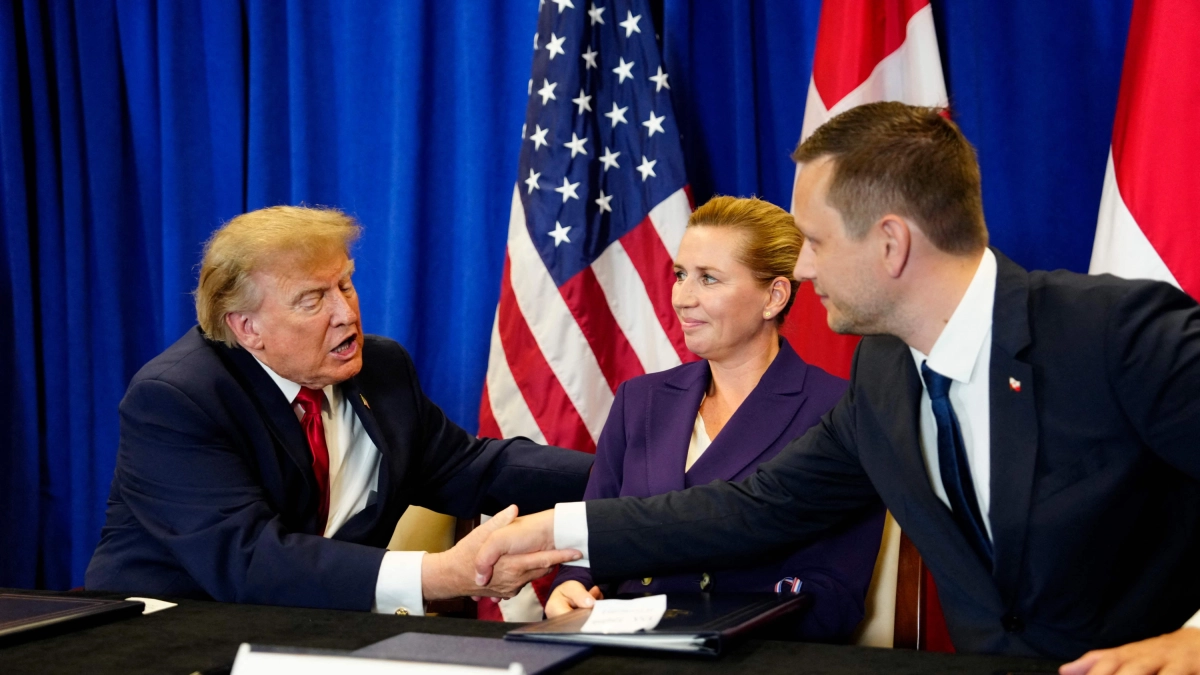
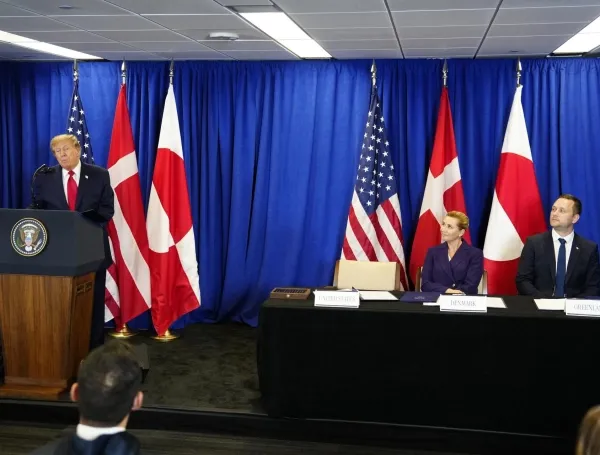
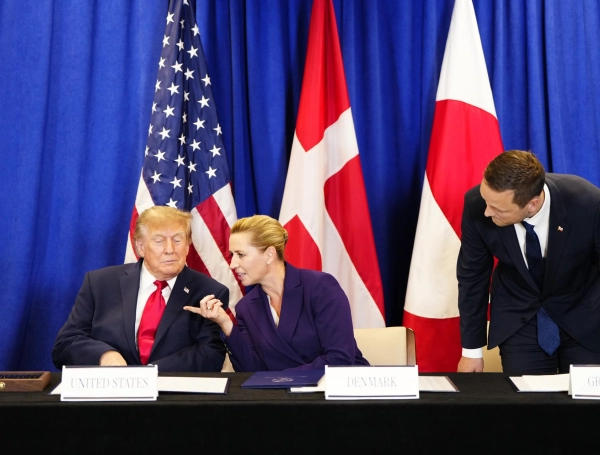
- September 22, 2026 (The Signing): In the margins of the UN General Assembly in New York, U.S. President Donald Trump, Danish Prime Minister Mette Frederiksen, and Greenlandic Premier Jens-Frederik Nielsen formally signed the trilateral security framework.
- Mid-October 2026 (Upcoming Policy Milestones): The European Union is scheduled to release its heavily anticipated, updated Arctic strategy on October 20, aligning continental defense and resource security with the realities of the new pact.
- The Road Ahead (Ratification Phase): The ink on the paper does not equate to immediate force of law. The treaty faces a mandatory, rigorous legislative journey through the parliaments of Denmark and Greenland, alongside the U.S. Senate, before formal diplomatic notifications can seal its implementation.
Official Responses and Strategic Pragmatism
The public posture adopted by the signatories reveals a sharp dichotomy between domestic political posturing and cold geopolitical calculation.
Washington: The Domestic Victory
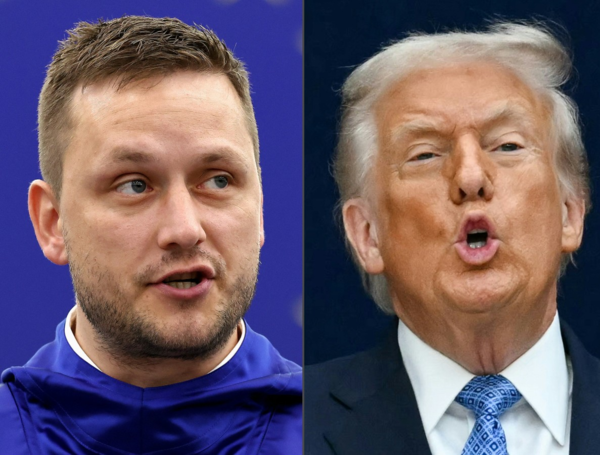
For the White House, the agreement was framed through a lens of unbridled triumph. President Donald Trump marketed the deal to domestic audiences—with an eye firmly on upcoming midterm elections—as securing "permanent control over the defense" of the Arctic island, projecting strength and decisive leadership on the global stage.

Copenhagen and Nuuk: Calculated Pragmatism
In stark contrast, the leadership in Denmark and Greenland opted for a strategy of calculated pragmatism, effectively allowing Washington to claim the political headlines in exchange for safeguarding their fundamental red lines: national sovereignty and local autonomy.

Danish Prime Minister Mette Frederiksen played down institutional friction, deftly anchoring the agreement within existing NATO structures dating back to the historic 1951 defense treaty (updated in 2004). Meanwhile, Greenlandic leader Jens-Frederik Nielsen reassured domestic constituents that the text successfully shields local interests, calming nerves across the island’s capital.
Implications and Geoeconomic Drivers
While the military provisions capture immediate media attention, the true engine driving this trilateral alignment is geoeconomic.
The Battle for Critical Minerals
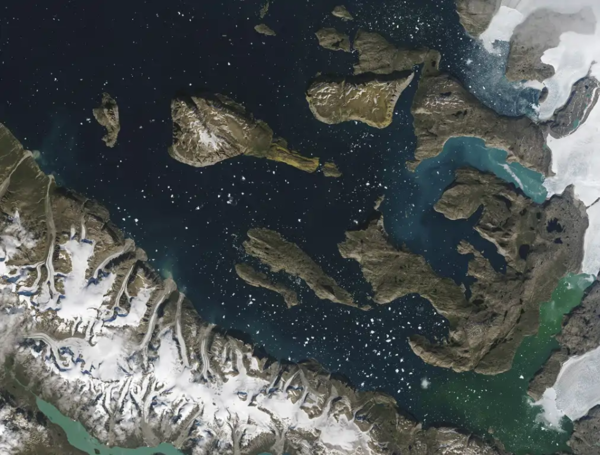
Greenland harbors some of the planet’s largest untapped reserves of rare earth elements—minerals that are absolutely indispensable for the global green energy transition, advanced aviation, and next-generation defense manufacturing. By locking out non-allied capital, the pact serves as a powerful pre-emptive strike against Chinese and Russian ambitions to monopolize the island’s mining sector.

Control of Polar Sea Lanes
Climate change is rapidly altering maritime geography. As Arctic ice melts, new shipping lanes are opening, cutting transit times between Asia, Europe, and North America. Nations like China and South Korea have increasingly tested these polar passages. By cementing a permanent Western security architecture over Greenland, the U.S. and its allies ensure absolute control over the chokepoints linking the Arctic to the Atlantic, neutralizing potential commercial dominance by strategic rivals.
Alignment with the European Union
This trans-Atlantic entente meshes seamlessly with Brussels’ evolving security doctrine. During her recent State of the Union address, European Commission President Ursula von der Leyen reaffirmed Russia as the continent’s primary structural threat while urging accelerated independence in critical raw materials. The Greenland pact bridges the gap between Washington and Europe, ensuring that critical Arctic resources remain firmly within the democratic alliance.

The Road Ahead: The Devil in the Details
Despite the fanfare in New York, significant hurdles remain. The treaty is not yet a done deal. It must survive rigorous parliamentary scrutiny in Copenhagen, Nuuk, and Washington.

During these legislative debates, the "fine print" will be scrutinized line by line. Lawmakers in Greenland and Denmark will demand absolute transparency to ensure that military permits and foreign investment vetoes do not strip Nuuk of its self-governing powers. Until all three parliaments ratify the text, the pact remains a visionary framework rather than a binding reality.

For now, the events of September 2026 offer a definitive lesson for the 21st-century geopolitical landscape: in the high-stakes chess match of the Arctic, the diplomacy of institutional alliances and resource stewardship far outweighs the empty rhetoric of territorial annexation.