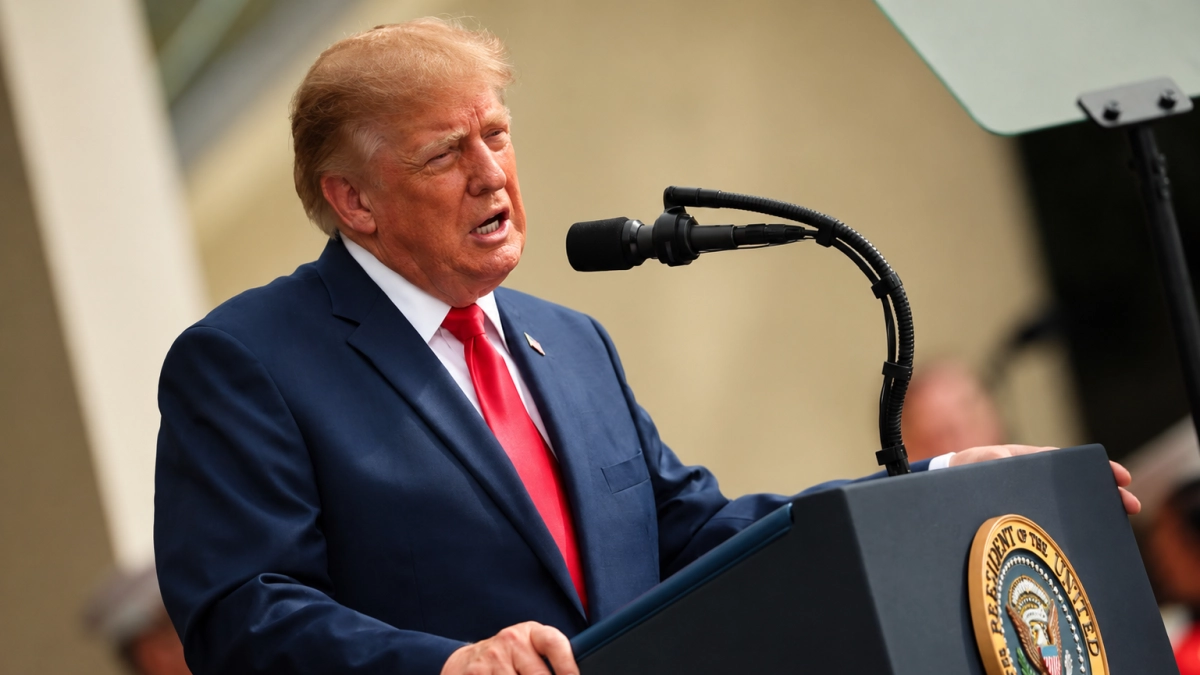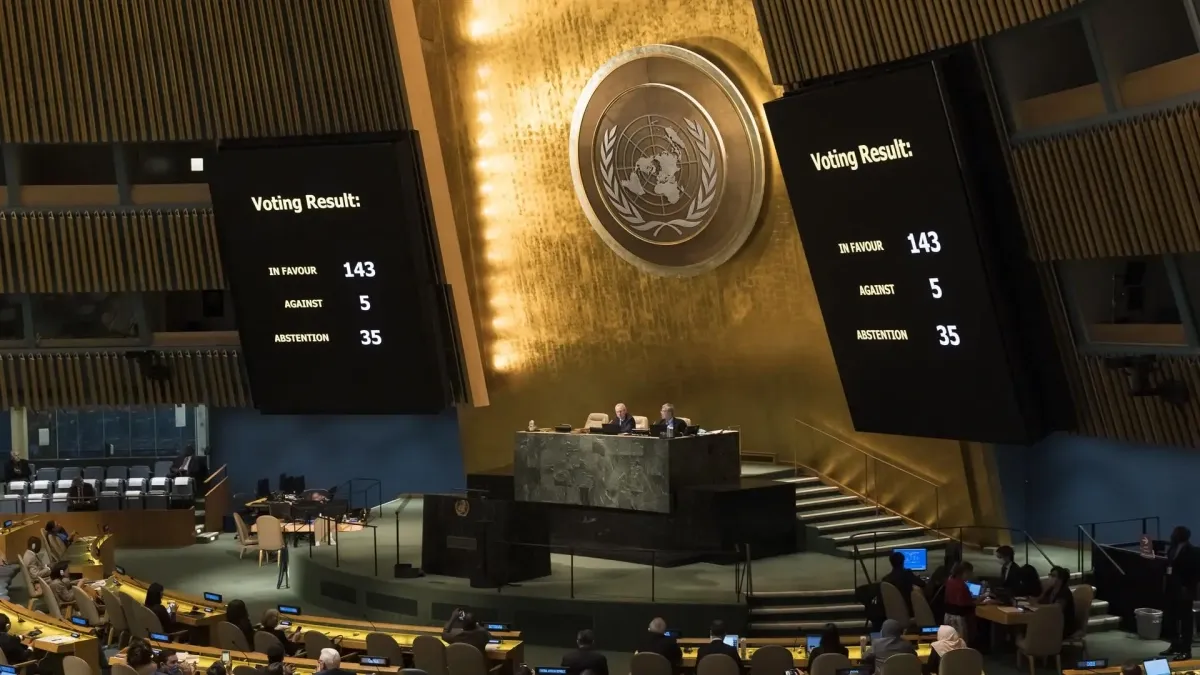
NEW YORK — In a move balancing diplomatic obligations with acute geopolitical hostility, the administration of United States President Donald Trump announced on Thursday that it has authorized the Iranian delegation to travel to New York next week. The high-stakes visit will allow Tehran’s representatives to participate in the 81st United Nations General Assembly (UNGA), scheduled to take place from September 21 to 28, 2026.
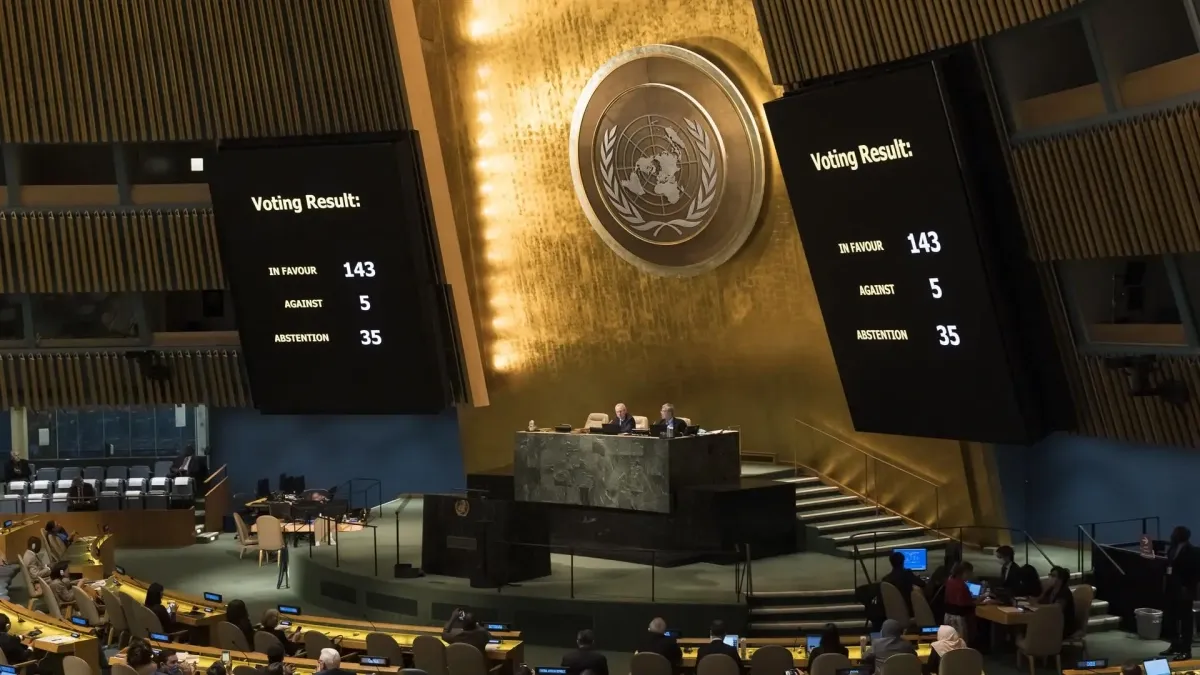
This diplomatic clearance unfolds against the grim backdrop of a protracted, seven-month war between Washington and Tehran that has destabilized the Middle East, severed critical global supply lines, and sent shockwaves through the international energy markets.

Main Facts
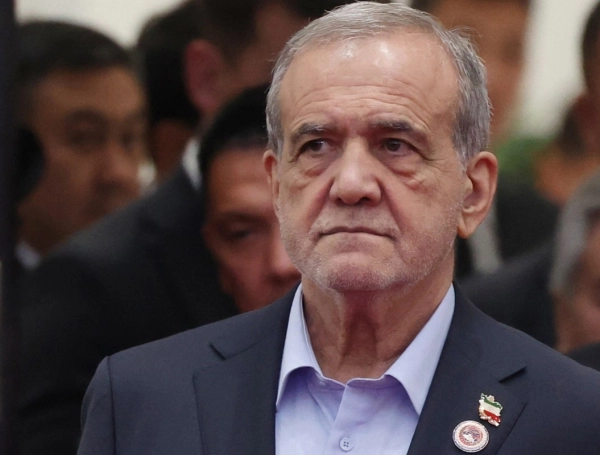
The United States Department of State confirmed Thursday that it granted visas to members of the Iranian government, led by President Masud Pezeshkian, enabling them to attend the UN’s high-level week.
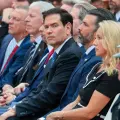
- The Host Country Obligation: Citing its responsibilities under the 1947 UN Headquarters Agreement, a State Department spokesperson told the press: "In fulfillment of our obligations as host country, the primary delegation of the Iranian regime will be permitted to attend the High-Level Week of the UN General Assembly."
- Composition and Restrictions: According to sources familiar with the matter who spoke to AFP, the green light includes President Pezeshkian. However, Tehran will not receive unfettered access. The delegation will be significantly smaller than in previous years and will face stringent localized travel restrictions, alongside sweeping prohibitions on purchasing luxury goods or engaging in commercial transactions while on U.S. soil.
- The Diplomatic Exclusion: In a parallel development concerning Middle Eastern representation at the UN, Washington has reportedly denied an entry visa for the second consecutive year to Palestinian Authority President Mahmud Abás, shutting him out of the global summit once again.
Chronology of the Conflict: From February Escalation to UN Assembly
To understand the friction surrounding Iran’s presence in New York, one must examine the timeline of the military confrontation that erupted earlier this year:
- Late February 2026: Joint military strikes by the United States and Israel target strategic infrastructure inside Iran. The offensive shatters a fragile status quo and ignites a multi-front regional war that quickly engulfs parts of the Middle East.
- March – April 2026: Tehran retaliates aggressively, announcing a formal blockade of the Strait of Ormuz—a maritime choke point vital for global petroleum transit. The disruption immediately triggers panic in financial markets, causing global oil prices to skyrocket.
- May – August 2026: The conflict settles into a bloody war of attrition. Maritime traffic remains severely restricted or entirely paralyzed not only in the Strait of Ormuz but also in the Bab el-Mandeb strait off the coast of Yemen, where pro-Iranian Houthi combatants claim strategic control over the vital shipping lane.
- September 2026: As the war enters its seventh month, a sudden tactical resurgence in fighting occurs between U.S. and Iranian forces. It is precisely amid this renewed military friction that the international community prepares for the UN General Assembly, forcing Washington to weigh its national security posture against international treaty obligations.
Supporting Data and Geopolitical Impact
The convergence of the UN General Assembly and an active theater of war has created a complex web of economic and logistical fallout.
The Energy Crisis and Maritime Choke Points
The core of Iran’s asymmetric leverage in its conflict with Washington lies in geography. By choking the Strait of Ormuz—through which roughly a fifth of the world’s petroleum passes daily—Tehran has weaponized global energy dependencies. Coupled with the Houthi-enforced disruptions in the Bab el-Mandeb strait, international trade between Asia and Europe has suffered massive delays and skyrocketing insurance premiums.

Diplomatic Pariahs and Dual Standards
The decision to permit Iran’s delegation while barring Palestinian leader Mahmud Abás has drawn scrutiny from international observers. While Washington must legally permit access to UN member states (even those under active hostilities, barring extreme national security threats), observer entities and non-member observer states like Palestine face different visa adjudication standards under U.S. federal jurisdiction—a loophole critics argue is routinely weaponized for political alignment.

Official Responses and Diplomatic Posturing
The dual realities of waging a shadow-to-direct war while playing host to the enemy have forced both Washington and Tehran into careful semantic maneuvering.

- The U.S. Position: The State Department has repeatedly emphasized that allowing the Iranian delegation to touch down in New York is strictly a legal compliance measure rather than a diplomatic thaw. By strictly curtailing the size of the delegation and keeping them confined to Manhattan and the immediate UN precinct, the Trump administration aims to project strength while avoiding a breach of international law that could strip the UN of its status as a neutral global forum.
- The Iranian Perspective: Tehran has utilized international platforms not only to denounce what it calls "American-Zionist aggression," but also to rally regional allies against the ongoing maritime and economic sanctions. President Pezeshkian’s expected address to the General Assembly is anticipated to be a fierce indictment of U.S. foreign policy and the economic penalties that continue to squeeze the Iranian populace.
Implications for the 81st UN General Assembly
As world leaders converge on Manhattan for the September 21–28 sessions, the presence of a wartime Iranian delegation transforms what is usually a ceremonial festival of multilateral diplomacy into a tense security and diplomatic high-wire act.

- Security Footprint: The New York City Police Department (NYPD) and federal security agencies are coordinating an unprecedented security perimeter. The expected presence of high-ranking Iranian officials—alongside potential anti-war protests, Iranian diaspora demonstrations, and counter-protests—threatens to stretch local law enforcement resources to their breaking point.
- Backchannel Diplomacy: Historically, the UN General Assembly serves as a covert incubator for backchannel talks. Whether neutral intermediaries (such as European Union or Omani diplomats) can leverage the physical presence of Iranian officials in New York to broker back-alley de-escalation talks remains one of the session’s most closely guarded variables.
- The Future of Multilateralism: Washington’s decision to issue the visas—however begrudgingly—reaffirms the fragile sanctity of the United Nations headquarters agreement. Yet, with a war raging across the Middle East and global oil lanes held hostage, the 81st UNGA risks being overshadowed less by what is said from the podium and more by the ongoing kinetic conflict playing out thousands of miles away.
With information from EFE and AFP.