INTERNATIONAL DESK
Updated: September 9, 2026 – 4:55 PM
Main Facts
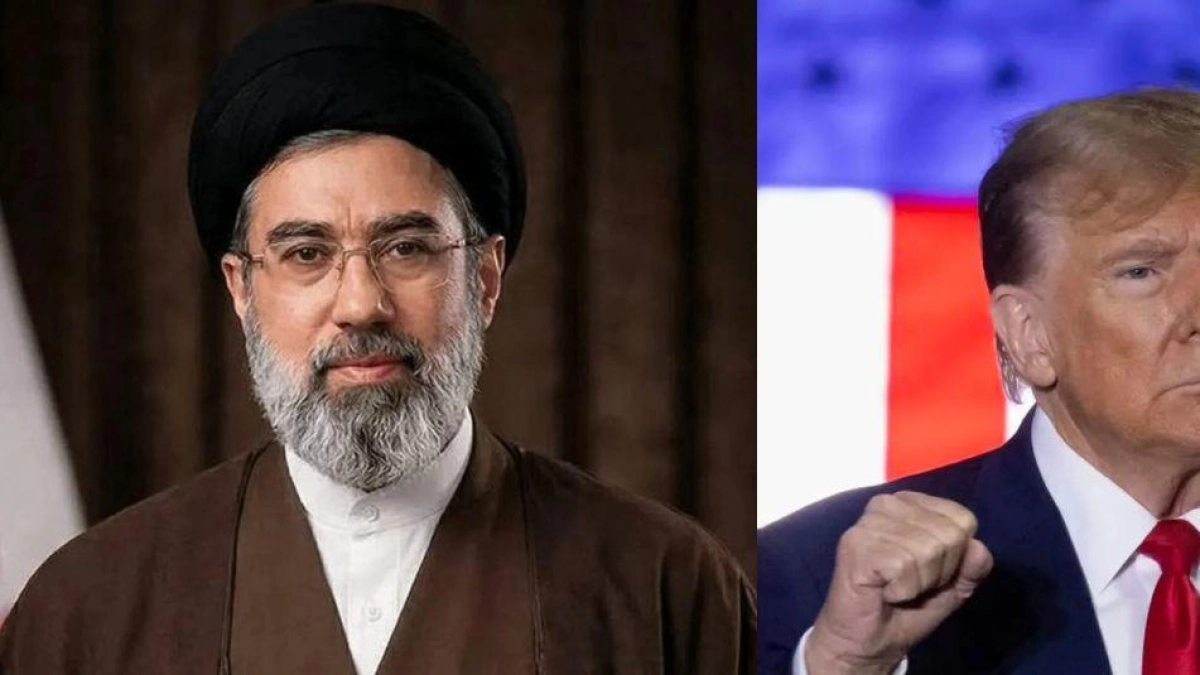
U.S. President Donald Trump declared on Wednesday that the ongoing military conflict between the United States and Iran will come to an abrupt halt "immediately" following the American midterm congressional elections in November. Speaking to reporters at Joint Base Andrews near Washington, D.C., the U.S. commander-in-chief expressed high confidence that Tehran’s regime is on the verge of total exhaustion.
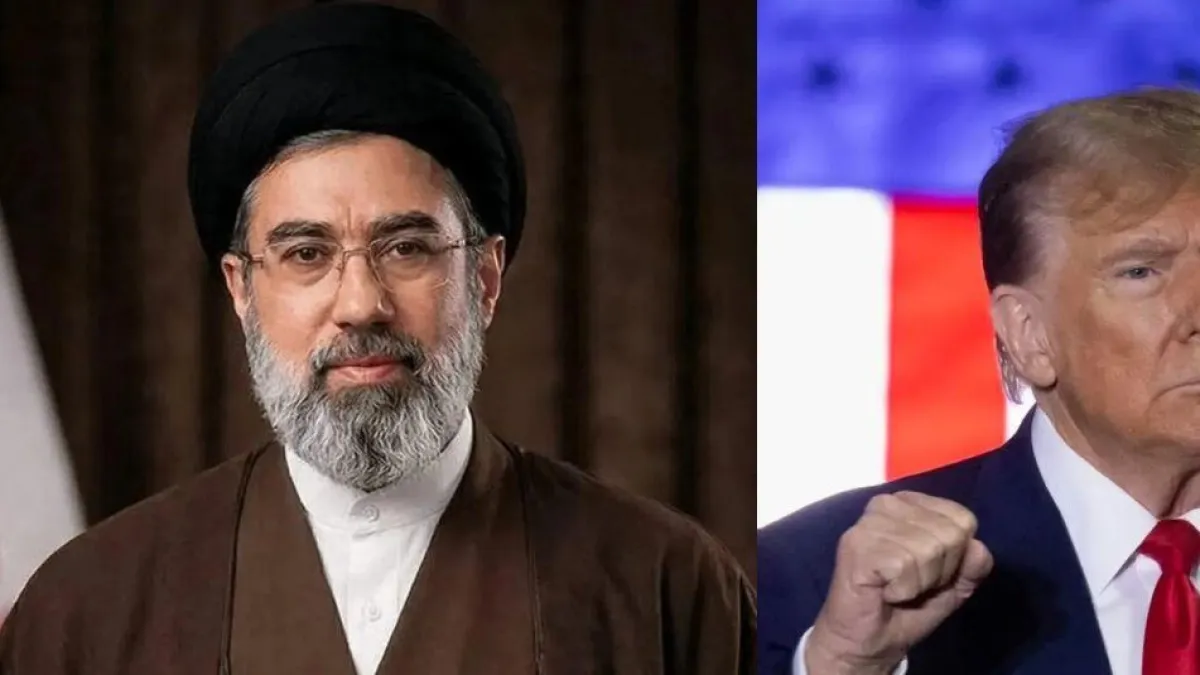
"I think the war will end immediately after the elections because they [Iran] can no longer resist," Trump stated, asserting that the current leadership in Tehran is "trying desperately to influence the election." He further predicted that "just after the polls, the price of petroleum is going to plummet."
The geopolitical confrontation, which escalated dramatically in late February following joint U.S. and Israeli military strikes against Iranian infrastructure, has sent shockwaves through the global economy. Most notably, it has triggered a severe spike in domestic fuel prices across the United States. This inflationary pressure has severely compounded political anxiety within the Republican Party, which faces mounting fears of a crushing defeat in the upcoming legislative elections. With control of both the House of Representatives and a crucial one-third of the Senate up for grabs, the soaring cost of living has become a central vulnerability for the incumbent administration as the Democratic opposition seeks to wrest legislative power away from the GOP.

Chronology of the Conflict
The current hostilities represent a violent new chapter in long-standing tensions between Washington and Tehran, marked by rapid escalations at sea and in the air:
- Late February 2026: The conflict begins when United States and Israeli forces launch coordinated preemptive and strategic strikes against military installations and infrastructure inside Iran.
- Spring – Summer 2026: In retaliation for the U.S.-led naval blockade of Iranian ports—enacted in response to the effective closure of the vital Strait of Hormuz—low-intensity skirmishes break out across the Middle East, threatening global maritime trade routes.
- Early September 2026: Military engagements intensify significantly. The U.S. military reports a major offensive operation resulting in the destruction of five Iranian oil tankers following targeted attacks on a total of nine vessels.
- Wednesday, September 9, 2026: Iran counters by announcing it successfully targeted over a dozen commercial and military vessels attempting to navigate through the strategic Strait of Hormuz. On the same day, President Trump delivers his remarks at Joint Base Andrews regarding the impending conclusion of hostilities post-midterms, while global energy markets react violently to the day’s maritime clashes.
Supporting Data and Market Impact
The human and material costs of the conflict are increasingly mirrored by severe disruptions in global commodity markets. The direct targeting of shipping lanes and energy infrastructure has fundamentally rattled international trade:

- Crude Oil Prices: On Wednesday, the international benchmark Brent crude surged past the critical psychological threshold of $100 per barrel for the first time since July, placing immense pressure on refiners, airlines, and motorists worldwide.
- European Natural Gas: European gas prices escalated sharply, reaching their highest recorded levels since the beginning of 2023, exacerbating energy security anxieties across the Atlantic.
- Naval Casualties: Recent military engagements have resulted in the confirmed destruction of at least five Iranian tankers by U.S. forces, alongside more than a dozen ships struck or harassed by Iranian defensive and offensive naval operations in the Strait of Hormuz.
- U.S. Legislative Stakes: The upcoming midterm elections involve the complete renewal of the 435-seat House of Representatives and approximately 33 or 34 seats in the 100-member United States Senate, where Democrats are aggressively campaigning on the economic fallout of the war.
Official Responses and Strategic Posture
The rhetoric emanating from Washington and Tehran highlights a stark divergence in how both leaderships perceive the trajectory of the war and its domestic utility.
President Trump has maintained an aggressive posture, signaling that the U.S. military campaign is far from over despite political headwinds. Anticipating future escalations, Trump warned that "many more offensives" are planned by U.S. forces to neutralize remaining threats in the region and secure vital shipping lanes. Washington maintains that its blockade is a necessary defensive measure to counter what it terms economic terrorism and illegal disruptions of international waters by Tehran.
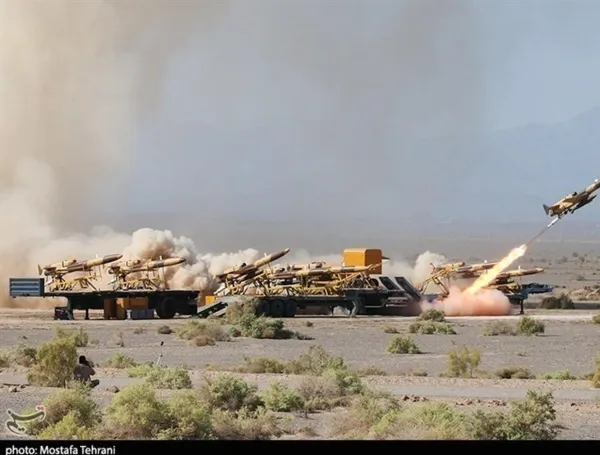
Conversely, the Iranian government has doubled down on asymmetric warfare and economic disruption. By actively targeting vessels attempting to transit the Strait of Hormuz—a crucial chokepoint through which a significant portion of the world’s petroleum passes—Tehran has demonstrated its capacity to inflict global economic pain. Iranian state media and officials have rejected Washington’s assertions of imminent collapse, framing their military actions as a legitimate defense against foreign aggression and economic strangulation.
Furthermore, analysts note that the Iranian leadership may indeed calculate that prolonging the economic pain in the West—specifically by driving up gasoline prices in the U.S.—could catalyze a backlash against the Republican party at the ballot box, potentially altering the balance of power in Washington and forcing a recalibration of U.S. foreign policy.
Implications for Domestic Politics and Global Stability
The intersection of a foreign war and a domestic electoral cycle carries profound implications for both American governance and international security:
- The U.S. Midterms as a Referendum: Should gasoline prices remain stubbornly high through November, independent and swing voters may penalize Republican candidates at the polls. This dynamic raises the stakes for the White House, which is desperate to convince the American electorate that relief is just around the corner. A Democratic takeover of either the House or the Senate would severely constrain Trump’s executive freedom during the remainder of his term and likely spark intense congressional investigations into the origins and management of the conflict.
- Global Energy Vulnerability: The breaching of the $100-per-barrel mark for Brent crude serves as a stark reminder of the fragility of modern supply chains. Continued blockades and military exchanges in the Persian Gulf threaten to push inflation higher globally, potentially triggering broader economic slowdowns in Europe, Asia, and developing nations heavily reliant on imported energy.
- The Post-Election Reality: While President Trump has expressed certainty that the war will dissolve the moment ballots are cast and counted, military experts caution that exiting an active theater of war is rarely simple. Even if conventional combat operations wind down due to mutual exhaustion or economic strain, the long-term stabilization of the Strait of Hormuz, the repair of regional energy infrastructure, and the restoration of diplomatic channels will require prolonged, delicate international negotiations.
As November approaches, the world watches anxiously to see whether the administration’s political timeline aligns with the volatile, unpredictable realities of warfare in the Middle East.