By Cultural & Environmental Desk Published: September 8, 2026
Main Facts
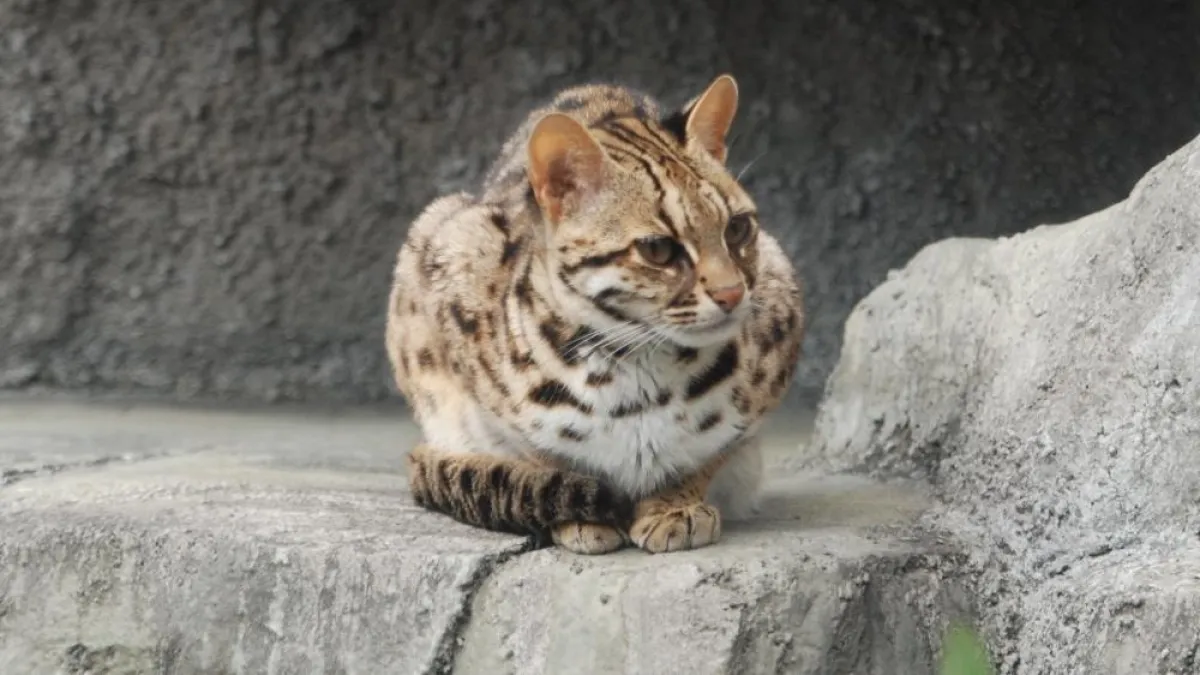
In a groundbreaking study that has recently captured the attention of the global conservation community, researchers at the prestigious University of Kyoto have successfully unraveled a compelling biological mystery concerning the critically endangered Tsushima leopard cat (Prionailurus bengalensis euptilurus) on the remote Japanese island of Tsushima.
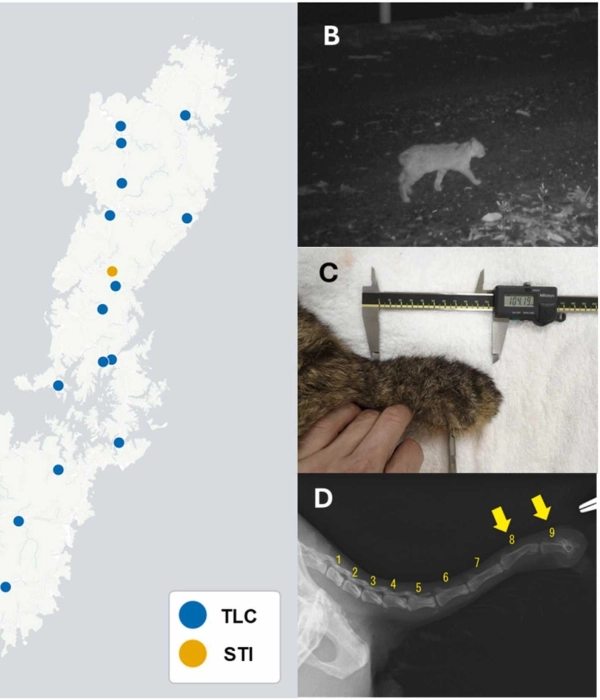
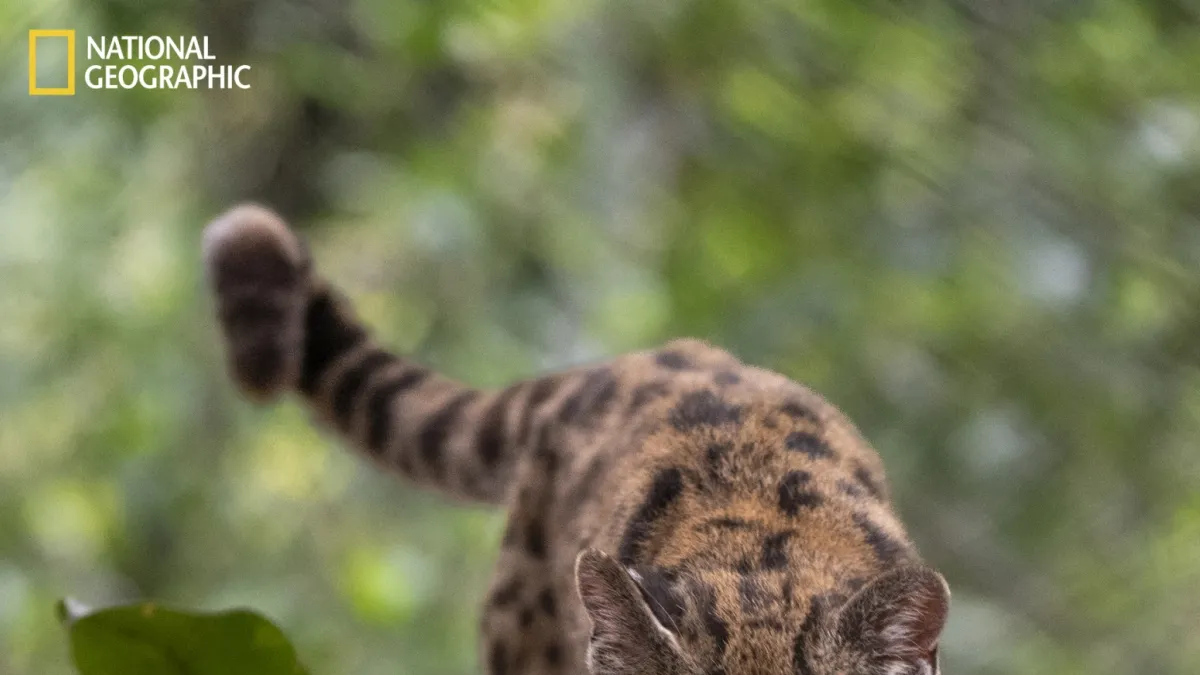
The investigation was launched following an alarming discovery in the wild: several wild leopard cats were spotted exhibiting unusually short tails—a morphological trait completely undocumented in the natural history of this wild feline genus, yet remarkably common among domestic and feral cats. This unusual phenotype immediately triggered red flags among environmental scientists and conservationists, who feared that the vulnerable wild population was interbreeding with domestic cats roaming the island. Such genetic introgression poses a severe threat to the genetic integrity of endangered species, potentially eroding wild adaptations built over millennia.
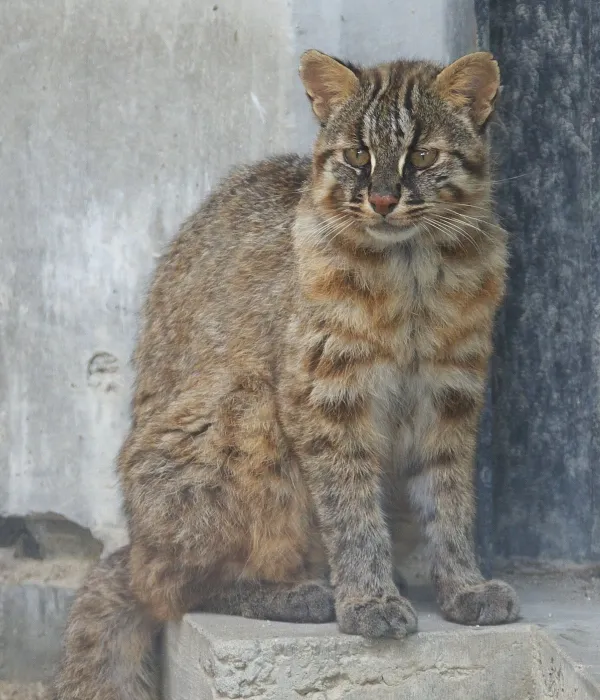
To investigate this urgent concern, a team of geneticists and wildlife biologists captured three short-tailed individuals and conducted rigorous whole-genome sequencing on one of the specimens. They compared its complete genomic data against a comprehensive reference panel comprising 15 other Tsushima leopard cats, 5 domestic cats from the island, and 4 continental Amur leopard cats from the mainland.
The results, published in the scientific journal Global Ecology and Conservation, delivered a definitive verdict: genomic analysis completely ruled out recent hybridization. The short-tailed specimen belonged entirely to the Tsushima leopard cat gene pool, leaving scientists with a fascinating, unprecedented anatomical anomaly rather than a crisis of genetic contamination.
Chronology of Events
The unfolding of this scientific inquiry spans several years of field monitoring, ecological assessments, and advanced laboratory analysis:
2020–2024: The Japanese Ministry of the Environment conducts an extensive, multi-year census and spatial distribution study to map the population health and territorial reach of the Tsushima leopard cat across the island.
Early 2026: The Ministry of the Environment publishes findings from the 2020–2024 study, officially reporting tentative signs of population expansion and biological recovery in the southern sectors of Tsushima Island.
Mid-2026: Field biologists report sightings and subsequent captures of wild Tsushima leopard cats displaying atypical short tails—a physical trait never before recorded in the Prionailurus genus. This morphological anomaly triggers immediate anxiety regarding potential cross-breeding with domestic felines.
September 8, 2026: Kyoto University researchers publish their landmark genetic study in Global Ecology and Conservation, utilizing whole-genome sequencing to definitively dismiss theories of domestic cat hybridization while acknowledging that the exact cause of the short-tail phenotype remains an open scientific question.
Supporting Data and Methodology
The rigor of the Kyoto University study lies in its multi-layered genomic framework, which left no room for ambiguity regarding the ancestry of the captured specimens.
According to the published research paper:
"Recently, several short-tailed individuals were detected, raising concerns about potential hybrid origins since such a phenotype has not been documented in leopard cats, but is relatively common in domestic cats."
To test this hypothesis, the research team deployed a suite of advanced population-genetics tools:
Principal Component Analysis (PCA): Plotted the genomic data of the short-tailed specimen directly inside the distinct genetic cluster of the native Tsushima leopard cat, completely separating it from the domestic cat cluster.
ADMIXTURE Software: Assigned the focal individual almost entirely to the ancestral component of the Tsushima leopard cat, showing virtually zero domestic cat genetic contribution.
f3 and f4 Admixture Statistics: These formal tests for gene flow yielded no statistical support for recent introgression or cross-breeding events with domestic felines.
Despite the clarity of the genetic data, the underlying etiology of the short tail remains a biological enigma.
"To the best of our knowledge, this is the first report of a short-tailed individual in the genus Prionailurus," the authors noted. "These findings highlight the value of whole-genome evaluation to resolve suspected cases of hybrid status in endangered wild felids."
Official Responses and Environmental Context
The release of the Kyoto University study arrives at a delicate moment for the conservation status of the Tsushima leopard cat. Earlier in 2026, the Japanese Ministry of the Environment released an optimistic progress report based on field data gathered between 2020 and 2024. The data confirmed a clear, continuous expansion of the felid’s distribution range in the southern portions of Tsushima Island, marking the first tangible sign of recovery in years.
However, environmental authorities urge caution against premature celebration. Conservation biologists emphasize that the species remains perched on a precarious ecological knife-edge:
Extremely Low Population Numbers: Current estimates indicate that the total population hovers precariously around 100 surviving individuals in the wild.
Geographic Disparities: While the south of the island shows encouraging territorial expansion, monitoring data from certain northern sectors reveals troubling signs of local population decline, proving that the species’ recovery is far from uniform or secure.
The threat landscape for the Tsushima leopard cat extends beyond genetics. Habitat fragmentation, roadkill incidents, competition with stray and domestic animals, and disease transmission remain constant pressures that require aggressive, continuous mitigation strategies by local authorities and wildlife agencies.
Implications for Conservation Biology
The resolution of the Tsushima short-tail mystery carries profound implications for wildlife conservation strategies worldwide:
1. The Power of Genomics in Conservation
As natural habitats shrink and human-wildlife interfaces expand, wild species increasingly come into contact with domestic animals. Traditional morphological observations—such as coat patterns, body size, or, in this case, tail length—can often be misleading, triggering false alarms or masking stealthy genetic invasions. The Kyoto University study demonstrates that high-resolution, whole-genome sequencing is an indispensable tool for cutting through phenotypic confusion and safeguarding the genetic purity of endangered taxa.
2. A Call for Expanded Monitoring
While the immediate threat of domestic hybridization was disproven in this specific instance, the presence of physical anomalies points to potential issues such as inbreeding depression. With a population bottleneck hovering near 100 individuals, genetic drift and inbreeding pose severe long-term risks to the vitality, fertility, and disease resistance of the Tsushima leopard cat. Conservationists argue that molecular tracking must be paired with habitat corridor restoration to boost genetic exchange naturally.
3. Balancing Hope and Vigilance
The fragile recovery noted by Japan’s Ministry of the Environment in southern Tsushima offers a glimmer of hope. Yet, as environmental scientists frequently reiterate, recovery is a marathon, not a sprint. Ensuring the survival of the Tsushima leopard cat requires an integrated approach: rigorous genetic surveillance, strict domestic pet management on the island, road safety infrastructure to prevent vehicle collisions, and community-led conservation education.
Ultimately, while the short-tailed leopard cat turned out to be a pure-blooded native rather than a hybrid, its peculiar silhouette serves as a stark reminder of how closely scientists must watch over Earth’s most vulnerable inhabitants in an ever-changing world.
By Edwin Caicedo Environment and Health Journalist The modern automotive landscape is in the middle of an identity crisis. Buyers want the utility and presence of a full-size SUV, the efficiency of an electric vehicle,…
By Edwin Caicedo | Environment and Health Journalist Published: September 17, 2026 Main Facts: A Groundbreaking Discovery in the Yungas In a milestone for modern mammalogy, an international team of scientists has officially described a…
BOGOTÁ, COLOMBIA — Colombia is currently gripped by an extraordinary meteorological phenomenon characterized by a severe thermal dichotomy. As the nation transitions through September 2026, citizens across multiple regions are enduring punishing afternoon heatwaves that…