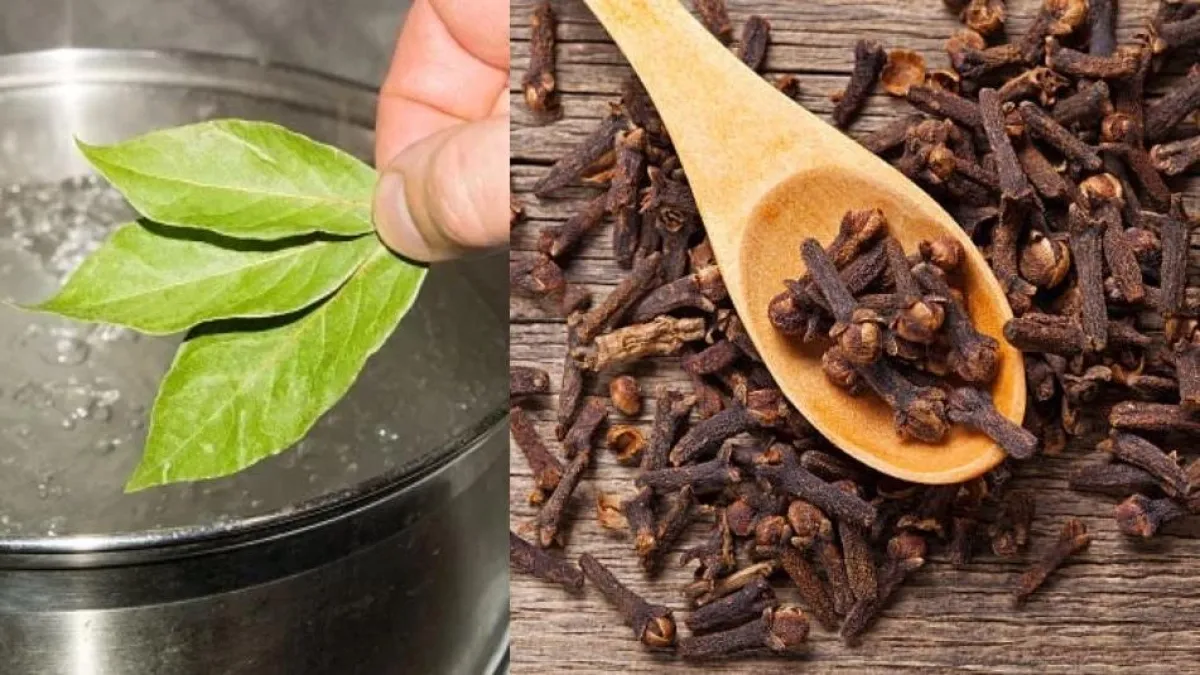
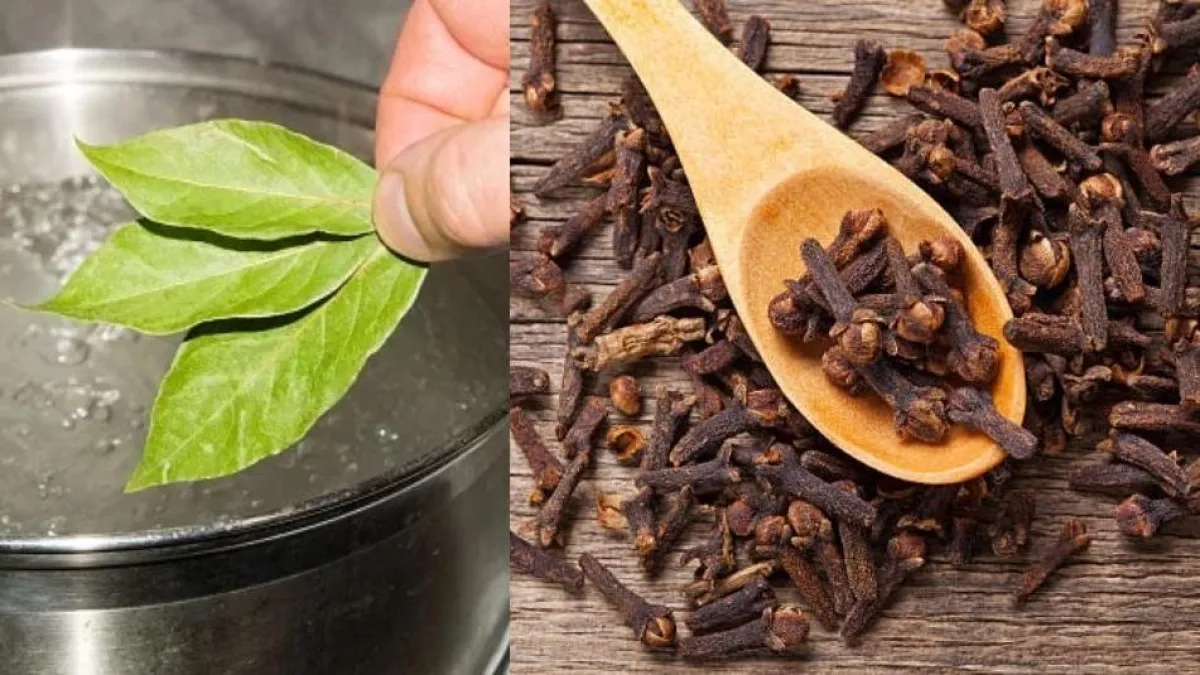
In an era where homeowners are increasingly seeking natural, non-toxic alternatives to synthetic chemical air fresheners, a traditional olfactory remedy has resurfaced with renewed vigor. The combination of boiling laurel leaves, cloves, and cinnamon sticks has become a viral sensation on social media platforms, praised not only for its ability to neutralize stubborn kitchen odors—such as those lingering from deep-frying or preparing fish—but also for its profound symbolic significance in the ancient art of Feng Shui.
Beyond its practical application, this aromatic blend is being heralded as a ritual for spiritual renewal and energetic cleansing. As we navigate a world that demands high levels of productivity, the desire to transform our domestic spaces into sanctuaries of calm has never been more prevalent. This article explores the convergence of domestic utility and metaphysical practice, offering a comprehensive guide to this timeless household hack.
The Science and Practicality of Odor Neutralization
At its core, the appeal of boiling spices lies in the science of volatile organic compounds (VOCs). Unlike aerosol sprays that often mask odors with heavy perfumes, the process of simmering aromatics releases essential oils that interact with the air molecules in our living spaces.
The Mechanism of Action
When water containing cinnamon, cloves, and laurel is heated, the heat facilitates the release of aromatic molecules. Cinnamon contains cinnamaldehyde, which provides a warm, sweet, and spicy profile. Cloves contain eugenol, a compound known for its intense, antiseptic-like scent and powerful antimicrobial properties. Laurel (bay leaf) adds a subtle, herbaceous, and woody note.

Together, these compounds act as natural air scrubbers. By heating them, we create a continuous dispersion of these oils into the atmosphere, which helps bind to and neutralize the fatty acid vapors produced by cooking, effectively replacing them with a warm, clean scent profile that lingers in curtains, upholstery, and carpets.
The Feng Shui Perspective: Energetic Renewal
For practitioners of Feng Shui, the home is a living extension of the self. The energy—or Chi—within a space is thought to be directly impacted by the items we place within it and the rituals we perform.
Symbolism of the Ingredients
According to traditional Feng Shui principles, the specific ingredients used in this decoction hold potent energetic properties:
- Laurel (Bay Leaf): Historically associated with victory, protection, and the overcoming of obstacles, the laurel leaf is used to clear stagnant energy that may be hindering personal progress or success within the home.
- Cinnamon: Revered in many cultures as a conduit for abundance and prosperity, cinnamon is believed to "warm" the energy of a room, attracting positive vibes and increasing the flow of wealth and opportunity.
- Cloves: These are often utilized for their grounding properties. In metaphysical practice, cloves are used to maintain stability and perform deep energetic "spring cleaning," removing negative influences that might have accumulated over time.
By simmering these three elements together, one is said to be creating a "manifestation broth" that aligns the home with frequencies of success, protection, and emotional equilibrium.

Chronology: The Evolution of a Domestic Ritual
The use of herbs and spices for home purification is not a modern invention; it is a practice that dates back centuries.
- Ancient Civilizations: Egyptians and Greeks used aromatic herbs in sacred spaces to cleanse the air and honor the gods. Laurel leaves, in particular, were used in crowns to symbolize triumph.
- The Middle Ages: During the plague, herbs were hung in homes and churches to "sweeten" the air and ward off miasma, the foul-smelling air then believed to carry disease.
- The Modern Resurgence (2020-2026): With the post-pandemic shift toward wellness-focused interiors, social media users began documenting "simmer pots" as a budget-friendly, sustainable way to enhance the home environment. As of November 2026, the trend has evolved from mere aesthetics to a holistic lifestyle choice, blending DIY interior design with intentional living.
Supporting Data and Household Benefits
Why are thousands of households turning away from synthetic sprays? The shift is largely driven by health-conscious consumer behavior.

- Cost-Effectiveness: Synthetic air fresheners require constant replacement of cartridges or canisters. A simmer pot requires only a few dry spices that can be purchased in bulk, making it a highly economical choice.
- Safety Profile: Many store-bought sprays contain phthalates and volatile organic compounds that can exacerbate respiratory conditions. Boiling natural spices avoids the introduction of these synthetic chemicals into the home.
- Psychological Impact: Aromatherapy studies have shown that the scent of cinnamon can improve alertness and reduce frustration, while the ritualistic act of preparing the pot creates a sense of mindfulness, allowing the inhabitant to disconnect from the chaos of the outside world.
Expert Opinions and Precautions
While the practice is widely celebrated, experts in domestic safety and respiratory health advise caution. Dr. Helena Vance, a consultant in indoor environmental quality, notes: "While natural, these substances are still potent. Heating them releases essential oils that, while pleasant, can trigger asthma or allergies in sensitive individuals."
The "Safety First" Protocol
- Ventilation: Even when using natural scents, ensure there is adequate airflow in the home. Never leave a simmering pot unattended, as the water will evaporate, potentially leading to scorched spices and fire hazards.
- Sensitivity Awareness: If any family member experiences eye irritation, headaches, or difficulty breathing, the simmer pot should be extinguished immediately.
- Duration: Experts recommend limiting the simmer time to 30–60 minutes. Extended boiling can lead to excessive moisture in the air, which, in humid climates, may inadvertently encourage mold growth.
Implications for Future Living
The popularity of this aromatic blend represents a broader societal shift toward "slow living" and the reclamation of traditional domestic arts. We are moving away from the "set-it-and-forget-it" convenience of the late 20th century toward a more intentional approach to our living environments.

The Integration of Mindfulness
The act of placing ingredients in a pot, adding water, and allowing them to simmer is a tactile, sensory experience. It forces the inhabitant to pause, observe the steam, and appreciate the sensory change in their environment. This practice, often referred to as "home alchemy," has profound implications for mental health. By curating the smell of our home, we are actively managing our stress levels and creating a buffer against the stressors of the modern digital landscape.
A Sustainable Future
As sustainability becomes a priority, the transition from single-use plastic air fresheners to biodegradable, reusable spices is a significant step forward. Households are becoming more conscious of the "waste trail" they leave behind. By using kitchen staples to perform multiple roles—cooking, cleaning, and aromatherapy—we reduce our reliance on mass-produced, packaged consumer goods.
Conclusion: Crafting Your Own Sanctuary
To prepare this aromatic blend, one only needs a small pot, water, three or four laurel leaves, a handful of whole cloves, and two or three sticks of cinnamon. Bring the mixture to a gentle simmer on the lowest heat setting. As the steam rises, allow the scent to permeate the rooms.
The true value of this practice lies in its dual nature. It is a functional tool that clears the air after a long day of cooking, but it is also a symbolic act—a way to invite peace, prosperity, and stability into your private life. In the quiet, fragrant air of a home treated with these ancient elements, one finds not just a clean space, but a renewed sense of purpose. As we move deeper into the final months of 2026, the humble simmer pot stands as a testament to the fact that the most effective solutions are often those we have known for centuries, waiting patiently in our pantry to be rediscovered.