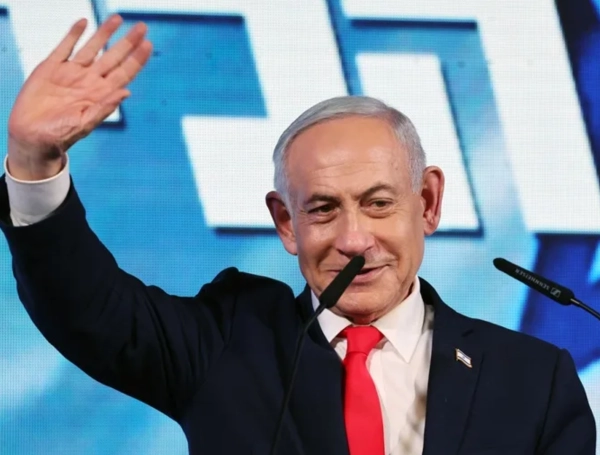
JERUSALEM — Israel’s Central Election Commission officially announced Wednesday that its comprehensive audits found zero evidence of compromised integrity or systemic irregularities during the high-stakes parliamentary elections held on October 27. The definitive ruling arrived directly on the heels of explosive, unproven allegations from Prime Minister Benjamin Netanyahu, who accused the Arab-Israeli minority of orchestrating widespread electoral fraud to undermine the ballot.
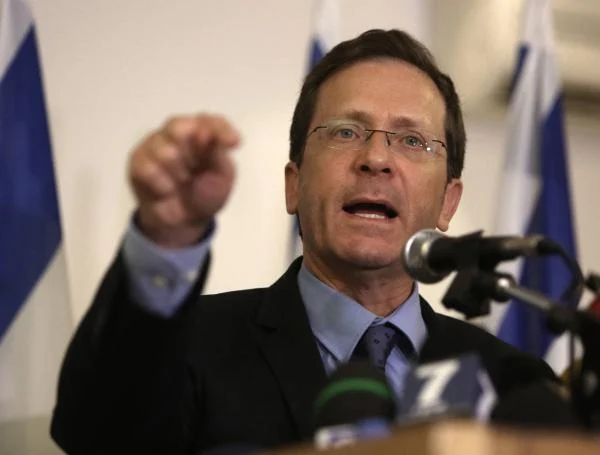
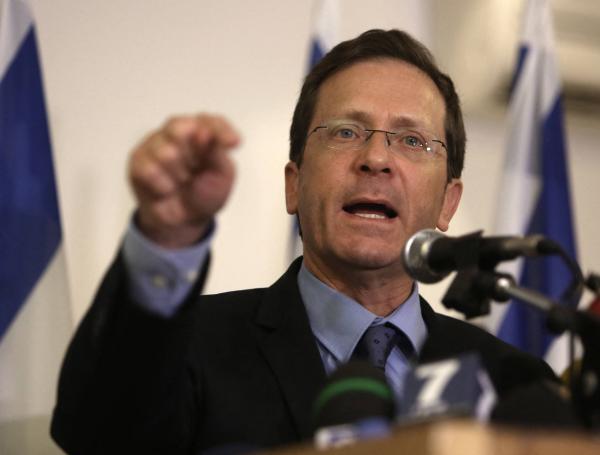
The commission’s clean bill of health serves as a critical backdrop to a turbulent political transition. Hours after the announcement, Israeli President Isaac Herzog commenced a crucial round of consultations with leaders from across the political spectrum to task a candidate with forming the nation’s next governing coalition. With neither the right-wing bloc led by Netanyahu nor the fragmented centrist-led opposition securing an outright majority in the 120-seat Knesset, the political landscape remains deadlocked, positioning the surging Arab-Israeli factions as potential kingmakers.
Main Facts
The core of the current political and institutional crisis stems from the inconclusive results of the October 27 legislative elections, which have left the 120-seat Knesset deeply polarized and devoid of an obvious parliamentary winner.
The Election Outcome: Longtime Prime Minister Benjamin Netanyahu’s right-wing Likud party and its immediate political allies amassed 53 seats, falling well short of the 61-seat threshold required for a governing majority. Meanwhile, the primary opposition block, anchored by centrist figures, secured 48 seats.
The Arab-Israeli Surge: Arab-Israeli parties achieved a historic milestone in the election, capturing a record-breaking 19 seats. This surge was instrumental in denying Netanyahu’s bloc the parliamentary leverage needed to form a stable government.
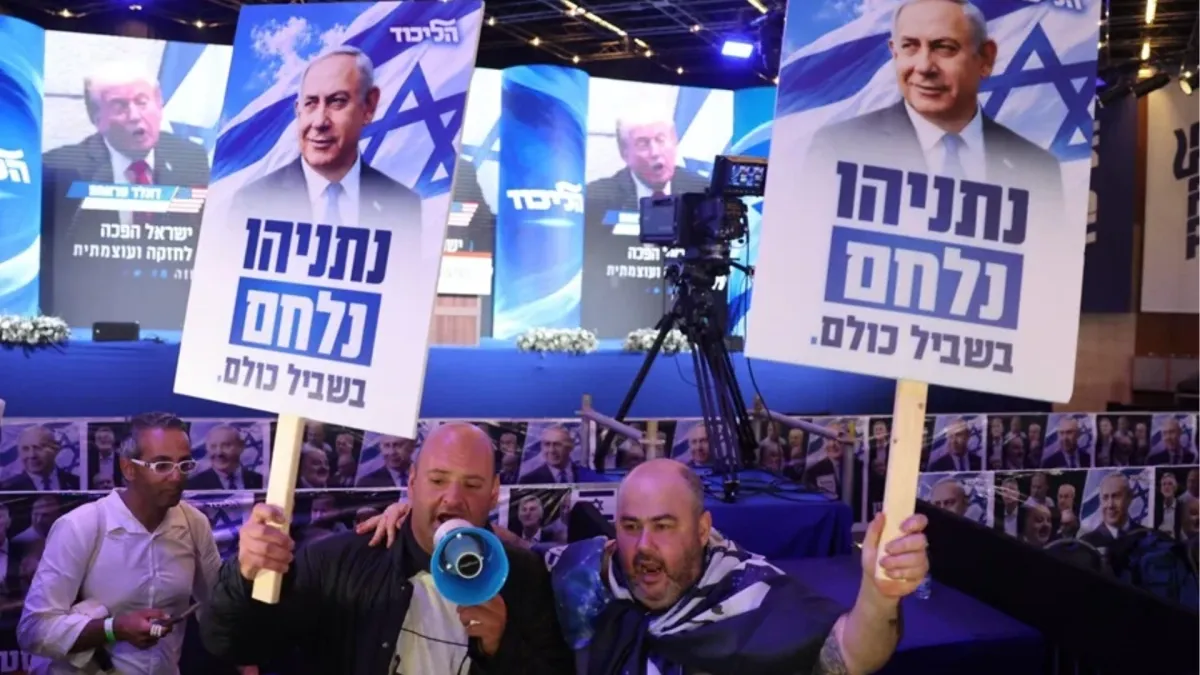
Fraud Allegations: Claiming electoral malpractice, Netanyahu and his allies alleged that the minority Arab-Israeli community engaged in systemic fraud. These claims prompted swift institutional pushback, culminating in a rigorous forensic review by the Central Election Commission of more than 9,000 ballot boxes—an unprecedented analytical effort in Israeli electoral history.
The Presidential Mandate: President Isaac Herzog holds the constitutional responsibility of evaluating the fragmented parliament and designating a candidate by November 11 to spearhead government formation.
Chronology of Events
The escalation from election day friction to institutional confrontation unfolded over a tense ten-day period, characterized by legal interventions, public accusations, and rigorous administrative audits.
October 27: Israel holds parliamentary elections. Initial results reveal a fractured Knesset, denying Netanyahu a clear path to a sixth term and highlighting a historic turnout and seat acquisition by Arab-Israeli parties.
Late October: As preliminary vote counts solidify, Prime Minister Benjamin Netanyahu and senior Likud figures begin publicly floating claims of massive electoral fraud, directing their accusations specifically at the Arab-Israeli sector.
November 2: Pressured by the persistence of unsubstantiated claims, Israel’s Attorney General, Gali Baharav-Miara, formally intervenes. She demands that David Zini, head of the Shin Bet internal security service and a known confidant of Netanyahu, immediately present any credible intelligence or evidence supporting the fraud allegations. No verifiable data is produced.
November 3: Leaders of the centrist "change block," led by former military chief and prominent political figure Gadi Eisenkot, convene to coordinate a unified strategy. They signal a collective willingness to explore an emergency national unity government, albeit without outlining a clear mathematical path to the 61-seat majority.
November 4 (Morning): The Central Election Commission releases a formal statement confirming the completion of an exhaustive audit. Having inspected over 9,000 ballot boxes and reviewed every complaint filed by political factions, the commission declares zero evidence of fraud, manipulation, or altered outcomes.
November 4 (Afternoon): President Isaac Herzog officially opens consultations at his residence in Jerusalem, meeting with parliamentary faction leaders to weigh coalition options ahead of the November 11 deadline.
Supporting Data and Electoral Metrics
The statistical reality of the October 27 election underscores the deep mathematical divisions inside the Israeli electorate, explaining why coalition arithmetic has become exceptionally complex.
The Knesset Breakdown: Out of the 120 total seats in the Israeli parliament:
Netanyahu’s Right-Wing Bloc: 53 seats (led by Likud and allied ultra-Orthodox and nationalist factions).
Centrist-Led Opposition Bloc: 48 seats (led by Gadi Eisenkot’s coalition).
Arab-Israeli Parties: 19 seats (representing a historic high, distributed across independent factions).
Auditing Scale: To address the fraud allegations, the Central Election Commission deployed an unprecedented review process, physically and digitally auditing more than 9,000 individual ballot boxes across the country, alongside reviewing every formal legal challenge submitted by political parties and private citizens.
Demographics: The Arab-Israeli community represents approximately 20% of the total population of Israel, making their parliamentary representation and political mobilization decisive factors in national governance.
Official Responses and Institutional Positions
The fallout from the election has forced a rare public clash between executive ambitions, judicial oversight, state security, and the presidency.
The Central Election Commission
In its official statement released Wednesday, the commission was unequivocal regarding the integrity of the vote:
"Se ha completado una auditoría. Todos los reclamos presentados por las facciones políticas fueron revisados y no se encontró nada que indique un daño a la integridad de las elecciones… No se registraron irregularidades ni indicios de que los resultados hayan sido alterados." (Translation: "An audit has been completed. All claims submitted by political factions were reviewed, and nothing was found indicating damage to the integrity of the elections… No irregularities or indications that the results were altered were registered.")
President Isaac Herzog
Addressing the nation during the formal delivery of the final election results, President Herzog delivered a scathing rebuke of the anti-Arab rhetoric that characterized the post-election discourse, while emphasizing the imperative of compromise:
"Tengo un gran respeto por la comunidad árabe de Israel… Condeno los comportamientos zafios y las declaraciones racistas que hemos escuchado recientemente." (Translation: "I have great respect for the Arab community of Israel… I condemn the crude behaviors and racist statements that we have heard recently.")
Herzog further warned political leaders that achieving a government will require moving past rigid ideological boundaries:
"No podrán cumplirse todas las promesas de campaña. Ante la ausencia de un ganador claro, se necesitará originalidad y creatividad, coraje y buena voluntad." (Translation: "Not all campaign promises can be met. Given the absence of a clear winner, originality and creativity, courage and good will will be required.")
Attorney General Gali Baharav-Miara
Stepping in to safeguard democratic norms, Attorney General Baharav-Miara utilized her institutional authority to demand factual backing for Netanyahu’s claims, effectively halting the unverified delegitimization of the electoral apparatus by insisting that intelligence and law enforcement agencies verify any claims before they enter the public policy debate.
Implications for Israel’s Political Future
The validation of the election results by the Central Election Commission and President Herzog’s moral defense of the Arab-Israeli minority carry profound long-term and immediate implications for the nation.
1. The Coalition Puzzle and Netanyahu’s Political Survival
Benjamin Netanyahu, who holds the record as Israel’s longest-serving prime minister, faces an existential political test. With his traditional right-wing and religious allies capped at 53 seats, his path to retaining power depends entirely on splintering the opposition or engineering a unity framework that defies current ideological lines. His attempts to delegitimize the Arab vote through unverified fraud claims appear to have backfired, hardening the resolve of opposition factions and drawing sharp rebukes from the presidency.
2. The Kingmaker Role of Arab-Israeli Parties
For decades, mainstream Israeli Zionist parties—both on the right and the center—have hesitated to officially integrate Arab-Israeli factions into governing coalitions. However, with a record 19 seats in the Knesset and the opposition holding 48 seats, the arithmetic is undeniable. If Gadi Eisenkot and the centrist "change block" choose to quietly rely on or coordinate with Arab lawmakers, they could mathematically surpass the required 61-seat threshold to unseat Netanyahu.
3. Democratic Resilience and Social Cohesion
The handling of the post-election phase has tested Israel’s democratic institutions. By swiftly auditing over 9,000 ballot boxes and clearing the process of fraud allegations, the Central Election Commission reinforced public trust in the mechanics of Israeli democracy. Concurrently, President Herzog’s strong stand against racism directed at the Arab minority marks a pivotal moment for social cohesion in a country deeply fractured along ethnic, religious, and political lines.
As President Herzog continues his consultations ahead of the November 11 mandate deadline, Israel stands at a critical crossroads. Navigating this unprecedented legislative deadlock will demand structural compromise, political creativity, and a strict adherence to democratic integrity.
INTERNATIONAL DESK Updated: September 9, 2026 – 4:55 PM Main Facts U.S. President Donald Trump declared on Wednesday that the ongoing military conflict between the United States and Iran will come to an abrupt halt…
Pachuca, Mexico – A routine Monday morning flight turned into an unimaginable catastrophe on November 2, 2026, when a light aircraft plummeted to the ground just moments after departing from the Pachuca Airport in the…
WASHINGTON — In a fiery intervention that once again fuses geopolitical strategy with high-stakes technology policy, U.S. President Donald Trump has forcefully pushed back against calls for sweeping new regulations and safety "guardrails" in the…