By Editorial Staff
October 28, 2026
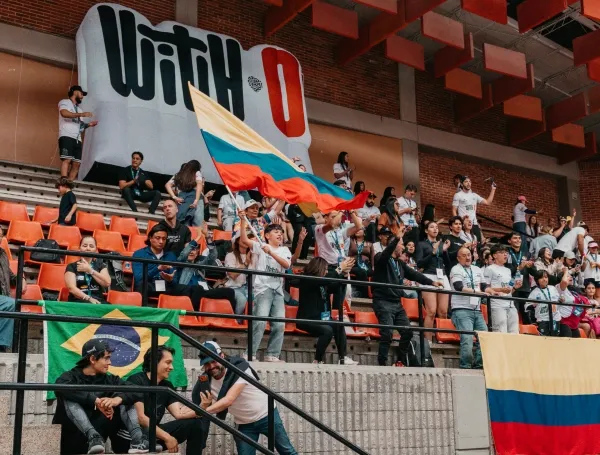
Colombia has officially signaled its intent to become a regional powerhouse in the rapidly expanding world of pickleball. The inaugural Colombia Open Exhibition, a landmark tournament held this week, brought together elite delegations from 12 American nations, culminating in a thrilling victory for the host nation against a formidable Brazilian squad. As the sport transitions from a niche hobby to a global phenomenon, the success of this event marks a pivotal moment for athletic infrastructure and community development across Latin America.
The Tournament: A Display of Regional Talent
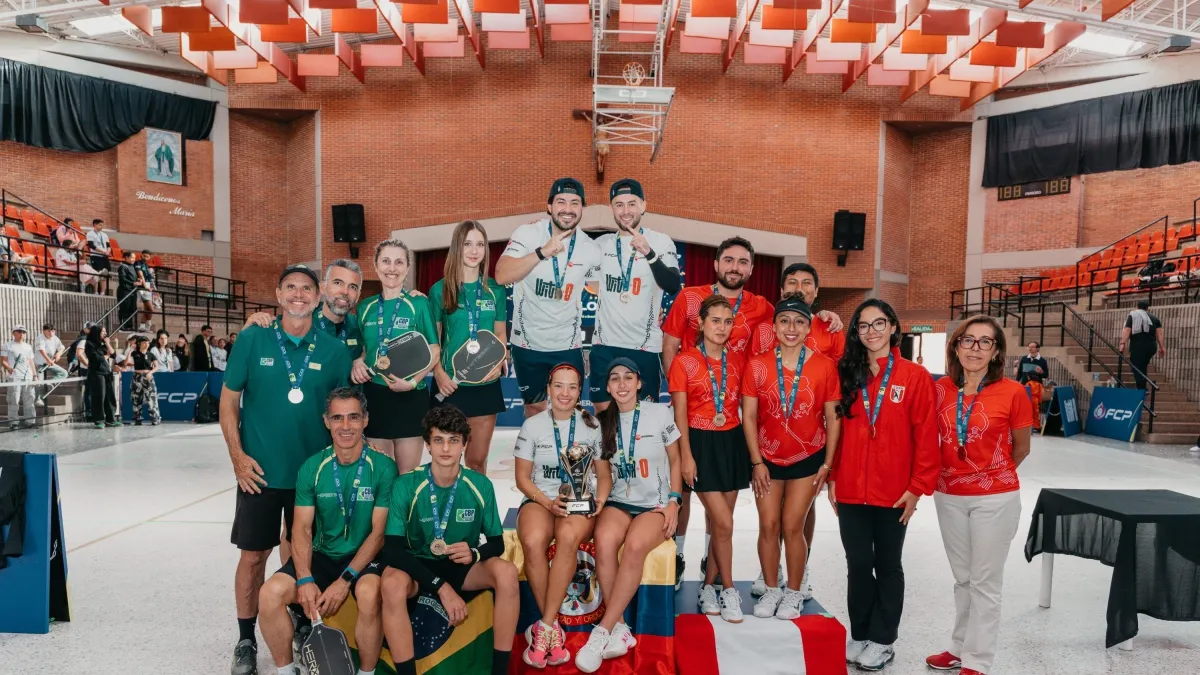
The Colombia Open Exhibition was more than just a series of matches; it was a demonstration of the growing technical proficiency of Latin American athletes. Organized by the Futuro Colombiano de Pickleball (FCP), the event served as a crucible for competition, drawing participants from Argentina, Bolivia, Brazil, Chile, Costa Rica, Ecuador, Mexico, Paraguay, Peru, Uruguay, Venezuela, and the host, Colombia.
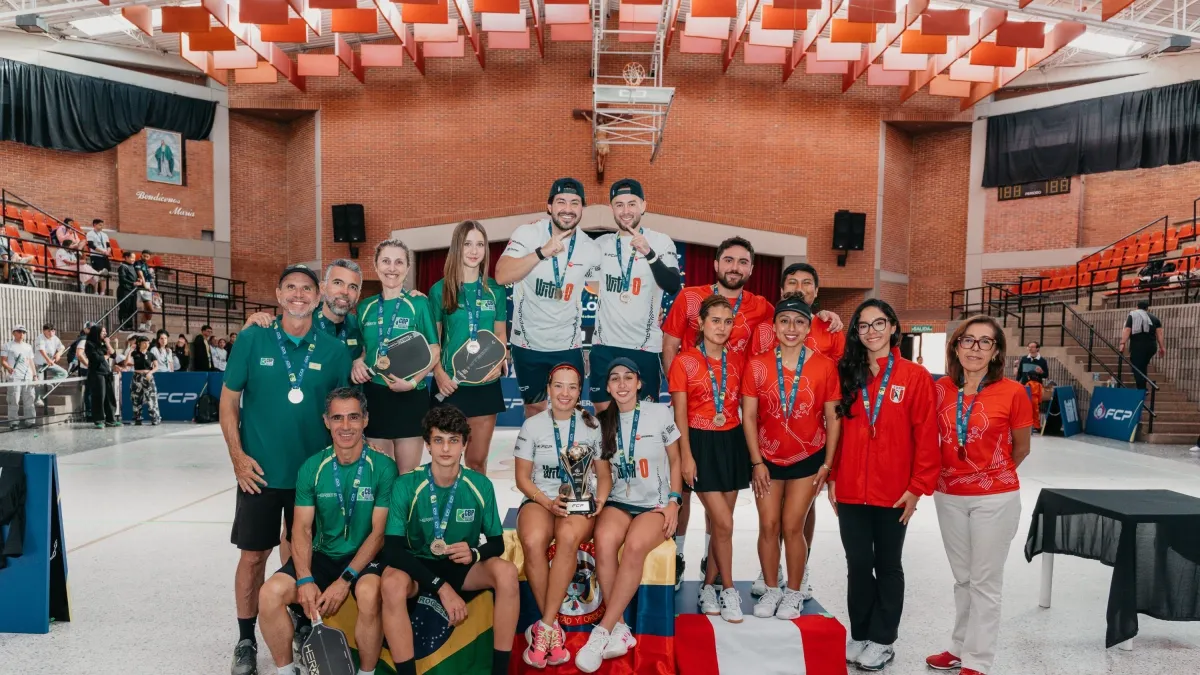
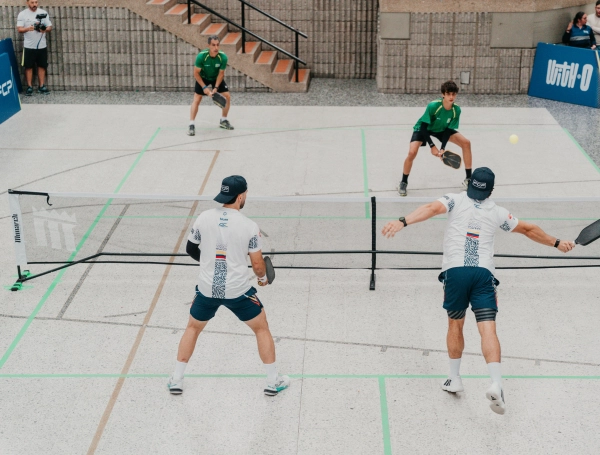
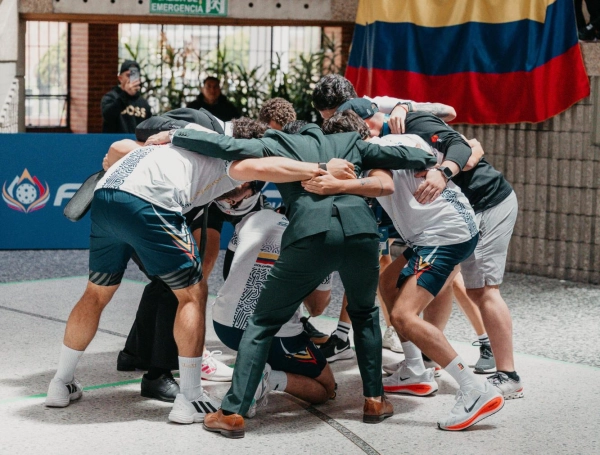
The final match against Brazil was the highlight of the tournament, showcasing the intense rivalry and high-level play that the sport is beginning to command. For Colombia, clinching the title on home soil provides the necessary momentum to elevate the sport’s profile in the national consciousness. The victory was a validation of the rigorous training and strategic focus implemented by the FCP over the past year.

A Strategic Vision: Building the Foundation of a Sport
While the trophy was the immediate prize, the true objective of the FCP is far more ambitious. Juan Pico, president of the organization, outlined a roadmap that extends well beyond the boundaries of a single tournament.
"This event is the beginning of a story we are writing with the sports community, the public sector, and private investors," Pico remarked. "We believe in Colombia’s potential to be a regional leader. Pickleball offers a unique blend of physical activity and social inclusion that transcends age barriers, making it an ideal tool for public health and community development."

The FCP’s most striking proposal is an infrastructure plan to construct 5,000 pickleball courts across Colombia within the next five years. This "infrastructure-first" approach is designed to create a self-sustaining ecosystem where the sport can thrive without reliance on temporary exhibition events. By prioritizing accessible, high-quality playing surfaces, the organization aims to democratize the sport, ensuring that it reaches rural communities as well as urban centers.
Lessons from Brazil: The Importance of Technical Infrastructure
The decision to partner with Brazilian experts was deliberate. Brazil has spent the last few years refining its own model for "sport massification," focusing on the synergy between training programs and facility management.
Rodolfo Gallego, the tournament director and a key ally of the FCP, emphasized that the growth of pickleball cannot rely on enthusiasm alone. "We want to share what we have learned in Brazil with our Colombian partners," Gallego stated. "To scale this sport, you need more than just players. You need dedicated courts, coaching certification, community hubs, and a regulatory framework. The goal is for Colombia to adapt this model to its own unique landscape so that the sport remains sustainable and inclusive."
The "Brazilian Model" focuses on removing barriers to entry. By investing in the physical infrastructure of the game, Brazil has seen a surge in participation among younger demographics, a trend that Colombia is now aggressively looking to replicate through its new partnership with the FCP.
Integrating Youth: The Social Component
The tournament’s programming was notable for its commitment to the next generation. Beyond the professional exhibition matches, the organizers held "sports clinics" specifically designed for children and young adults.
These sessions, supported by corporate sponsors like With O and the U.S.-based technology firm Fox Ordering, focused on the technical fundamentals of the game, including paddle control, court positioning, and scoring. By introducing the sport in an educational, non-pressured environment, the FCP is effectively building a "pipeline" of talent. These clinics were instrumental in the tournament’s mission to frame pickleball not just as a professional sport, but as a lifelong hobby that promotes long-term physical health.
Global Context: A Sport in Exponential Growth
To understand the significance of the Colombia Open Exhibition, one must look at the global trajectory of pickleball. The sport, which expertly blends elements of tennis, badminton, and table tennis, has evolved from an American recreational pastime into a global industry.
According to the Sports & Fitness Industry Association (SFIA), the numbers are staggering: in the United States alone, the number of participants exploded from 4.2 million in 2020 to 24.3 million in 2025. This 500% increase in five years has created a "trickle-down" effect throughout the Americas.

The sport’s appeal lies in its low barrier to entry. Unlike tennis, which often requires years of technical coaching to reach a recreational level, pickleball is famously "easy to learn but hard to master." This characteristic is exactly what the FCP is betting on to capture the interest of the Colombian public. As international investment continues to pour into the sport, Colombia is positioning itself to be the primary gateway for pickleball in the Andean region.
Economic and Social Implications
The integration of the public and private sectors in this initiative points to a broader economic strategy. The construction of 5,000 courts is a massive civil engineering project that will require local labor, materials, and long-term maintenance contracts. If successful, this initiative will generate jobs, increase property values in areas where courts are built, and create a recurring demand for equipment, training, and event management.

Furthermore, from a social perspective, the sport offers a solution to the growing crisis of sedentary lifestyles. By providing a low-impact, high-intensity aerobic exercise option that is accessible to the elderly as well as the youth, pickleball serves as a versatile tool for public health policy.
Conclusion: The Road Ahead
The Colombia Open Exhibition has proven that the appetite for pickleball in Latin America is real and growing. However, the path from a successful tournament to a national sporting movement is paved with challenges, including land acquisition for infrastructure, the professionalization of coaching, and the continued support of corporate sponsors.

With the victory over Brazil and a clearly defined five-year plan, the Futuro Colombiano de Pickleball has set a high bar for itself. The world is watching to see if Colombia can turn this momentum into a permanent cultural shift. As the final balls were hit and the teams departed, one thing remained clear: the pickleball revolution has officially arrived in Colombia, and it is here to stay.
This content was prepared with the assistance of artificial intelligence and reviewed by a professional journalist to ensure accuracy and adherence to editorial standards.