By Edwin Caicedo, Environment and Health Correspondent
Updated: July 22, 2026
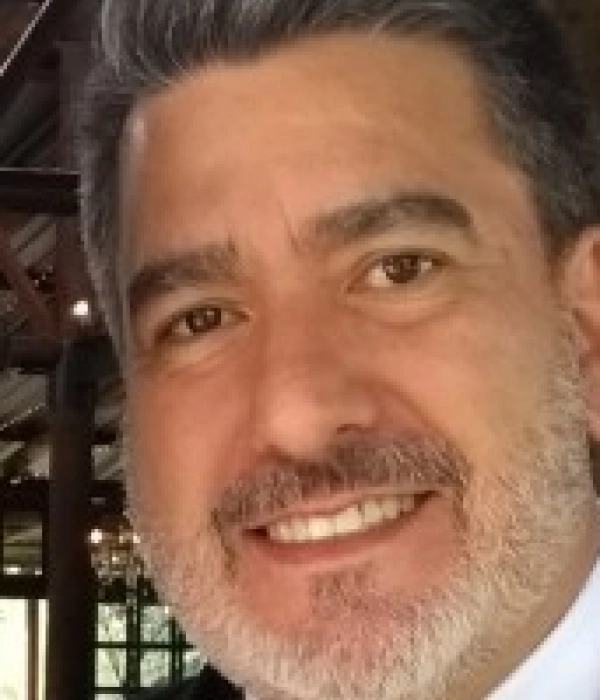
In a move that signals a pivot toward technical expertise amidst a period of extreme environmental volatility, President-elect Abelardo de la Espriella has announced the appointment of David Santiago Tamayo Roldán as the new director of the National Unit for Disaster Risk Management (UNGRD). The appointment comes at a watershed moment for Colombia: the nation stands on the precipice of a forecasted "Super Niño" climate event for 2026-2027, and the institution itself is reeling from a succession of corruption scandals that have eroded public trust.
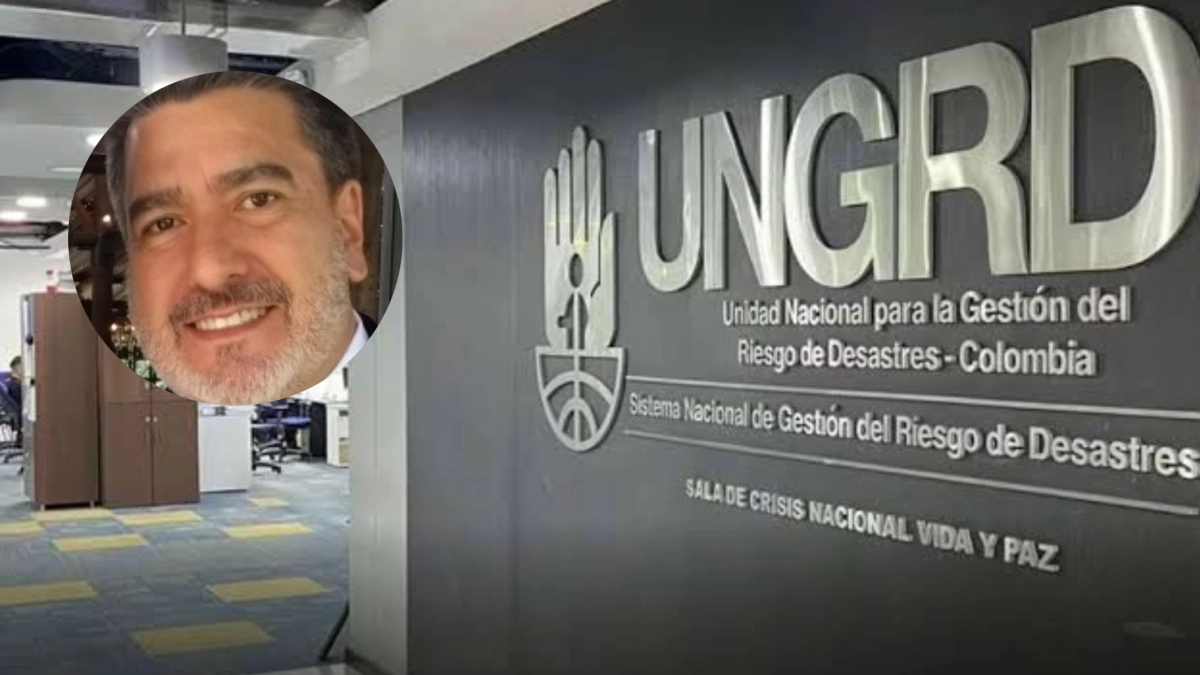
The selection of Tamayo, an Antioquian geological engineer with a master’s degree in risk management from the University of Antioquia, is widely seen as an attempt to professionalize an entity that had become a lightning rod for political controversy.
The Weight of the Mandate: Beyond the Scandal
The UNGRD is the linchpin of Colombia’s civil protection architecture, responsible for coordinating regional authorities, disaster relief agencies, and technical institutes to mitigate the impact of natural and man-made hazards. However, the agency’s reputation was severely compromised during the previous administration, characterized by investigations into the misappropriation of emergency funds.

During his announcement at an official transition meeting in Antioquia, President-elect De la Espriella was blunt about the state of the agency he inherited. "The new director will be David Santiago Tamayo Roldán, a man of impeccable credentials and integrity. He is tasked with cleaning up this nest of thieves and restoring the mission-critical function of the institution," the President-elect declared.
For Tamayo, the challenge is twofold: he must simultaneously conduct a forensic internal audit to restore institutional credibility and mobilize the state’s resources to prepare for one of the most significant climate threats in recent history.

Chronology of a Crisis: The Path to the "Super Niño"
The necessity for a technically adept leader is underscored by the dire meteorological forecasts currently circulating within the scientific community.
- Late 2025: Colombia witnessed a staggering spike in forest fires, with over 4,100 active blazes recorded in December alone—nearly triple the volume of the previous year.
- Early 2026: Scientific agencies confirmed the atmospheric conditions that signal the onset of a new, potentially historic El Niño event.
- Mid-2026: As the transition of government takes place, the country is already battling persistent water shortages in key agricultural hubs like Valledupar and Natagaima, where temperatures have regularly pushed toward 40°C.
- 2026-2027 Outlook: Meteorological models suggest that the coming El Niño will be classified as "strong" or "very strong," potentially reaching "Super Niño" status, which would threaten the nation’s energy grid, food security, and water supply.
A Technical Profile for a High-Stakes Role
Unlike some of his predecessors, who were primarily political appointees, David Tamayo enters the UNGRD with a resume steeped in geosciences. His career has been defined by the granular study of physical threats: landslides, mass movements, torrential flooding, and seismic risk.
In a country where geography is both a gift and a recurring threat, Tamayo’s background in geological engineering is being hailed by the scientific community as a return to evidence-based governance. "His capacity to translate technical seismic and hydrological data into public policy will be the differentiator in whether Colombia suffers a catastrophe or manages a crisis," noted one senior climate advisor.
The Debate: Reform vs. Dismantling
While the President-elect previously hinted at the possibility of abolishing the UNGRD during his campaign, the appointment of a specialist suggests a shift in strategy toward reorganization rather than total dissolution. This, however, has sparked intense debate among policy experts.
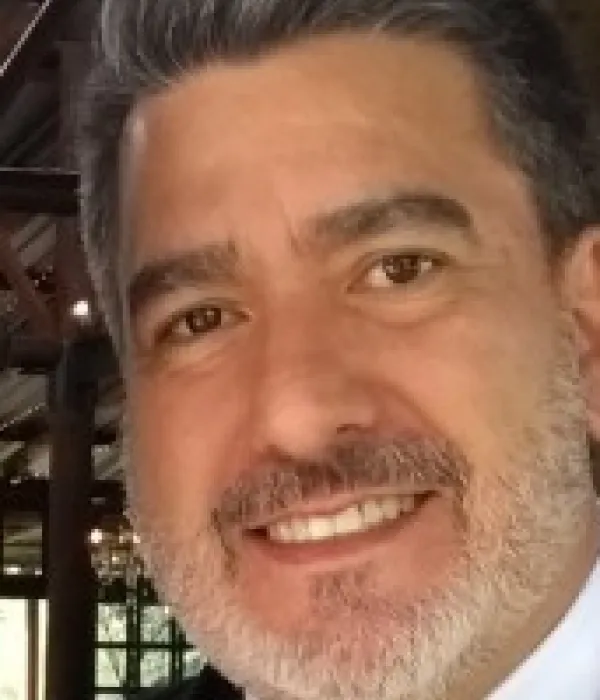
Juan Carlos Orrego, former deputy director of the UNGRD (2018-2020) and current head of the Colombia Sin Desastres Corporation, has warned against a hasty dismantling of the agency. "The discussion should not be about whether the UNGRD stays or goes, but about the nature of the institutional capacity required to face increasingly complex threats," Orrego explained.
Orrego argues that fragmentation—breaking the agency into smaller, less powerful units—could be a catastrophic error. "A true reform does not consist of dismembering what has been built over decades. It requires building a new generation of risk management policies that integrate climate change adaptation into the very fabric of national planning," he stated.
Supporting Data: The Human and Economic Cost
The stakes are not merely bureaucratic; they are human. According to data recently cited by the Office of the Ombudsman (Defensoría del Pueblo), approximately 12 million Colombians are currently facing moderate to severe food insecurity. This precarious situation is highly sensitive to the agricultural volatility that accompanies severe drought.
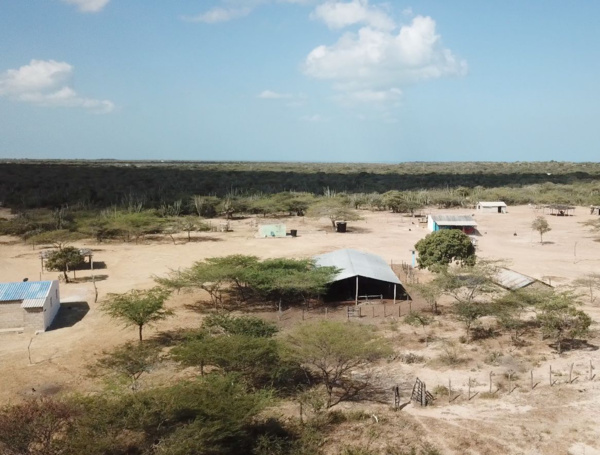
The economic implications are equally grave. A "Super Niño" event puts significant pressure on the national power grid, as Colombia remains heavily dependent on hydroelectric generation. Low water levels in reservoirs, combined with increased demand for electricity during heatwaves, create a perfect storm for potential energy rationing and inflation in basic food items.
The Path Forward: Strategic Priorities
As Tamayo assumes his office, his immediate priorities will be subject to intense public and media scrutiny:
- Immediate Infrastructure Strengthening: Reviewing the current status of early warning systems and disaster prevention infrastructure in high-risk zones, particularly in the Andean and Caribbean regions most susceptible to drought.
- Transparency and Audit: Implementing strict oversight mechanisms for emergency contracting. This will be the litmus test for whether the "cleaning" of the institution is genuine or merely cosmetic.
- Cross-Sector Coordination: Building a functional bridge between the UNGRD and the Ministry of Agriculture, the Ministry of Energy, and local mayoralties to ensure a synchronized response to the climate-induced threats of 2026.
- Long-term Institutional Resilience: Drafting a proposal for the restructuring of the agency that preserves its operational independence while ensuring it is shielded from the political patronage that led to its previous failures.
Conclusion: A Test of State Capacity
The arrival of David Santiago Tamayo at the UNGRD represents a definitive attempt by the incoming government to pivot toward professionalism in a sector where failure carries a heavy price.
As the country braces for the 2026-2027 climate cycle, the question remains whether a reorganized UNGRD can move fast enough to protect its most vulnerable citizens. For the residents of the municipalities already struggling under record heat, the academic credentials of the new director matter less than his ability to deliver concrete results in the face of an unpredictable climate.
The "Super Niño" will be the ultimate trial for the new director. It will test not only the integrity of his administration but the viability of the state’s approach to disaster management in an era where climate extremes are becoming the new norm. Whether this appointment marks the beginning of a renewed, resilient era for the UNGRD or another chapter of political theater will be determined in the coming months, as the heat rises and the nation turns its eyes to the skies.