By Jhoan Sebastián Cote – Justice Desk
Updated: July 20, 2026
Introduction: A Crisis of Execution
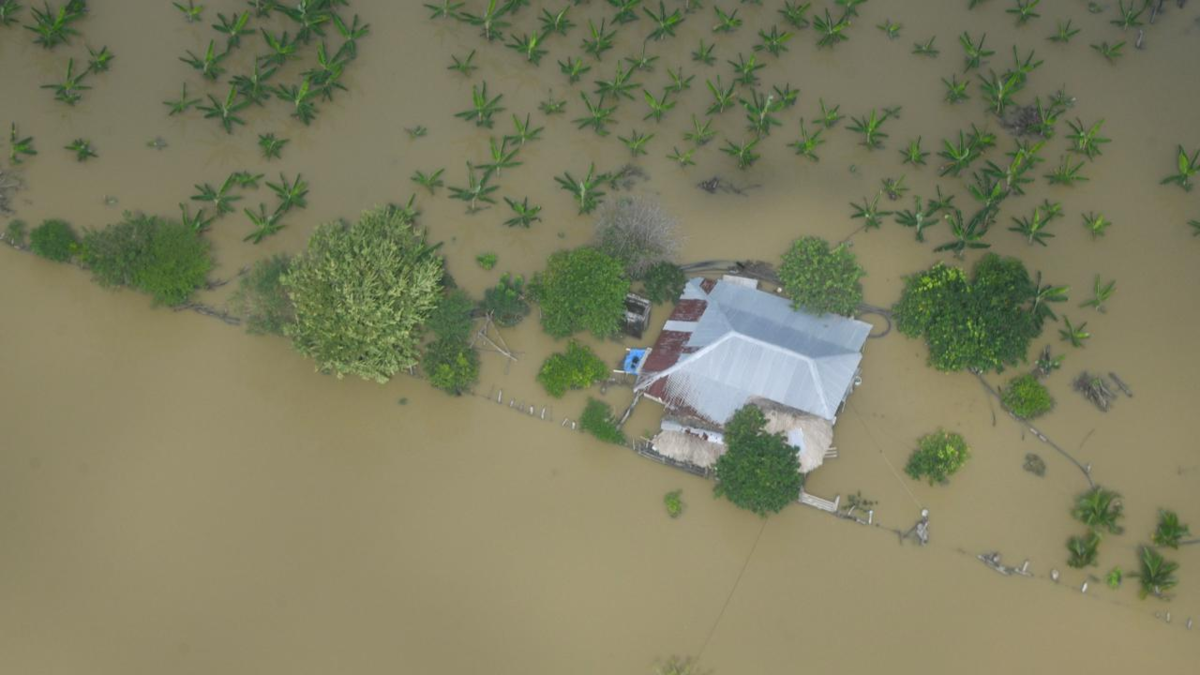
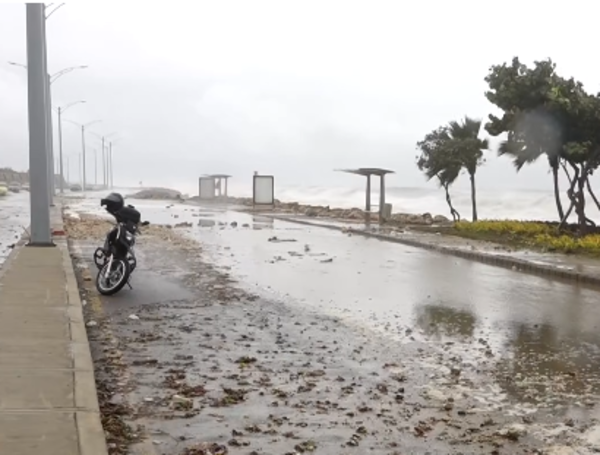
In early 2026, Colombia faced one of its most harrowing climate emergencies in recent memory. A severe "cold front" swept across 17 departments, triggering catastrophic flooding that submerged over 12,000 hectares of land and left more than 250,000 citizens in a state of desperate vulnerability. In response, the government of Gustavo Petro declared a formal state of emergency, a move that authorized the implementation of aggressive new tax measures designed to generate the capital necessary for immediate relief.
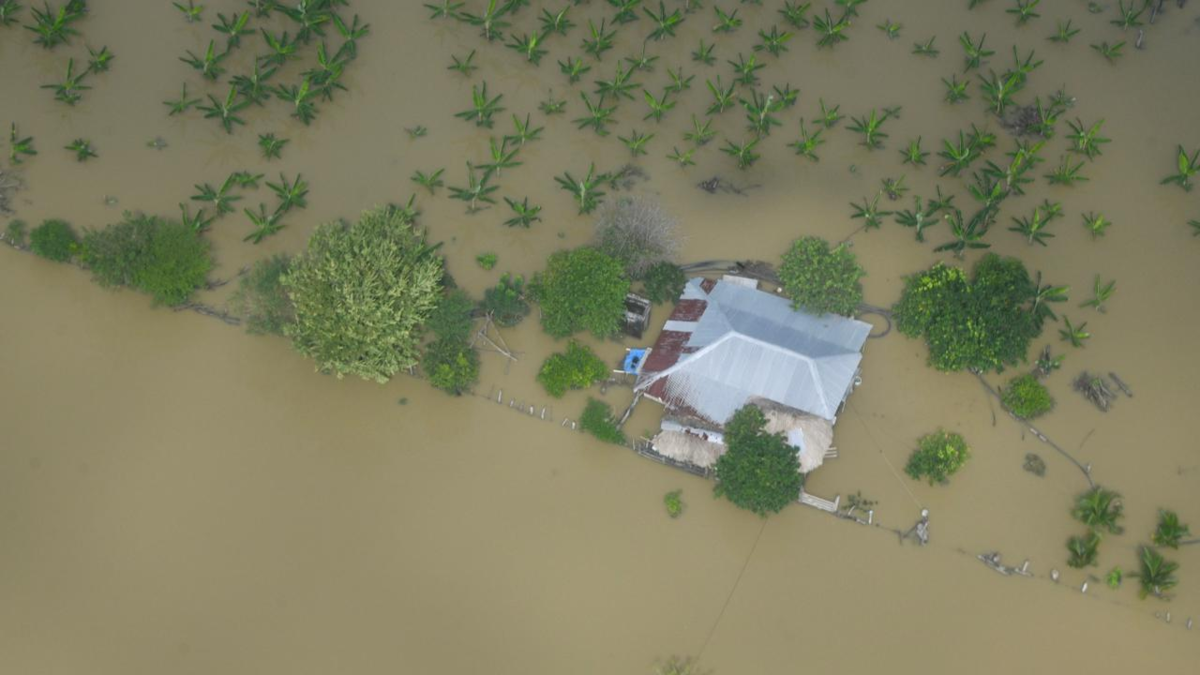
However, five months later, a chilling report from the Office of the Comptroller General (Contraloría General de la República) has exposed a massive administrative failure. Despite the successful collection of nearly $7.5 trillion COP in emergency tax revenue, the actual impact on the ground has been described by oversight authorities as "practically null." While the coffers were filled, the victims—the families who lost their homes, crops, and livelihoods—have seen little of the promised support.
A Chronology of Neglect
The timeline of the 2026 cold front emergency reveals a stark disconnect between high-level policy announcements and grassroots reality.

- February 2026: The cold front reaches its peak intensity. The government declares a state of emergency, citing the need for extraordinary fiscal powers to protect 100,000 families.
- March – April 2026: New tax decrees (173 and 240 of 2026) are enacted. The collection of the "emergency tax" begins, with the state projecting a total intake of $8.68 trillion COP.
- May 2026: The National Unit for Disaster Risk Management (UNGRD) publishes a report claiming the distribution of 1,270 tons of humanitarian aid, including food kits, bedding, and water supplies.
- July 2026: The Comptroller’s office releases a comprehensive audit revealing that of the $7.5 trillion collected, only 16% has been executed, with the vast majority of that spending limited to administrative contracts rather than direct aid.
The Anatomy of the Budget: Where Did the Money Go?
The Comptroller’s audit provides a granular look at the financial performance of these emergency measures. The state reached 87.5% of its collection goal, gathering $7.59 trillion. The composition of this revenue was heavily reliant on the "Wealth Tax" ($5 trillion), while other sources performed unexpectedly well: income tax contributions reached $1.39 trillion (259% of the projection) and VAT collections surged to $1.13 trillion (566.9% of the projection).
Yet, when the focus shifts from collection to execution, the narrative turns grim. The primary recipient of these funds was the UNGRD, which was allocated $6.34 trillion. Despite the entire amount being "committed" on paper, only $1.35 trillion has actually been spent. This represents a dismal 21% execution rate five months into the crisis.

Sector-Specific Failures
The audit highlights a deep inequality in how various state agencies handled their emergency budgets:
- The Agricultural Sector: One of the few success stories, with an execution rate of 73% of its $1.69 trillion allocation.
- School Feeding Programs (UAPA): Showed moderate success with a 54% execution rate.
- The "Zero Execution" Zone: Sectors vital to infrastructure and recovery, including Transport (Invías), Environment, Education, and Housing, reported billions in committed funds but zero actual obligations executed.
Official Responses and the "Administrative Mirage"
The UNGRD has defended its performance by citing the sheer volume of logistics involved in disaster relief. In a statement provided to this publication, the agency emphasized that it had delivered over 475,000 units of aid, including hamacas, cooking kits, and over two million liters of water via tanker trucks.
However, Jenny Lindo, the Comptroller’s delegate for Public Finance, argues that these figures mask a deeper structural failure. "The problem is not that the citizens failed to pay their taxes," Lindo noted in an interview. "The problem is that the National Government has not executed what it was required to execute. These resources are sitting in the budgets of these entities without being implemented. The money is there, but it hasn’t reached the victims."
Lindo further clarified that the 16% of executed funds largely represent "administrative efforts"—meaning contracts, legal fees, and office expenditures—rather than the reconstruction of schools, roads, or housing for those affected.

Implications for the New Administration
As Colombia undergoes a transition in leadership, with the incoming government of Abelardo De La Espriella preparing to take office, the audit serves as a sobering mandate. The Comptroller’s office has signaled that one of the first and most urgent tasks for the new administration will be a total overhaul of the action plan for disaster recovery.
The urgency cannot be overstated. "The clock has been ticking against us for months," Lindo warned. "The victims are still in the territories, their lives remain disrupted, and this situation cannot wait any longer."

The failure to distribute funds to municipal and regional entities has left local mayors and governors without the fiscal tools to respond to the lingering effects of the cold front. This has created a "bottleneck" effect: the national government holds the purse strings, but the lack of decentralization and bureaucratic inertia has prevented the money from trickling down to the municipal level where it is needed most.
Conclusion: A Crisis of Governance
The 2026 climate emergency has become more than just a weather-related tragedy; it has become a case study in the perils of poor fiscal execution. The data provided by the Comptroller’s office paints a picture of a state that is efficient at taxing but ineffective at governing.

The disparity between the billions of pesos "appropriated" and the reality on the ground—where families continue to live in the aftermath of floods without permanent housing or economic restoration—reveals a profound gap in the state’s social contract. For the thousands of families still waiting for help, the "emergency tax" has not been a solution, but a testament to the administrative paralysis that continues to plague the nation’s disaster response mechanisms.
As the new administration prepares to assume power, the message from the oversight bodies is clear: the state must move beyond the signing of contracts and the earmarking of funds. It must pivot toward tangible, measurable, and immediate impact for the citizens it was sworn to protect. The resources were provided by the people; the obligation to use them effectively rests solely with the state.