By Laura Lesmes Díaz
Economic Correspondent
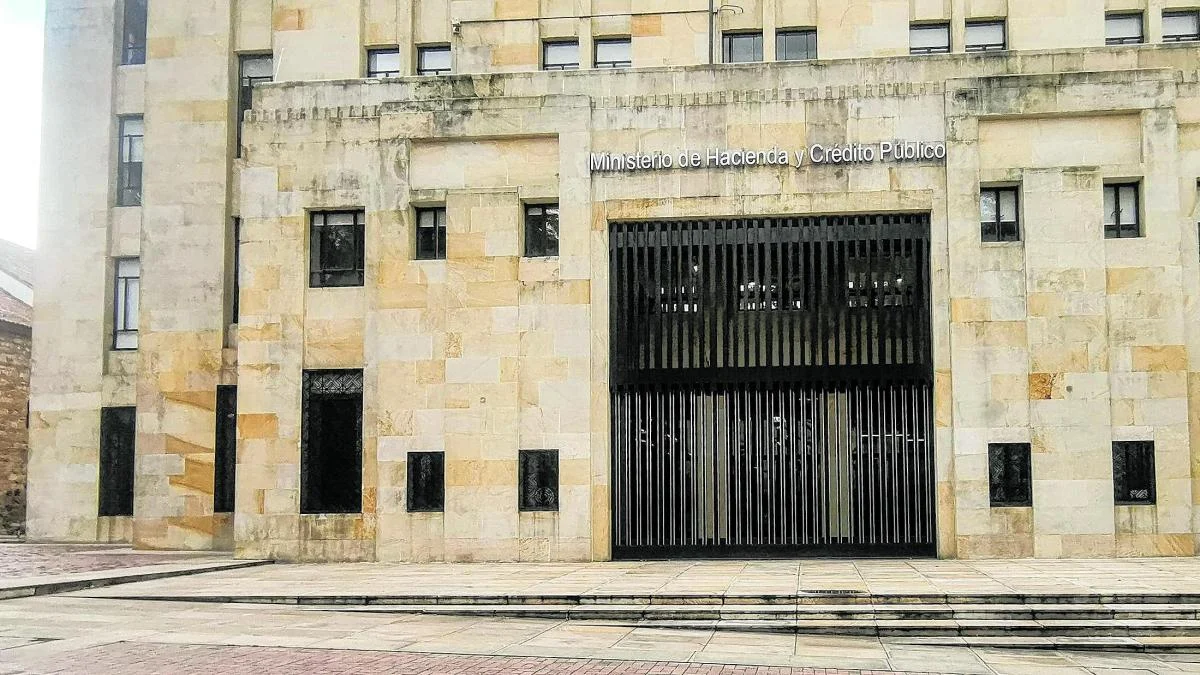
BOGOTÁ, July 20, 2026 – As the transition period for the incoming administration of President-elect Abelardo De La Espriella gains momentum, the architecture of the nation’s economic steering committee has reached a significant milestone. In a move widely interpreted by market analysts as a signal of fiscal responsibility and institutional continuity, the President-elect has tapped two highly respected experts to serve as the pillars of the Ministry of Finance and Public Credit.
Juan Sebastián Betancur Mora and Andrés Quevedo Caro are set to join the designated Minister of Finance, Miguel Gómez Martínez, forming a triumvirate tasked with navigating the country through a complex landscape of sluggish growth, mounting public debt, and the urgent necessity for structural fiscal reform.
The Strategic Appointments: A Commitment to Technical Rigor
The designation of the new ministerial team arrives at a critical juncture. With the administration preparing to assume power, the appointments of Betancur and Quevedo are not merely procedural; they are strategic decisions aimed at calming investor anxiety and providing a roadmap for fiscal consolidation.

Miguel Gómez Martínez, a veteran of public service, academia, and diplomacy, was one of the first cabinet members named by De La Espriella. His selection signaled a desire for a "steady hand" to lead the treasury. By adding Betancur—a former director at the Autonomous Committee for the Fiscal Rule (CARF)—and Quevedo to his team, Gómez Martínez is signaling that the upcoming economic agenda will be rooted in empirical data and international best practices rather than populist maneuvering.
Chronology of the Transition: From the CARF to the Ministry
The path to these appointments was set in motion earlier this month. The key movements are as follows:

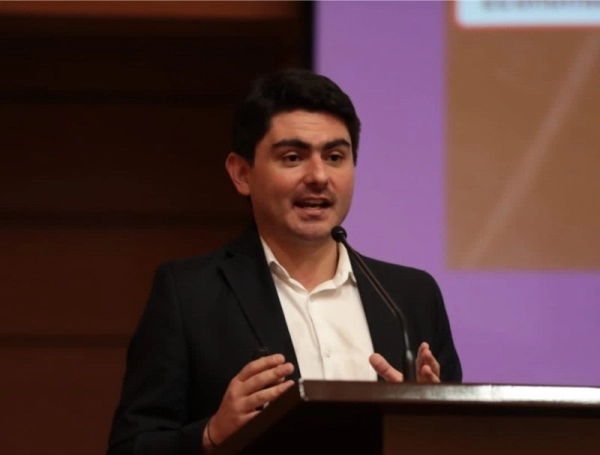
- July 9, 2026: Juan Sebastián Betancur leads the presentation of a sobering report on Colombia’s fiscal health, highlighting the structural deterioration of public accounts and the risks posed by the current debt trajectory.
- July 10, 2026: The Autonomous Committee for the Fiscal Rule (CARF) officially announces the resignation of Betancur as Technical Director, thanking him for his stewardship of the agency’s analytical framework.
- July 15, 2026: Internal discussions within the De La Espriella transition team intensify regarding the need for a technical counterweight to potential political pressures in the cabinet.
- July 20, 2026: Formal communication emerges confirming the roles of Betancur as Deputy Minister of Technical Affairs and Quevedo as General Deputy Minister, marking the solidification of the Finance Ministry’s upper echelon.
Supporting Data: The Challenge Ahead
The incoming economic team inherits a fiscal scenario that has been under intense scrutiny by both domestic and international observers. The report recently presented by Betancur before his departure from the CARF serves as the baseline for the new government’s challenges.
According to the committee’s findings, the country’s public debt has reached levels that leave little room for maneuver. The report explicitly warned that without "structural measures," the government will struggle to meet the requirements of the Fiscal Rule—a legal framework designed to keep the deficit in check and ensure long-term sustainability.
Key Metrics for the Incoming Administration:
- Debt-to-GDP Ratio: A persistent concern that requires a delicate balance between social investment and fiscal discipline.
- Structural Deficit: The gap that the new administration must address through either spending cuts or tax efficiency measures.
- Market Confidence: As evidenced by recent currency volatility, investors are looking for clear signals that the government will respect the independence of the Central Bank and the sanctity of the fiscal rule.
Betancur’s background is particularly well-suited for these challenges. With seven years of previous experience in the Ministry of Finance, including roles as Director General of Macroeconomic Policy and Subdirector of Fiscal Policy, he is intimately familiar with the machinery of the state. Furthermore, his tenure at the International Monetary Fund (IMF) as an alternate executive director for Colombia provides him with the international credibility required to engage with multilateral organizations during potential debt restructuring or credit line negotiations.
Professional Profiles: The Architects of the New Agenda
Juan Sebastián Betancur: The Fiscal Specialist
Betancur is a product of the highest echelons of economic education. An economist and Master of Economics from the Universidad de los Andes, he later obtained a Master’s degree in Public Administration and Economic Policy Management from Columbia University’s School of International and Public Affairs (SIPA).
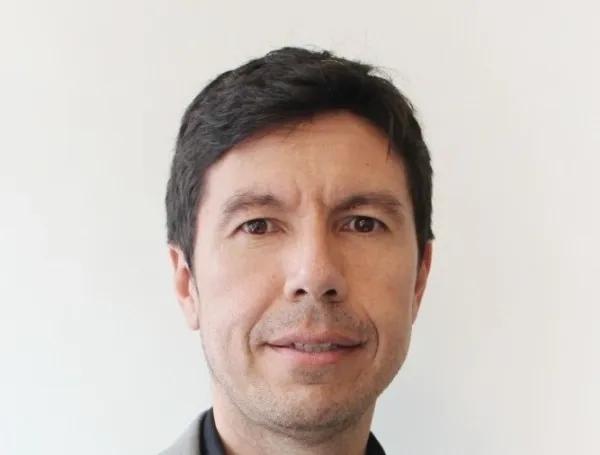
His career is characterized by a blend of academic rigor and practical policy application. Beyond his time at the Ministry and the CARF, he has been an essential voice at Fedesarrollo—Colombia’s leading economic think tank—and has contributed to the analytical output of the United Nations Development Programme (PNUD). His reputation as a "technocrat’s technocrat" is expected to be a pillar of stability for the incoming government.
Andrés Quevedo Caro: The General Deputy Minister
While Betancur focuses on the technical intricacies of macroeconomics and fiscal sustainability, Andrés Quevedo is expected to oversee the day-to-day operations and general coordination of the Ministry. His role as General Deputy Minister is critical for navigating the legislative hurdles that any fiscal reform will face in the National Congress. Quevedo’s appointment suggests a focus on operational efficiency and inter-institutional coordination, ensuring that the Ministry’s technical goals are translated into actionable public policy.

Implications for the Economic Landscape
The appointment of this team has profound implications for the Colombian economy. Firstly, it indicates that the De La Espriella administration is prioritizing a "technical-first" approach. This is intended to mitigate the risks associated with the high uncertainty of a transition period.
Secondly, the presence of these individuals at the Ministry of Finance suggests that future tax reforms will be analyzed through a prism of efficiency and long-term sustainability rather than short-term political gains. Analysts suggest that the new team will likely focus on:

- Rationalizing Public Spending: Moving away from broad subsidies toward more targeted, evidence-based social interventions.
- Debt Management: Working with international creditors to optimize the country’s debt profile and lower interest costs.
- Infrastructure Financing: Given the current economic climate, finding creative ways to continue essential infrastructure development while staying within fiscal limits will be a top priority for the new Deputy Ministers.
Official Responses and Market Reaction
While the President-elect’s office has remained relatively tight-lipped, pending the final announcement of the entire cabinet, sources close to the transition confirm that the appointments were made after an exhaustive vetting process.
"The goal," said a source familiar with the transition team, "is to have a cabinet that understands that the economy is not just about numbers, but about the livelihoods of millions. However, we also understand that without fiscal order, there can be no sustainable progress. Betancur and Quevedo are the bridge between these two realities."

The business community and market participants have responded with guarded optimism. Financial analysts note that the return of seasoned civil servants like Betancur to the Ministry is a positive signal for credit rating agencies, which have been closely monitoring Colombia’s fiscal stance.
Conclusion: A Difficult Road Ahead
The administration of Abelardo De La Espriella faces a daunting task. The macroeconomic headwinds—including global inflation, shifting commodity prices, and domestic fiscal constraints—are formidable. However, by surrounding Miguel Gómez Martínez with experts who possess deep knowledge of both the domestic fiscal landscape and the international financial system, the President-elect has taken a decisive step toward stabilizing the ship of state.

The success of these appointments will ultimately be measured by their ability to translate these technical qualifications into concrete policy outcomes. As the inauguration approaches, all eyes will be on how this new economic team balances the urgent demand for social progress with the cold, hard requirements of fiscal responsibility.
The appointment of Betancur and Quevedo is a clear indication that the incoming administration is not underestimating the magnitude of the economic challenges it inherits. Whether this "technical dream team" can steer Colombia toward sustainable growth remains the defining question of the transition.