The global smartphone market is currently standing on the precipice of its most significant transformation in half a decade. As we approach the final quarter of 2026, the industry is moving beyond mere hardware iterations, shifting its focus toward a deep, native integration of Artificial Intelligence (AI), radical thermal management, and a reconfiguration of mobile photography. From Cupertino to Seoul, major manufacturers are preparing to launch devices that promise to redefine user interaction, processing efficiency, and long-term durability.
The Vanguard of Innovation: A Chronology of Upcoming Launches
The roadmap for the remainder of 2026 and the dawn of 2027 is dense with anticipation. The industry cycle, which usually sees a steady rhythm of releases, is currently accelerating to meet the demands of a tech-savvy consumer base seeking "future-proof" hardware.
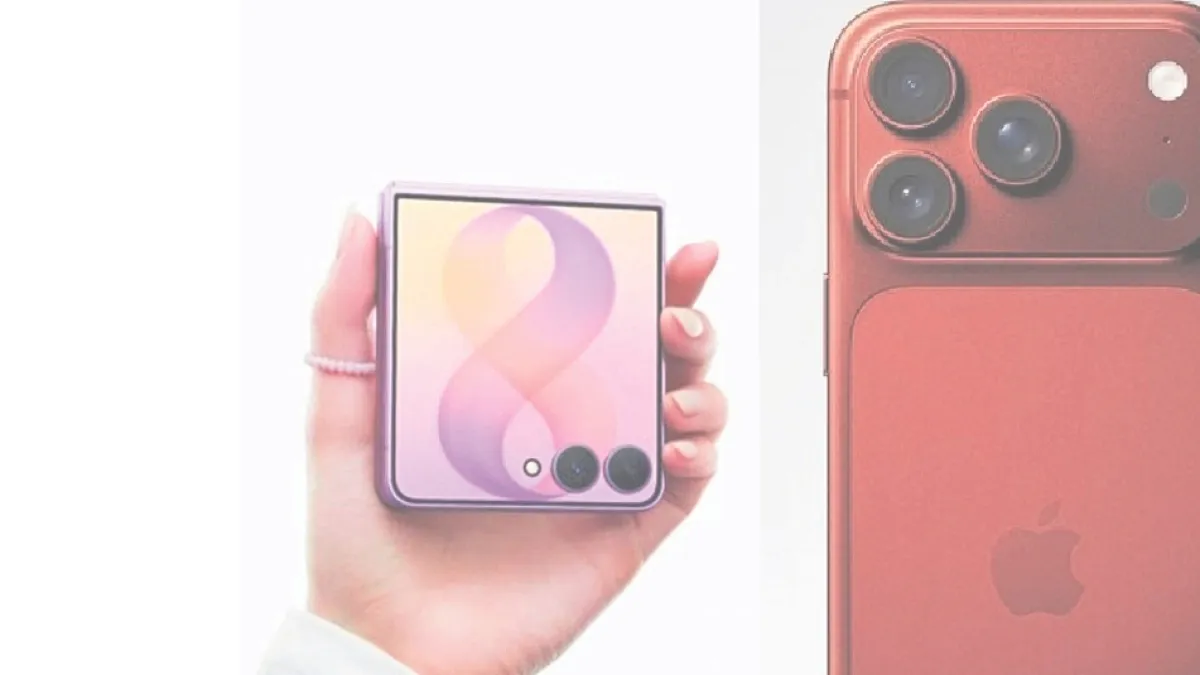
- July 22, 2026: Samsung’s Galaxy Unpacked event. This marks the global debut of the eighth-generation foldable lineup, including the Galaxy Z Fold 8, the high-end Z Fold 8 Ultra, and the consumer-favorite Z Flip 8.
- August 12, 2026: Google’s Made by Google event. The spotlight will be on the Pixel 11 family, introducing a new architecture for the Tensor series that promises to challenge the efficiency levels of its silicon competitors.
- September 2026: Apple’s traditional autumn event. The highly anticipated launch of the iPhone 18 series, featuring the A20 Pro chipset, is expected to set the benchmark for the next fiscal year.
- Late 2026 – Early 2027: The aggressive rollout of the Xiaomi Redmi 17 series, targeting the mid-range market with record-breaking battery capacities.
Apple’s Strategic Pivot: The iPhone 18 and the Era of 2nm Processing
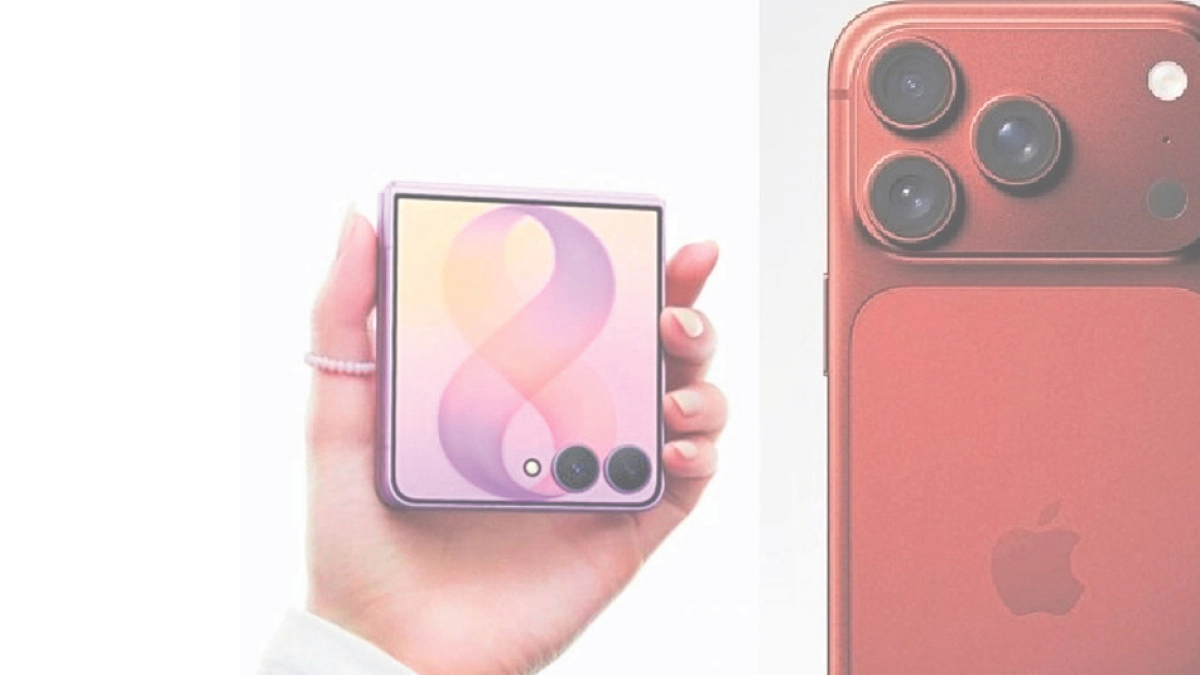
Apple continues to dictate the pace of the premium market. The upcoming iPhone 18 Pro and 18 Pro Max are not merely upgrades; they represent a fundamental change in how Apple handles thermal dynamics. The introduction of the A20 Pro processor, built on a cutting-edge 2-nanometer (nm) process, is the centerpiece of this strategy.
Thermal Engineering and Performance
The move to 2nm architecture is not just about raw clock speed; it is about density and efficiency. By packing more transistors into a smaller surface area, Apple is combatting the "thermal throttling" that often plagued previous high-performance models. Coupled with a new thermal packaging design, the A20 Pro is expected to sustain peak performance for longer durations, which is critical for local AI inference—the process of running AI models directly on the device rather than the cloud. Furthermore, the integration of 12GB of RAM represents a necessary leap to accommodate the heavy memory footprint of modern generative AI features.
The Evolution of the Display and Optics
The "Dynamic Island," which has become an iconic feature of modern iPhones, is set for a 25% reduction in size. This has been achieved by moving the Face ID infrared sensors beneath the display panel. Perhaps more exciting for photography enthusiasts is the hardware-level change to the camera systems. Apple is reportedly introducing a true variable aperture system. Unlike digital software blurring, this physical mechanism will allow the camera to mechanically adjust the iris to control light intake, effectively bringing professional-grade aperture control—typically reserved for DSLRs—to the pocket.
Samsung’s Foldable Supremacy: Refining the Form Factor
Samsung remains the undisputed leader in the foldable space, and the Z Fold 8 series aims to address the common complaints regarding screen geometry and crease visibility.

The Ultra Ambition
The introduction of the "Z Fold 8 Ultra" signifies Samsung’s intent to dominate the professional productivity market. By utilizing the Snapdragon 8 Elite Gen 5 processor, the device is designed to handle complex multitasking, such as running three active windows while processing real-time AI translations or document summarization. The "ultra-thin" design when closed is a major engineering feat, aimed at reducing the bulk that has previously discouraged casual users from adopting foldable technology.
Addressing the Consumer Market
The standard Z Fold 8 will feature a refined internal screen geometry, optimized specifically for third-party applications that previously struggled with aspect ratio scaling. Meanwhile, the Z Flip 8 continues its role as a fashion-forward, compact powerhouse, maintaining a robust 4,300 mAh battery that balances size with daily utility.
Google and Xiaomi: The Challengers’ Strategy
Google’s Pixel 11 series is arguably the most interesting entry in this cycle. By moving to a 2nm architecture, Google is promising a 15% boost in raw power and a staggering 30% improvement in thermal efficiency.

The Biometric Leap
One of the most notable leaks regarding the Pixel 11 is the implementation of a 3D facial recognition system based on infrared sensors. This is a direct challenge to Apple’s Face ID, signaling that Google is no longer content with relying on software-based face unlocking or optical fingerprint scanners. This hardware-level security is a cornerstone of Google’s push to make the Pixel the safest Android device for enterprise and banking use.
The Battery Revolution
At the other end of the spectrum, Xiaomi is disrupting the market with the Redmi 17 series. While the premium brands focus on nanometers and AI, Xiaomi is focusing on "battery anxiety." The introduction of a 9,000 mAh battery in a mid-range 5G device is unprecedented. For the average user in emerging markets, this longevity—potentially lasting two or three days on a single charge—could prove to be a more compelling selling point than the marginal gains in processing power offered by flagship competitors.
Economic Implications: The Price of Innovation
Consumers should prepare for a significant upward trend in pricing. The industry is currently facing a "perfect storm" of economic pressures. The primary driver is the global scarcity of high-end microchips, fueled by the insatiable demand for AI-capable hardware. As AI companies monopolize the output of major foundries, the cost of components like RAM and high-density chips has surged.

The projected base price of the iPhone 18 Pro at roughly €1,459 (exceeding $5 million in local currency equivalents depending on exchange rates) reflects not just corporate profit margins, but the skyrocketing costs of research, development, and supply chain logistics.
Consumer Guidance: How to Navigate the 2026/2027 Market
For those looking to upgrade their devices in the coming months, the landscape requires a new set of criteria. The traditional metrics of megapixels and screen refresh rates are becoming secondary to "AI Readiness" and "Longevity."
- Prioritize eSIM Compatibility: The physical SIM card is becoming a relic of the past. Ensure your next device supports robust eSIM management, as carriers are rapidly phasing out physical card support.
- Focus on Lifecycle Durability: With the rise of 2nm processors, devices will be more capable of running software updates for longer. Prioritize phones with a high RAM-to-processor ratio, as this will determine how well your phone handles the next three years of AI updates.
- Battery Capacity as a Baseline: In an era where apps are constantly polling the cloud for AI data, battery drain is inevitable. Aim for a minimum of 5,000 mAh for any flagship device to ensure you get through a standard workday without needing a portable power bank.
- AI Integration: Ensure that the device you purchase has a dedicated NPU (Neural Processing Unit). AI is no longer a "nice-to-have" feature; it is becoming the operating system’s primary engine for everything from photo editing to predictive text and workflow automation.
Conclusion
As 2026 draws to a close, the smartphone is evolving from a communication tool into a personal intelligence hub. While the price of entry is rising, the value proposition—driven by thermal innovation, professional-grade optics, and massive battery life—is more compelling than ever. Whether one chooses the refined ecosystem of Apple, the productivity-focused foldables of Samsung, the intelligent hardware of Google, or the battery-heavy endurance of Xiaomi, the common thread is clear: the future of mobile technology is faster, smarter, and more demanding than ever before.