By Jhoan Sebastian Cote Lozano
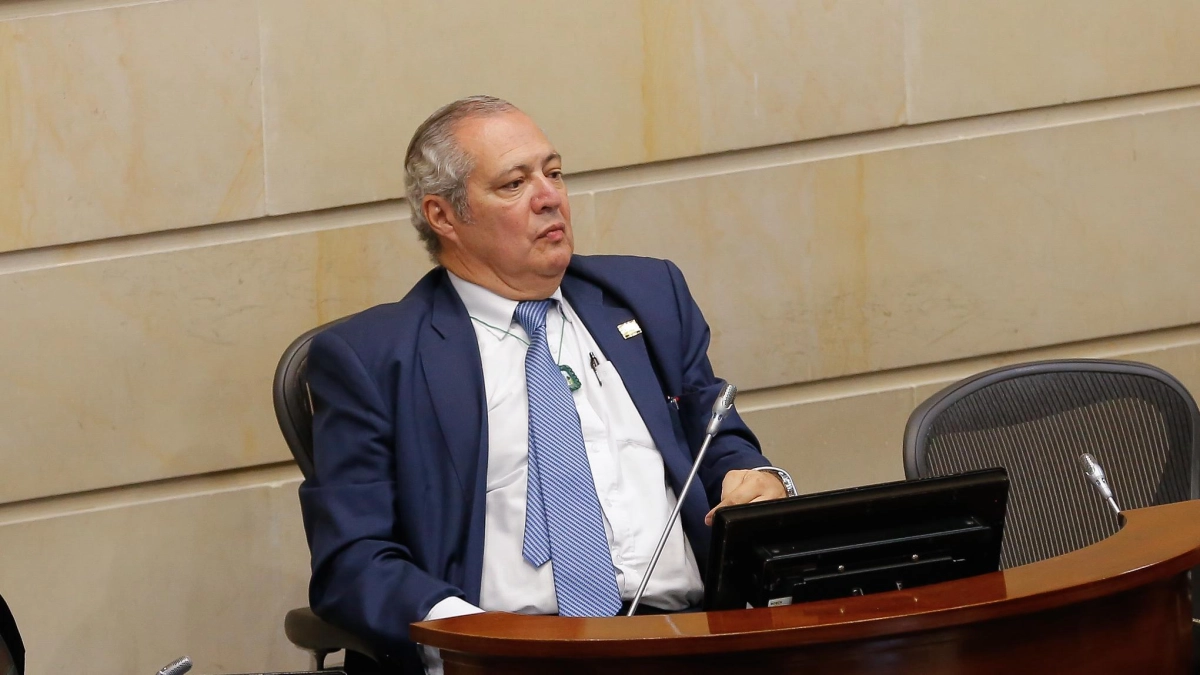
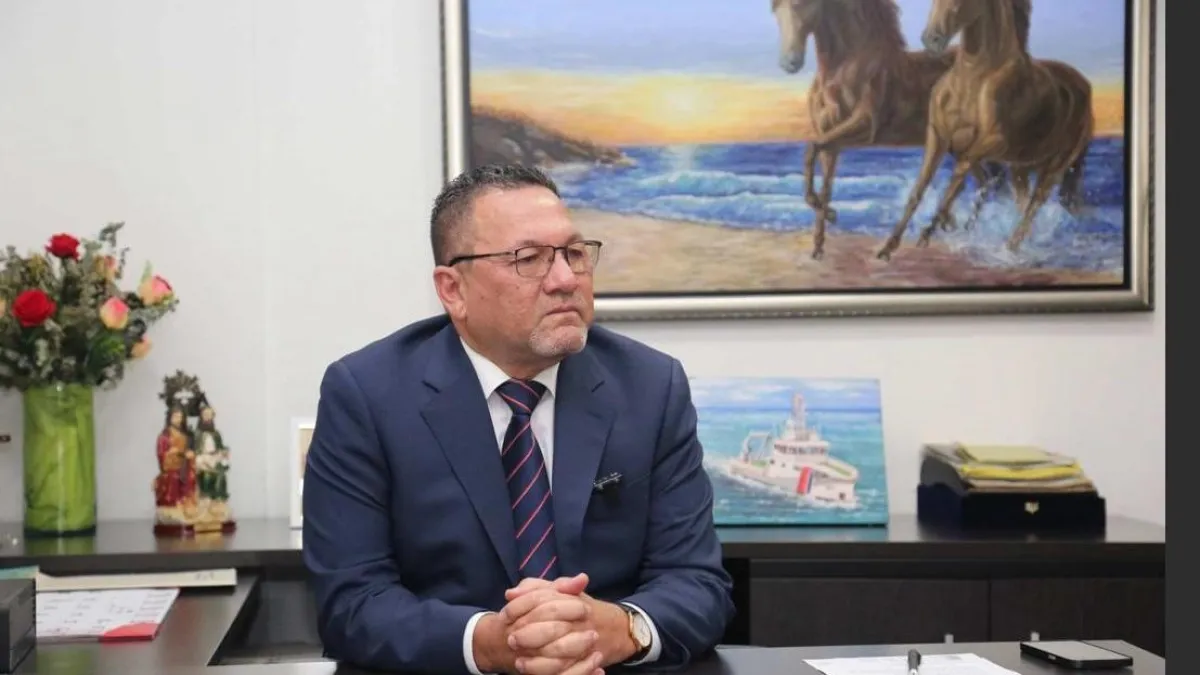
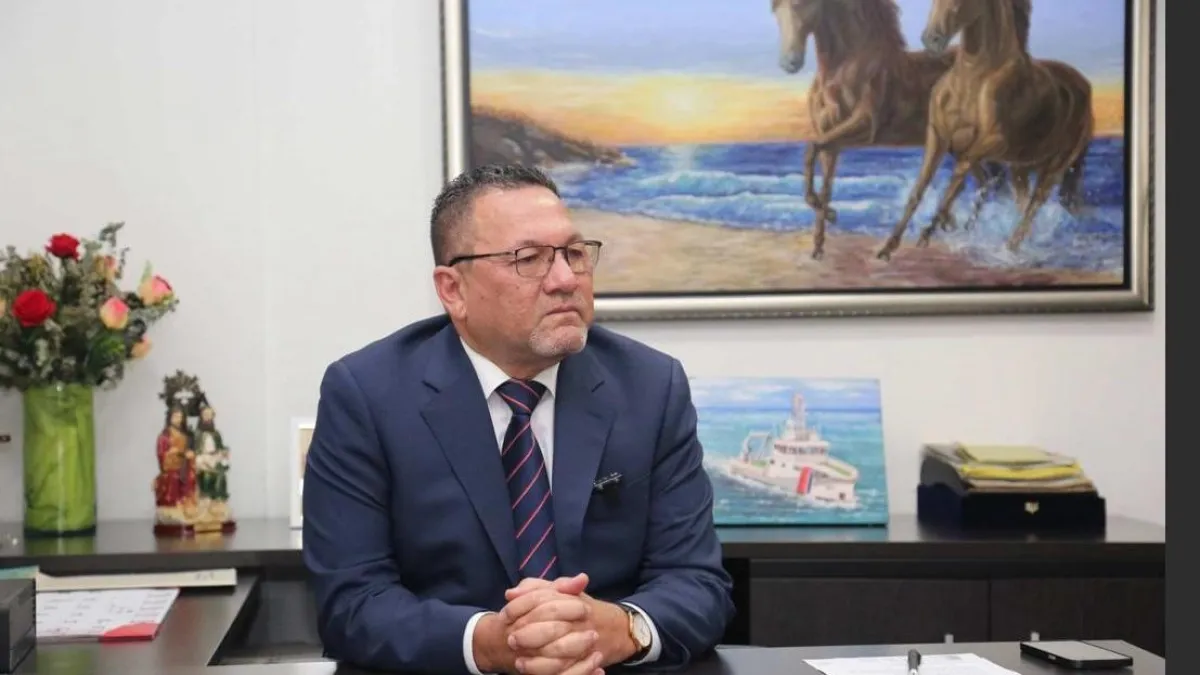
As the administration of President Gustavo Petro approaches its conclusion on August 7, 2026, the Colombian government is undergoing a transition of power. With the inauguration of President-elect Abelardo De La Espriella, a significant shift in the leadership of the nation’s legal apparatus is underway. Among the most critical changes is the transition at the National Agency for the Legal Defense of the State (ANDJE), where the outgoing Director, former magistrate César Palomino Cortés, will pass the baton to attorney Germán Calderón España.
In an exclusive interview with EL TIEMPO, Palomino provides a comprehensive retrospective of his tenure, offering a detailed balance of the challenges navigated, the milestones achieved, and his vision for the agency’s future under the incoming administration.
The Landscape of State Litigation: Challenges and Fiscal Impact
The Agency for the Legal Defense of the State occupies a position of paramount importance. It serves as the legal shield for the nation, tasked with representing Colombia in high-stakes litigation both domestically and before international tribunals.
When asked about the current burden of international investment arbitration—a major concern for any incoming administration—Palomino acknowledges the complexity of the landscape. "Today, Colombia faces one of the most significant portfolios of international investment arbitrations in its history," he explains. "However, it also boasts a more robust, specialized, and internationally recognized legal defense team than it did four years ago."
Currently, the agency is managing 19 active international investment arbitrations and 16 disputes in the pre-arbitral stage. The total claims associated with these proceedings amount to a staggering 73.8 trillion Colombian pesos.

"These are processes of enormous complexity and high fiscal impact," Palomino notes. "The defense of the State is not merely about responding to lawsuits; it is about protecting the public treasury, ensuring legal certainty, and fortifying the confidence of international investors. We are effectively safeguarding the resources that belong to all Colombians."
Strategic Successes: A New Standard for Defense
Palomino’s tenure has been defined by a transition toward a more proactive and cost-effective defense model. By focusing on technical rigor, inter-institutional coordination, and the assembly of specialized teams, the agency has achieved results that have garnered attention across Latin America.
The Numbers Behind the Strategy
- Fiscal Savings: Between 2022 and 2026, the agency secured favorable rulings and outcomes that prevented potential liabilities of approximately 2.9 trillion pesos (roughly USD 720 million).
- Cost Efficiency: The average cost of Colombia’s international legal representation has been kept to USD 2.5 million per case, significantly lower than the Latin American regional average of USD 5.6 million.
- The Glencore Precedent: Colombia currently records only one final condemnation in the Glencore I case, totaling USD 20.7 million.
Perhaps the most significant milestone mentioned by Palomino is the implementation of the country’s first-ever settlement agreement in an international investment arbitration. This strategic move alone mitigated a potential liability of USD 380 million (approximately 1.5 trillion pesos).
"A good legal defense is not measured solely by the number of cases won," Palomino asserts. "It is measured by the capacity to anticipate risks, adopt strategic decisions, and protect the public interest with transparency and credibility."
Strengthening Legal Certainty for Investment
A recurring theme in Palomino’s reflections is the link between institutional strength and the country’s investment climate. He emphasizes that "legal certainty is not proclaimed; it is demonstrated."
Under his leadership, the agency has aimed to prove that Colombia’s institutions function independently and respect the established rules of the game. By maintaining a low rate of condemnations and demonstrating technical efficiency in international forums, the state has fostered an environment where investors can feel confident in the stability of the Colombian legal framework.
"We are sending a clear message to the world," says Palomino. "Colombia is a country that respects its commitments, has a serious legal defense, and utilizes its institutional mechanisms to resolve disputes in a mature and professional manner."
Human Rights: A Historic Shift in Amicable Solutions
Beyond investment arbitration, the agency has played a pivotal role in the protection of Human Rights, specifically through the use of "amicable solution" procedures within the Inter-American System.
During the 2022–2026 period, the State reached 45 agreements of amicable solution—the highest number recorded in a single government term. For Palomino, this is perhaps the crowning achievement of his tenure.

"We have prioritized dialogue over litigation," he explains. "The Inter-American Commission on Human Rights has recognized our experience as a regional reference and a best practice for other nations. These solutions allow us to acknowledge responsibilities, provide comprehensive reparations to victims, and foster the institutional transformations necessary to prevent future violations."
By choosing to settle through dialogue, the State has not only avoided the lengthy and costly process of traditional litigation but has also strengthened the bond between the government and the victims of past conflicts. It is a testament to the idea that the State can be a source of justice rather than just a combatant in a legal arena.
Looking Forward: Recommendations for the De La Espriella Administration
As Germán Calderón España prepares to assume the directorship, Palomino offers a clear roadmap for the future. His primary hope is that the progress made in the realm of amicable solutions continues, regardless of political shifts.

"These solutions must be consolidated as a State policy, not a government policy," he emphasizes. "The expertise we have built is an institutional asset that transcends electoral cycles."
Key Recommendations for the Incoming Team:
- Preservation of Expertise: Retain the specialized teams that have successfully navigated international arbitration, as their institutional memory is invaluable.
- Expansion of Amicable Solutions: Increase the reach of these mechanisms to ensure that more victims receive timely and effective reparations.
- Institutional Continuity: Maintain the focus on inter-institutional coordination, ensuring that the agency works closely with other ministries to prevent potential litigation before it starts.
- Strengthening Legal Diplomacy: Continue the proactive engagement with the Inter-American System, ensuring that Colombia remains a leader in the protection of human rights in the region.
Implications of the Transition
The transition from the Petro administration to that of De La Espriella will be closely watched by international investors and human rights observers alike. The agency currently holds a delicate balance: it must maintain the aggressive, high-tech defense of the state’s assets while simultaneously managing a complex portfolio of human rights obligations.
The success of the incoming director, Germán Calderón España, will depend on his ability to integrate into the existing framework while bringing his own strategic vision to the table. Given the current fiscal climate and the ongoing need for foreign direct investment, the role of the agency is more critical than ever.

Palomino leaves office with a sense of pride, noting that the foundation is solid. "We have built a stronger, more transparent, and more capable agency," he concludes. "The mechanisms are in place, the team is prepared, and the commitment to the public interest remains the guiding star of the institution."
As the clock ticks toward August 7, the nation watches to see how the new administration will build upon the milestones of the last four years, ensuring that the defense of Colombia remains both a technical success and a moral imperative.