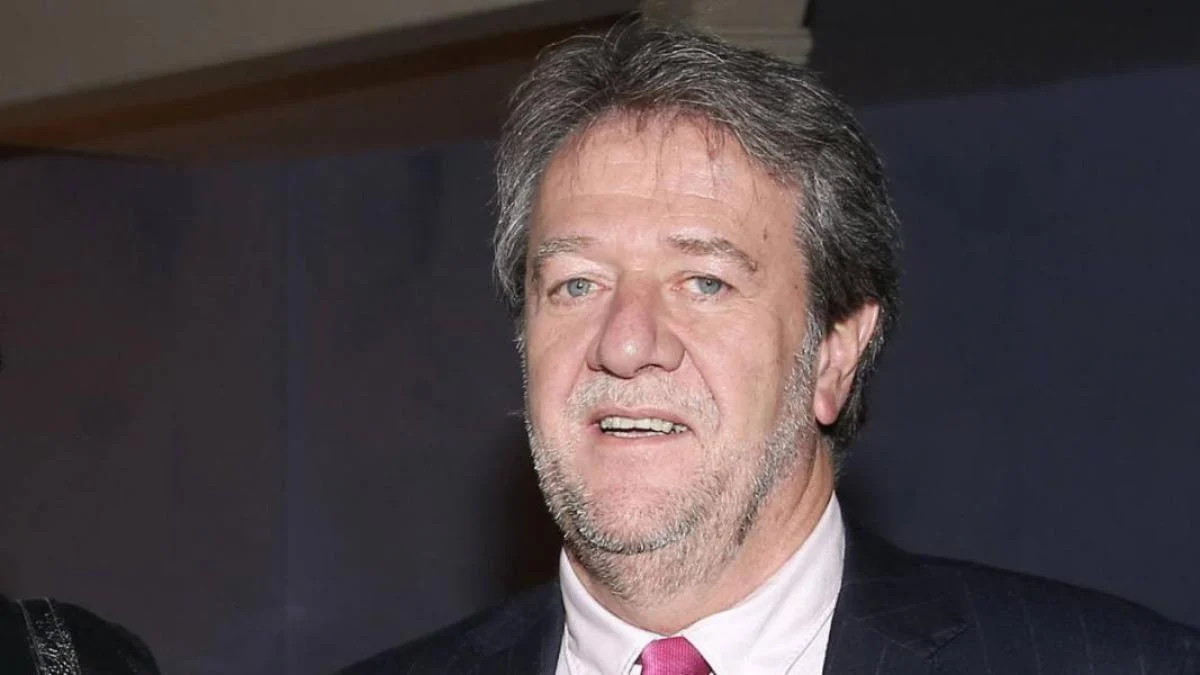
The music world is in mourning following the announcement of the death of Andy Taylor, the legendary guitarist and foundational creative force behind the British new wave icons, Duran Duran. Taylor, whose searing riffs and atmospheric textures defined the sound of the 1980s, passed away at the age of 65. His death marks the conclusion of a long, courageous, and transparent battle with stage 4 metastatic prostate cancer—a diagnosis he faced with the same grit and determination that characterized his decades-long career in rock and roll.
A Quiet Departure: The Final Chapter
The news of Taylor’s passing was confirmed by the band and his family via an official statement on Instagram on the evening of Wednesday, November 25. The announcement provided a somber sense of closure for fans who had followed the guitarist’s health journey with deep concern. "Andy passed away peacefully at his home, surrounded by his family, on Monday, November 23," the statement read.
The guitarist had been open about his condition since 2022, when he first revealed that he had been diagnosed with terminal cancer four years prior. In a poignant letter read to fans and his bandmates during the group’s induction into the Rock & Roll Hall of Fame—an event he was unable to attend due to his deteriorating health—Taylor detailed the brutal reality of his situation. "Just over four years ago, I was diagnosed with stage 4 metastatic prostate cancer," he wrote. "Many families have experienced the slow burn of this disease, and of course, we are no different."
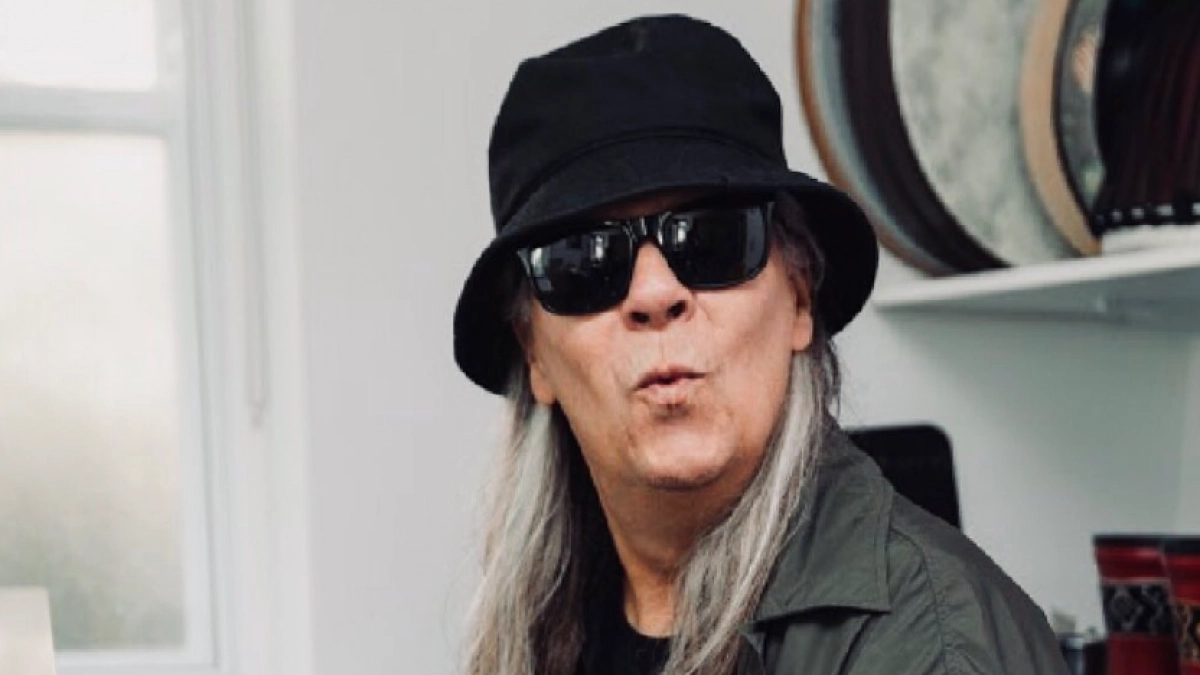
His passing is not merely the loss of a musician, but the loss of a key architect of the MTV era. Taylor was more than just a session player; he was the melodic engine behind one of the most successful bands in British history.
Chronology: A Career Defined by Innovation
Andy Taylor’s musical journey was marked by three distinct chapters with Duran Duran, bookended by a restless spirit that saw him explore diverse sonic landscapes.
The Rise of an Icon (1981–1986)
Taylor joined Duran Duran at the dawn of the 1980s, playing a pivotal role in their meteoric rise. Alongside Simon Le Bon, Nick Rhodes, John Taylor, and Roger Taylor, he helped craft a sound that synthesized post-punk angst with pop-infused glamor and electronic experimentation. During this period, the band released a string of global hits that remain staples of the era: "Wild Boys," "Save a Prayer," "Hungry Like a Wolf," and the atmospheric "Ordinary World." His guitar work on the James Bond theme "A View to a Kill" remains one of the most recognizable riffs in cinema history, perfectly encapsulating the high-stakes, sleek aesthetic of the 007 franchise.

Creative Divergence and The Power Station (1986–2002)
In 1986, Taylor sought new creative challenges and stepped away from the Duran Duran machine. His most notable venture during this interim was the formation of the supergroup The Power Station. Alongside Duran Duran bassist John Taylor, drummer Tony Thompson, and the soulful powerhouse Robert Palmer, the project pushed Andy into a more groove-oriented, funk-rock territory. This period showcased his versatility, proving that his talents extended far beyond the synthesizers and drum machines of his parent band.
The Return and the Final Act (2002–2023)
Taylor’s relationship with Duran Duran was cyclical. He returned for a reunion period between 2002 and 2006, contributing to the band’s later-career resurgence. After another period of separation, he re-emerged in 2023 to contribute guitar parts to the band’s latest studio project, a final act of artistic collaboration that served as a touching tribute to the brotherhood he shared with his former bandmates.
Supporting Data: The Impact of Prostate Cancer
While Taylor’s musical legacy is etched in vinyl and digital streaming charts, his final years were dedicated to shedding light on the reality of prostate cancer. His decision to go public with his stage 4 diagnosis in 2022 served as a significant catalyst for awareness.

Prostate cancer remains one of the most prevalent forms of cancer among men globally. According to oncological data, "metastatic" implies that the cancer has spread beyond the prostate to other parts of the body, most commonly the bones, lungs, or liver. Taylor’s description of his condition as a "slow burn" resonated with millions of families who grapple with the complexities of long-term palliative care. His story highlighted the necessity of early detection and the importance of ongoing research into treatments for advanced-stage disease, which often requires a multi-modal approach, including hormone therapy, chemotherapy, and emerging radiopharmaceutical treatments.
Official Responses and Tributes
The outpouring of grief from the music industry and beyond underscores Taylor’s immense influence. The remaining members of Duran Duran released heartfelt tributes, emphasizing that while they were colleagues, they were, at their core, friends who had grown up together.
"We are heartbroken," the band noted in a follow-up statement. "Andy was a whirlwind of energy and talent. He pushed us to be better, to take risks, and to believe in the sound we were building in the rehearsal rooms of Birmingham."

Music historians have also weighed in, noting that Taylor’s influence on the "New Romantic" movement was often underestimated. Unlike many of his contemporaries who relied heavily on programmed instruments, Taylor brought a visceral, organic edge to the guitar that gave Duran Duran a human heartbeat. Musicians from across the spectrum—including members of other 80s icons like Spandau Ballet and The Cure—took to social media to mourn a peer who was widely regarded as a "guitarist’s guitarist."
The Implications: A Legacy Beyond the Charts
The death of Andy Taylor signals more than just the end of a life; it marks the closing of a chapter in the history of popular music. The 1980s were a transformative decade, and Duran Duran were the spearhead of a cultural shift that merged fashion, film, and music into a singular, high-gloss experience.
The "Duran Sound"
Taylor’s contribution to the "Duran Sound"—that blend of sharp, jagged guitar lines layered over plush, synth-heavy arrangements—became the blueprint for countless bands that followed. His ability to navigate the transition from analog rock to the digital studio environment meant that his style remained relevant across four decades.

Advocacy in the Limelight
Perhaps his most lasting legacy, beyond the iconic chords of "Rio," will be the dignity with which he navigated his illness. By choosing to speak openly about his "stage 4" reality, Taylor broke the stigma often associated with men’s health issues. His transparency encouraged fans to prioritize their own health screenings, potentially saving lives through the simple act of awareness.
Conclusion: The Final Fade Out
As the world says goodbye to Andy Taylor, we are reminded of the fragility of the legends we grew up with. His journey from the clubs of Birmingham to the global stadiums of the world is a testament to the power of artistic ambition.
Taylor leaves behind a body of work that will continue to resonate for generations. Whether it is the frantic energy of "Hungry Like a Wolf" or the haunting, melancholic beauty of "Ordinary World," his guitar is the thread that connects the dots of a musical era.

While the music may have stopped for Andy Taylor, the echoes of his chords remain, a permanent fixture in the soundtrack of our collective memory. He fought a brave, public, and exhausting battle, and in the end, he did it on his own terms—peacefully, at home, and surrounded by the love that defined his life off-stage. The industry has lost a legend, but the music, like the man himself, remains an indelible part of the cultural landscape.
For those seeking to honor the memory of Andy Taylor, his family has requested that donations be made to prostate cancer research organizations, furthering the fight that the guitarist so passionately advocated for during his final years.