By Edwin Caicedo
Environment and Health Journalist
Published: November 24, 2026
Main Facts
A comprehensive new scientific analysis reveals a deeply polarized ecological landscape across Latin America and the Caribbean. According to a landmark report by the National Audubon Society titled “Breaking New Ground: Christmas Bird Count Trends in Latin America and the Caribbean,” roughly 40% of the 44 analyzed bird species experienced a downward population trend between 2013 and 2023. Meanwhile, 20% registered significant increases, and the remaining 40% showed no statistically clear trajectory.
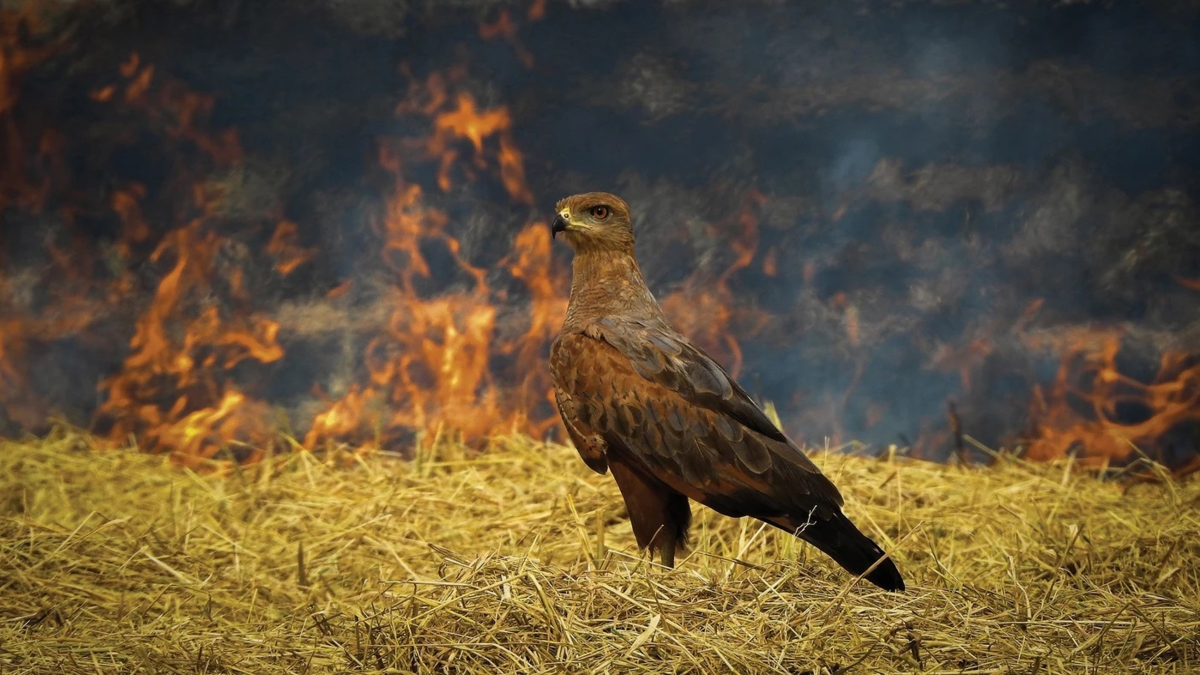
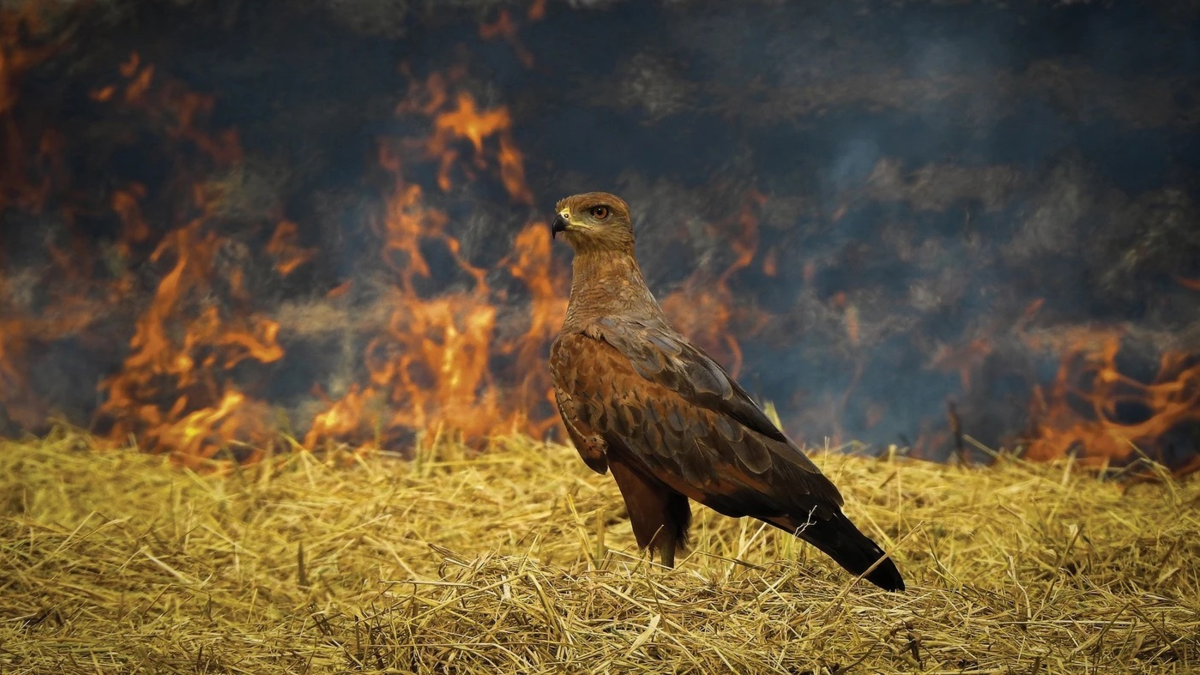
The data, pulled from the historic Christmas Bird Count (CBC)—the world’s longest-running citizen science monitoring program—highlights alarming declines in familiar regional species. Hard-hit birds include the Blue Seedeater (Volatinia jacarina), the Black Phoebe (Sayornis nigricans), and the American Kestrel (Falco sparverius).
Conversely, wetland and aquatic species such as the Black-crowned Night Heron (Nycticorax nycticorax) and the Neotropic Cormorant (Nannopterum brasilianum) demonstrated remarkable resilience, surging dramatically across multiple nations, including Colombia, Mexico, and Ecuador.

Environmental experts emphasize that these fluctuations are not mere statistical anomalies; they serve as critical bio-indicators reflecting the deteriorating health of agricultural landscapes and freshwater corridors, contrasted with local successes in wetland conservation and restoration.
Chronology: Over a Century of Community Science
To understand the weight of the recent Audubon report, one must look back at the extraordinary timeline of the Christmas Bird Count, a cornerstone of global ecological monitoring.

- December 1900: Ornithologist Frank M. Chapman, an early officer in the Audubon Society, proposed an alternative to the traditional holiday "side hunt," in which participants competed to shoot as many birds and mammals as possible. Instead, Chapman suggested counting them alive. Twenty-seven dedicated birders across 25 locations from California to New York took part in the first-ever Christmas Bird Count, laying the foundation for modern citizen science.
- 1972: Recognizing the interconnectedness of migratory and resident avifauna throughout the Western Hemisphere, the scope of the CBC expanded into Latin America and the Caribbean. This geographic broadening allowed scientists to track species across their entire life cycles, bridging northern breeding grounds with southern wintering habitats.
- 2013–2023: The foundational decade utilized for the new Audubon trend analysis. During this ten-year window, standardized observation efforts measured shifting abundance indices across thousands of localized geographic circles.
- The 126th CBC Season (Recent): The initiative reached unprecedented scale, uniting more than 85,000 observers across 2,701 distinct circles in 21 countries. Notably, 182 of these circles were located within Latin America and the Caribbean, a region that now accounts for more than half of all newly established count circles globally in recent years.
Supporting Data: Winners, Losers, and the Stable Middle
The Audubon report breaks down trends by evaluating changes in abundance indices—representing the expected number of birds encountered under a constant, standardized observation effort—rather than absolute population counts. Out of dozens of monitored species, 44 yielded sufficient, high-quality data across the Latin American region to establish clear decade-long trajectories.
1. Species on the Decline (The 40%)
- Blue Seedeater (Volatinia jacarina): This small granivorous bird, commonly found fluttering across tropical grasslands and agricultural mosaics, saw its regional abundance index plummet by 26%. In Colombia alone, the drop reached a staggering 27%, with sharp declines similarly recorded in Guatemala, Mexico, Nicaragua, Panama, Trinidad and Tobago, Costa Rica, Belize, and Ecuador.
- Black Phoebe (Sayornis nigricans): Heavily reliant on freshwater streams, ponds, and riparian corridors for hunting aquatic insects, this flycatcher experienced a regional decline of 26%. In Colombia, the crash was catastrophic, hitting 42%. Interestingly, this trend highlights a stark geographical divergence: while Black Phoebe populations are stable or even increasing in the United States and Canada, they face severe localized pressures in Latin America.
- American Kestrel (Falco sparverius): As North America’s smallest falcon, this raptor relies on open country, deserts, and agricultural pastures. Its abundance index dropped by 31% across Latin America and the Caribbean. Because this downward trend mirrors declines observed in the U.S. and Canada, researchers point to continent-wide pressures affecting open-habitat ecosystems.
2. Species on the Rise (The 20%)
- Black-crowned Night Heron (Nycticorax nycticorax): Associated with dense marshes, swamps, and inland water bodies, this wading bird achieved a remarkable 81% regional increase in Latin America and the Caribbean. National breakdowns showed explosive growth: 54% in Colombia, 87% in Mexico, and a phenomenal 156% in Trinidad and Tobago.
- Neotropic Cormorant (Nannopterum brasilianum): This proficient diving waterbird, which feeds primarily on fish in rivers, lakes, and reservoirs, registered an overall regional surge of 88%. Country-specific data underscores this boom, with increases of 72% in Colombia, 108% in Mexico, and 72% in Ecuador.
3. The Stable Population Group
Not all species exhibited dramatic shifts. Birds like the Squirrel Cuckoo (Piaya cayana) remained remarkably steady, registering a minor regional variation of -1.2% (though displaying a slight 2% increase in Colombia). Similarly, the Great Kiskadee (Pitangus sulphuratus) held stable across Latin America and the Caribbean—even as populations dwindled in parts of North America—demonstrating how adaptable generalist species navigate regional pressures differently.
Official Responses and Expert Perspectives
The release of “Breaking New Ground” has sparked intense dialogue among conservationists, government agencies, and ornithologists regarding how land management practices must adapt to these findings.
"The data demonstrates that we cannot treat Latin America and the Caribbean as a monolithic ecological zone," notes the analysis compiled by the National Audubon Society. "While species dependent on aquatic environments are responding positively to targeted conservation and wetland protections, birds tied to agricultural fields and freshwater streams are sounding an urgent alarm."

Regarding the plummeting numbers of the Blue Seedeater, Audubon representatives stressed that the trend raises serious questions about the sustainability of modern land-use practices. They argue for an urgent pivot toward "bird-friendly agriculture"—farming frameworks that integrate native vegetation, reduce chemical pesticide dependencies, and preserve field margins.
On the crisis facing the Black Phoebe, environmental authorities have underscored the vital necessity of safeguarding freshwater corridors. Unlike in the U.S. and Canada, where aquatic buffer zones often enjoy strict legal protections, rapid urban expansion, unmonitored agricultural runoff, and deforestation along Latin American riverbanks are actively degrading critical foraging habitats.

Conversely, environmental ministries and regional corporations (such as Colombia’s CAR and municipal authorities in places like Barranquilla) have pointed to the success of recent urban wetland recoveries—such as the revitalization efforts around the Bogotá River and the Ciénaga de Mallorquín—as direct catalysts for the population booms observed in the Black-crowned Night Heron and Neotropic Cormorant.
Implications for the Future of Conservation
The implications of the 2013–2023 Audubon report extend far beyond the academic tracking of feathers and flight paths. Birds act as the literal canaries in the coal mine for continental ecosystem health.

- Rethinking Agricultural Policies: The widespread contraction of generalist grassland birds like the Blue Seedeater and American Kestrel indicates that working lands are becoming increasingly hostile to wildlife. If agricultural intensification continues without ecological safeguards, regional biodiversity losses will accelerate, impacting natural pest control and pollination services.
- The Imperative of Freshwater Protection: The extreme divergence between thriving waterbirds and crashing stream-dependent species (like the Black Phoebe) highlights the fragmented state of Latin America’s freshwater resources. Protecting and restoring riparian buffers is no longer optional; it is a baseline requirement to prevent regional extinctions of specialized aquatic fauna.
- The Indispensable Value of Citizen Science: With tens of thousands of volunteers contributing standardized observations across thousands of mapped circles, the Christmas Bird Count proves that grassroots community mobilization is vital for modern conservation biology. As the region continues to establish new count circles—concentrating over half of all recent global additions—Latin America is stepping into a leadership role in environmental monitoring.
Ultimately, Audubon researchers emphasize that these datasets must guide targeted conservation, policy reform, and habitat restoration. By identifying precisely where ecosystems are buckling under anthropogenic pressure—and where local recovery efforts are bearing fruit—governments and communities across Latin America and the Caribbean can forge a more resilient path forward for the continent’s rich avian heritage.