By Global Technology & Cybersecurity Desk
Published: November 5, 2026
Main Facts
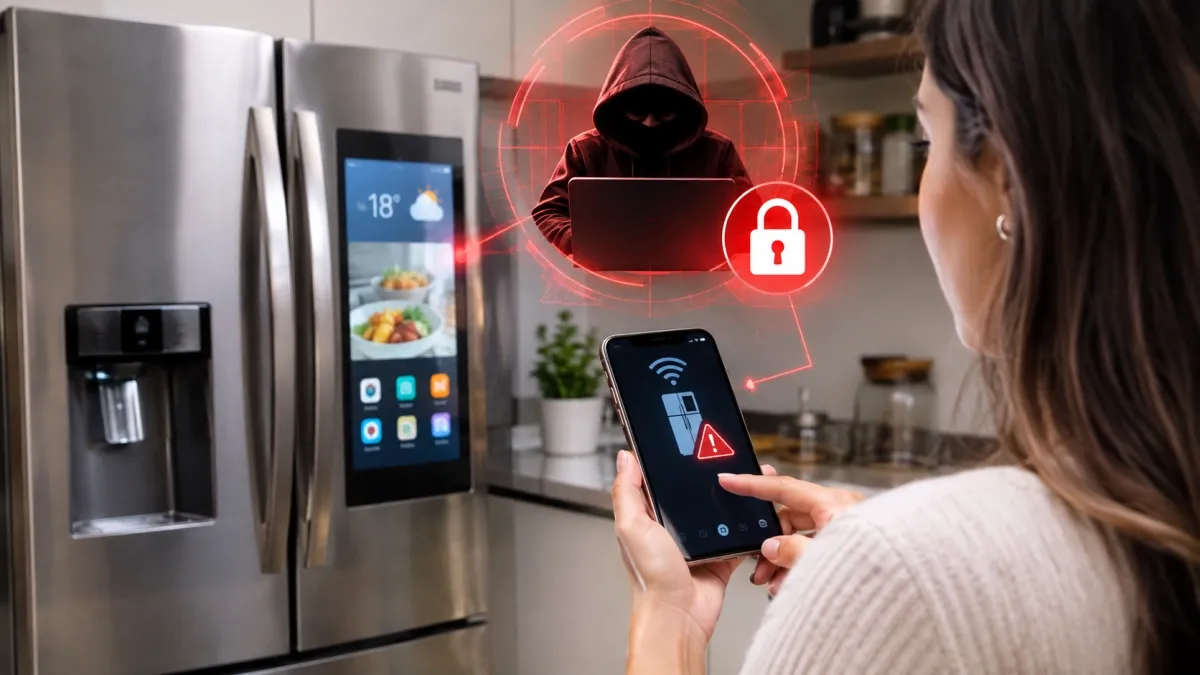
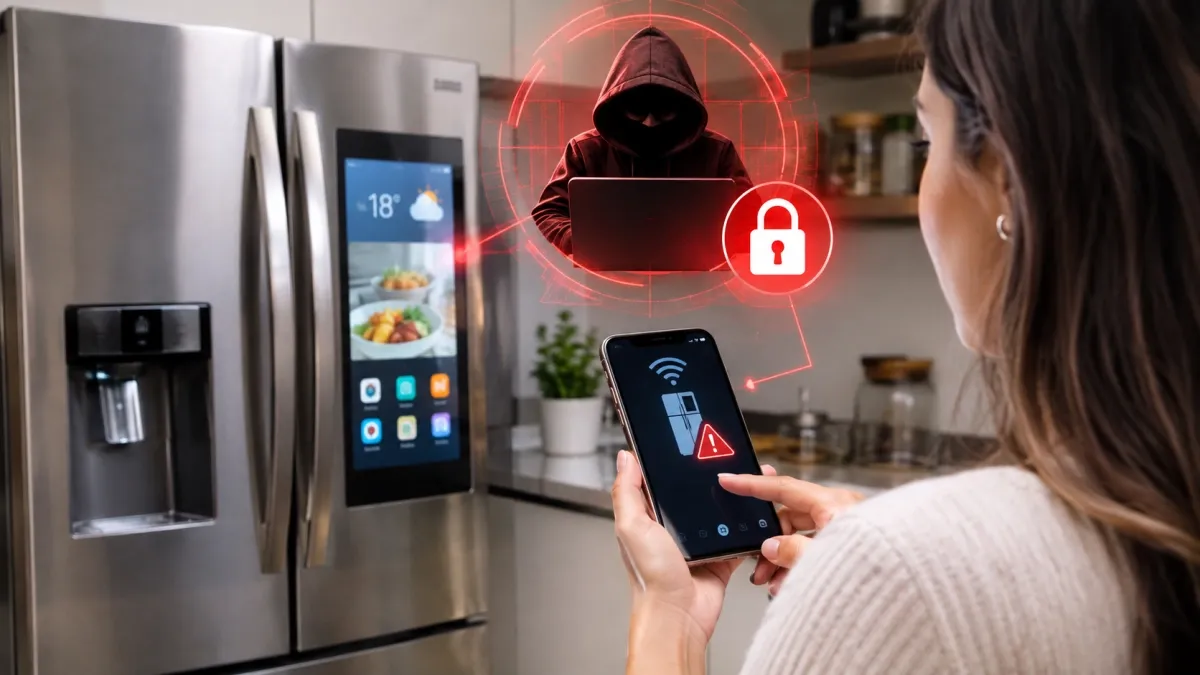
In an unprecedented wave of cyberattacks that has rattled industrial sectors across Europe, malicious actors successfully infiltrated the digital systems of dozens of supermarkets spanning at least seven European countries. Rather than deploying traditional ransomware to encrypt corporate databases or stealing financial credentials, the hackers executed a chillingly physical disruption: they hijacked internet-connected industrial refrigeration and cooling systems, manipulating internal temperatures to soar as high as 50 degrees Celsius (122 degrees Fahrenheit).
The sophisticated breach resulted in catastrophic losses of perishable food inventories, creating millions of euros in economic damages for major retail chains. Preliminary forensic analyses conducted by cybersecurity firms indicate that the compromised refrigeration units shared critical infrastructure flaws. Most notably, they were operated via inadequately secured networks and relied heavily on default, factory-set administrative passwords—a glaring oversight that left the backdoors wide open to remote exploitation.
While the primary victims thus far have been commercial enterprises—including prominent brands like Sweden’s ICA and widespread disruptions reported across France—the incident has triggered global alarm bells. Cybersecurity experts warn that the underlying vulnerabilities exploited in these industrial appliances are identical to those found in millions of consumer-grade smart refrigerators, televisions, and home automation hubs. With the Internet of Things (IoT) deeply embedded in modern domestic and commercial spaces, the chilling events in Europe serve as a stark wake-up call: everyday appliances are no longer mere conveniences; they are viable vectors for devastating cyber incursions.

Chronology of the European Supermarket Cyberattacks
The unfolding crisis across Europe represents a calculated escalation in attacks targeting operational technology (OT) and connected physical infrastructure.
- Late Summer 2025: Security researchers begin noticing an uptick in anomalous network scans targeting commercial internet-connected climate control systems across Western Europe, though no major incidents are publicly reported at this stage.
- October 13, 2026: A massive, coordinated cyberattack strikes approximately 300 supermarkets across France. Hackers systematically target the cooling and refrigeration units, remotely shutting them down or elevating temperatures. The result is the complete spoilage of thousands of tons of fresh food, forcing sudden store closures and triggering massive supply chain disruptions.
- Late October to Early November 2026: The attack vector expands rapidly across national borders. Major retail groups in Sweden—such as grocery giant ICA—alongside supermarkets in several other European nations report acute technical malfunctions in their cold-chain infrastructure. Temperatures inside display freezers and storage units plummet or skyrocket unpredictably, destroying perishable goods within hours.
- November 5, 2026: Investigative reports confirm that the multi-country campaign has officially impacted supermarkets in at least seven European nations. Cybersecurity agencies and emergency response teams launch joint international investigations to trace the origin of the intrusions, highlighting the severe security deficits inherent in poorly managed commercial IoT deployments.
Supporting Data and Technical Context
The intersection of operational technology and the internet has created a sprawling attack surface. According to data compiled by global cybersecurity leader Kaspersky, 59% of households in Latin America and millions more globally now possess at least one smart device connected to their home networks. This statistic mirrors broader global trends showing exponential year-over-year growth in smart appliance adoption.

However, convenience has consistently outpaced security compliance. Eduardo Chamorro, General Manager for the Americas at Kaspersky’s Global Emergency Response Team (GERT), notes that threat actors are systematically scanning public-facing IP addresses for industrial and domestic appliances running outdated firmware or utilizing insecure configurations.
Furthermore, Rodrigo Álvarez, an information security specialist at ESET Latin America, emphasizes that consumers and commercial buyers alike suffer from a dangerous misconception: the belief that purchasing a "smart" device is a plug-and-play experience devoid of cybersecurity maintenance.

When hackers breach a smart appliance, they do not stop at the device itself. Research demonstrates that IoT nodes frequently reside on the same local area network (LAN) as personal computers, smartphones, and secure corporate databases. A compromised refrigerator or smart TV can serve as a "pivot point"—a secure bridgehead from which hackers can scan internal networks, map connected hardware, harvest credentials, and ultimately compromise high-value data systems.
Official Responses and Industry Warnings
As retail conglomerates count their losses and governments draft emergency regulatory frameworks for critical IoT infrastructure, cybersecurity authorities have issued urgent advisories to both enterprise operators and everyday consumers.

European data protection and cybersecurity authorities have criticized retail chains for cutting corners on network segmentation. Investigators stress that industrial-grade refrigeration units should never share an unsegmented network with guest Wi-Fi systems or unsecured corporate administrative terminals. By failing to isolate operational technology from standard corporate web-browsing networks, the affected supermarkets effectively handed attackers the keys to their physical infrastructure.
In the wake of the attacks, major security agencies have outlined baseline protective measures to mitigate future incidents:

- Mandatory Password Modification: Immediately discard all default manufacturer passwords and replace them with robust, unique, and complex passphrases.
- Network Segmentation: Isolate smart appliances and IoT devices onto dedicated, guest-only Virtual Local Area Networks (VLANs) to prevent lateral movement across the network if one device is compromised.
- Regular Firmware Updates: Enable automatic updates or institute a strict manual schedule to patch known vulnerabilities as soon as manufacturers release security bulletins.
- Disabling Unnecessary Remote Access: If a smart refrigerator or appliance does not strictly require remote cloud management via an external mobile application, disable external access ports entirely.
- Multi-Layered Monitoring: Implement intrusion detection systems (IDS) capable of flagging abnormal data traffic originating from non-traditional network endpoints like household appliances or refrigeration units.
Broader Implications for Global Consumers and Enterprises
The European supermarket hacks transcend a localized story of spoiled food and corporate financial loss; they represent a fundamental paradigm shift in how society must view cybersecurity. For years, cyber threats were conceptualized as invisible digital abstractions—phishing emails, ransomware locking desktop screens, or data breaches leaking credit card numbers.
The events of November 2026 demonstrate that the digital and physical worlds have fully merged. When code can manipulate physical environments—raising temperatures to ruin food, disabling pacemakers, unlocking smart locks, or overheating industrial machinery—cyberattacks transform into physical safety hazards.

For households around the world, including rapidly digitizing markets in Latin America, Asia, and North America, the message is unmistakable. The smart kitchen, the automated living room, and the connected workplace are prime targets for malicious actors seeking the path of least resistance. As the lines between software and physical hardware continue to blur, the ultimate defense against the next wave of IoT attacks will rely not just on advanced firewalls, but on a collective cultural shift toward digital hygiene, proactive device management, and uncompromising hardware security standards.