By Diana Vanessa Arévalo Correa
Special Report for EL TIEMPO
The Colombian Institute of Educational Credit and Technical Studies Abroad (ICETEX), the backbone of student financing in Colombia, is currently embroiled in a severe administrative crisis. Following a comprehensive audit by the new leadership, which took office in August 2026, the entity has officially requested the intervention of national oversight bodies to investigate a series of questionable contractual practices and financial mismanagement that occurred during the previous administration.
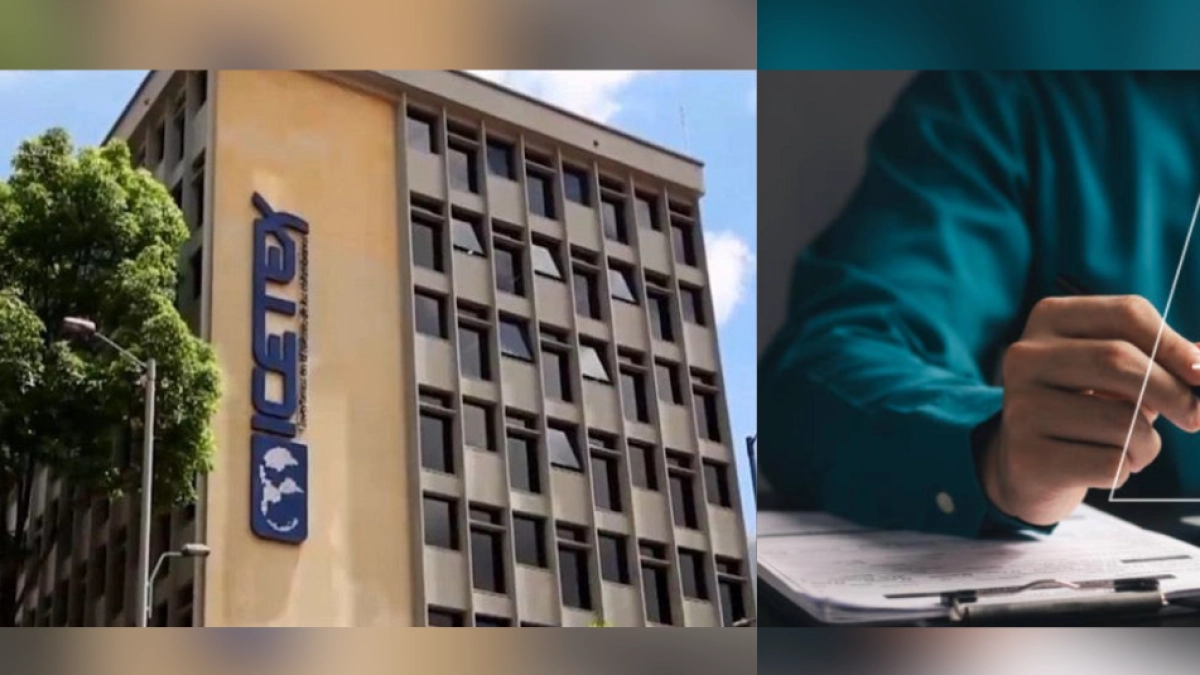
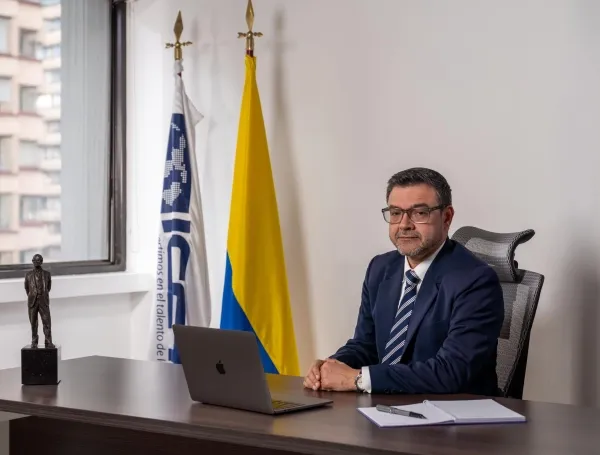
At the heart of the controversy is a staggering $83.770 million investment in a project labeled the "Voluntary Educational Savings Account." The audit, led by the current administration under President Richard Alexander Caicedo Rico, suggests that these public funds were committed to a project that internal studies had already flagged as financially unviable and unsustainable.
Main Facts: A Pattern of Irregularity
The findings presented by the new ICETEX administration paint a troubling picture of resource allocation. Between 2022 and 2026, the entity witnessed a massive surge in administrative spending, characterized by an 80% increase in the number of contractors. According to President Caicedo, this expansion of the payroll, which cost taxpayers over $70 billion in the final year alone, represented a 140% spike in total contractual expenditure.

The primary point of contention, however, involves the "Voluntary Educational Savings Account." This initiative was designed to allow families to save for higher education with interest, theoretically reducing the need for high-interest loans. Despite the noble goal, the administration discovered that the previous leadership proceeded with major contracts for this project—covering feasibility studies, legal structuring, and technological development—even after internal reports explicitly warned that the product lacked a sustainable financial model.
Chronology of the Crisis
To understand the gravity of these allegations, it is necessary to examine the timeline of events leading up to the current intervention by the oversight bodies:
- 2018: The framework for the "Voluntary Educational Savings Account" is established under Decree 375, intending to provide a flexible savings alternative for students.
- 2022–2025: The ICETEX begins the procurement process for the project, committing $83.770 billion across three primary contracts. During this period, the entity reports a sharp increase in administrative costs and external service contracts.
- April 16, 2026: The ICETEX Board of Directors approves the official regulation of the account through Agreement 07, authorizing its submission to the Financial Superintendency of Colombia.
- August 2026: A new administration takes control of the ICETEX and initiates a rigorous audit of the previous four years of contractual activity.
- October 2026: Internal reports surface confirming that the savings project was fundamentally flawed and lacked the necessary financial backing to be sustainable for users.
- November 4, 2026: President Richard Alexander Caicedo Rico announces the formal referral of the case to the Comptroller General’s Office (Contraloría) and the Inspector General’s Office (Procuraduría).
Supporting Data: The Cost of Administrative Bloat
The financial strain on ICETEX is particularly concerning given the broader context of the entity’s performance. While administrative and contractor costs ballooned, the volume of new educational credits issued by the institute fell to historic lows.
The data provided by the current administration highlights a structural imbalance:

- Contractual Surge: The 80% increase in service contractors led to a $70 billion drain on resources in one year.
- Spending Efficiency: The total expenditure on contracts rose by more than 140% in two years, a trend that appears inversely proportional to the actual service delivery—the issuance of student loans.
- Project Sunk Costs: The $83.770 billion spent on the savings project represents a significant loss, as the project was never delivered in a form that could realistically benefit students. These funds were divided into three specific areas: legal regulation, feasibility studies, and technological infrastructure, with the latter absorbing the largest portion of the budget.
Official Responses and Institutional Stance
The official position of the current ICETEX administration is one of transparency and accountability. President Richard Alexander Caicedo Rico has been emphatic in his public statements: the goal of this investigation is to protect the integrity of the institution and ensure that public resources are used solely for the benefit of Colombian students.
"We have identified an excessive expenditure in contracting over the last two years, as well as clear irregularities in the execution of contracts that did not serve the public interest," Caicedo stated during the announcement on November 4.

The administration’s decision to involve the Comptroller and the Inspector General is a strategic move to insulate the current team from the previous administration’s failures. By handing over the files, they are essentially asking the state to audit the "planning, contracting, and execution" of these projects to determine if there was a direct theft or misuse of state property.
Implications: What Lies Ahead for ICETEX?
The potential fallout from these investigations is significant for both the institution and the broader landscape of higher education in Colombia.

1. Legal and Disciplinary Consequences
The Comptroller General’s Office is now tasked with determining if there was a "patrimonial damage" to the state. If found guilty, the officials involved could face substantial fines and be held personally liable for the $83.770 billion wasted. Simultaneously, the Inspector General’s Office is evaluating the conduct of the public servants involved to determine if their actions warrant suspension or permanent bans from holding public office.
2. A Shift in Education Policy
The failure of the "Voluntary Educational Savings Account" forces the current government to rethink how it supports students. If the institution cannot rely on the previous model of "saving for the future," it must pivot toward more direct, efficient, and transparent forms of financial aid. The government has already hinted at an increase to 25,000 educational credits for 2027, signaling a move back to the core competency of the ICETEX—direct lending—rather than complex, failed financial products.

3. Restoring Public Trust
Perhaps the most significant challenge is the loss of credibility. Students and families have long been frustrated with the bureaucratic nature of ICETEX, and news of massive contract inflation only deepens this distrust. The new administration’s willingness to expose these internal issues is a necessary first step toward cleaning up the entity, but the process will likely be long and arduous.
Conclusion: A Turning Point
The situation at ICETEX is not merely a tale of wasted money; it is a symptom of a larger struggle to modernize a vital public institution without sacrificing fiscal responsibility. As the oversight bodies begin their formal investigation, the Colombian public will be watching closely to see if accountability will truly be served.

For now, the mandate for the current leadership is clear: stop the hemorrhaging of funds, streamline administrative costs, and return the focus of the institute to its original, essential mission: ensuring that financial barriers do not prevent the youth of Colombia from accessing higher education. Whether this scandal leads to a systemic overhaul of the ICETEX or remains a localized administrative failure depends on the rigor of the upcoming investigations and the transparency of the current government in handling the findings.
The road ahead is complex, but the message from the current administration is unequivocal: the era of unchecked contractual expansion and unsustainable project management at the ICETEX must end. As the investigations progress, the details of these contracts—and the specific individuals responsible for their approval—will continue to unfold, potentially reshaping the landscape of educational finance in the country for years to come.